
Gifted Testing in Winston-Salem
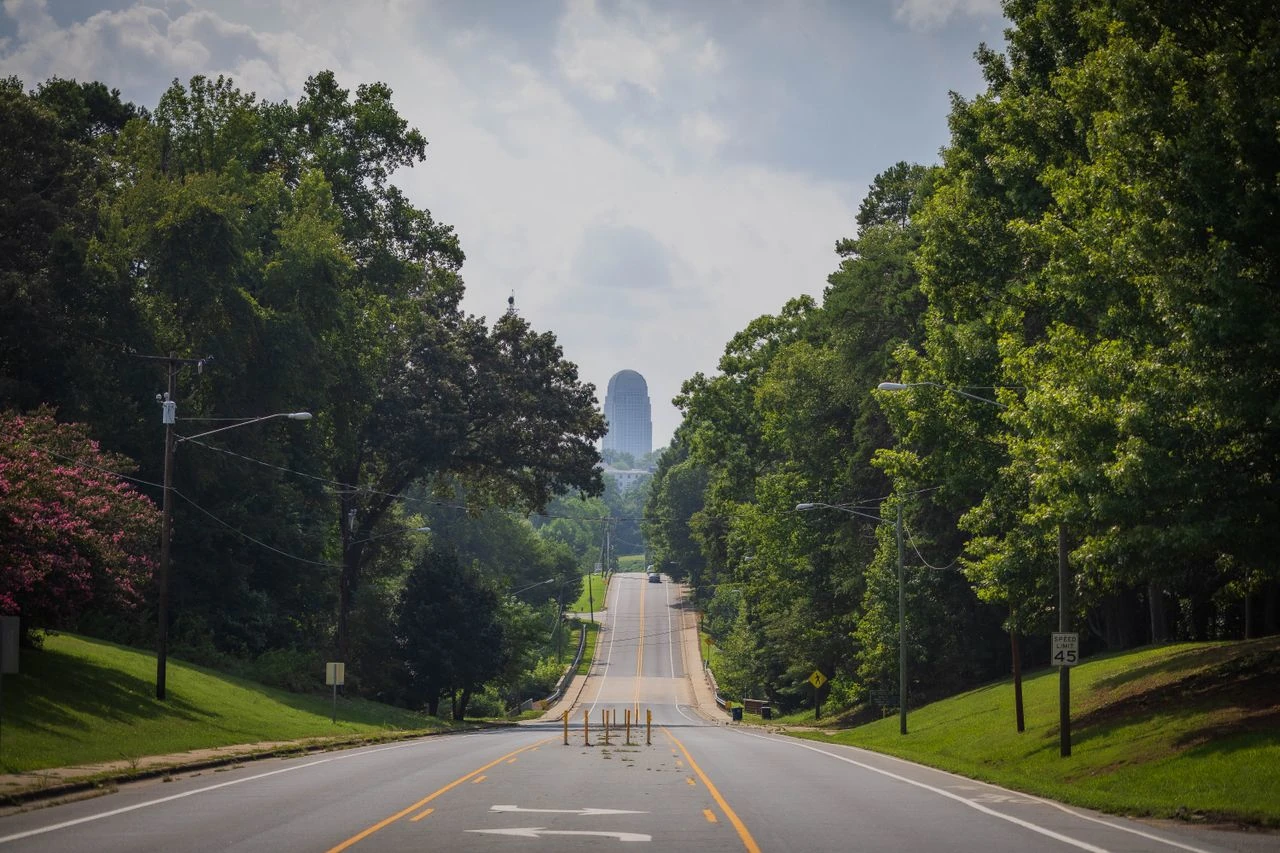

Professional gifted testing in Winston-Salem – whether your child needs identification for school placement, enrichment programs, or you're an adult seeking Mensa admission, we connect you with licensed psychologists who specialize in gifted assessment.
Last Updated: September 2026
Child Gifted Testing
WISC-V & Stanford-Binet 5 for ages 6–16. Gifted identification, school placement.
Adult Gifted Testing
WAIS-IV & WAIS-5 available. Comprehensive assessments for adults seeking Mensa or career guidance.
WISC-V Test
Wechsler Intelligence Scale for Children® Fifth Edition – the gold standard for child gifted identification.
Stanford-Binet 5
Stanford-Binet Intelligence Scales Fifth Edition – comprehensive cognitive assessment for all ages, often used for gifted identification.
Mensa Testing
Mensa admission testing and preparation for the high-IQ society. Accepts WAIS-IV, WAIS-5, and Stanford-Binet 5 scores.
School Placement Testing
Testing for private school admission and gifted program eligibility using WISC-V or Stanford-Binet 5.
Gifted Testing in Winston-Salem: city context
Winston-Salem's gifted-education environment includes WS/FCS AG and HAG services, Hanes Magnet, honors and AP pathways, early and middle college options, dual enrollment, charter and private schools, Wake Forest and WSSU enrichment, UNCSA arts training, libraries, museums, science programs, and Triad Mensa resources.
IQ by gender & ethnicity (child population)
The city is 53.4% female, 23.0% under age 18, 32.1% Black, 2.3% Asian, 18.2% Hispanic or Latino, and 10.6% two or more races. These demographics do not establish group-specific IQ averages.
- Gender: Giftedness occurs across genders; referral and service patterns can affect who is identified.
- Culture and language: Testing should consider first language, bilingual development, educational opportunity, and culturally responsive interpretation.
- Disability: Gifted children may also have ADHD, autism, dyslexia, anxiety, medical conditions, or other disabilities.
- Multiple measures: North Carolina requires local AIG plans and locally approved identification procedures rather than one statewide IQ cutoff.
- Individual focus: Planning should use the child's strengths, needs, interests, achievement, and social-emotional development.
Gifted children in Winston-Salem: who are they?
Gifted children demonstrate advanced ability, rapid learning, creativity, or exceptional achievement in one or more areas. A traditional score near the 98th percentile may be one indicator, but WS/FCS and other schools use broader evidence and local procedures.
- Advanced reasoning: Quickly identifying patterns, relationships, causes, or abstract principles.
- Rapid learning: Needing fewer repetitions and moving quickly from examples to general concepts.
- Deep interests: Sustained focus on science, history, medicine, technology, language, arts, mathematics, nature, or specialized topics.
- Creativity: Producing original ideas, unusual solutions, imaginative products, or sophisticated questions.
- Asynchronous development: Intellectual ability may advance faster than emotional, social, motor, or executive-function skills.
- Twice exceptionality: Disability can coexist with giftedness and may obscure both strengths and needs.
- Diversity: Gifted learners come from every racial, cultural, linguistic, gender, socioeconomic, and disability group.
Schools and programs for gifted children in Winston-Salem
Winston-Salem/Forsyth County Schools AIG Services
- District framework: WS/FCS identifies and serves Academically or Intellectually Gifted students through its locally approved AIG plan, with differentiated instruction beginning in elementary school and continuing through middle and high school.
- Universal screening: The district publishes second-grade universal-screening and rescreening information; families should verify the current assessment calendar, measures, score criteria, and nomination pathways.
- AG services: Academically Gifted students may receive advanced mathematics and language-arts services, classroom differentiation, enrichment, cluster grouping, or advanced courses according to grade and school.
- HAG services: Highly Academically Gifted programming includes self-contained accelerated options at designated elementary sites and Hanes Magnet School for middle grades; locations and capacity can change by school year.
- Secondary pathways: Middle and high schools may offer HAG, honors, Advanced Placement, dual enrollment, magnet, STEM, arts, early/middle college, and career and technical education options.
- Outside reports: Private WISC-V, Stanford-Binet, achievement, or comprehensive evaluation results may add information but do not automatically determine district identification, HAG placement, acceleration, or services.
North Carolina AIG Framework
- State mandate: North Carolina law requires public school units to identify and serve AIG students in kindergarten through grade 12.
- Local plans: Each local education agency develops a three-year AIG plan using state legislation and NC AIG Program Standards, with local screening, identification, service, professional-development, family-engagement, and disagreement-resolution procedures.
- Multiple evidence sources: Ability, achievement, classroom performance, portfolios, teacher evidence, student potential, and other locally approved data may contribute.
- Equity: Identification and interpretation should account for culture, language, disability, socioeconomic opportunity, and students who may be underrepresented in gifted services.
- Current information: Families should rely on the active WS/FCS AIG plan and school-year guidance rather than old cut scores or another district's procedures.
Enrichment and interests
- STEM and health sciences: Wake Forest, WSSU, Forsyth Tech, Innovation Quarter, Kaleideum, robotics, coding, biomedical, and maker programs offer technical enrichment.
- Arts: UNCSA, Salem College, community theaters, music organizations, film programs, museums, writing, and visual arts support advanced creative interests.
- History and humanities: Old Salem, Historic Bethabara, Reynolda House, libraries, archives, genealogy, debate, journalism, and language study provide strong local resources.
- Nature and environmental learning: Salem Lake, Reynolda Gardens, greenways, Pilot Mountain, Hanging Rock, ecology, astronomy, and conservation programs provide field-based learning.
- Entrepreneurship and technology: Innovation Quarter, university programs, business competitions, design, data, and startup events connect academic strengths with real projects.
- Balanced development: Recreation, friendships, sleep, hydration, and unstructured time remain important, especially during hot and humid summers.
What is giftedness?
Giftedness is a complex and multifaceted construct that goes beyond a single IQ score. In the field of psychology, giftedness is typically defined as an IQ score of 130 or above (the 98th percentile), but it also encompasses exceptional creativity, leadership ability, or talent in specific academic or artistic domains.
However, in Winston-Salem and across the U.S., the definition of giftedness is evolving. Many psychologists and educators now recognize that giftedness manifests in diverse ways, including:
- Intellectual giftedness: Exceptional reasoning, problem-solving, and abstract thinking.
- Creative giftedness: Unusual originality, imagination, and ability to generate novel ideas.
- Leadership giftedness: Exceptional interpersonal skills, empathy, and ability to inspire others.
- Artistic giftedness: Superior talent in visual arts, music, drama, or dance.
- Twice-exceptional (2E): Gifted individuals who also have a learning disability or neurodivergence such as ADHD or dyslexia.
In Winston-Salem, where diversity and inclusion are highly valued, there is a growing movement to identify and support gifted students from all backgrounds, including those who may be underserved by traditional testing methods.
Winston-Salem Gifted Identification Statistics
- No single city rate: Winston-Salem does not publish one authoritative citywide gifted-identification percentage because students attend WS/FCS, charters, private schools, home schools, and neighboring districts.
- Identification is not prevalence: Participation reflects local criteria, screening schedules, referrals, language access, reassessment, mobility, and available services.
- North Carolina data: NCDPI gathers official AIG headcounts from public school units, but local percentages should be interpreted with the district's grade levels, identification pathways, and service definitions.
- WS/FCS programs: AG and HAG services use locally approved procedures; the HAG pathway is not equivalent to a universal private IQ cutoff.
- Private testing: Outside results may add information but do not automatically override district decisions.
- Equity: Universal screening, multiple measures, bilingual interpretation, disability awareness, and attention to educational opportunity can help identify students missed by referral-only systems.
Winston-Salem Gifted Testing Timeline
- Start with WS/FCS or the receiving school: Ask for the current AIG plan, testing calendar, nomination process, accepted evidence, service criteria, and disagreement procedure.
- Universal screening: WS/FCS publishes second-grade screening and rescreening information; exact dates and measures should be verified for the current year.
- Private scheduling: Allow time for consultation, records review, testing, scoring, feedback, and the written report; comprehensive cases may require multiple sessions.
- District review: Submission of a private report does not guarantee immediate AG or HAG identification, placement, acceleration, or a particular school assignment.
- Transfer students: Families should verify how prior identification, charter records, out-of-district reports, bilingual testing, and out-of-state documentation are handled.
- School calendar: Avoid testing immediately after major exams, illness, travel, sleep loss, or demanding extracurricular schedules.
Winston-Salem Gifted Programs by Age Group
- Early childhood and kindergarten: Families may seek developmental, readiness, or early-entrance assessment; current state and school age rules should be confirmed before private testing.
- Elementary years: WS/FCS uses classroom differentiation, AG services, universal screening, rescreening, and designated HAG programming for qualifying students.
- Middle school: Hanes Magnet offers AG and HAG accelerated pathways; other middle schools provide advanced coursework and differentiated services according to the district plan.
- High school: Honors, AP, dual enrollment, Career and College Promise, early/middle college, magnet, arts, STEM, and career and technical education options vary by school.
- Arts pathways: UNCSA, local arts organizations, music, theater, film, dance, and visual-arts programs provide unusually strong regional options.
- Enrichment: Wake Forest, WSSU, Forsyth Tech, Kaleideum, Old Salem, Reynolda House, libraries, robotics, coding, science, debate, and summer programs supplement school services.
Unique challenges and nuances of giftedness
Giftedness is not always a straightforward advantage. Many gifted individuals face unique challenges that can impact their well-being and success:
- Asynchronous development: Gifted children often have intellectual abilities that outpace their social and emotional maturity. This can lead to frustration, social isolation, and difficulty relating to peers.
- Perfectionism: Many gifted individuals set unrealistically high standards for themselves, leading to anxiety, burnout, and avoidance of challenges.
- Underachievement: Gifted students may underperform in school if they are not adequately challenged or if their learning needs are not met.
- Social isolation: Gifted individuals may struggle to find peers who share their interests and intellectual intensity, leading to loneliness and depression.
- Twice-exceptionality (2E): Many gifted individuals also have learning disabilities or neurodivergence, such as ADHD, dyslexia, or autism. This can mask their abilities and make it difficult to receive appropriate support.
- Cultural and ethnic disparities: Giftedness is often under-identified in minority and low-income populations due to cultural biases in testing and limited access to enrichment programs. Winston-Salem is actively working to address these disparities through inclusive identification practices.
Gifted testing can help identify these challenges and provide a roadmap for support. A comprehensive evaluation can reveal not only strengths but also areas where intervention is needed.
Mensa and high-IQ societies
Mensa is the largest and oldest high-IQ society in the world, with members in over 100 countries. To qualify for Mensa, individuals must score at or above the 98th percentile on a standardized IQ test, which typically corresponds to an IQ of 130 or above.
In Winston-Salem, there is an active Mensa community that offers social events, intellectual discussions, and networking opportunities. Membership can provide a sense of belonging and community for gifted individuals who may feel isolated in their everyday lives.
We offer official Mensa admission testing and preparation materials. Our psychologists are experienced in administering the tests required for Mensa membership and can help you navigate the application process.
Areas we serve
We support all areas of Winston-Salem.
Frequently Asked Questions
Both are excellent tests. WISC-V is more commonly used for school-age children, while Stanford-Binet 5 can be used for ages 2–85. We often recommend WISC-V for school placement and Stanford-Binet 5 for highly gifted individuals.
The test itself takes 60–90 minutes. With the consultation, feedback, and report, the entire process is about 1–2 weeks.
No, you can book directly with our psychologists. We serve both self-referred and professionally referred individuals.
Some professionally administered scores may be submitted as prior evidence, but acceptance is determined solely by American Mensa under its current rules.
Some plans cover cognitive assessments when there is a clinical indication. Check with your provider.
Get a good night's sleep, eat a healthy meal, and arrive relaxed. No specific preparation is needed.
You'll receive a comprehensive report with your scores and tailored recommendations.
Interviews and feedback may be available remotely, but many standardized cognitive tests require controlled administration and may need an in-person appointment. Contact us for details.
Not exactly. Smartness is a colloquial term, while giftedness is a clinical construct involving specific cognitive abilities and traits.
We specialize in identifying both giftedness and learning disabilities, and we provide tailored recommendations for support.