
IQ Testing in Durham Region
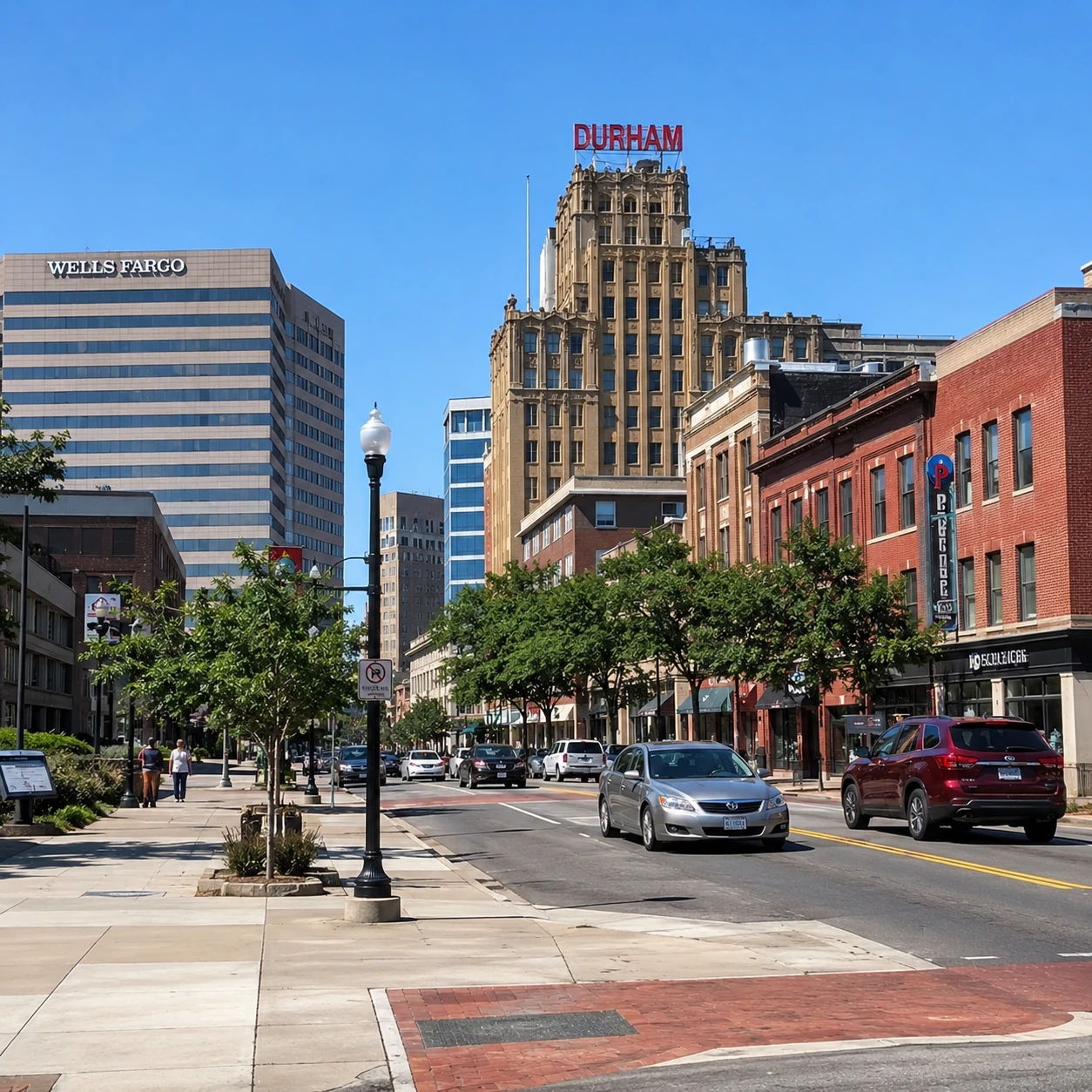

Professional IQ testing in Durham Region – whether you need an assessment for school, employment, gifted program eligibility, or personal insight, we connect you with registered psychologists in the Durham Region area.
Last Updated: September 2026
Child IQ Testing
WISC-V & Stanford-Binet for ages 6–16. Gifted identification, learning profiles.
Adult IQ Testing
WAIS-IV & WAIS-5 available. Comprehensive adult cognitive assessments. Clinical & occupational.
WISC-V Test
Wechsler Intelligence Scale for Children® Fifth Edition – the gold standard for child IQ testing.
WAIS-IV & WAIS-5 Tests
Wechsler Adult Intelligence Scale® – Fourth Edition (WAIS-IV) and Fifth Edition (WAIS-5) available for adult IQ testing.
Gifted Testing
Identify giftedness for school placement, enrichment, and talent programs using WISC-V or Stanford-Binet.
Stanford-Binet 5
Stanford-Binet Intelligence Scales Fifth Edition – comprehensive cognitive assessment for all ages.
Mensa Testing
Mensa admission testing and preparation for the high-IQ society. Accepts WAIS-IV, WAIS-5, and Stanford-Binet 5 scores.
Full Evaluation
Combined assessment with detailed report and recommendations. Includes WISC-V, WAIS-IV, WAIS-5, or Stanford-Binet 5 as appropriate.
IQ Testing in Durham Region: city context
Durham Region is an upper-tier municipality immediately east of Toronto that includes Ajax, Brock, Clarington, Oshawa, Pickering, Scugog, Uxbridge, and Whitby. The 2021 Census counted 696,992 residents, while the Region estimated 753,090 residents at the end of 2023. Assessment needs vary across fast-growing lakeshore communities, established urban centres, rural townships, post-secondary campuses, major health facilities, energy sites, and manufacturing and logistics corridors.
Children and adults seek professional testing for gifted identification, learning and attention questions, disability documentation, career planning, graduate education, Mensa Canada qualification, medical concerns, and personal understanding. A registered psychologist interprets scores with age, education, first language, culture, disability, health, sleep, medication, and testing conditions rather than using an IQ score as a stand-alone label.
Gender, age and demographic statistics
Statistics Canada and Durham Region reports provide important population context without establishing separate local IQ averages:
- Female population: 51.2% in the 2021 Census; 48.8% identified as male.
- Children: Approximately 18% of residents were under age 15.
- Older adults: 15.9% were age 65 or older in 2021.
- Visible-minority population: 36.3%, up from 27.1% in 2016.
- Immigrant population: 27.9% in 2021; immigration accounted for more than 83% of estimated population growth from 2018 through 2023.
- Largest visible-minority groups: South Asian 13.4%, Black 9.6%, Filipino 2.9%, and Chinese 2.4%.
- Citizenship: Approximately 94% of residents were Canadian citizens in 2021.
- Post-secondary attainment: 56.6% of residents age 15 and older held a post-secondary certificate, diploma, or degree.
- Gender and education: Women represented 53.2% of residents holding a post-secondary credential, compared with 46.8% for men.
- Language and cultural context: Examiners should consider bilingual development, immigration history, quality of education, and whether Canadian English or French norms are appropriate.
- Clinical interpretation: No authoritative dataset provides average IQ scores for Durham municipalities, genders, racial groups, or neighbourhoods.
What is professional IQ testing?
Intelligence quotient (IQ) testing is a standardized method to measure human cognitive abilities and intellectual potential. Professional IQ tests are administered by registered psychologists in a controlled environment to ensure accuracy and reliability. Unlike online quizzes, clinical assessments provide a full-scale IQ score along with detailed breakdowns of verbal comprehension, perceptual reasoning, working memory, and processing speed.
In Durham Region, IQ testing is commonly used for gifted program admission, learning disability identification, career guidance, neuropsychological evaluation, and personal development. The results are presented in a comprehensive report that includes normative comparisons, strengths and weaknesses, and actionable recommendations.
Who should get tested?
IQ testing can benefit children, adolescents, and adults in various situations:
- Children: Parents often seek testing for school readiness, gifted placement, or to understand learning challenges.
- Adults: Many adults take IQ tests for career advancement, graduate school applications, or personal curiosity.
- Mensa candidates: High-IQ societies require official test scores for membership.
- Clinical referrals: Psychologists may recommend testing as part of a broader neuropsychological evaluation.
Types of IQ tests
We offer the most recognized and scientifically validated intelligence tests in the field:
- WISC-V (Wechsler Intelligence Scale for Children® – Fifth Edition): The gold standard for children aged 6:0–16:11. It provides a Full-Scale IQ and five primary index scores.
- WAIS-IV (Wechsler Adult Intelligence Scale® – Fourth Edition): The most widely used adult IQ test for ages 16–90. It measures cognitive functioning across four domains.
- Stanford-Binet Intelligence Scales – Fifth Edition: A comprehensive assessment for ages 2–85, often used for gifted identification and clinical evaluations.
- Gifted Testing: Often includes the WISC-V or Stanford-Binet, plus additional creativity and achievement measures.
- Mensa Testing: We provide official Mensa admission testing and preparation materials.
How the testing process works
- Initial consultation: Brief phone or video call to discuss your needs and match you with the right psychologist.
- Testing session: In-person or remote testing (depending on the test) with a registered psychologist. Most sessions last 1–2 hours.
- Scoring and interpretation: The psychologist scores the test and interprets the results in the context of your background and goals.
- Feedback session: A detailed review of your results, including strengths, weaknesses, and practical recommendations.
- Comprehensive report: You receive a written report with all scores, normative comparisons, and actionable next steps.
How much does IQ testing cost in Durham Region?
Private fees vary with the test battery, clinician qualifications, report depth, urgency, travel, and the referral question. A focused cognitive assessment commonly costs in the high hundreds to low thousands of Canadian dollars, while a comprehensive psychoeducational, ADHD, autism, forensic, or neuropsychological evaluation can cost several thousand dollars because it includes interviews, record review, multiple measures, scoring, interpretation, feedback, and a detailed report.
OHIP generally does not pay for routine private psychological assessments. Publicly funded hospital, school-board, or agency services may be available when eligibility and referral criteria are met, while employer plans and extended-health benefits sometimes reimburse part of a registered psychologist's fee. Confirm referral requirements, benefit limits, report charges, cancellation policies, and the receiving institution's documentation standards before scheduling.
Durham Region's Intellectual History & Legacy
Durham Region's intellectual and economic history connects Indigenous stewardship, agriculture, lakefront settlement, rail and port development, automotive manufacturing, nuclear energy, health care, education, and emerging technology.
- Mississaugas of Scugog Island First Nation: Indigenous history and contemporary community leadership are essential to understanding the region.
- Industrial development: Oshawa's automotive history, including General Motors, shaped technical training, manufacturing, engineering, and labour institutions.
- Energy expertise: Pickering and Darlington nuclear generating stations support engineering, skilled trades, safety, operations, research, and supply-chain work.
- Higher education: Ontario Tech University, Durham College, and Trent University Durham GTA expand research, applied learning, graduate study, and workforce development.
- Health and mental health: Lakeridge Health, Ontario Shores, Grandview Kids, and community providers support clinical education and specialized services.
- Agriculture and rural knowledge: North Durham's farms, conservation lands, and agri-food businesses remain important to the regional economy and identity.
- Modern innovation: Advanced mobility, clean energy, artificial intelligence, logistics, health technology, cybersecurity, and advanced manufacturing require varied cognitive and interpersonal strengths.
Top Employers in Durham Region Requiring Cognitive Skills
- Ontario Power Generation: Nuclear operations, engineering, cybersecurity, project management, skilled trades, environmental science, and regulatory work.
- Lakeridge Health and Ontario Shores: Medicine, nursing, allied health, mental health, analytics, administration, and clinical research.
- General Motors and manufacturing suppliers: Production engineering, automation, quality, logistics, software, maintenance, and skilled trades.
- Regional and area municipalities: Planning, public health, transit, finance, information technology, emergency services, engineering, and administration.
- DDSB and DCDSB: Teaching, psychology, speech-language services, social work, data, special education, and operations.
- Ontario Tech University and Durham College: Research, teaching, laboratory, technology, student services, and administration.
- Transportation and logistics employers: Warehousing, distribution, rail, trucking, port-related activity, and supply-chain analysis along Highway 401 and Highway 407.
- Small and medium businesses: Professional services, construction, food production, agriculture, tourism, creative industries, and technology firms employ diverse cognitive profiles.
Durham Region IQ Testing by City Area
- Pickering and Ajax: Families often coordinate testing with west-Durham schools, GO Transit, Highway 401, and appointments in Scarborough or Toronto when local specialty services are unavailable.
- Whitby: Regional headquarters, Ontario Shores, schools, professional offices, and access to Highway 412 make Whitby a central location for many residents.
- Oshawa: Ontario Tech, Durham College, Lakeridge Health, downtown services, and the Oshawa GO/VIA station support education, clinical care, and regional travel.
- Clarington: Bowmanville, Courtice, Newcastle, and rural communities may require additional travel planning for specialized assessment and school meetings.
- Scugog, Uxbridge, and Brock: North Durham residents should confirm travel time, winter conditions, DRT On Demand availability, and whether intake or feedback can occur remotely.
- Regional practice: A psychologist may serve clients across several municipalities, but school-board acceptance, hospital catchment, and benefit coverage depend on the client's address and referral purpose.
Durham Region Universities and Research Institutions
- Ontario Tech University: More than 14,000 undergraduate and graduate students, over 40 graduate programs, and research strengths in energy, engineering, health, education, business, data, cybersecurity, and social science.
- Durham College: Diploma, degree, graduate-certificate, apprenticeship, upgrading, and university-transfer pathways with strong applied and employer-connected learning.
- Trent University Durham GTA: Undergraduate and graduate study in business, social sciences, communications, education-related fields, and interdisciplinary programs in Oshawa.
- Shared campus ecosystem: Ontario Tech and Durham College share facilities and pathways in north Oshawa, supporting collaborative laboratories, entrepreneurship, and transfer programs.
- Greater Toronto access: University of Toronto Scarborough, Toronto Metropolitan University, York University, and Toronto health-science institutions broaden graduate and clinical options, although commute time matters.
Durham Region Economic Context
- Median total household income: C$107,000 in 2020, according to the 2021 Census.
- Median after-tax household income: C$93,000.
- Low-income prevalence: 6.6% under the after-tax Low Income Measure, compared with 10.1% across Ontario.
- Post-secondary certificate, diploma, or degree: 56.6% of residents age 15 and older.
- University degree: 142,115 residents age 15 and older reported a university degree as their highest credential.
- Employment base: Approximately 210,038 jobs and 12,718 businesses were counted in 2023.
- Journey to work: The 2021 Census reported 81.8% driving, 7.3% riding as passengers, 5.6% using public transit, 2.7% walking, 0.2% cycling, and 2.4% working at home; pandemic conditions affected these figures.
- Housing context: The Region reported a 2023 average resale-home price of C$936,032 and average monthly rent of C$1,607.
- Agriculture: About 1,200 farms were reported in 2021, with more than one-third measuring at least 130 acres.
- Regional strengths: Energy, advanced manufacturing, automotive and advanced mobility, health care, education, logistics, construction, agri-food, film and creative industries, technology, tourism, and public services.
Durham Region School Board Data
- Durham District School Board: Serves public English-language students and offers gifted placements for formally identified students in Grades 4 through 12.
- Gifted placement options: DDSB students may remain at their home school with accommodations or enter a self-contained gifted class, depending on IPRC identification, placement, space, and board procedures.
- Durham Catholic District School Board: Provides Catholic English-language education and special-education services under Ontario legislation and board procedures.
- French-language boards: Conseil scolaire Viamonde and Conseil scolaire catholique MonAvenir serve eligible French-language families at designated schools.
- Ontario framework: Formal exceptionality and placement decisions may be made through an Identification, Placement and Review Committee, with an Individual Education Plan developed when required.
- Private assessments: Community reports can inform school planning, but they do not automatically create an exceptionality, placement, acceleration, or specific service.
- Secondary pathways: Advanced Placement, International Baccalaureate at selected schools, Specialist High Skills Majors, dual credits, Ontario Youth Apprenticeship, and university/college partnerships vary by school.
- Boundary verification: School board, home school, transportation, and program eligibility depend on residence, denomination or French-language rights where applicable, and current board rules.
Local Testing Centers and Psychologists
- Ontario Shores Centre for Mental Health Sciences: Whitby-based specialized mental-health hospital with psychology, neuropsychology, geriatric, adolescent, and neuropsychiatry services under defined referral pathways.
- Lakeridge Health: Hospital network serving Ajax-Pickering, Bowmanville, Oshawa, Port Perry, and Whitby; cognitive or mental-health assessment access depends on program and referral criteria.
- Grandview Kids: Pediatric rehabilitation and developmental services in Ajax and across Durham may support eligible children, although an independent IQ report is not guaranteed.
- School-board psychology: DDSB and DCDSB may provide or arrange assessment when educational teams determine it is required; timelines and scope differ from private testing.
- Toronto specialty access: SickKids, CAMH, Toronto rehabilitation and university-affiliated programs may receive appropriate referrals, subject to catchment and wait lists.
- Private registered psychologists: Focused IQ, gifted, ADHD, autism, learning-disability, disability, forensic, and psychoeducational evaluations vary by clinician competence and referral question.
Durham Region Events and Conferences
- Ontario Tech and Durham College: Public lectures, research showcases, camps, career fairs, entrepreneurship events, and professional learning occur throughout the year.
- Libraries and cultural institutions: Municipal libraries, the Canadian Automotive Museum, Parkwood Estate, Station Gallery, Robert McLaughlin Gallery, and community arts organizations support lifelong learning.
- Science and technology: Energy, nuclear, advanced manufacturing, cybersecurity, health, and mobility events reflect major regional sectors.
- Mensa Canada: Toronto Mensa and national events may offer testing, social activities, special-interest groups, scholarships, and gifted-youth programming under current schedules.
- Seasonal planning: Campus calendars, school breaks, festivals, construction, and winter weather can affect appointment availability and travel.
Transportation and Accessibility
- Major roads: Highway 401 runs east–west through the lakeshore municipalities; Highway 407 ETR and Highway 407 East serve the northern urban corridor; Highways 412 and 418 connect 401 and 407; Highways 2, 7, 12, 35, and 115 support regional and rural travel.
- Public transit: Durham Region Transit serves Ajax, Brock, Clarington, Oshawa, Pickering, Scugog, Uxbridge, and Whitby with scheduled buses, PULSE rapid routes, and On Demand service. The Region reports 24-hour On Demand coverage in urban areas when scheduled routes are not operating.
- Regional rail and buses: GO Transit's Lakeshore East line serves Pickering, Ajax, Whitby, and Oshawa, while GO bus routes connect additional communities. Oshawa station also provides VIA Rail service.
- Airport: Toronto Pearson International Airport is generally about 45–75 minutes from west and central Durham outside peak congestion; Billy Bishop Toronto City Airport is reached through downtown Toronto; Oshawa Executive Airport supports general aviation rather than broad scheduled passenger service.
- Distance to other cities: Downtown Toronto is commonly 30–70 minutes from Durham's urban municipalities; Peterborough about 45–75 minutes; Kingston about two hours; Niagara Falls about two to three hours; Ottawa about 3.5–4.5 hours, depending on origin, traffic, and weather.
- Walkability: Downtown Oshawa, downtown Whitby, Pickering City Centre, Ajax's civic area, Bowmanville's historic centre, and selected waterfront communities are among the more walkable locations, but the region remains highly car-oriented.
- Bike infrastructure: More than 350 kilometres of recreational trails cross Durham Region. The Regional Cycling Plan identifies a 162-kilometre Primary Cycling Network, and 28.4 kilometres of new network routes were completed in 2023–2024.
- Rural access: North Durham trips may involve longer distances, limited fixed-route transit, winter conditions, and On Demand booking.
- Accessibility planning: Ask providers about elevators, parking, sensory accommodations, support persons, remote intake, and the distance from transit stops before the appointment.
Durham Region Weather and Seasonal Considerations
- Winter: Snow, freezing rain, lake-effect conditions, reduced daylight, and road closures can increase travel time and fatigue.
- Spring: Freeze–thaw damage, rain, flooding near creeks or the Lake Ontario shoreline, and construction may affect routes.
- Summer: Heat, humidity, highway construction, waterfront events, and cottage traffic can alter travel times.
- Autumn: School schedules, campus traffic, harvest activity, and early storms can affect appointments.
- Testing preparation: Arrive rested, bring prescribed glasses or hearing devices, take medication as directed, and allow additional travel time during weather alerts.
Areas we serve
We support all areas of Durham Region.
Frequently Asked Questions
WISC-V is for children aged 6–16, while WAIS-IV is for adults aged 16–90. Each is normed for its specific age group.
Most IQ tests take between 60 and 90 minutes, plus a feedback session. Allow 2–3 hours total.
No, you can book directly with our psychologists. We serve both self-referred and professionally referred individuals.
Some professionally administered scores may be submitted as prior evidence, but acceptance is determined solely by Mensa Canada under its current rules.
OHIP does not ordinarily fund routine private assessment. Extended-health benefits may reimburse part of the fee; check your plan and any referral requirements.
Get a good night's sleep, eat a healthy meal, and arrive relaxed. No specific preparation is needed.
You'll receive a comprehensive report with your scores and tailored recommendations.
Interviews and feedback may be available remotely, but many standardized cognitive tests require controlled administration and may need an in-person appointment. Contact us for details.