
IQ Testing in Des Moines
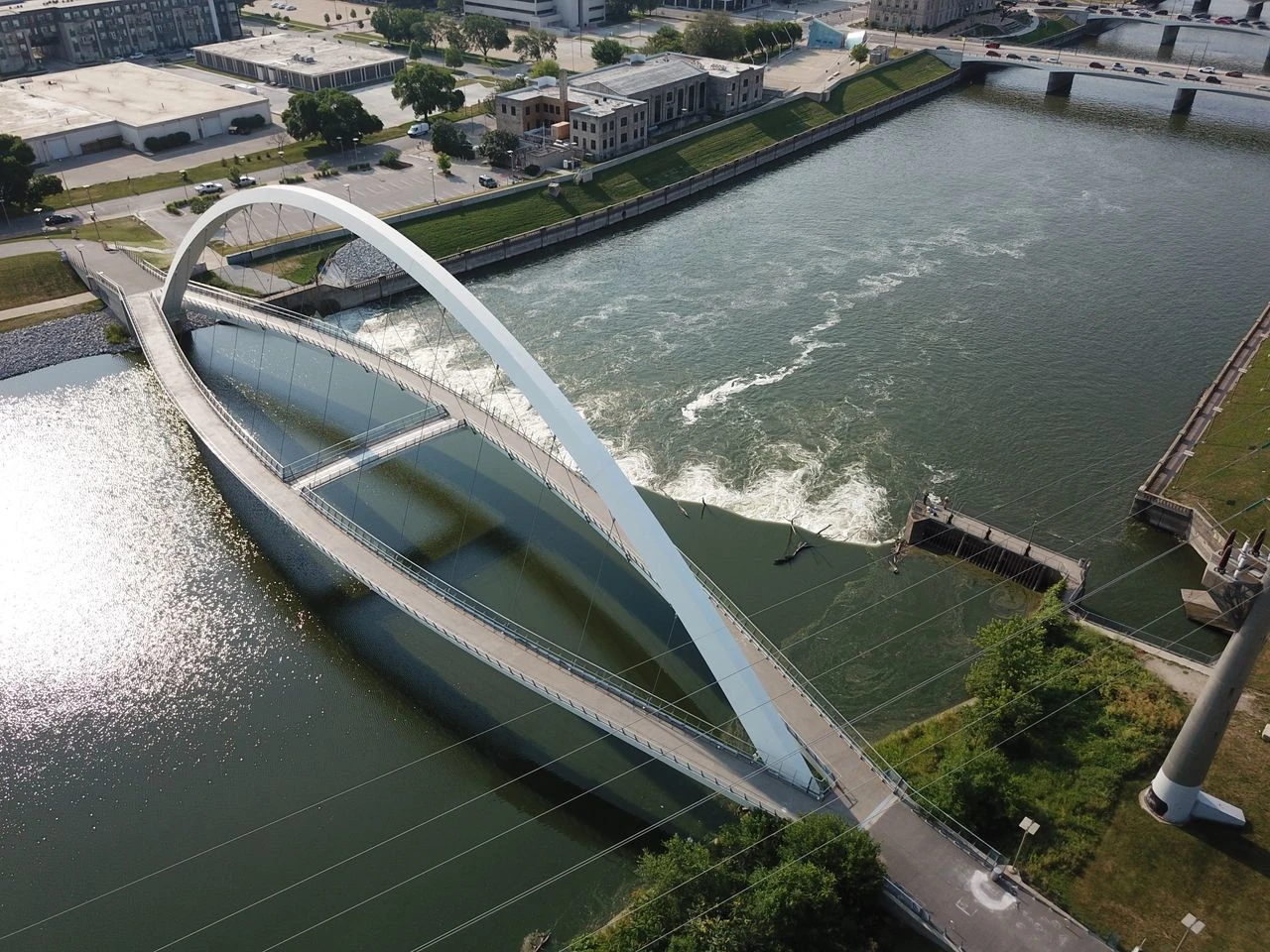
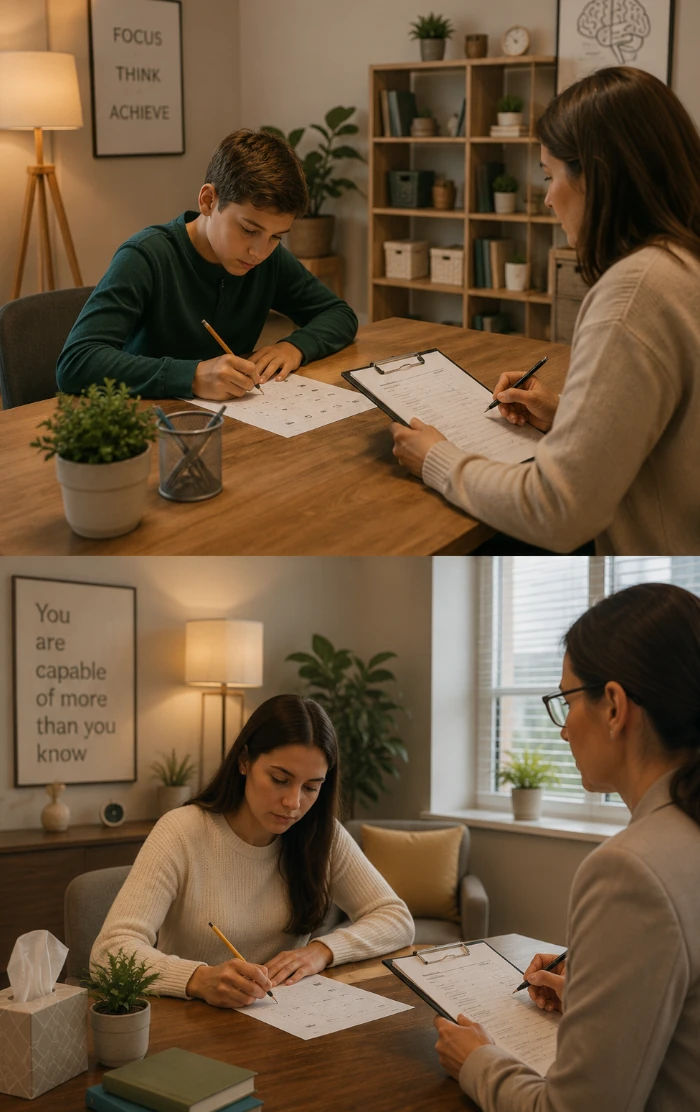
Professional IQ testing in Des Moines – whether you need an assessment for school, employment, gifted program eligibility, or personal insight, we connect you with licensed psychologists in the Des Moines area.
Last Updated: September 2026
Child IQ Testing
WISC-V & Stanford-Binet for ages 6–16. Gifted identification, learning profiles.
Adult IQ Testing
WAIS-IV & WAIS-5 available. Comprehensive adult cognitive assessments. Clinical & occupational.
WISC-V Test
Wechsler Intelligence Scale for Children® Fifth Edition – the gold standard for child IQ testing.
WAIS-IV & WAIS-5 Tests
Wechsler Adult Intelligence Scale® – Fourth Edition (WAIS-IV) and Fifth Edition (WAIS-5) available for adult IQ testing.
Gifted Testing
Identify giftedness for school placement, enrichment, and talent programs using WISC-V or Stanford-Binet.
Stanford-Binet 5
Stanford-Binet Intelligence Scales Fifth Edition – comprehensive cognitive assessment for all ages.
Mensa Testing
Mensa admission testing and preparation for the high-IQ society. Accepts WAIS-IV, WAIS-5, and Stanford-Binet 5 scores.
Full Evaluation
Combined assessment with detailed report and recommendations. Includes WISC-V, WAIS-IV, WAIS-5, or Stanford-Binet 5 as appropriate.
IQ Testing in Des Moines: city context
Gender, age and demographic statistics
Des Moines had an estimated 212,086 residents on July 1, 2025. U.S. Census Bureau 2020–2024 estimates report that 50.0% of residents are female, 23.2% are under age 18, and 12.7% are age 65 or older. The city is 64.1% White alone, 11.3% Black alone, 0.5% American Indian or Alaska Native alone, 6.6% Asian alone, and 11.0% reporting two or more races. 16.3% are Hispanic or Latino; race and Hispanic-origin categories are not mutually exclusive.
These figures describe community context, not intelligence. IQ scores must be interpreted individually in light of age, disability, health, education, language, culture, socioeconomic opportunity, testing conditions, and measurement error. Des Moines is multilingual and internationally connected: 21.9% of residents age five and older speak a language other than English at home, and 14.2% are foreign-born. Language history, literacy in every language, interpreter use, educational continuity, and culturally appropriate test selection may therefore be central to valid interpretation.
- Female residents: 50.0%.
- Children and teens: 23.2% are under 18.
- Older adults: 12.7% are 65 or older.
- Language context: 21.9% speak a language other than English at home.
- Educational context: 87.0% of adults age 25+ completed high school and 29.7% hold a bachelor’s degree or higher.
- Health-access context: 11.2% of residents under age 65 report a disability and 8.2% lack health insurance.
- Interpretation: No gender, racial, ethnic, immigration, language, neighborhood, or income group should be presumed to have a particular IQ profile.
What is professional IQ testing?
Intelligence quotient (IQ) testing is a standardized method to measure human cognitive abilities and intellectual potential. Professional IQ tests are administered by licensed psychologists in a controlled environment to ensure accuracy and reliability. Unlike online quizzes, clinical assessments provide a full-scale IQ score along with detailed breakdowns of verbal comprehension, perceptual reasoning, working memory, and processing speed.
In Des Moines, IQ testing is commonly used for gifted program admission, learning disability identification, career guidance, neuropsychological evaluation, and personal development. The results are presented in a comprehensive report that includes normative comparisons, strengths and weaknesses, and actionable recommendations.
Who should get tested?
IQ testing can benefit children, adolescents, and adults in various situations:
- Children: Parents often seek testing for school readiness, gifted placement, or to understand learning challenges.
- Adults: Many adults take IQ tests for career advancement, graduate school applications, or personal curiosity.
- Mensa candidates: High-IQ societies require official test scores for membership.
- Clinical referrals: Psychologists may recommend testing as part of a broader neuropsychological evaluation.
Types of IQ tests
We offer the most recognized and scientifically validated intelligence tests in the field:
- WISC-V (Wechsler Intelligence Scale for Children® – Fifth Edition): The gold standard for children aged 6:0–16:11. It provides a Full-Scale IQ and five primary index scores.
- WAIS-IV (Wechsler Adult Intelligence Scale® – Fourth Edition): The most widely used adult IQ test for ages 16–90. It measures cognitive functioning across four domains.
- Stanford-Binet Intelligence Scales – Fifth Edition: A comprehensive assessment for ages 2–85, often used for gifted identification and clinical evaluations.
- Gifted Testing: Often includes the WISC-V or Stanford-Binet, plus additional creativity and achievement measures.
- Mensa Testing: We provide official Mensa admission testing and preparation materials.
How the testing process works
- Initial consultation: Brief phone or video call to discuss your needs and match you with the right psychologist.
- Testing session: In-person or remote testing (depending on the test) with a licensed psychologist. Most sessions last 1–2 hours.
- Scoring and interpretation: The psychologist scores the test and interprets the results in the context of your background and goals.
- Feedback session: A detailed review of your results, including strengths, weaknesses, and practical recommendations.
- Comprehensive report: You receive a written report with all scores, normative comparisons, and actionable next steps.
How much does IQ testing cost in Des Moines?
The cost of IQ testing in Des Moines varies depending on the type of test, the psychologist's experience, and whether a comprehensive report is required. Typical fees range from $200 to $1,200 for a full assessment. Gifted testing and Mensa admission testing are often at the lower end, while neuropsychological evaluations may be higher.
Some insurance plans cover IQ testing when it's deemed medically necessary. We recommend checking with your provider for details. Ask each provider about self-pay rates, payment options, and any available financial-assistance policies.
A brief online IQ test can help Des Moines residents get acquainted with common question formats, but a qualified examiner should handle any assessment intended for school, work, or healthcare decisions.
Des Moines' Intellectual History & Legacy
Des Moines developed as Iowa’s capital, a river city, an insurance center, and a regional hub for government, agriculture, education, healthcare, finance, and transportation. Its intellectual legacy includes actuarial science, public policy, agricultural innovation, standardized educational measurement, medical training, journalism, arts, and civic planning.
- Insurance and actuarial science: The city’s global insurance sector depends on probability, statistics, risk modeling, regulation, finance, and data systems.
- Government and law: State agencies, courts, the legislature, and advocacy organizations support policy analysis, public administration, legal reasoning, and social research.
- Agriculture and bioscience: Central Iowa connects crop science, animal health, food systems, agricultural finance, engineering, and environmental research.
- Education: Drake University, Grand View University, DMACC, Mercy College, Des Moines University in the metro, and public schools support professional training and lifelong learning.
- Healthcare: UnityPoint, MercyOne, Broadlawns, VA, clinics, and research partners support medicine, nursing, psychology, neuroscience, rehabilitation, and public health.
- Culture and communication: The World Food Prize, Science Center of Iowa, Des Moines Art Center, libraries, media, festivals, and civic organizations broaden intellectual and creative life.
- Ethical testing: Modern psychology rejects ranking gender, racial, ethnic, language, neighborhood, or income groups by IQ. Valid assessment focuses on the individual and clearly states limitations.
Top Employers in Des Moines Requiring Cognitive Skills
Major employment systems include Iowa state government, Principal Financial Group, UnityPoint Health, MercyOne, Des Moines Public Schools, Broadlawns, Wells Fargo, EMC Insurance, Nationwide, Hy-Vee, logistics and manufacturing firms, and a large professional-services sector.
- Insurance and financial services: Principal Financial Group, EMC Insurance, Nationwide, Wells Fargo, banks, credit unions, fintech, actuarial, compliance, risk, and customer operations.
- Government and public administration: Iowa state government, City of Des Moines, Polk County, courts, policy, planning, public safety, and regulatory work.
- Healthcare and life sciences: UnityPoint, MercyOne, Broadlawns, VA, clinics, rehabilitation, pharmacy, public health, and medical education.
- Agriculture, bioscience, and food systems: Agricultural finance, crop and livestock science, food processing, commodities, seed and animal-health businesses, and the broader Cultivation Corridor.
- Advanced manufacturing and logistics: Engineering, automation, distribution, trucking, warehousing, aviation, construction, and quality systems supported by I-35/I-80 access.
- Education and research: Des Moines Public Schools, Drake, Grand View, DMACC, Mercy College, Des Moines University, libraries, and training organizations.
- Technology, data, and professional services: Software, cybersecurity, data analytics, marketing, legal services, consulting, and back-office operations.
- Hospitality, conventions, arts, and sports: Downtown venues, the Iowa Events Center, hotels, restaurants, festivals, museums, and professional sports operations.
Des Moines IQ Testing by City Area
Choose an evaluator based on referral purpose, age range, test, language, accessibility, and report requirements—not neighborhood stereotypes.
- Downtown and East Village: Government, legal, hospital, cultural, convention, and DART destinations; verify parking and event traffic.
- North and northwest: Broadlawns’ Hickman Road campus, Drake-area services, established neighborhoods, and access from I-235, MLK Jr. Parkway, University Avenue, and Euclid Avenue.
- West and southwest: Ingersoll/Grand, Gray’s Lake, Fleur Drive, airport access, medical and professional offices, and connections toward West Des Moines.
- South and southeast: Army Post Road, Southridge, Easter Lake, industrial corridors, schools, and access to Iowa 5 and the Southeast Connector.
- East and northeast: State Fairgrounds, East University, East 14th, logistics, residential areas, and I-235/I-80 access.
- Regional clients: Families from West Des Moines, Ankeny, Urbandale, Johnston, Altoona, Clive, Pleasant Hill, Norwalk, and rural central Iowa should confirm travel time and provider scope.
Des Moines Universities and Research Institutions
- Drake University: Undergraduate, law, pharmacy and health sciences, education, business, public administration, arts, and graduate programs.
- Grand View University: Undergraduate and graduate pathways in education, nursing, business, human services, and the liberal arts.
- DMACC Urban Campus: Associate degrees, certificates, adult education, workforce training, and transfer pathways within Des Moines.
- Mercy College of Health Sciences: Nursing and allied-health professional preparation.
- Des Moines University: Located in the metro, with medicine, podiatry, physical therapy, occupational therapy, public health, and biomedical training.
- Regional access: Iowa State University in Ames, the University of Iowa, and the University of Northern Iowa broaden research and graduate opportunities.
Des Moines Economic Context
- Median household income: $65,932 in 2020–2024 Census estimates.
- Per-capita income: $37,863.
- Residents in poverty: 15.0%.
- Bachelor’s degree or higher: 29.7% of adults age 25 and older.
- Mean travel time to work: 19.5 minutes, although interstate incidents, downtown events, construction, and winter weather can make cross-metro trips much longer.
- Health and social-assistance activity: Census business data report approximately $3.53 billion in 2022 receipts/revenue within the city.
- Transportation and warehousing: Approximately $1.82 billion in 2022 receipts/revenue reflects central-Iowa distribution, trucking, air cargo, and interstate access.
- Retail sales: Approximately $2.84 billion in 2022.
- Accommodation and food services: Approximately $731.6 million in 2022 sales.
- Regional strengths: State government, insurance and financial services, healthcare, education, agriculture and bioscience, advanced manufacturing, logistics, data and technology, professional services, conventions, and hospitality.
Economic and educational statistics provide community context only. They do not establish an individual’s intellectual ability, disability, motivation, creativity, judgment, or future potential.
Des Moines Public Schools Data
Des Moines Public Schools serves a large, diverse urban student population and offers advanced learning, specialized academic programs, career and technical education, arts, language programs, and college-credit opportunities. Enrollment, boundaries, identification procedures, and program availability can change by school year.
Des Moines Public Schools advanced learning
The district’s Advanced Learning Program emphasizes talent development, differentiated instruction, enrichment, and appropriate academic challenge. Central Academy provides advanced secondary coursework, while Central Campus offers career and technical programs, specialized electives, and college-credit opportunities. A private IQ score may inform planning, but it does not automatically create district identification, acceleration, an IEP, a 504 plan, or admission to a specific program.
- Elementary support: Building-based differentiation, enrichment, flexible grouping, and advanced-learning services depend on student need and current district programming.
- Central Academy: Advanced courses in mathematics, science, humanities, world languages, and related subjects use course-specific prerequisites and readiness evidence.
- Central Campus: Career academies, technical pathways, arts, health sciences, aviation, culinary, and concurrent-credit options supplement home-school programming.
- Special education: District evaluation teams determine disability eligibility under required procedures; families should not be required to purchase private IQ testing.
- Equity and language: Multiple evidence sources are important for multilingual, low-income, refugee, twice-exceptional, and historically underidentified students.
Local Testing Centers and Psychologists
- Broadlawns Outpatient Mental Health: 1801 Hickman Road, Des Moines, IA 50314; the official outpatient service page lists ADHD and IQ testing as well as evaluation for memory and other cognitive changes. Call (515) 282-2200 to confirm age range, referral requirements, test battery, psychologist availability, insurance, and report format.
- UnityPoint Health – Iowa Methodist and Blank Children’s: Hospital, pediatric-psychology, psychiatry, rehabilitation, and neuropsychology routes may be appropriate for medical, developmental, neurological, or complex diagnostic questions.
- MercyOne Des Moines Medical Center: Behavioral-health, medical, rehabilitation, and specialty referrals may support psychological or neuropsychological evaluation when clinically indicated.
- Des Moines VA Medical Center: Eligible veterans can ask about neuropsychology, mental health, rehabilitation, and cognitive-assessment referrals.
- Private psychologists and regional practices: Focused IQ, psychoeducational, ADHD, autism, disability, forensic, and career-assessment services vary. Confirm the exact evaluator, test edition, age range, language competence, report, and receiving-organization requirements.
Before scheduling, confirm the exact test, age range, evaluator license, language and disability accommodations, report contents, turnaround, fees, insurance status, and whether the receiving school, agency, employer, or Mensa accepts the documentation.
Des Moines Events and Conferences
Educational and professional events are hosted by Drake University, Grand View University, DMACC, Des Moines University, healthcare systems, the Science Center of Iowa, Des Moines Public Library, the World Food Prize, the Des Moines Art Center, the Iowa State Fair, professional associations, and community organizations. Topics may include healthcare, neuroscience, education, agriculture, insurance, finance, technology, entrepreneurship, arts, and gifted youth.
Schedules change. Verify dates, registration, age limits, accessibility, continuing-education credit, and whether an event is educational rather than a clinical service.
Transportation and Accessibility
- Major roads: I-235 crosses the urban core east–west; I-35 and I-80 form the principal north, west, and interstate connections. Other important corridors include US-69/East 14th Street, US-6/Hickman Road, Iowa 5, Martin Luther King Jr. Parkway, Fleur Drive, University Avenue, Euclid Avenue, Grand Avenue, and the Southeast Connector.
- Public transit: Des Moines Area Regional Transit Authority (DART) operates fixed-route buses throughout Des Moines and the metro, along with paratransit and other mobility services. Check current routes, detours, fares, eligibility, and evening or weekend frequency before scheduling.
- Intercity transportation: Intercity bus services use downtown and regional stops. Passenger rail is not currently a routine local option, so clients traveling from outside the metro should plan around driving, bus schedules, or air travel.
- Airport: Des Moines International Airport (DSM) serves the region with nonstop flights to numerous U.S. hubs and leisure destinations. The terminal is south of downtown near Fleur Drive and Army Post Road.
- Distance to other cities: About 35 miles to Ames, 115 miles to Iowa City, 130 miles to Cedar Rapids, 135 miles to Omaha, 195 miles to Kansas City, and roughly 245 miles to Minneapolis–Saint Paul; actual travel time varies with weather, traffic, and construction.
- Walkability: Downtown, the East Village, Sherman Hill, the Drake/University Avenue area, and portions of Ingersoll and Grand avenues have the strongest concentrations of walkable destinations. Many outer neighborhoods and suburban corridors remain car-dependent.
- Bike infrastructure: Des Moines reports approximately 68 miles of paved multi-use trails and 19 miles of soft-surface trails. Important connections include the Principal Riverwalk, Neal Smith Trail, Gray’s Lake and Kruidenier Trail, Bill Riley Trail, Walnut Creek Trail, and links to the Great Western and regional trail network.
- Accessibility: Confirm accessible parking, building entrances, elevator availability, DART paratransit procedures, sensory needs, and winter snow or ice conditions before testing.
- Testing-day planning: Allow extra time for downtown events, Iowa State Fair traffic, school dismissal, interstate construction, snow, thunderstorms, and multi-hour testing sessions.
Des Moines Weather and Seasonal Considerations
- Winter: Snow, ice, wind, and dangerous cold can affect driving, sidewalks, DART service, school schedules, and concentration.
- Spring: Thunderstorms, flooding, rapid temperature changes, and severe-weather warnings can disrupt appointments.
- Summer: Heat, humidity, storms, allergies, and event traffic may affect sleep, stamina, and travel.
- Autumn: Generally comfortable conditions can change with early freezes, storms, harvest traffic, or construction.
- Testing preparation: Check weather and road conditions, allow extra travel time, and reschedule when illness, sleep loss, or acute weather stress would invalidate results.
Areas we serve
We support all areas of Des Moines.
Frequently Asked Questions
WISC-V is for children aged 6–16, while WAIS-IV is for adults aged 16–90. Each is normed for its specific age group.
Most IQ tests take between 60 and 90 minutes, plus a feedback session. Allow 2–3 hours total.
Referral requirements vary. Some private evaluations accept self-referral, while insurance, hospital, school, or neuropsychological services may require an order or authorization.
Some professionally administered scores may be submitted as prior evidence, but acceptance is determined solely by American Mensa under its current rules.
Some plans cover cognitive assessments when there is a clinical indication. Check with your provider.
Get a good night's sleep, eat a healthy meal, and arrive relaxed. No specific preparation is needed.
You'll receive a comprehensive report with your scores and tailored recommendations.
Interviews and feedback may be available remotely, but many standardized cognitive tests require controlled administration and may need an in-person appointment. Confirm the administration format with the selected psychologist before scheduling.