
Adult IQ Testing in Des Moines
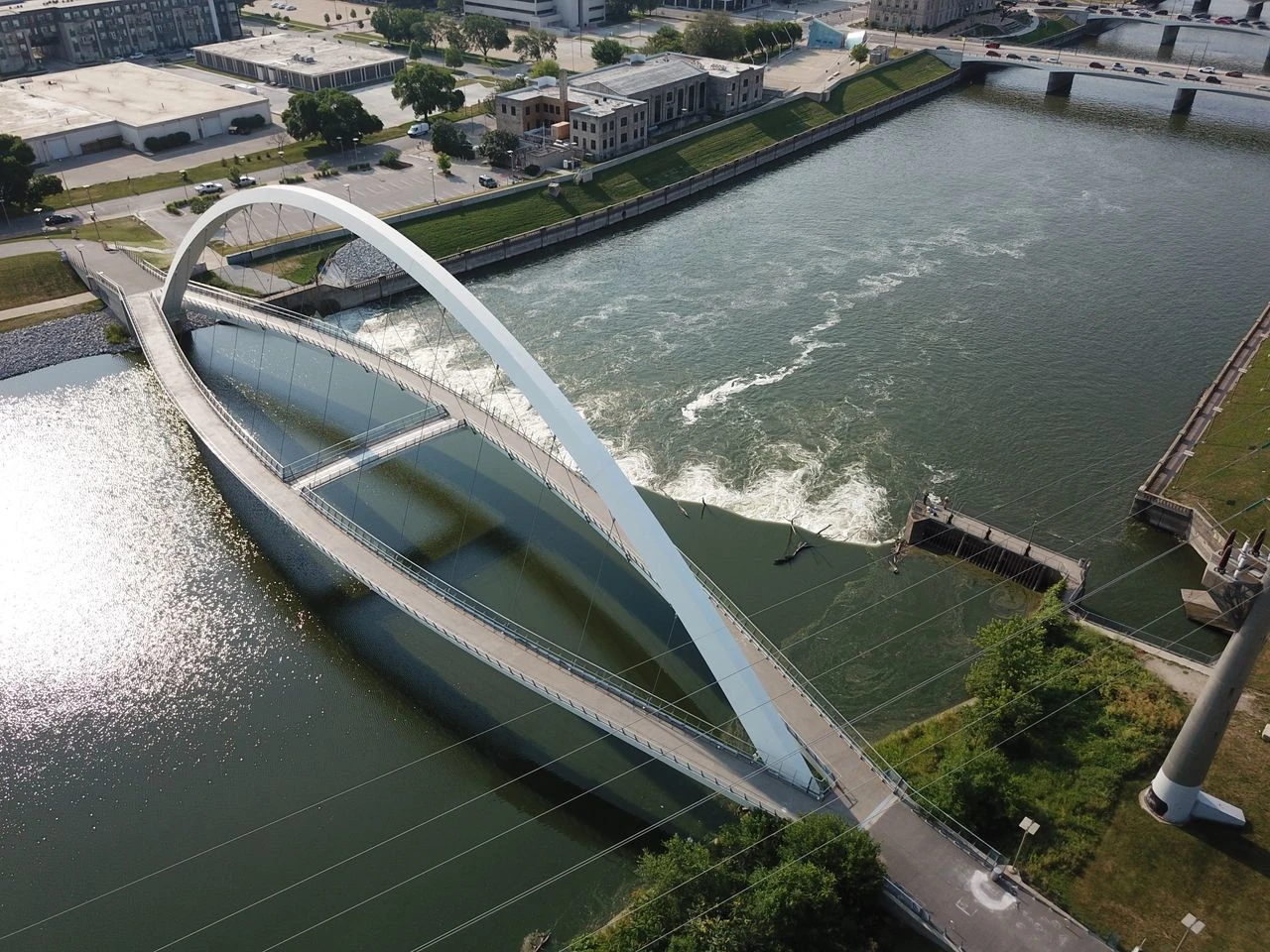

Professional adult IQ testing in Des Moines – whether you need an assessment for career advancement, graduate school applications, Mensa admission, or personal insight, we connect you with licensed psychologists in the Des Moines area.
Last Updated: September 2026
WAIS-IV & WAIS-5 Tests
Wechsler Adult Intelligence Scale® – Fourth Edition (WAIS-IV) and Fifth Edition (WAIS-5) available for adult IQ testing.
Mensa Testing
Official Mensa admission testing and preparation for the high-IQ society. Accepts WAIS-IV, WAIS-5, and Stanford-Binet 5 scores.
Career Guidance
Use IQ testing to identify career paths that align with your cognitive strengths.
Graduate School Preparation Testing
IQ testing for graduate program applications and academic planning using WAIS-IV or WAIS-5.
Full Evaluation
Comprehensive assessment with detailed report and actionable recommendations. Includes WAIS-IV or WAIS-5.
Schedule Adult IQ Testing
Book your WAIS-IV & WAIS-5 - a comprehensive adult cognitive assessments with a licensed psychologist in Des Moines today.
Des Moines Adult Testing Logistics and Validity
Confirm referral purpose, adult age range, accepted instrument, evaluator credential, accessibility, language needs, report format, and deadline. Broadlawns officially lists ADHD and IQ testing; adult callers should verify age range, exact test, referral requirements, and report scope or use UnityPoint, MercyOne, VA, or an adult-qualified private psychologist.
Adult IQ Testing in Des Moines: city context
IQ by gender & ethnicity (adult population)
Des Moines had an estimated 212,086 residents on July 1, 2025. U.S. Census Bureau 2020–2024 estimates report that 50.0% of residents are female, 23.2% are under age 18, and 12.7% are age 65 or older. The city is 64.1% White alone, 11.3% Black alone, 0.5% American Indian or Alaska Native alone, 6.6% Asian alone, and 11.0% reporting two or more races. 16.3% are Hispanic or Latino; race and Hispanic-origin categories are not mutually exclusive.
These figures describe community context, not intelligence. IQ scores must be interpreted individually in light of age, disability, health, education, language, culture, socioeconomic opportunity, testing conditions, and measurement error. Des Moines is multilingual and internationally connected: 21.9% of residents age five and older speak a language other than English at home, and 14.2% are foreign-born. Language history, literacy in every language, interpreter use, educational continuity, and culturally appropriate test selection may therefore be central to valid interpretation.
- Female residents: 50.0%.
- Children and teens: 23.2% are under 18.
- Older adults: 12.7% are 65 or older.
- Language context: 21.9% speak a language other than English at home.
- Educational context: 87.0% of adults age 25+ completed high school and 29.7% hold a bachelor’s degree or higher.
- Health-access context: 11.2% of residents under age 65 report a disability and 8.2% lack health insurance.
- Interpretation: No gender, racial, ethnic, immigration, language, neighborhood, or income group should be presumed to have a particular IQ profile.
What is adult IQ testing?
Adult IQ testing is a standardized method to measure cognitive abilities and intellectual potential in individuals aged 16 and older. Professional IQ tests are administered by licensed psychologists in a controlled environment to ensure accuracy and reliability. Unlike online quizzes, clinical assessments provide a full-scale IQ score along with detailed breakdowns of verbal comprehension, perceptual reasoning, working memory, and processing speed.
In Des Moines, adult IQ testing is commonly used for:
- Career guidance: Identifying cognitive strengths to inform career decisions and professional development.
- Graduate school applications: Some programs require cognitive assessments for admission or scholarship consideration.
- Mensa admission: High-IQ societies require official test scores for membership.
- Neuropsychological evaluation: Assessing cognitive function following injury, illness, or as part of a clinical evaluation.
- Personal insight: Understanding your cognitive profile for personal growth and self-awareness.
Who should get adult IQ testing?
Adult IQ testing is beneficial for a wide range of individuals in various situations:
- Career changers: Adults exploring new career paths who want to understand their cognitive strengths and how they align with different professions.
- Graduate school applicants: Individuals applying to graduate programs that require or recommend cognitive assessments.
- Mensa candidates: Those seeking admission to Mensa or other high-IQ societies.
- Executive coaching clients: Professionals working with coaches to maximize their leadership potential.
- Individuals with ADHD or learning disabilities: Adults who suspect they may have an undiagnosed condition that affects their cognitive performance.
- Curious individuals: Anyone who wants to better understand their intellectual strengths and weaknesses.
The WAIS-IV and WAIS-5: gold standard tests for adults
The WAIS-IV (Wechsler Adult Intelligence Scale® – Fourth Edition) and the newer WAIS-5 (Fifth Edition) are the most widely used IQ tests for adults aged 16–90. They provide a Full-Scale IQ (FSIQ) and multiple index scores:
- Verbal Comprehension Index (VCI): Measures verbal reasoning, vocabulary, and knowledge.
- Perceptual Reasoning Index (PRI) / Visual Spatial & Fluid Reasoning: Assesses non-verbal reasoning, visual-spatial processing, and problem-solving.
- Working Memory Index (WMI): Measures attention, concentration, and the ability to hold and manipulate information in memory.
- Processing Speed Index (PSI): Assesses the speed of processing visual information and performing mental tasks.
Both tests are normed on large, representative samples of U.S. adults and are updated regularly to ensure accuracy. The test takes approximately 60–90 minutes to administer and is conducted one-on-one by a trained psychologist.
The adult IQ testing process: step by step
Understanding the testing process can help reduce anxiety and prepare you for a successful assessment:
- Initial consultation (15–20 minutes): A brief phone or video call with the psychologist to discuss your goals, concerns, and background. This helps determine the right test and approach.
- Testing session (60–90 minutes): You meet one-on-one with a licensed psychologist in a quiet, comfortable room. The psychologist administers the WAIS-IV or WAIS-5, which includes a series of subtests measuring various cognitive domains. Breaks are offered as needed.
- Scoring and interpretation (1–2 days): The psychologist scores the test and analyzes the results. They consider your age, background, and any relevant medical or educational history.
- Feedback session (45–60 minutes): The psychologist meets with you to explain the results. They discuss your Full-Scale IQ, index scores, strengths, and areas for growth. They also provide tailored recommendations for career, education, or personal development.
- Comprehensive written report (5–7 days): You receive a detailed report with all scores, normative comparisons, and actionable next steps. This report can be shared with employers, schools, or other professionals.
The entire process from consultation to report usually takes 1–2 weeks, depending on scheduling. The testing itself is non-invasive and designed to be engaging for adults.
IQ testing for career guidance
One of the most common reasons adults pursue IQ testing is to gain clarity about their career path. Your cognitive profile can reveal strengths that you may not have fully leveraged in your professional life.
For example:
- High verbal comprehension: May indicate strength in roles involving communication, writing, teaching, or law.
- High perceptual reasoning: May indicate strength in roles involving design, engineering, architecture, or technology.
- High working memory: May indicate strength in roles requiring complex problem-solving, programming, or data analysis.
- High processing speed: May indicate strength in roles requiring rapid decision-making, clerical work, or emergency response.
Understanding your cognitive strengths can help you make informed decisions about career changes, promotions, or additional education.
Mensa testing for adults
Mensa is the largest and oldest high-IQ society in the world, with members in over 100 countries. To qualify for Mensa, individuals must score at or above the 98th percentile on a standardized IQ test, which typically corresponds to an IQ of 130 or above.
Des Moines residents are generally served by Central Iowa Mensa, which serves central Iowa and offers changing regional social, intellectual, family, scholarship, and gifted-youth activities.
We offer official Mensa admission testing and preparation materials. Our psychologists are experienced in administering the tests required for Mensa membership and can help you navigate the application process.
Neuropsychological assessment for adults
In some cases, adult IQ testing is part of a broader neuropsychological evaluation. This may be recommended if you have experienced:
- A traumatic brain injury (TBI)
- A stroke or other neurological event
- Memory concerns or cognitive decline
- ADHD or other attention-related difficulties
- A learning disability that was not identified in childhood
Our licensed psychologists are trained to distinguish between normal cognitive variation and conditions that may require intervention. A comprehensive evaluation can provide clarity and guide treatment recommendations.
How much does adult IQ testing cost in Des Moines?
Fees depend on whether the referral is a focused WAIS assessment, ADHD or learning evaluation, disability documentation, forensic evaluation, or neuropsychological battery.
- Focused IQ testing: Ask whether intake, administration, scoring, feedback, and a written report are included.
- Comprehensive evaluation: Higher fees reflect records, multiple tests, validity analysis, diagnosis, and detailed recommendations.
- Insurance: Medical necessity, authorization, network status, deductibles, and exclusions determine coverage.
- Broadlawns: Its official page lists IQ testing; call (515) 282-2200 to verify adult availability, exact test, referral, and report.
- Alternatives: UnityPoint, MercyOne, VA, and adult-qualified private psychologists may address neuropsychological, disability, or complex referrals.
Des Moines Adult Education and Degree Attainment
Census estimates report that 87.0% of adults age 25 and older completed high school and 29.7% hold a bachelor’s degree or higher. These figures reflect access, migration, and opportunity—not innate ability.
- Universities: Drake and Grand View provide undergraduate and graduate study; Des Moines University serves the metro with health-professions education.
- Technical education: DMACC Urban Campus offers degrees, certificates, adult basic education, English-language learning, and workforce training.
- Health education: Mercy College of Health Sciences supports nursing and allied-health pathways.
- Interpretation: Rural, international, interrupted, multilingual, and nontraditional education histories must be considered when interpreting results.
Des Moines Neuropsychological Services
- UnityPoint Health: Hospital and specialty routes for brain injury, stroke, dementia, neurological disease, rehabilitation, and complex cognitive questions.
- MercyOne: Behavioral-health, neurological, rehabilitation, and specialty referrals depending on medical need.
- Des Moines VA: Cognitive, neurological, rehabilitation, and mental-health referrals for eligible veterans.
- Broadlawns: Lists IQ and cognitive-related testing; verify whether the adult referral requires focused IQ testing or a broader specialist evaluation.
- Private psychologists: Adult ADHD, learning, disability, forensic, and neuropsychological scopes vary.
Des Moines Mensa Adult Members
Des Moines is served by Central Iowa Mensa, American Mensa local group 500 in the Heartland Region. A reliable Des Moines-only membership count is not publicly established.
- Qualification: Accepted performance at or above the 98th percentile under current American Mensa rules.
- Testing: Session availability changes; verify current local or private-testing options.
- Prior evidence: Confirm accepted editions, qualifying scores, original records, and submission procedures before ordering testing.
- Purpose: Mensa qualification is a membership decision, not a diagnosis, accommodation, or career recommendation.
Des Moines Adult ADHD Assessment
A valid adult ADHD evaluation considers childhood onset, symptoms across settings, functional impairment, sleep, mood, trauma, substance use, medical conditions, executive functioning, records, and performance validity. IQ scores alone do not diagnose ADHD.
- Broadlawns: The outpatient service page explicitly lists ADHD and IQ testing; call to verify adult scope and referral requirements.
- Other routes: UnityPoint, MercyOne, VA, and licensed private psychologists offer different diagnostic and testing scopes.
- Documentation: Obtain current requirements from colleges, licensing boards, testing agencies, or employers before scheduling.
- Context: Shift work, caregiving, medication, sleep, severe weather, and commute stress can affect performance.
Des Moines Graduate School Preparation
Local and regional options include Drake University, Grand View University, Des Moines University, Iowa State University, University of Northern Iowa, and the University of Iowa. Most graduate programs do not require IQ testing.
- Program fit: Compare accreditation, faculty, research, practicum sites, funding, completion, licensure outcomes, and career placement.
- Disability documentation: Obtain the school’s current standards; a brief IQ report may be insufficient.
- Research preparation: Statistics, methods, technical writing, laboratory, healthcare, education, business, or community experience often matter more than a general score.
- Travel: Regional programs may require I-35/I-80 and I-35 travel; consider winter weather, clinical placements, and schedule reliability.
Areas we serve
We support all areas of Des Moines.
Frequently Asked Questions
WAIS-5 is the newest version, released in late 2024. It offers updated norms, a five-factor model, and additional ancillary indices. We offer both WAIS-IV and WAIS-5 depending on your needs and the psychologist's recommendation.
The WAIS-IV or WAIS-5 takes 60–90 minutes to administer. With the consultation, feedback, and report, the entire process is about 1–2 weeks.
No, you can book directly with our psychologists. We serve both self-referred and professionally referred adults.
Some professionally administered scores may be submitted as prior evidence, but acceptance is determined solely by American Mensa under its current rules. Both WAIS-IV and WAIS-5 scores are accepted.
Some plans cover cognitive assessments when there is a clinical indication. Check with your provider.
Get a good night's sleep, eat a healthy meal, and arrive relaxed. No specific preparation is needed.
You'll receive a comprehensive report with your scores and tailored recommendations for career, education, or personal development.
Interviews and feedback may be available remotely, but many standardized cognitive tests require controlled administration and may need an in-person appointment. Confirm the administration format with the selected psychologist before scheduling.
Absolutely. Understanding your cognitive strengths can help you identify career paths that align with your natural abilities.
While IQ is relatively stable, some cognitive abilities (like processing speed) may decline with age, while others (like verbal comprehension) may improve. Testing provides a snapshot of your current cognitive functioning.