
IQ Testing in Wichita
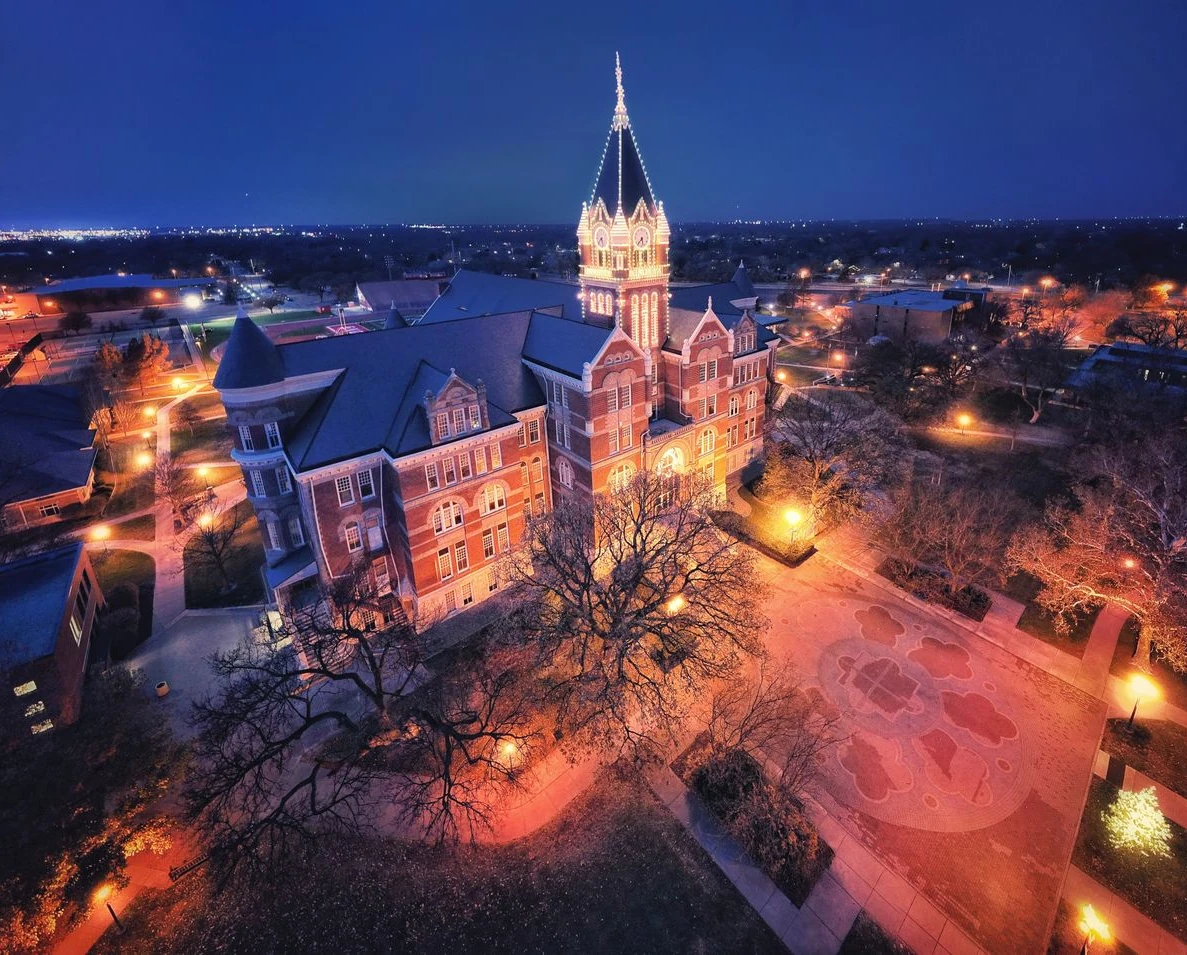
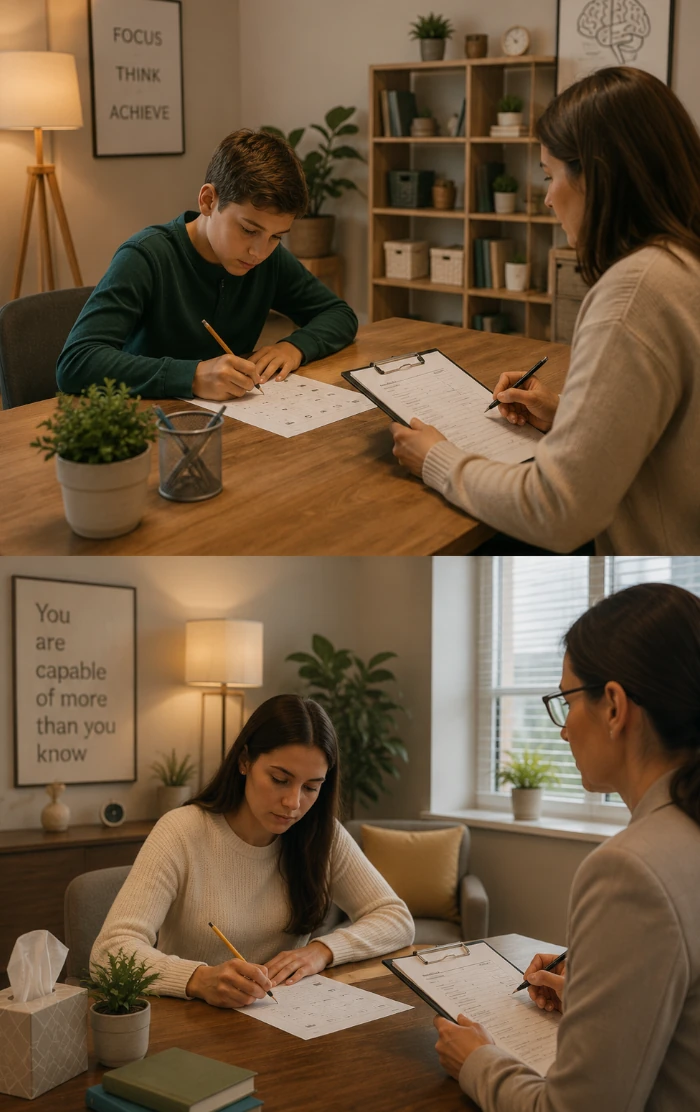
Professional IQ testing in Wichita – whether you need an assessment for school, employment, gifted program eligibility, or personal insight, we connect you with licensed psychologists in the Wichita area.
Last Updated: September 2026
Child IQ Testing
WISC-V & Stanford-Binet for ages 6–16. Gifted identification, learning profiles.
Adult IQ Testing
WAIS-IV & WAIS-5 available. Comprehensive adult cognitive assessments. Clinical & occupational.
WISC-V Test
Wechsler Intelligence Scale for Children® Fifth Edition – the gold standard for child IQ testing.
WAIS-IV & WAIS-5 Tests
Wechsler Adult Intelligence Scale® – Fourth Edition (WAIS-IV) and Fifth Edition (WAIS-5) available for adult IQ testing.
Gifted Testing
Identify giftedness for school placement, enrichment, and talent programs using WISC-V or Stanford-Binet.
Stanford-Binet 5
Stanford-Binet Intelligence Scales Fifth Edition – comprehensive cognitive assessment for all ages.
Mensa Testing
Mensa admission testing and preparation for the high-IQ society. Accepts WAIS-IV, WAIS-5, and Stanford-Binet 5 scores.
Full Evaluation
Combined assessment with detailed report and recommendations. Includes WISC-V, WAIS-IV, WAIS-5, or Stanford-Binet 5 as appropriate.
IQ Testing in Wichita: city context
Wichita is Kansas’s largest city and the core of a regional economy shaped by aerospace, advanced manufacturing, healthcare, education, energy, agriculture, logistics and professional services. Professional IQ testing serves children, adolescents and adults seeking gifted identification, school planning, accommodations, diagnostic clarification, career guidance, graduate preparation, Mensa evidence or personal understanding.
Gender, age and demographic statistics
- Population: The U.S. Census Bureau estimates 400,987 Wichita residents as of July 1, 2025.
- Population change: The 2025 estimate is 0.9% above the April 2020 estimates base.
- Land area: Wichita covers 161.99 square miles.
- Population density: The 2020 Census reported approximately 2,454 residents per square mile.
- Children: Residents under age 18 account for 24.1%, supporting substantial demand for child, gifted, learning and school-placement evaluations.
- Young children: Children under age five account for 6.1% of the population.
- Older adults: Residents age 65 and older account for 15.7%, creating referral needs involving memory, neurological conditions and cognitive change.
- Gender: Female residents account for 50.3%; responsible interpretation uses age-based norms and does not assume that gender determines intelligence.
- Hispanic or Latino residents: 19.0% of residents identify as Hispanic or Latino.
- Black residents: 9.5% identify as Black alone.
- Asian residents: 5.0% identify as Asian alone.
- Two or more races: 14.3% identify with two or more races.
- Foreign-born residents: 10.3% are foreign born.
- Language: 18.4% of residents age five and older speak a language other than English at home, so language history and interpreter planning can be essential.
- Veterans: Census estimates report 19,511 veterans, relevant to referrals involving service-related injuries, disability documentation and career transitions.
- Interpretation safeguard: City demographic percentages do not establish separate local IQ averages for women, men, racial groups, language groups or neighborhoods.
What is professional IQ testing?
Intelligence quotient (IQ) testing is a standardized method to measure human cognitive abilities and intellectual potential. Professional IQ tests are administered by licensed psychologists in a controlled environment to ensure accuracy and reliability. Unlike online quizzes, clinical assessments provide a full-scale IQ score along with detailed breakdowns of verbal comprehension, perceptual reasoning, working memory, and processing speed.
In Wichita, IQ testing is commonly used for gifted program admission, learning disability identification, career guidance, neuropsychological evaluation, and personal development. The results are presented in a comprehensive report that includes normative comparisons, strengths and weaknesses, and actionable recommendations.
Who should get tested?
IQ testing can benefit children, adolescents, and adults in various situations:
- Children: Parents often seek testing for school readiness, gifted placement, or to understand learning challenges.
- Adults: Many adults take IQ tests for career advancement, graduate school applications, or personal curiosity.
- Mensa candidates: High-IQ societies require official test scores for membership.
- Clinical referrals: Psychologists may recommend testing as part of a broader neuropsychological evaluation.
Types of IQ tests
We offer the most recognized and scientifically validated intelligence tests in the field:
An online IQ test offers Wichita residents a convenient way to explore reasoning questions, whereas school placement, accommodations, or clinical decisions require professionally administered testing.
- WISC-V (Wechsler Intelligence Scale for Children® – Fifth Edition): The gold standard for children aged 6:0–16:11. It provides a Full-Scale IQ and five primary index scores.
- WAIS-IV (Wechsler Adult Intelligence Scale® – Fourth Edition): The most widely used adult IQ test for ages 16–90. It measures cognitive functioning across four domains.
- Stanford-Binet Intelligence Scales – Fifth Edition: A comprehensive assessment for ages 2–85, often used for gifted identification and clinical evaluations.
- Gifted Testing: Often includes the WISC-V or Stanford-Binet, plus additional creativity and achievement measures.
- Mensa Testing: We provide official Mensa admission testing and preparation materials.
How the testing process works
- Initial consultation: Brief phone or video call to discuss your needs and match you with the right psychologist.
- Testing session: In-person or remote testing (depending on the test) with a licensed psychologist. Most sessions last 1–2 hours.
- Scoring and interpretation: The psychologist scores the test and interprets the results in the context of your background and goals.
- Feedback session: A detailed review of your results, including strengths, weaknesses, and practical recommendations.
- Comprehensive report: You receive a written report with all scores, normative comparisons, and actionable next steps.
How much does IQ testing cost in Wichita?
The cost of IQ testing in Wichita varies depending on the type of test, the psychologist's experience, and whether a comprehensive report is required. Typical fees range from $200 to $1,200 for a full assessment. Gifted testing and Mensa admission testing are often at the lower end, while neuropsychological evaluations may be higher.
Some insurance plans cover IQ testing when it's deemed medically necessary. We recommend checking with your provider for details. We also offer affordable payment plans and sliding-scale options for qualifying individuals.
Wichita's Intellectual History & Legacy
- Air Capital legacy: Wichita’s aviation history developed around aircraft design, manufacturing, flight testing and skilled technical labor.
- Wichita State University: WSU is Kansas’s urban public research university, with 18,458 main-campus students in fall 2025 and 25,147 combined with WSU Tech.
- National Institute for Aviation Research: NIAR provides research, design, testing, certification and training in aerospace, defense and advanced manufacturing.
- Research standing: Wichita State reported $392 million in research expenditures in the latest NSF survey and ranked first in aerospace-engineering R&D.
- Applied learning: WSU integrates internships, paid applied learning and industry partnerships into academic preparation.
- Public education: Wichita Public Schools is Kansas’s largest district and reports 117 home languages and 626 students receiving gifted services.
- Healthcare education: Wichita’s hospitals, medical training programs and VA services support assessment, rehabilitation and behavioral-health expertise.
- Community culture: Exploration Place, the Wichita Art Museum, Botanica, the Museum of World Treasures and public libraries support science, creativity and lifelong learning.
Top Employers in Wichita Requiring Cognitive Skills
- Spirit AeroSystems: Aircraft structures, engineering, quality, manufacturing and program-management roles.
- Textron Aviation: Cessna and Beechcraft design, production, certification, maintenance and business operations.
- Ascension Via Christi: Clinical, administrative, technical and health-information roles.
- Wichita Public Schools: Teaching, special education, gifted services, psychology, counseling and district operations.
- McConnell Air Force Base: Military aviation, logistics, cybersecurity, maintenance and support functions.
- Koch: Engineering, analytics, information technology, finance, operations and global business services.
- Wichita State University and NIAR: Research, teaching, aerospace testing, digital engineering and applied learning.
- Wesley Healthcare: Acute care, pediatric, neurological, rehabilitation and administrative roles.
- City of Wichita and Sedgwick County: Public administration, public safety, planning, engineering and social services.
- Cargill: Food production, supply chain, quality, finance and agribusiness.
- Bombardier, Airbus and aviation suppliers: Engineering, flight test, manufacturing, maintenance and certification.
- Johnson Controls: Manufacturing, engineering, operations and technical-service roles.
Wichita IQ Testing by Neighborhood
- Downtown and Delano: Central access to offices, transit, libraries, museums and convention activity.
- Riverside and Midtown: Established neighborhoods near parks, medical services and central corridors.
- College Hill and Crown Heights: Residential areas with access to east-central schools and healthcare.
- East Wichita: Rock Road, Webb Road, Bradley Fair and Greenwich corridors offer regional access and lodging.
- West Wichita: Maize Road, NewMarket Square and airport-area corridors serve growing residential areas.
- North Wichita: Park City, Bel Aire and Valley Center families may use north-side routes and K-96.
- South Wichita: Residents near Pawnee, South Broadway, Haysville and Derby should plan around commute and school schedules.
- Neighborhood interpretation: Location affects travel, school boundaries and access; it does not establish a neighborhood IQ level.
Wichita Universities and Research Institutions
- Wichita State University: Offers 62 bachelor’s degrees, 55 master’s degrees, 14 doctoral degrees and extensive applied research.
- WSU Tech: Reported 6,689 students in fall 2025 and provides technical, aviation, manufacturing, healthcare and transfer pathways.
- Friends University: Offers undergraduate, graduate and adult-learning programs.
- Newman University: Provides liberal-arts, professional, education, health-science and graduate programs.
- University of Kansas School of Medicine–Wichita: Supports medical education, residency training and health research.
- National Institute for Aviation Research: Operates large-scale aerospace and manufacturing research facilities across Wichita.
- Innovation Campus: Connects WSU students and researchers with industry partners and applied-learning opportunities.
Wichita Economic Context
- Median household income: $64,620 in 2020–2024 Census estimates.
- Per-capita income: $36,960.
- Residents in poverty: 15.9%.
- Bachelor’s degree or higher: 31.1% of adults age 25 and older.
- High-school graduate or higher: 88.0% of adults age 25 and older.
- Mean travel time to work: 18.4 minutes, although cross-city, construction and shift-change trips can take longer.
- Labor-force participation: 65.2% of residents age 16 and older; female participation is 60.9%.
- Healthcare and social assistance: Approximately $5.03 billion in 2022 receipts/revenue.
- Transportation and warehousing: Approximately $1.90 billion in 2022 receipts/revenue.
- Retail sales: Approximately $8.74 billion in 2022.
- Accommodation and food services: Approximately $1.45 billion in 2022 sales.
- Regional strengths: Aerospace, advanced manufacturing, healthcare, education, energy, agriculture, food production, logistics, defense and professional services.
- Workforce relevance: IQ and broader cognitive testing may support career clarification, disability documentation or return-to-work planning, but scores should never be used as a stand-alone hiring decision.
Wichita School District Data
- Wichita Public Schools: Kansas’s largest district, educating approximately 10% of the state’s public-school students.
- Gifted services: The district reports 626 students receiving gifted education services.
- Service locations: Daily gifted services are available at 11 elementary schools, two K–8 schools, seven middle schools and eight high schools.
- Multilingual context: District families report 117 home languages from 107 countries.
- Acceleration: District policy allows grades 1–12 students to be considered using performance, intelligence and achievement testing, recommendations, consent and developmental factors.
- Special education: A private IQ score does not independently establish eligibility; teams use multiple sources of academic, functional and developmental information.
- Neighboring districts: Maize, Derby, Haysville, Goddard, Andover, Valley Center and Circle have separate procedures and should be contacted directly.
Local Testing Centers and Psychologists
- Licensed psychologists: Private practitioners may offer IQ, psychoeducational, ADHD, autism, learning, capacity and neuropsychological assessment.
- Robert J. Dole VA Medical Center: Its behavioral-health program lists neuropsychological and psychological testing for eligible veterans.
- Wesley Medical Center and Wesley Children’s Hospital: Hospital-based referrals may address pediatric, neurological or medically complex concerns.
- Ascension Via Christi: Medical and behavioral-health services can support referral coordination when cognitive concerns involve health conditions.
- COMCARE of Sedgwick County: Provides community mental-health assessment and treatment, though comprehensive IQ testing should be confirmed directly.
- University clinics and training settings: Availability, age range, supervision and wait times can change by semester.
- Verification questions: Ask about examiner licensure, test edition, report purpose, school acceptance, insurance, accessibility and turnaround time.
Wichita Events and Conferences
- Wichita State events: Research symposia, engineering showcases, lectures and graduate activities can affect campus traffic.
- Century II: Conventions, performances and civic events can affect downtown parking.
- INTRUST Bank Arena: Concerts and sports events may increase evening congestion.
- Riverfest: Downtown festival activity can change road access and parking.
- Exploration Place and museums: STEM and cultural programs support enrichment for children and adults.
- School calendars: Testing demand often rises before gifted deadlines, private-school admissions and accommodation renewals.
Transportation and Accessibility
- Major roads: I-35/Kansas Turnpike, I-135, U.S. 54/400 (Kellogg Avenue), K-96, K-254, U.S. 81 and major arterials including Douglas, Central, 21st, Rock, Webb, Maize and Meridian.
- Public transit: Wichita Transit operates fixed-route buses connecting downtown with employment, shopping, school and healthcare corridors.
- Q-Line: The free circulator serves downtown and Douglas Avenue, with service patterns that can extend toward College Hill and special events.
- Paratransit: Wichita Transit provides ADA paratransit for eligible riders; advance eligibility and scheduling requirements apply.
- Airport: Wichita Dwight D. Eisenhower National Airport (ICT) serves the region with six airlines and 14 nonstop destinations listed by the airport.
- General aviation: Colonel James Jabara Airport and regional aviation facilities support business and training activity.
- Intercity rail: Wichita does not currently have regular Amtrak passenger service; Newton station is the nearest Southwest Chief stop, roughly 30 miles north.
- Distance to other cities: Approximately 25–35 minutes to Derby or Andover, 45 minutes to Newton, 50 minutes to Hutchinson, 1.5 hours to Salina, 2.5 hours to Oklahoma City and about 3 hours to Kansas City, depending on route and traffic.
- Walkability: Downtown, Old Town, Delano, Douglas Design District and portions of College Hill offer the strongest concentration of walkable destinations.
- Bike infrastructure: The city reports more than 100 miles of bike lanes and trails, including the Arkansas River Path, Redbud Trail and Prairie Sunset Trail connections.
- Parking: Downtown, hospital and university appointments may require garage or surface-lot planning.
- Accessibility: Confirm step-free entry, accessible parking, elevator access, sensory accommodations and testing-room needs before the appointment.
Wichita Weather and Seasonal Considerations
- Summer heat: High temperatures can increase fatigue and dehydration; morning appointments may improve comfort.
- Severe thunderstorms: Spring and summer storms can bring lightning, hail, high winds and flash flooding.
- Tornado risk: Families should monitor watches, warnings and provider closure policies during severe-weather season.
- Winter weather: Snow, ice and wind can affect bridges, parking lots and regional travel.
- Wind: Strong plains winds may complicate driving and increase noise or allergy symptoms.
- Allergies and air quality: Pollen, agricultural dust, smoke and ozone can affect sleep, attention and respiratory comfort.
- School timing: Avoid testing immediately after overnight travel, illness, major examinations or exhausting extracurricular events.
- Rescheduling: Ask about weather, illness and emergency policies before testing day.
Areas we serve
We coordinate testing for residents throughout Wichita, including central, east, west, north and south Wichita, while keeping location references concise and useful rather than repeating neighborhood names for search engines.
- Central access: Downtown, Delano, Riverside, Midtown and nearby areas.
- East Wichita: College Hill, Crown Heights, Eastborough, Rock Road and Webb Road corridors.
- West Wichita: Westlink, NewMarket Square, Maize Road and airport-area communities.
- Regional access: Families from Derby, Haysville, Goddard, Maize, Andover, Park City and Valley Center can ask about scheduling and travel planning.
Frequently Asked Questions
WISC-V is for children aged 6–16, while WAIS-IV is for adults aged 16–90. Each is normed for its specific age group.
Most IQ tests take between 60 and 90 minutes, plus a feedback session. Allow 2–3 hours total.
No, you can book directly with our psychologists. We serve both self-referred and professionally referred individuals.
Some professionally administered scores may be submitted as prior evidence, but acceptance is determined solely by American Mensa under its current rules.
Some plans cover cognitive assessments when there is a clinical indication. Check with your provider.
Get a good night's sleep, eat a healthy meal, and arrive relaxed. No specific preparation is needed.
You'll receive a comprehensive report with your scores and tailored recommendations.
Interviews and feedback may be available remotely, but many standardized cognitive tests require controlled administration and may need an in-person appointment. Contact us for details.