
IQ Testing in Syracuse
Professional IQ testing in Syracuse – whether you need an assessment for school, employment, gifted program eligibility, or personal insight, we connect you with licensed psychologists in the Syracuse area.
Last Updated: September 2026
Child IQ Testing
WISC-V & Stanford-Binet for ages 6–16. Gifted identification, learning profiles.
Adult IQ Testing
WAIS-IV & WAIS-5 available. Comprehensive adult cognitive assessments. Clinical & occupational.
WISC-V Test
Wechsler Intelligence Scale for Children® Fifth Edition – the gold standard for child IQ testing.
WAIS-IV & WAIS-5 Tests
Wechsler Adult Intelligence Scale® – Fourth Edition (WAIS-IV) and Fifth Edition (WAIS-5) available for adult IQ testing.
Gifted Testing
Identify giftedness for school placement, enrichment, and talent programs using WISC-V or Stanford-Binet.
Stanford-Binet 5
Stanford-Binet Intelligence Scales Fifth Edition – comprehensive cognitive assessment for all ages.
Mensa Testing
Mensa admission testing and preparation for the high-IQ society. Accepts WAIS-IV, WAIS-5, and Stanford-Binet 5 scores.
Full Evaluation
Combined assessment with detailed report and recommendations. Includes WISC-V, WAIS-IV, WAIS-5, or Stanford-Binet 5 as appropriate.
IQ Testing in Syracuse: city context
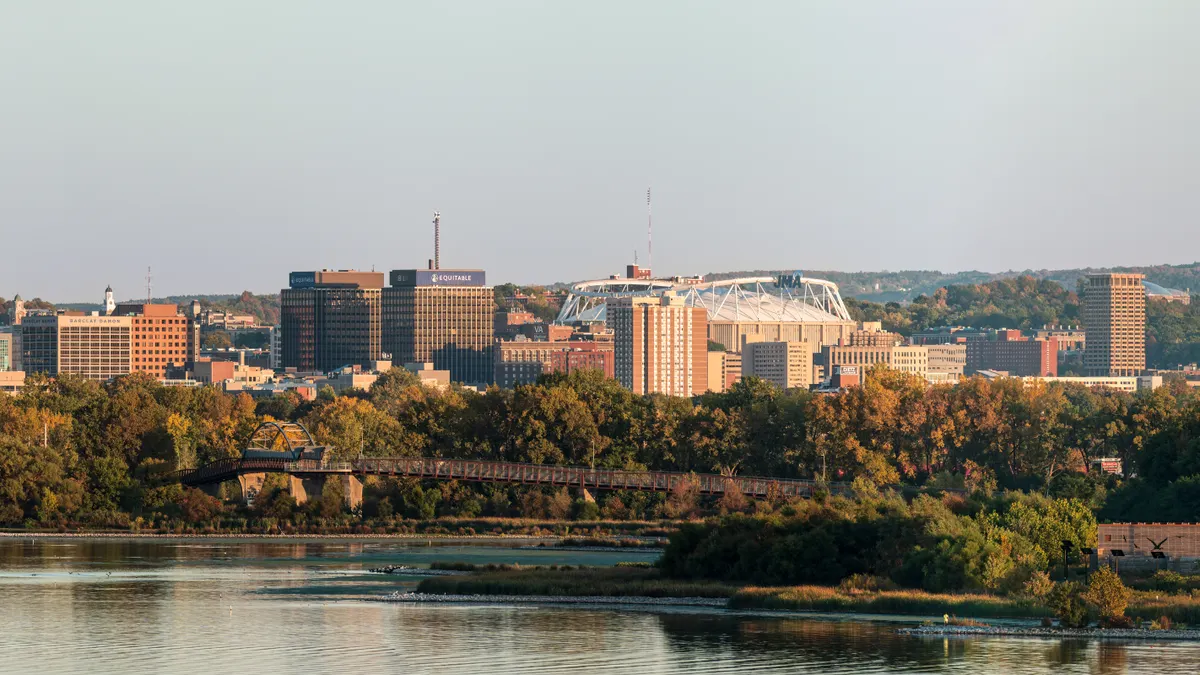
Syracuse is the Onondaga County seat and a Central New York center for higher education, healthcare, government, technology, manufacturing, professional services, and regional transportation. The U.S. Census Bureau counted 148,620 residents in 2020 and estimated 144,896 residents in 2025 across 25.06 square miles of land. Syracuse University, SUNY Upstate Medical University, hospitals, public schools, county institutions, and a diverse refugee and immigrant community shape varied assessment needs.
Census estimates report that 19.2% of residents age five and older speak a language other than English at home. Examiners should consider language history, educational opportunity, disability, health, sensory and motor needs, refugee or migration experience, and the exact decision the report must support.
IQ by gender & ethnicity
Syracuse is approximately 51.7% female. Properly normed intelligence tests are designed so broad male and female averages are similar, though individual profiles may differ across verbal, visual-spatial, fluid-reasoning, working-memory, and processing-speed tasks. No authoritative source publishes separate Syracuse IQ averages by gender, race, ethnicity, neighborhood, income, occupation, or home language.
Current Syracuse demographic context includes:
- Hispanic or Latino residents: 10.2% of the city population.
- Black residents: 27.3% identify as Black alone.
- Asian residents: 7.3% identify as Asian alone.
- White, non-Hispanic residents: 49.0%.
- Foreign-born residents: 12.7%, making migration, language, and schooling history relevant to interpretation.
- Language other than English at home: 19.2% of residents age five and older.
- Educational attainment: 85.3% of adults age 25+ are high-school graduates or higher, and 31.2% hold a bachelor's degree or higher.
Group statistics must never be converted into assumptions about an individual. A qualified examiner interprets test results with the person's full developmental, linguistic, educational, medical, and cultural record.
What is professional IQ testing?
Intelligence quotient (IQ) testing is a standardized method to measure human cognitive abilities and intellectual potential. Professional IQ tests are administered by licensed psychologists in a controlled environment to ensure accuracy and reliability. Unlike online quizzes, clinical assessments provide a full-scale IQ score along with detailed breakdowns of verbal comprehension, perceptual reasoning, working memory, and processing speed.
In Syracuse, IQ testing is commonly used for gifted program admission, learning disability identification, career guidance, neuropsychological evaluation, and personal development. The results are presented in a comprehensive report that includes normative comparisons, strengths and weaknesses, and actionable recommendations.
After a snowy afternoon at the Central Library, a Syracuse resident might try an online IQ test as an informal reasoning exercise, while relying on professional assessment whenever a school, clinician, agency, or membership organization requires documented results.
Who should get tested?
IQ testing can benefit children, adolescents, and adults in various situations:
- Children: Parents often seek testing for school readiness, gifted placement, or to understand learning challenges.
- Adults: Many adults take IQ tests for career advancement, graduate school applications, or personal curiosity.
- Mensa candidates: High-IQ societies require official test scores for membership.
- Clinical referrals: Psychologists may recommend testing as part of a broader neuropsychological evaluation.
Types of IQ tests
We offer the most recognized and scientifically validated intelligence tests in the field:
- WISC-V (Wechsler Intelligence Scale for Children® – Fifth Edition): The gold standard for children aged 6:0–16:11. It provides a Full-Scale IQ and five primary index scores.
- WAIS-IV (Wechsler Adult Intelligence Scale® – Fourth Edition): The most widely used adult IQ test for ages 16–90. It measures cognitive functioning across four domains.
- Stanford-Binet Intelligence Scales – Fifth Edition: A comprehensive assessment for ages 2–85, often used for gifted identification and clinical evaluations.
- Gifted Testing: Often includes the WISC-V or Stanford-Binet, plus additional creativity and achievement measures.
- Mensa Testing: We provide official Mensa admission testing and preparation materials.
How the testing process works
- Initial consultation: Brief phone or video call to discuss your needs and match you with the right psychologist.
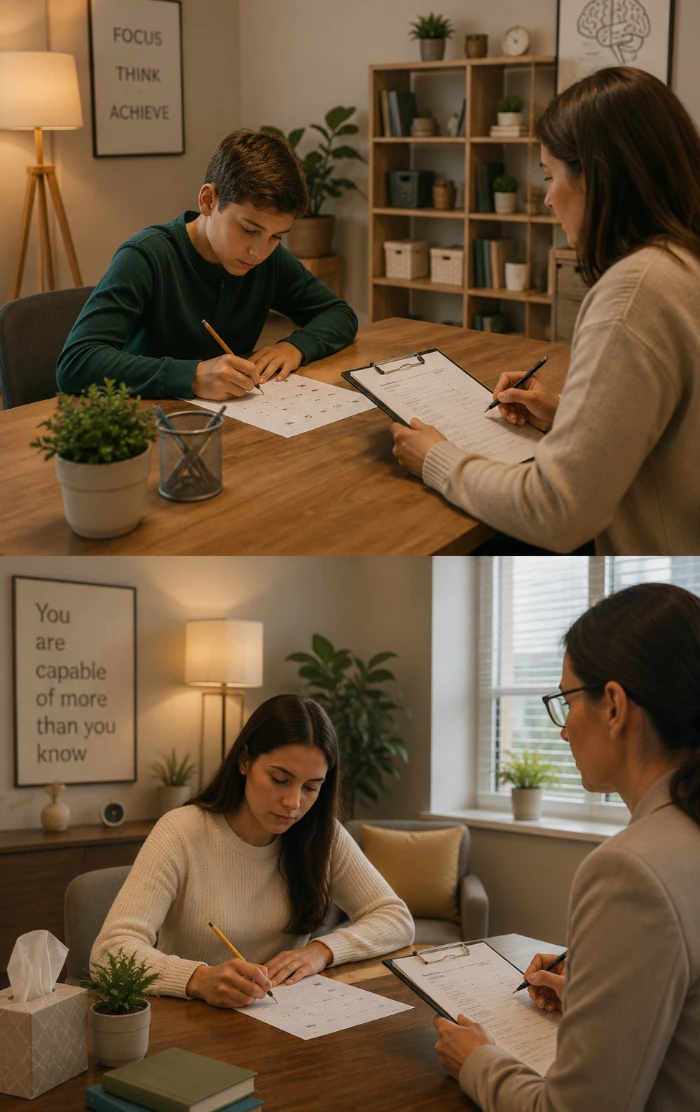
- Testing session: In-person or remote testing (depending on the test) with a licensed psychologist. Most sessions last 1–2 hours.
- Scoring and interpretation: The psychologist scores the test and interprets the results in the context of your background and goals.
- Feedback session: A detailed review of your results, including strengths, weaknesses, and practical recommendations.
- Comprehensive report: You receive a written report with all scores, normative comparisons, and actionable next steps.
How much does IQ testing cost in Syracuse?
The cost of IQ testing in Syracuse varies depending on the type of test, the psychologist's experience, and whether a comprehensive report is required. Typical fees range from $200 to $1,200 for a full assessment. Gifted testing and Mensa admission testing are often at the lower end, while neuropsychological evaluations may be higher.
Some insurance plans cover IQ testing when it's deemed medically necessary. We recommend checking with your provider for details. We also offer affordable payment plans and sliding-scale options for qualifying individuals.
Syracuse's Intellectual History & Legacy
Syracuse grew around the salt industry, the Erie Canal, rail transportation, manufacturing, and later higher education, medicine, research, and public service. Syracuse University, founded in 1870, SUNY Upstate Medical University, libraries, museums, and community institutions sustain the city's educational role.
- Syracuse University: Research and teaching span psychology, education, engineering, computing, public affairs, communications, law, health, business, arts, and sciences.
- SUNY Upstate: Medical education, clinical care, neuroscience, rehabilitation, and health research support regional expertise.
- Libraries and museums: Onondaga County Public Libraries, the Erie Canal Museum, MOST, Everson Museum, and local history organizations support lifelong learning.
- Responsible testing: Instrument, norms, language, accessibility, examiner competence, and receiving-organization requirements should match the referral question.
Top Employers in Syracuse Requiring Cognitive Testing
Most Syracuse employers do not require clinical IQ testing. Hiring typically relies on education, licensure, interviews, work samples, background checks, or job-specific aptitude measures. Clinical assessment may be relevant only to a lawful disability, accommodation, rehabilitation, fitness, or diagnostic question.
- Healthcare: SUNY Upstate, Crouse Health, St. Joseph's Health, the Syracuse VA, clinics, and rehabilitation providers employ clinical and nonclinical workers.
- Education and government: Syracuse University, Syracuse City School District, Onondaga Community College, the City, county, and state agencies support a broad workforce.
- Technology and manufacturing: Semiconductor investment, defense electronics, advanced manufacturing, engineering, and regional supply chains create technical roles.
- Services and logistics: Finance, insurance, construction, retail, hospitality, warehousing, Interstate 81, the Thruway, rail, and airport activity support varied employment.
- Documentation: Obtain the requesting organization's written standard before paying for an evaluation.
Syracuse IQ Testing by Neighborhood
Access is clearer through major corridors than through repetitive neighborhood lists. Horizons Clinic is at 600 South Wilbur Avenue. Provider scope, availability, accessibility, language capacity, and report acceptance matter more than the shortest drive.
- Central corridors: West Street, Erie Boulevard, Genesee Street, Salina Street, and Interstate 81 connect downtown, medical campuses, government, and services.
- University and medical area: Adams Street, University Avenue, Irving Avenue, and nearby transit connect Syracuse University, SUNY Upstate, hospitals, and clinics.
- West, north, and south: Geddes Street, Bear Street, South Avenue, Valley Drive, and regional highways connect residential areas, schools, parks, and employment.
- Boundary verification: City, postal, suburban, and school-district boundaries differ; verify the exact address and receiving institution.
- Regional referrals: Specialized bilingual, forensic, pediatric, neurological, or brain-injury evaluation may require travel elsewhere in Central New York.
Syracuse Universities and Research Institutions
- Syracuse University: Undergraduate, graduate, professional, and research programs span psychology, education, engineering, computing, public affairs, communications, law, business, arts, and sciences.
- SUNY Upstate Medical University: Medical, nursing, health-professions, biomedical-research, neuroscience, and clinical training.
- Onondaga Community College: Transfer, technical, health, business, public-safety, arts, and workforce pathways.
- Le Moyne College and SUNY ESF: Regional higher education expands study in liberal arts, business, health, environmental science, forestry, engineering, and research.
- Clinical training: University clinics and supervised programs may have limited scopes, eligibility rules, or waitlists and should not be assumed to provide routine IQ testing.
Syracuse Economic Context
- Median household income: $47,819 in 2020–2024 Census estimates (2024 dollars).
- Per-capita income: $28,393.
- Residents in poverty: 28.8%.
- Bachelor's degree or higher: 31.2% of adults age 25 and older; 85.3% were high-school graduates.
- Mean travel time to work: 18.0 minutes, although snow, road construction, university events, and regional travel can lengthen trips.
- Health and social-assistance activity: Census business data report approximately $4.60 billion in 2022 receipts/revenue within the city.
- Transportation and warehousing: Approximately $112.0 million in 2022 receipts/revenue.
- Retail sales: Approximately $2.08 billion in 2022, or $14,210 per resident.
- Accommodation and food services: Approximately $419.7 million in 2022 sales.
- Labor-force participation: 56.8% of residents age 16 and older; female participation was 56.0%.
- Housing context: Owner occupancy was 41.6%, median owner-occupied value was $138,400, and median gross rent was $1,039.
- Regional strengths: Healthcare, higher education, government, advanced manufacturing, semiconductors, defense electronics, research, professional services, construction, logistics, retail, hospitality, and technology.
Syracuse School District Data
- Syracuse City School District: The district serves most city addresses through elementary, middle, high, career-technical, special-education, advanced, and multilingual programs.
- Gifted and advanced learning: Obtain current referral, screening, placement, course, and documentation rules directly from the district or school.
- Multiple measures: Educational decisions may use achievement, classroom work, observations, ratings, cognitive measures, language development, and other evidence.
- Special education: Families may request evaluation when disability is suspected; multidisciplinary teams determine domains, eligibility, and services under New York and federal law.
- Private reports: A private IQ score may inform review but does not automatically determine eligibility, placement, an IEP, or services.
- Other schools: Charter, private, faith-based, suburban, and BOCES programs use their own current rules.
- Before scheduling: Obtain written requirements for credentials, accepted tests, edition, recency, score type, and report content.
Local Testing Centers and Psychologists
- Horizons Clinic, Arc of Onondaga: The official clinic page lists IQ/adaptive testing for OPWDD eligibility at 600 South Wilbur Avenue, Syracuse, NY 13204. Call (315) 476-7441 and ask for Horizons Clinic; confirm age, referral fit, instrument, fees, insurance, wait time, and report use.
- Syracuse University Psychological Services Center: Provides supervised assessment of cognitive, behavioral, and emotional functioning at 120 Crouse Drive; confirm whether the current service matches the required IQ question.
- SUNY Upstate: Rehabilitation psychology provides psychological and neuropsychological evaluation for cognitive and physical impairment under referral criteria.
- School evaluation: Syracuse City School District and other schools use multidisciplinary processes distinct from private clinical testing.
- Provider verification: Confirm New York licensure, supervision, instrument, edition, language competence, report purpose, fees, and receiving-organization acceptance.
Syracuse Events and Conferences
- Syracuse University: Lectures, research presentations, exhibitions, performances, athletics, and public programs vary by term.
- Onondaga County Public Libraries: Central Library and branches support literacy, technology, workforce access, youth learning, and research.
- MOST and museums: The Museum of Science & Technology, Erie Canal Museum, Everson Museum, and historical groups offer informal learning.
- Community events: The New York State Fair, festivals, cultural organizations, and neighborhood programs create changing educational opportunities.
- Professional calendars: New York psychology, education, disability, and Central New York Mensa events change; confirm with official organizers.
Transportation and Accessibility
- Centro: Bus and paratransit services operate under current schedules, fares, eligibility, reservation, and service-area rules.
- Major roads: Interstates 81, 690, and 90/New York State Thruway, plus Erie Boulevard, Genesee Street, Salina Street, and West Street shape travel.
- Rail and bus: The Regional Transportation Center serves Amtrak and intercity buses.
- Airport: Syracuse Hancock International Airport provides scheduled passenger service north of the city.
- Accessible planning: Confirm parking, elevators, mobility access, sensory needs, language assistance, rest breaks, and paratransit timing.
Syracuse Weather and Seasonal Considerations
- Lake-effect snow: Heavy snowfall, blowing snow, reduced visibility, and rapid accumulation can disrupt appointments.
- Ice and cold: Freezing rain, slick sidewalks, wind chill, and vehicle delays affect safe access.
- Seasonal light: Short winter days and weather-related sleep or mood changes may affect energy and concentration.
- Summer weather: Heat, humidity, thunderstorms, pollen, and occasional poor air quality may influence stamina.
- Preparation: Sleep normally, eat, hydrate, take prescribed medication unless directed otherwise, bring sensory aids, and report illness or sleep loss.
- Rescheduling: Contact the office when weather, illness, or unsafe travel would threaten safety or score validity.
Areas we serve
We support all areas of Syracuse.
Frequently Asked Questions
WISC-V is for children aged 6–16, while WAIS-IV is for adults aged 16–90. Each is normed for its specific age group.
Most IQ tests take between 60 and 90 minutes, plus a feedback session. Allow 2–3 hours total.
No, you can book directly with our psychologists. We serve both self-referred and professionally referred individuals.
Potentially. Acceptance depends on the exact test, edition, qualifying score, administration date, examiner credentials, and current Mensa documentation rules. Confirm before testing.
Some plans cover cognitive assessments when there is a clinical indication. Check with your provider.
Get a good night's sleep, eat a healthy meal, and arrive relaxed. No specific preparation is needed.
You'll receive a comprehensive report with your scores and tailored recommendations.
Some interview and feedback components may be available remotely, but many standardized cognitive tests require in-person administration. Confirm with the psychologist and the organization receiving the report.