
IQ Testing in Raleigh
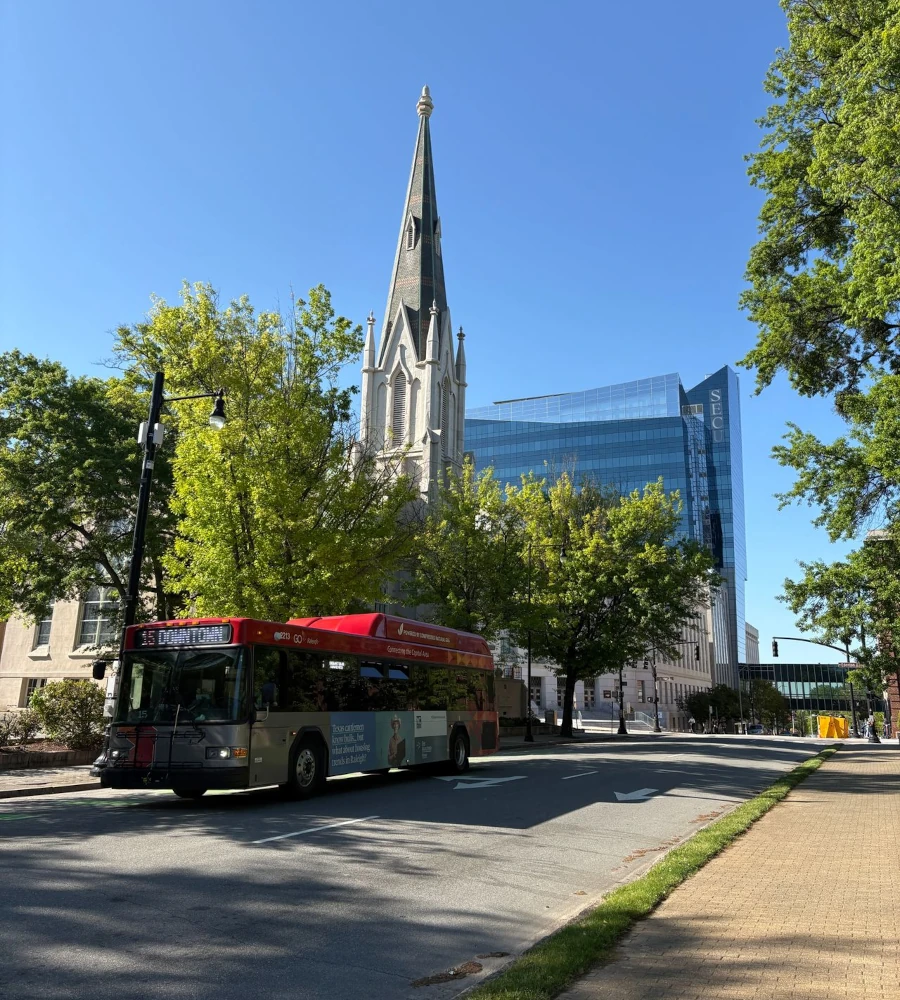
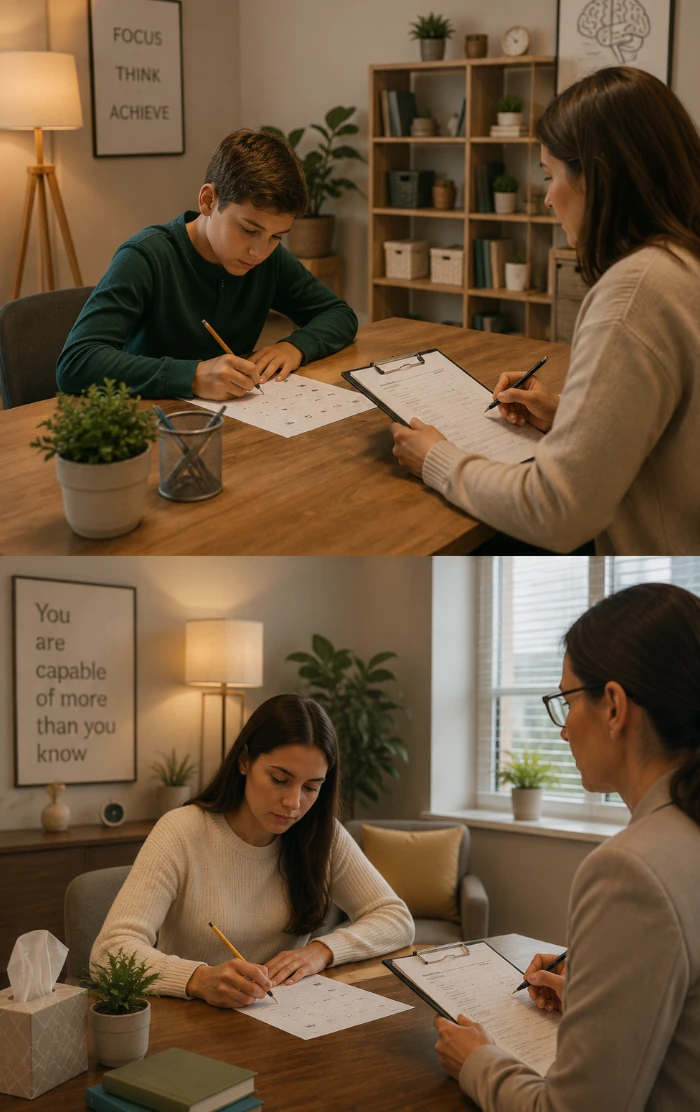
Professional IQ testing in Raleigh – whether you need an assessment for school, employment, gifted program eligibility, or personal insight, we connect you with licensed psychologists in the Raleigh area.
Last Updated: October 2026
Child IQ Testing
WISC-V & Stanford-Binet for ages 6–16. Gifted identification, learning profiles.
Adult IQ Testing
WAIS-IV & WAIS-5 available. Comprehensive adult cognitive assessments. Clinical & occupational.
WISC-V Test
Wechsler Intelligence Scale for Children® Fifth Edition – the gold standard for child IQ testing.
WAIS-IV & WAIS-5 Tests
Wechsler Adult Intelligence Scale® – Fourth Edition (WAIS-IV) and Fifth Edition (WAIS-5) available for adult IQ testing.
Gifted Testing
Identify giftedness for school placement, enrichment, and talent programs using WISC-V or Stanford-Binet.
Stanford-Binet 5
Stanford-Binet Intelligence Scales Fifth Edition – comprehensive cognitive assessment for all ages.
Mensa Testing
Mensa admission testing and preparation for the high-IQ society. Accepts WAIS-IV, WAIS-5, and Stanford-Binet 5 scores.
Full Evaluation
Combined assessment with detailed report and recommendations. Includes WISC-V, WAIS-IV, WAIS-5, or Stanford-Binet 5 as appropriate.
IQ Testing in Raleigh: city context
Raleigh is North Carolina's capital and a principal city of the Research Triangle. The U.S. Census Bureau estimated 506,306 residents in 2025, an 8.2% increase from the 2020 estimates base, across approximately 147.12 square miles of land. Raleigh combines state government, research universities, technology and life-science employers, large healthcare systems, public-school magnet programs, and fast-growing residential districts.
The city's educational and cognitive-assessment ecosystem is shaped by North Carolina State University, Wake County Public School System, Wake Technical Community College, WakeMed, UNC Health, Duke Health, Research Triangle Park employers, the North Carolina Psychological Association, and a substantial population of scientists, engineers, educators, healthcare professionals, public administrators, and graduate students.
Gender, age and demographic statistics
Current Census estimates show that 51.5% of Raleigh residents are female, 19.8% are under age 18, and 11.9% are age 65 or older. Raleigh is racially, ethnically, culturally, and linguistically diverse:
- White alone: 52.8% of residents.
- Black or African American alone: 26.6%.
- American Indian and Alaska Native alone: 0.3%.
- Asian alone: 5.2%.
- Native Hawaiian and Other Pacific Islander alone: 0.0% in the current rounded QuickFacts table.
- Two or more races: 9.4%.
- Hispanic or Latino: 12.6% of residents; Hispanic origin may overlap with racial categories.
- Foreign-born residents: 13.8% in 2020–2024 estimates.
- Language context: 18.9% of residents age five and older speak a language other than English at home.
- Education: 92.6% of adults age 25 and older are high-school graduates or higher, and 54.0% hold a bachelor's degree or higher.
- Gender interpretation: Professional tests do not use a separate Raleigh IQ norm for men or women. Scores are interpreted with age-based national norms and the person's education, language, culture, medical history, disability status, and testing conditions.
- Group statistics: There is no authoritative dataset establishing average IQ scores for Raleigh neighborhoods, genders, or racial and ethnic groups; local demographic percentages should never be used to infer an individual's cognitive ability.
What is professional IQ testing?
Intelligence quotient (IQ) testing is a standardized method to measure human cognitive abilities and intellectual potential. Professional IQ tests are administered by licensed psychologists in a controlled environment to ensure accuracy and reliability. Unlike online quizzes, clinical assessments provide a full-scale IQ score along with detailed breakdowns of verbal comprehension, perceptual reasoning, working memory, and processing speed.
In Raleigh, IQ testing is commonly used for gifted program admission, learning disability identification, career guidance, neuropsychological evaluation, and personal development. The results are presented in a comprehensive report that includes normative comparisons, strengths and weaknesses, and actionable recommendations.
Who should get tested?
IQ testing can benefit children, adolescents, and adults in various situations:
- Children: Parents often seek testing for school readiness, gifted placement, or to understand learning challenges.
- Adults: Many adults take IQ tests for career advancement, graduate school applications, or personal curiosity.
- Mensa candidates: High-IQ societies require official test scores for membership.
- Clinical referrals: Psychologists may recommend testing as part of a broader neuropsychological evaluation.
Types of IQ tests
We offer the most recognized and scientifically validated intelligence tests in the field:
- WISC-V (Wechsler Intelligence Scale for Children® – Fifth Edition): The gold standard for children aged 6:0–16:11. It provides a Full-Scale IQ and five primary index scores.
- WAIS-IV (Wechsler Adult Intelligence Scale® – Fourth Edition): The most widely used adult IQ test for ages 16–90. It measures cognitive functioning across four domains.
- Stanford-Binet Intelligence Scales – Fifth Edition: A comprehensive assessment for ages 2–85, often used for gifted identification and clinical evaluations.
- Gifted Testing: Often includes the WISC-V or Stanford-Binet, plus additional creativity and achievement measures.
- Mensa Testing: We provide official Mensa admission testing and preparation materials.
How the testing process works
- Initial consultation: Brief phone or video call to discuss your needs and match you with the right psychologist.
- Testing session: In-person or remote testing (depending on the test) with a licensed psychologist. Most sessions last 1–2 hours.
- Scoring and interpretation: The psychologist scores the test and interprets the results in the context of your background and goals.
- Feedback session: A detailed review of your results, including strengths, weaknesses, and practical recommendations.
- Comprehensive report: You receive a written report with all scores, normative comparisons, and actionable next steps.
How much does IQ testing cost in Raleigh?
The cost of IQ testing in Raleigh varies depending on the type of test, the psychologist's experience, and whether a comprehensive report is required. Typical fees range from $200 to $1,200 for a full assessment. Gifted testing and Mensa admission testing are often at the lower end, while neuropsychological evaluations may be higher.
Some insurance plans cover IQ testing when it's deemed medically necessary. We recommend checking with your provider for details. We also offer affordable payment plans and sliding-scale options for qualifying individuals.
Raleigh's Intellectual History & Legacy
Raleigh's intellectual identity reflects public education, state government, land-grant research, historically Black colleges, technology, agriculture, medicine, and the wider Research Triangle.
An online IQ test offers Raleigh residents a convenient way to explore reasoning questions, whereas school placement, accommodations, or clinical decisions require professionally administered testing.
- State capital: Raleigh has served as North Carolina's capital since the eighteenth century, concentrating public administration, law, policy, archives, museums, and professional organizations.
- North Carolina State University: Founded as a land-grant institution, NC State developed major strengths in engineering, agriculture, textiles, statistics, design, computer science, education, and life sciences.
- Historically Black colleges: Shaw University and Saint Augustine's University are central to Raleigh's educational and civil-rights history.
- Research Triangle: Raleigh's growth is tied to Research Triangle Park and the university network linking NC State, Duke University, and the University of North Carolina at Chapel Hill.
- Public-school innovation: Wake County Public School System operates AIG services, magnet themes, advanced mathematics, Advanced Placement, dual-credit, and cooperative innovative high-school pathways.
- State museums and libraries: The North Carolina Museum of Natural Sciences, State Archives, State Library, and other public institutions support scientific literacy and lifelong learning.
- Technology development: IBM, Cisco, Red Hat, Lenovo, SAS, Epic Games, and other firms have helped make the Triangle a major software and data-science center.
- Life sciences: Pharmaceutical, biotechnology, clinical-research, and public-health organizations contribute to regional demand for quantitative, analytical, and regulatory expertise.
- Healthcare research: WakeMed, UNC Health, Duke Health, NC State, and nearby medical schools connect Raleigh residents to cognitive, neurological, pediatric, and rehabilitation services.
- Modern assessment: Raleigh families and adults use standardized testing for AIG identification, learning-disability and ADHD evaluation, school placement, accommodations, medical diagnosis, career planning, and high-IQ society evidence.
Top Employers in Raleigh Requiring Cognitive Skills
- State of North Carolina: Wake County Economic Development lists state government among the region's largest employers. Policy, finance, law, technology, research, and administrative roles require complex reasoning and communication.
- Wake County Public School System: Approximately 17,000 employees serve one of the nation's largest school districts, including educators, school psychologists, data specialists, administrators, and support professionals.
- WakeMed Health & Hospitals: More than 10,000 regional employees work in clinical care, nursing, diagnostics, rehabilitation, technology, administration, and research-oriented roles.
- North Carolina State University: More than 9,000 employees support teaching, research, extension, laboratories, engineering, information technology, and university operations.
- IBM: Approximately 9,000 employees are listed in the regional employer directory, with roles in cloud computing, artificial intelligence, consulting, software, cybersecurity, and research.
- Cisco Systems: Approximately 5,000 regional employees work in networking, software, security, engineering, sales, and technical support.
- SAS Institute: The Cary-based analytics company employs thousands in statistics, software engineering, data science, artificial intelligence, consulting, and education.
- Lenovo: Approximately 5,100 regional employees are listed in technology, product development, operations, finance, and global business functions.
- Red Hat: The Raleigh-headquartered software company employs professionals in open-source engineering, cloud platforms, product management, legal affairs, support, and corporate operations.
- Epic Games: More than 3,000 regional employees are listed in game development, graphics technology, engineering, design, data, and business operations.
- First Citizens Bank: Raleigh-headquartered banking roles include finance, risk, data analytics, technology, compliance, and leadership development.
- IQVIA and clinical-research firms: The Triangle's life-science sector uses quantitative reasoning, research design, regulatory knowledge, data management, and clinical expertise.
- Pfizer, Grifols, bioMérieux, and related companies: Regional pharmaceutical and diagnostics employers require scientific reasoning, quality systems, manufacturing, laboratory, and regulatory skills.
- City of Raleigh and Wake County Government: Public-sector roles span planning, engineering, information technology, emergency services, finance, transportation, parks, and community programs.
Raleigh IQ Testing by Neighborhood
- Downtown Raleigh: Central access to state government, museums, law offices, technology firms, universities, GoRaleigh service, and Raleigh Union Station.
- Warehouse District: A mixed-use downtown district near Raleigh Union Station, technology offices, restaurants, arts venues, and residential development.
- North Hills / Midtown: A major employment, retail, medical, and residential center with access to I-440, Six Forks Road, and North Raleigh communities.
- Five Points: Established neighborhoods close to downtown, schools, professional offices, and major north-south travel corridors.
- Village District and Cameron Park area: Near NC State, Meredith College, professional services, retail, and central Raleigh transportation routes.
- West Raleigh / NC State: Includes university campuses, Centennial Campus, laboratories, student housing, research facilities, and convenient access to I-40.
- North Raleigh: Large residential and employment areas near Falls of Neuse Road, WakeMed North, schools, medical offices, and I-540.
- Brier Creek: A rapidly developed area between Raleigh and Durham with access to RDU Airport, Research Triangle Park, I-540, US-70, and healthcare offices.
- Southeast Raleigh: Residential neighborhoods, schools, WakeMed Raleigh Campus, community institutions, and access to I-40 and the Walnut Creek Greenway.
- Northeast Raleigh: Communities near Capital Boulevard, Triangle Town Center, Wake Tech locations, schools, and regional commuter routes.
- Cary: A neighboring municipality with SAS, technology employers, schools, healthcare resources, and access to Raleigh testing providers.
- Appointment matching: Provider expertise, accepted instruments, accessibility, travel time, and the purpose of testing are more important than neighborhood reputation. No reliable neighborhood-specific IQ averages exist.
Raleigh Universities and Research Institutions
- North Carolina State University: Fall 2025 enrollment totaled 40,503 students, including 30,504 undergraduate and 9,999 graduate, professional, nondegree, and certificate students.
- NC State Centennial Campus: A research and partnership campus connecting university laboratories with companies, government agencies, entrepreneurship, engineering, data science, textiles, and veterinary medicine.
- Meredith College: A Raleigh institution offering undergraduate and graduate programs in education, psychology, business, health, nutrition, and the arts.
- Shaw University: A historically Black university with programs in education, business, social sciences, humanities, and professional preparation.
- Saint Augustine's University: A historically Black university with programs across business, education, science, communication, and liberal arts.
- Wake Technical Community College: The county's community-college system offers transfer, applied science, information technology, health sciences, engineering, public safety, and workforce programs across multiple campuses.
- Campbell Law School: Located in downtown Raleigh and connected to the state capital's courts, government agencies, and legal community.
- William Peace University: A downtown Raleigh institution offering undergraduate programs and professional pathways.
- SKEMA Business School Raleigh campus: Provides an international business-school presence near NC State Centennial Campus.
- Research Triangle Institute: RTI International in Research Triangle Park conducts research in health, education, data science, economics, international development, and public policy.
- Duke University and UNC-Chapel Hill: Nearby research universities provide extensive graduate, medical, neuroscience, psychology, education, and clinical-research resources accessible to Raleigh residents.
- North Carolina Museum of Natural Sciences: A major public-science institution supporting research communication, citizen science, education, and public engagement.
Raleigh Economic Context
- Population growth: Raleigh reached an estimated 506,306 residents in 2025, up 8.2% from the 2020 estimates base.
- Median household income: $85,395 in 2020–2024 Census estimates.
- Per-capita income: $52,897.
- Residents in poverty: 11.9%.
- Bachelor's degree or higher: 54.0% of adults age 25 and older.
- High-school graduate or higher: 92.6% of adults age 25 and older.
- Mean travel time to work: 23.0 minutes.
- Civilian labor-force participation: 70.8% of residents age 16 and older; female labor-force participation is 66.6%.
- Healthcare and social-assistance activity: Approximately $7.39 billion in 2022 receipts/revenue within the city.
- Accommodation and food services: Approximately $2.39 billion in 2022 sales.
- Retail sales: Approximately $15.61 billion in 2022, or $32,983 per resident.
- Transportation and warehousing: The current city QuickFacts table does not publish a numeric value, but the sector benefits from I-40, I-440, I-540, RDU Airport, freight corridors, and regional logistics growth.
- Homeownership: 50.7% of occupied housing units are owner occupied; the median owner-occupied home value is $415,800.
- Regional strengths: State government, software, analytics, life sciences, clinical research, advanced manufacturing, clean technology, education, healthcare, finance, professional services, and construction.
- Life-science cluster: Wake County and the Research Triangle report more than 600 life-science companies employing over 38,000 skilled workers.
- Knowledge economy: Raleigh's high educational attainment and proximity to major universities support strong demand for analytical, technical, scientific, and professional skills.
Raleigh School District Data
- Wake County Public School System: WCPSS serves Raleigh and the wider county and employs approximately 17,000 people according to Wake County Economic Development.
- K–12 advanced learning: WCPSS states that it identifies and supports students with academic and intellectual gifts from kindergarten through grade 12.
- Identification approach: The district uses multiple measures of student ability, achievement, classroom performance, strengths, and interests rather than relying on a single score.
- Elementary AIG services: Identified students receive differentiated instruction, enrichment, cluster grouping, resource support, and collaboration with AIG teachers.
- Middle-school services: Students may access compacted mathematics, accelerated courses, enrichment electives, and differentiated instruction.
- High-school pathways: Options include Advanced Placement, International Baccalaureate at selected schools, dual credit, Career and College Promise, Credit by Demonstrated Mastery, and cooperative innovative high schools.
- Gifted and Talented/AIG magnet schools: Raleigh examples include Hunter Elementary, Poe Elementary, Ligon Middle, Carnage Middle, and Moore Square Middle, subject to current magnet application and assignment rules.
- Magnet application: Families must complete WCPSS enrollment and follow the district's annual magnet application calendar; magnet admission is separate from AIG identification.
- Early kindergarten entry: North Carolina and WCPSS have specific criteria and procedures; cognitive testing may be one component but does not guarantee placement.
- Private and charter schools: Raleigh-area independent and charter schools set their own admissions, gifted, acceleration, and testing policies.
- School psychologist role: WCPSS school psychologists and educational teams evaluate students when testing is required for public-school services or disability eligibility.
- Independent reports: Before scheduling private WISC-V or Stanford-Binet testing, families should obtain written confirmation that the receiving school or program accepts the instrument, administration date, examiner credentials, and report format.
Local Testing Centers and Psychologists
- WakeMed Neuropsychology: Provides diagnostic assessment of cognitive, behavioral, and emotional changes, including adult, pediatric, and geriatric services, with physician-referral requirements for medical evaluations.
- WakeMed Raleigh Campus: Inpatient neuropsychological consultation is available for appropriate patients, and WakeMed's broader brain, spine, rehabilitation, and pediatric services support referrals.
- WakeMed Memory Assessment: Formal testing may examine intellectual functioning, memory, language, visuospatial skills, attention, motor abilities, and executive functioning.
- Duke Neurology of Raleigh: Provides neurological care in North Raleigh and can coordinate specialty referrals when cognitive concerns are associated with neurological conditions.
- Duke Pediatric Neuropsychology: Durham-based services provide comprehensive evaluations for children with chronic medical conditions and are accessible to Raleigh families.
- UNC Memory and Cognitive Disorders Clinic: Chapel Hill-based neurological and cognitive diagnostic services provide another regional referral pathway.
- NC State and university research programs: Psychology, education, human factors, aging, learning, and neuroscience-related studies may offer research participation, but research assessments are not automatically clinical diagnoses.
- North Carolina Psychological Association: Based in Raleigh and provides a member directory for locating licensed psychologists by specialty and geography.
- Wake County Public School System: School psychologists and AIG teams handle district-based educational identification and evaluation under current school procedures.
- Private psychologists: Raleigh and Triangle practices offer IQ, gifted, ADHD, autism, learning-disability, neuropsychological, forensic, and psychoeducational evaluations; verify licensure and report acceptance.
- Telehealth limits: Interviews and feedback may be remote, but many standardized cognitive tests require controlled administration and may need an in-person appointment.
- Referral matching: Select a provider according to the testing purpose, age range, accepted instruments, language needs, medical complexity, legal requirements, and required turnaround time.
Raleigh Events and Conferences
- North Carolina Psychological Association programs: Continuing education, advocacy, ethics, assessment, and professional-development events are organized for psychologists across the state.
- North Carolina Association for the Gifted and Talented: State conferences and training address identification, curriculum, equity, social-emotional needs, and family advocacy.
- NC State research events: Colleges and institutes host lectures, poster sessions, engineering showcases, education events, data-science programs, and public research presentations.
- Triangle neuroscience and psychology events: NC State, Duke, UNC, and regional medical centers host seminars and public programs involving cognition, brain health, learning, aging, and mental health.
- North Carolina Museum of Natural Sciences: Public science programs, lectures, festivals, and citizen-science activities support children, adults, educators, and advanced learners.
- WCPSS family information sessions: Magnet, AIG, advanced-course, early-college, and school-choice information is offered according to annual district calendars.
- Mensa of Eastern North Carolina: Local activities may include social gatherings, discussions, testing coordination, scholarship work, and gifted-youth programming.
- Research Triangle technology events: Meetups and conferences cover software, analytics, artificial intelligence, cybersecurity, product development, entrepreneurship, and life sciences.
- College and career fairs: NC State, Wake Tech, WCPSS, and regional employers organize events related to graduate education, internships, research, and workforce pathways.
- Schedule verification: Event dates, venues, registration requirements, and age limits change; confirm details directly with the organizer.
Transportation and Accessibility
- Major roads: I-40 crosses southern Raleigh; I-440 forms the inner Beltline; I-540 and NC 540 serve northern and western Wake County; US-1/Capital Boulevard, US-64/US-264, US-70, NC-50, Wade Avenue, and Western Boulevard are major corridors.
- Public transit: GoRaleigh operates city bus service, GoRaleigh Access serves eligible riders with disabilities, and GoTriangle connects Raleigh with Cary, Research Triangle Park, Durham, Chapel Hill, and regional destinations.
- Downtown circulator: The R-Line provides downtown circulation, with schedules and operating details subject to current GoRaleigh service plans.
- Bus rapid transit: Wake BRT planning calls for approximately 20 miles of transit lanes across four corridors; construction and service timelines should be checked before relying on future routes.
- Airport: Raleigh-Durham International Airport is the region's primary commercial airport and projected approximately 15.5 million passengers in 2025.
- Intercity rail: Raleigh Union Station provides Amtrak service, including North Carolina's Piedmont and Carolinian corridor trains; GoRaleigh connections are available nearby.
- Distance to other cities: Approximately 25–30 minutes to Durham, 35–45 minutes to Chapel Hill, about 1 hour to Fayetteville, 1.25 hours to Greensboro, 2 hours to Wilmington, and 2.5–3 hours to Charlotte, depending on traffic and starting point.
- Walkability: Downtown, the Warehouse District, Glenwood South, the Village District, and parts of NC State and Five Points offer concentrated walking access; much of Raleigh remains automobile oriented.
- Bike infrastructure: BikeRaleigh maps identify bike lanes, sharrows, greenways, and preferred routes. The Capital Area Greenway system has more than 100 miles of trails across 28 named trail segments.
- Major greenways: The Neuse River, Walnut Creek, Crabtree Creek, Rocky Branch, House Creek, and Reedy Creek trails support recreation and some cross-city bicycle travel.
- Paratransit planning: Eligible clients may use GoRaleigh Access; testing appointments should include additional pickup and travel time.
- Testing-day planning: Check Beltline construction, I-40 congestion, downtown events, university schedules, school-release traffic, weather alerts, and transit notices before traveling.
Raleigh Weather and Seasonal Considerations
- Humid subtropical climate: Raleigh has hot, humid summers, generally mild winters, spring pollen, and year-round rainfall.
- Summer temperatures: Afternoon highs commonly reach the upper 80s and low 90s°F, with heat index values that may affect comfort and fatigue.
- Winter temperatures: Typical days range from the 30s to 50s°F, but occasional freezing rain, sleet, or snow can disrupt transportation and school schedules.
- Spring pollen: Tree and grass pollen can affect sleep, headaches, medication use, and concentration for sensitive clients.
- Severe weather: Thunderstorms, tropical-system remnants, flooding, high winds, and occasional tornado warnings can delay appointments.
- Climate-controlled testing: Assessment rooms should be quiet, well lit, and temperature controlled, with breaks and water available as appropriate.
- School-placement cycle: Fall and winter often bring AIG referrals, magnet planning, private-school deadlines, and accommodation requests.
- Graduate and adult cycle: Winter and early spring often bring graduate planning, disability-documentation, career-evaluation, and adult diagnostic requests.
- Summer availability: School breaks may provide scheduling flexibility, but vacations, camps, heat, and disrupted sleep routines should be considered.
- Seasonal interpretation: There is no reliable Raleigh-specific “average IQ by season.” Examiners document temporary influences such as sleep, illness, allergies, medication, anxiety, heat, and travel disruption.
Areas we serve
We support clients throughout the City of Raleigh. Recommendations are based on age, referral purpose, examiner qualifications, accessibility, school or agency requirements, and the need for in-person administration—not repeated neighborhood keywords.
- Children and families: Gifted identification, school placement, learning profiles, ADHD and learning-disability assessment, and comprehensive evaluations.
- Adults: WAIS testing, career guidance, graduate planning, Mensa evidence, accommodations, and diagnostic evaluations.
- Schools and professionals: Consultation and documentation subject to the receiving organization's current requirements.
- All areas of Raleigh: We support all areas of the city without using repetitive neighborhood lists in the footer.
Frequently Asked Questions
WISC-V is for children aged 6–16, while WAIS-IV is for adults aged 16–90. Each is normed for its specific age group.
Most IQ tests take between 60 and 90 minutes, plus a feedback session. Allow 2–3 hours total.
No, you can book directly with our psychologists. We serve both self-referred and professionally referred individuals.
Some professionally administered scores may be submitted as prior evidence, but acceptance is determined solely by American Mensa under its current rules.
Some plans cover cognitive assessments when there is a clinical indication. Check with your provider.
Get a good night's sleep, eat a healthy meal, and arrive relaxed. No specific preparation is needed.
You'll receive a comprehensive report with your scores and tailored recommendations.
Interviews and feedback may be available remotely, but many standardized cognitive tests require controlled administration and may need an in-person appointment. Contact us for details.