
Child IQ Testing in Raleigh
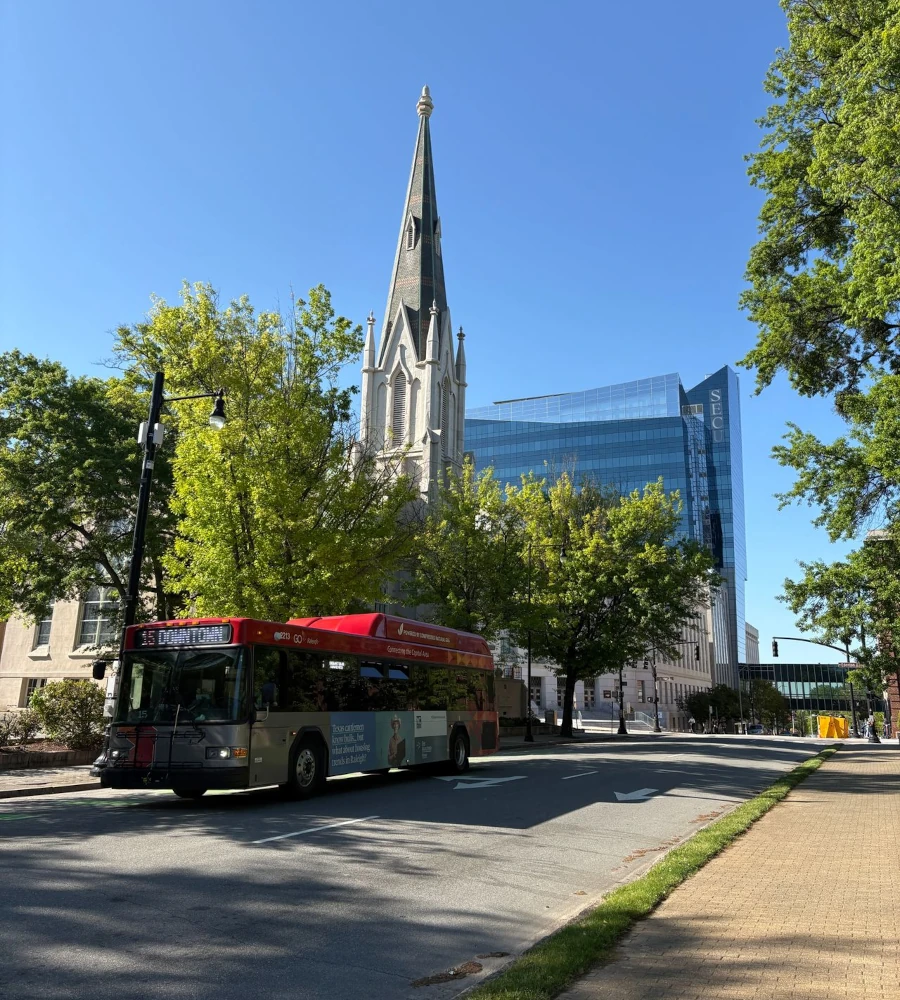
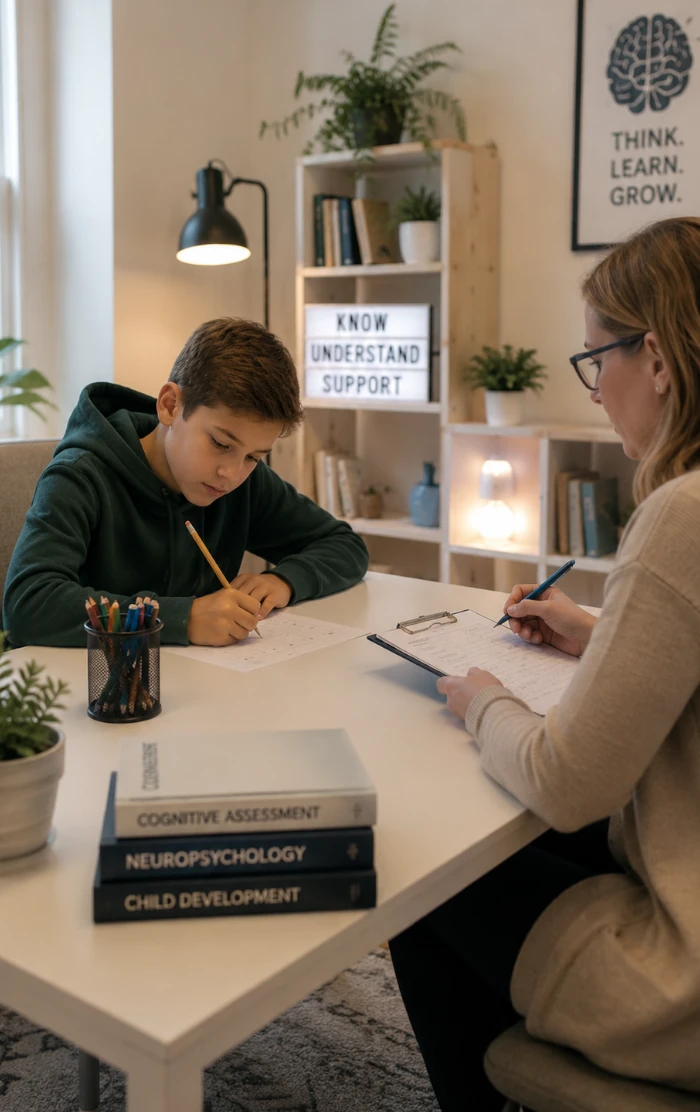
Professional child IQ testing in Raleigh – whether you need an assessment for school placement, gifted program eligibility, or to understand your child's learning profile, we connect you with licensed psychologists in the Raleigh area.
Last Updated: July 2026
Gifted Testing
Identify giftedness for school placement, enrichment, and talent programs using WISC-V or Stanford-Binet 5.
WISC-V Test
Wechsler Intelligence Scale for Children® Fifth Edition – the gold standard for child IQ testing.
Stanford-Binet 5
Stanford-Binet Intelligence Scales Fifth Edition – comprehensive cognitive assessment for all ages.
Full Evaluation
Combined assessment with detailed report and recommendations. Includes WISC-V or Stanford-Binet 5.
School Placement Testing
Testing for private school admission and gifted program eligibility using WISC-V or Stanford-Binet 5.
Schedule Child IQ Testing
Book your WISC-V & Stanford-Binet 5 for ages 6–16. Gifted identification, learning profiles, etc. with a licensed psychologist in Raleigh today.
Child IQ Testing in Raleigh: city context
Raleigh children attend Wake County Public School System schools, magnet programs, charter schools, private schools, home schools, and specialized programs. Families seek testing for AIG identification, acceleration, school placement, twice-exceptional needs, learning disabilities, ADHD, autism, and educational planning.
IQ by gender & ethnicity (child population)
Current Census estimates show that 19.8% of Raleigh residents are under age 18 and 51.5% of the total population is female. There is no valid Raleigh average IQ for boys, girls, or racial and ethnic groups. Relevant context includes:
- Black or African American population: 26.6%.
- Asian population: 5.2%.
- Hispanic or Latino population: 12.6%.
- Two or more races: 9.4%.
- Foreign-born residents: 13.8%.
- Language other than English at home: 18.9% of residents age five and older.
- Assessment fairness: Examiners consider language exposure, educational opportunity, disability, culture, medical history, attention, anxiety, and test familiarity.
- Individual interpretation: A child's complete profile and real-world functioning matter more than demographic group averages.
Raleigh School Districts and Gifted Programs
Wake County Public School System AIG Services
- Grades served: WCPSS identifies and supports advanced learners and AIG students from kindergarten through grade 12.
- Identification: The district uses multiple measures of ability, achievement, performance, and demonstrated strengths.
- Elementary services: Differentiated instruction, cluster grouping, enrichment, resource support, and collaboration with AIG teachers.
- Middle-school services: Advanced and compacted coursework, differentiated instruction, and enrichment electives.
- High-school options: AP, IB at selected schools, dual credit, Credit by Demonstrated Mastery, Career and College Promise, and early-college programs.
- Family process: Parents should begin with the classroom teacher, then the school AIG contact, and then the principal when clarification is needed.
Raleigh Gifted and Talented/AIG Magnet Programs
- Hunter Magnet Elementary: Uses a Gifted and Talented/AIG theme with expanded electives and differentiated learning.
- Poe Magnet Elementary: Provides a Gifted and Talented/AIG Basics model; current program descriptions should be confirmed with WCPSS.
- Ligon Magnet Middle: Offers a gifted and talented magnet theme and broad elective options.
- Carnage Magnet Middle: Provides Gifted and Talented/AIG programming and magnet electives.
- Moore Square Magnet Middle: Offers AIG Basics support and expanded electives.
- Assignment: Magnet placement requires a separate application and is not guaranteed by AIG identification or a private IQ score.
Raleigh Charter and Private School Programs
- Independent requirements: Charter and private schools establish their own admissions, acceleration, gifted, and testing policies.
- Accepted tests: WISC-V, Stanford-Binet, achievement tests, school records, interviews, and teacher recommendations may be requested, depending on the school.
- Report timing: Families should confirm the maximum age of scores and required report components.
- Admissions distinction: An IQ score does not guarantee admission, scholarship, grade acceleration, or gifted placement.
- Educational fit: School culture, curriculum, social-emotional support, commute, cost, disability services, and student interests should be considered.
Johnston County and Nearby District Options
- Johnston County Public Schools: Families southeast of Raleigh should review the district's current AIG identification and service plan.
- Durham Public Schools: Families commuting west may encounter different gifted identification criteria and magnet pathways.
- Chapel Hill-Carrboro City Schools: Regional families should verify current advanced-learning and district-residency requirements.
- District differences: A report accepted by one district may not satisfy another district's instrument, percentile, date, or eligibility rules.
- Boundary verification: School assignment follows residence and district policy, not a Raleigh mailing address alone.
North Carolina Gifted Education Framework
- State standards: North Carolina school districts develop local AIG plans under statewide standards and review cycles.
- Local control: Identification procedures, service models, evidence, and timelines vary by district.
- Multiple pathways: Ability, achievement, classroom performance, local norms, portfolios, and other evidence may contribute.
- Equitable identification: Districts are expected to consider access and underrepresentation in gifted programming.
- Current plan: Families should consult the WCPSS 2025–2028 AIG plan and current school guidance rather than relying on outdated thresholds.
Raleigh Private Schools and Programs Using Testing Information
- Independent schools: Some Raleigh-area schools request cognitive or achievement testing for admission, learning support, acceleration, or placement; requirements vary annually.
- Specialized schools: Programs serving dyslexia, ADHD, autism, twice-exceptional learners, or other needs may request comprehensive psychoeducational records.
- Charter schools: Public charter admission generally follows lottery and enrollment rules rather than IQ selection, though schools may use assessment for services after enrollment.
- Early entrance or grade acceleration: Schools may review cognitive ability, achievement, maturity, classroom readiness, and social-emotional factors.
- Home-school planning: Families may use testing to select curriculum level, document progress, or plan transitions, subject to North Carolina home-school requirements.
- Testing verification: Obtain written confirmation of the accepted test, examiner qualifications, score age, report deadline, and required subtests before scheduling.
Raleigh Gifted Identification Statistics
- No single city rate: Raleigh does not publish one authoritative citywide gifted-identification percentage because students attend district, charter, private, and home schools.
- WCPSS scale: Wake County Public School System serves a large and diverse countywide population, so AIG counts should be read in district context rather than as Raleigh-only figures.
- Identification is not prevalence: Program participation reflects local criteria, referrals, access, and services—not the total number of intellectually advanced children.
- National reference: A score at or above the 98th percentile is often associated with traditional high-IQ definitions, but WCPSS uses a multiple-measure process.
- Local norms: District nomination and local-norming approaches may help identify advanced learners from historically underrepresented groups.
- Magnet participation: Magnet enrollment is separate from AIG identification and depends on application, priorities, capacity, and assignment rules.
- Private testing: Independent results may add information but do not automatically override district procedures.
- Reporting: Ask the school for current identification results, service plans, and appeal or review procedures.
The child IQ testing process: step by step
Understanding the testing process can help parents prepare their child and reduce anxiety. Here's what to expect:
- Initial consultation (15–20 minutes): A brief phone or video call with the psychologist to discuss your child's background, concerns, and goals. This helps determine the right test and approach.
- Testing session (60–90 minutes): The child meets one-on-one with a licensed psychologist in a quiet, comfortable room. The psychologist administers the WISC-V or Stanford-Binet 5, which includes a series of subtests measuring verbal comprehension, visual-spatial reasoning, fluid reasoning, working memory, and processing speed. Breaks are offered as needed.
- Scoring and interpretation (1–2 days): The psychologist scores the test and analyzes the results. They consider the child's age, background, and any relevant medical or educational history.
- Feedback session (45–60 minutes): The psychologist meets with the parents (and the child, if appropriate) to explain the results. They discuss the Full-Scale IQ, index scores, strengths, and areas for growth. They also provide tailored recommendations for home, school, and extracurriculars.
- Comprehensive written report (5–7 days): You receive a detailed report with all scores, normative comparisons, and actionable next steps. This report can be shared with schools, doctors, or other professionals.
The entire process from consultation to report usually takes 1–2 weeks, depending on scheduling. The testing itself is non-invasive and designed to be engaging for children.
What is the WISC-V test?
The WISC-V (Wechsler Intelligence Scale for Children® – Fifth Edition) is the most widely used IQ test for children aged 6:0–16:11. It provides a Full-Scale IQ and five primary index scores: Verbal Comprehension, Visual-Spatial, Fluid Reasoning, Working Memory, and Processing Speed. The test is administered one-on-one by a trained psychologist and takes about 60–90 minutes.
The WISC-V is normed on a large, representative sample of U.S. children and is updated regularly to ensure accuracy. It is the gold standard for gifted identification, learning disability diagnosis, and school placement.
Why test your child's IQ?
IQ testing provides valuable insights into your child's cognitive strengths and weaknesses. It can help:
- Identify giftedness: For admission to gifted programs, private schools, or enrichment opportunities.
- Diagnose learning disabilities: Such as dyslexia, dyscalculia, or ADHD, which can be masked by high intelligence.
- Guide educational planning: Tailor instruction to your child's unique learning profile.
- Provide reassurance: Understand why your child is different from peers and how to support them.
Raleigh Gifted Testing Timeline
- Start with the school: Ask the teacher and AIG contact about current observation, nomination, screening, testing, and decision dates.
- District cycle: WCPSS timelines can vary by grade, school, and identification pathway; use the current academic-year calendar.
- Magnet planning: Enrollment and magnet applications have separate deadlines and should begin well before the desired school year.
- Private-school deadlines: Independent schools may require reports months before admission decisions.
- Outside testing: Schedule early enough for intake, testing, scoring, feedback, and a final report.
- Records collection: Gather report cards, achievement scores, teacher observations, prior evaluations, intervention records, and language history.
- Appeal or reconsideration: Allow time to understand district review procedures if the family disagrees with a decision.
- Testing conditions: Avoid scheduling during illness, severe sleep disruption, major family stress, or immediately after travel when possible.
Raleigh Gifted Programs by Age Group
- Kindergarten–grade 1: Observation, differentiation, enrichment, and early advanced-learning support may occur before formal identification pathways are complete.
- Grades 2–5: Elementary AIG services may include cluster grouping, resource support, differentiated core instruction, and magnet options.
- Grades 6–8: Students may access compacted or advanced math, differentiated language arts, electives, and magnet themes.
- Grades 9–12: AP, IB at selected schools, dual credit, early colleges, Career and College Promise, Credit by Demonstrated Mastery, and advanced career-technical pathways.
- Twice-exceptional students: Giftedness and disability can coexist; services should address both strengths and needs.
- Highly gifted students: Some may need subject acceleration, grade acceleration, mentorship, university coursework, or individualized planning.
- Outside enrichment: NC State, museums, libraries, arts programs, robotics, coding, science camps, and community organizations provide additional options.
- Program fit: The best placement depends on pace, depth, interests, executive functioning, emotional development, and peer needs—not IQ alone.
Raleigh Child ADHD and Learning Disability Assessment
- Comprehensive history: Evaluation should include developmental, medical, family, educational, language, and intervention history.
- Multi-setting evidence: ADHD symptoms must be considered across school, home, and other settings.
- Cognitive testing: WISC-V may describe strengths and weaknesses but cannot diagnose ADHD or a learning disorder by itself.
- Achievement testing: Reading, writing, mathematics, and oral-language measures help identify learning disorders and instructional needs.
- Behavior and executive functioning: Parent, teacher, and self-report scales may assess attention, inhibition, planning, organization, and emotional regulation.
- Differential diagnosis: Anxiety, depression, trauma, autism, sleep problems, hearing or vision issues, medical conditions, and inadequate instruction must be considered.
- School evaluation: WCPSS has its own special-education and Section 504 procedures; private diagnoses do not automatically determine school eligibility.
- Twice exceptionality: High reasoning ability can mask disability, while disability can suppress full-scale scores; index and achievement patterns require careful interpretation.
- Recommendations: Reports should connect findings to practical classroom, home, treatment, and accommodation strategies.
Raleigh Summer Programs for Gifted Children
- NC State youth programs: STEM, engineering, design, agriculture, coding, science, and precollege offerings vary by summer.
- North Carolina Museum of Natural Sciences: Camps, workshops, citizen science, and public programs support science interests.
- Marbles Kids Museum: Hands-on learning and camps serve younger children, subject to current age ranges.
- Wake County libraries: Reading, technology, maker, and enrichment programs vary by branch.
- Arts programs: Raleigh arts organizations and museums offer visual art, music, theater, and design opportunities.
- Robotics and coding: University, nonprofit, and private providers offer project-based technology programs across the Triangle.
- Duke and UNC programs: Regional universities may offer advanced summer programs, competitions, and research experiences for eligible students.
- Program selection: Match intensity, age, interest, accessibility, cost, schedule, and social-emotional fit; gifted identification is not always required.
- Testing timing: Summer can be convenient for assessment, but avoid periods of severe fatigue, travel disruption, or loss of routine.
Raleigh Child Testing Costs by Provider Type
- School-based evaluation: Public-school testing is provided without charge when conducted under district procedures, but eligibility and scope follow educational rules.
- Single cognitive test: Private WISC-V or Stanford-Binet testing generally costs several hundred dollars, depending on report and feedback.
- Gifted or placement report: Fees increase when schools require detailed subtest interpretation, records review, and formal recommendations.
- Comprehensive psychoeducational evaluation: Cognitive, achievement, attention, emotional, and behavioral testing may cost substantially more.
- Medical neuropsychology: Health-system evaluations may be billed to insurance when medically necessary and properly referred.
- Insurance limitations: Testing solely for gifted placement or private-school admission is often considered educational and may not be covered.
- Financial questions: Ask about deposits, cancellation fees, payment plans, insurance coding, report revisions, and expedited-service charges.
- Value check: Confirm the report will meet the receiving school or agency's current requirements before paying.
Areas we serve
We support families throughout Raleigh for gifted, WISC-V, Stanford-Binet, ADHD, learning-disability, autism, school-placement, and comprehensive evaluations. The footer intentionally uses citywide wording rather than a keyword-stuffed neighborhood list.
Frequently Asked Questions
Both are excellent tests. WISC-V is more commonly used for school-age children, while Stanford-Binet 5 can be used for ages 2–85. We often recommend WISC-V for gifted identification.
The test itself takes 60–90 minutes. With the consultation, feedback, and report, the entire process is about 1–2 weeks.
No, you can book directly with our psychologists. We serve both self-referred and professionally referred children.
Yes, our reports are accepted by Raleigh Public Schools, private schools, and other gifted programs.
Some plans cover cognitive assessments when there is a clinical indication. Check with your provider.
Get a good night's sleep, eat a healthy meal, and arrive relaxed. No specific preparation is needed.
You'll receive a comprehensive report with your child's scores and tailored recommendations.
Interviews and feedback may be available remotely, but many standardized cognitive tests require controlled administration and may need an in-person appointment. Contact us for details.