
IQ Testing in Orlando
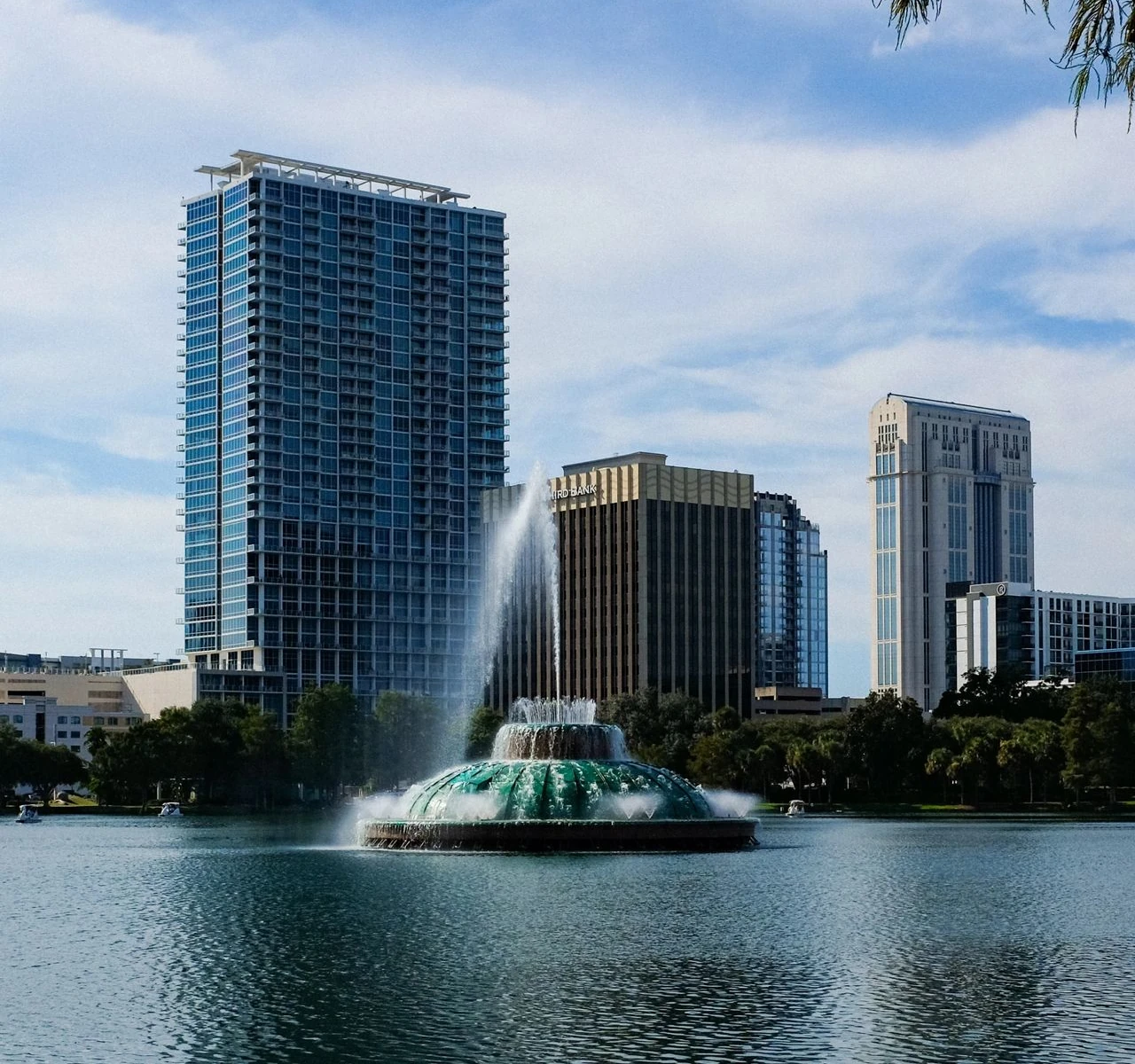
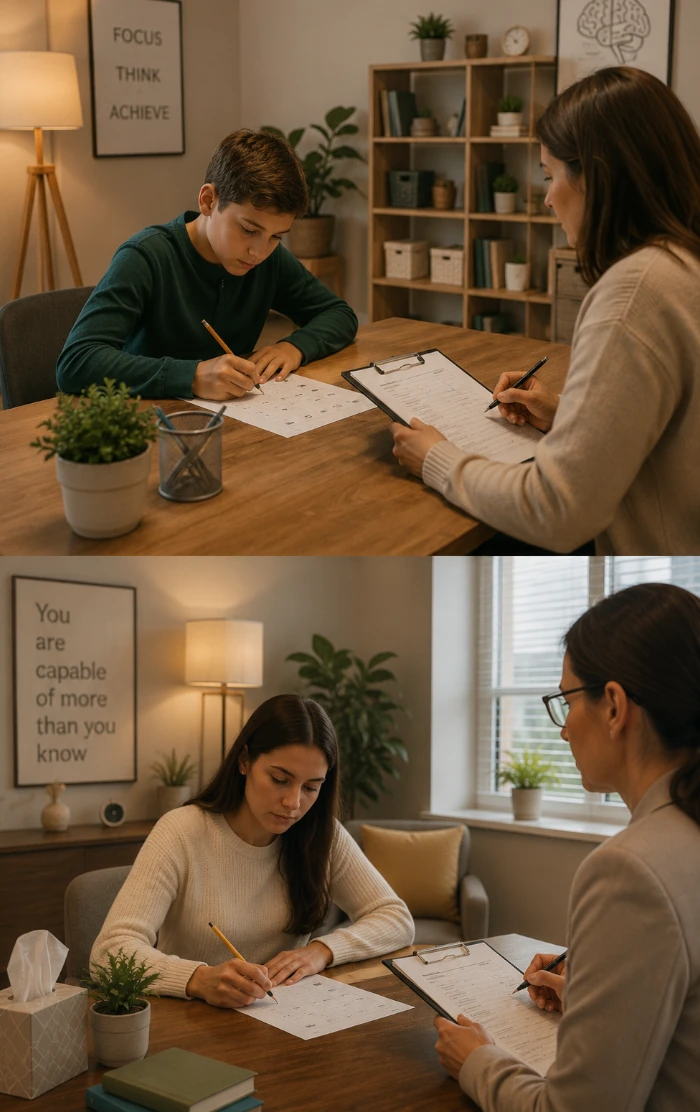
Professional IQ testing in Orlando – whether you need an assessment for school, employment, gifted program eligibility, or personal insight, we connect you with licensed psychologists in the Orlando area.
Last Updated: September 2026
Child IQ Testing
WISC-V & Stanford-Binet for ages 6–16. Gifted identification, learning profiles.
Adult IQ Testing
WAIS-IV & WAIS-5 available. Comprehensive adult cognitive assessments. Clinical & occupational.
WISC-V Test
Wechsler Intelligence Scale for Children® Fifth Edition – the gold standard for child IQ testing.
WAIS-IV & WAIS-5 Tests
Wechsler Adult Intelligence Scale® – Fourth Edition (WAIS-IV) and Fifth Edition (WAIS-5) available for adult IQ testing.
Gifted Testing
Identify giftedness for school placement, enrichment, and talent programs using WISC-V or Stanford-Binet.
Stanford-Binet 5
Stanford-Binet Intelligence Scales Fifth Edition – comprehensive cognitive assessment for all ages.
Mensa Testing
Mensa admission testing and preparation for the high-IQ society. Accepts WAIS-IV, WAIS-5, and Stanford-Binet 5 scores.
Full Evaluation
Combined assessment with detailed report and recommendations. Includes WISC-V, WAIS-IV, WAIS-5, or Stanford-Binet 5 as appropriate.
IQ Testing in Orlando: city context
Orlando is the Orange County seat and Central Florida's largest city, with a regional economy shaped by tourism, healthcare, aviation, education, modeling and simulation, defense technology, digital media, logistics, construction, conventions, and public service. The U.S. Census Bureau estimated 333,888 residents on July 1, 2025, an 8.4% increase from the 2020 estimates base, across approximately 110.62 square miles of land.
The city's cognitive-assessment ecosystem includes Orange County Public Schools, the University of Central Florida, Valencia College, Rollins College, AdventHealth, Orlando Health, pediatric specialty systems, the Orlando VA Medical Center, private psychologists, and employers ranging from theme-park and hospitality organizations to aerospace, simulation, medical, technology, and transportation operations.
Gender, age and demographic statistics
Current Census estimates show that 51.1% of Orlando residents are female, 21.4% are under age 18, and 11.3% are age 65 or older. Orlando is racially, ethnically, culturally, and linguistically diverse:
- White alone: 37.0% of residents.
- Black or African American alone: 23.4%.
- American Indian and Alaska Native alone: 0.1%.
- Asian alone: 5.0%.
- Native Hawaiian and Other Pacific Islander alone: 0.1%.
- Two or more races: 24.2%.
- Hispanic or Latino: 35.4% of residents; Hispanic origin may overlap with racial categories.
- White alone, not Hispanic or Latino: 31.2%.
- Foreign-born residents: 25.4% in 2020–2024 estimates.
- Language context: 40.8% of residents age five and older speak a language other than English at home.
- Education: 92.2% of adults age 25 and older are high-school graduates or higher, and 42.5% hold a bachelor's degree or higher.
- Labor-force context: 72.2% of residents age 16 and older participate in the civilian labor force, including 66.9% of women.
- Gender interpretation: Professional tests do not use a separate Orlando IQ norm for men or women. Scores are interpreted using age-based national norms and the person's education, language, culture, medical history, disability status, and testing conditions.
- Group statistics: There is no authoritative dataset establishing average IQ scores for Orlando neighborhoods, genders, or racial and ethnic groups; local demographic percentages must not be used to infer an individual's cognitive ability.
What is professional IQ testing?
Intelligence quotient (IQ) testing is a standardized method to measure human cognitive abilities and intellectual potential. Professional IQ tests are administered by licensed psychologists in a controlled environment to ensure accuracy and reliability. Unlike online quizzes, clinical assessments provide a full-scale IQ score along with detailed breakdowns of verbal comprehension, perceptual reasoning, working memory, and processing speed.
In Orlando, IQ testing is commonly used for gifted program admission, learning disability identification, career guidance, neuropsychological evaluation, and personal development. The results are presented in a comprehensive report that includes normative comparisons, strengths and weaknesses, and actionable recommendations.
Who should get tested?
IQ testing can benefit children, adolescents, and adults in various situations:
- Children: Parents often seek testing for school readiness, gifted placement, or to understand learning challenges.
- Adults: Many adults take IQ tests for career advancement, graduate school applications, or personal curiosity.
- Mensa candidates: High-IQ societies require official test scores for membership.
- Clinical referrals: Psychologists may recommend testing as part of a broader neuropsychological evaluation.
Types of IQ tests
We offer the most recognized and scientifically validated intelligence tests in the field:
- WISC-V (Wechsler Intelligence Scale for Children® – Fifth Edition): The gold standard for children aged 6:0–16:11. It provides a Full-Scale IQ and five primary index scores.
- WAIS-IV (Wechsler Adult Intelligence Scale® – Fourth Edition): The most widely used adult IQ test for ages 16–90. It measures cognitive functioning across four domains.
- Stanford-Binet Intelligence Scales – Fifth Edition: A comprehensive assessment for ages 2–85, often used for gifted identification and clinical evaluations.
- Gifted Testing: Often includes the WISC-V or Stanford-Binet, plus additional creativity and achievement measures.
- Mensa Testing: We provide official Mensa admission testing and preparation materials.
How the testing process works
- Initial consultation: Brief phone or video call to discuss your needs and match you with the right psychologist.
- Testing session: In-person or remote testing (depending on the test) with a licensed psychologist. Most sessions last 1–2 hours.
- Scoring and interpretation: The psychologist scores the test and interprets the results in the context of your background and goals.
- Feedback session: A detailed review of your results, including strengths, weaknesses, and practical recommendations.
- Comprehensive report: You receive a written report with all scores, normative comparisons, and actionable next steps.
How much does IQ testing cost in Orlando?
The cost of IQ testing in Orlando varies depending on the type of test, the psychologist's experience, and whether a comprehensive report is required. Typical fees range from $200 to $1,200 for a full assessment. Gifted testing and Mensa admission testing are often at the lower end, while neuropsychological evaluations may be higher.
Some insurance plans cover IQ testing when it's deemed medically necessary. We recommend checking with your provider for details. We also offer affordable payment plans and sliding-scale options for qualifying individuals.
Orlando's Intellectual History & Legacy
Orlando's intellectual identity developed through agriculture, rail transportation, military aviation, aerospace, public education, hospitality, medicine, simulation, and the growth of a major metropolitan research university.
For Orlando residents who want an informal introduction to reasoning questions, an online IQ test can be a useful starting point, while a licensed psychologist is necessary when formal documentation or diagnosis is required.
- Early settlement and citrus: Nineteenth-century cattle, citrus, and trade required agricultural knowledge, land surveying, weather planning, finance, and transportation networks.
- Rail-era growth: Rail connections expanded commerce and population, linking Central Florida products and travelers with statewide and national markets.
- Military aviation: World War II aviation installations and later defense activity helped establish Orlando's long relationship with engineering, flight training, communications, and systems technology.
- UCF and the space era: The University of Central Florida was founded in 1963 to develop talent for Central Florida and the growing U.S. space program; it now supports research across engineering, optics, medicine, psychology, education, hospitality, and computing.
- Modeling, simulation, and training: Orlando became a globally important center for military and commercial simulation, human performance, instructional design, virtual environments, and training systems.
- Tourism transformation: The opening of Walt Disney World in 1971 accelerated regional growth and created complex work in design, engineering, entertainment technology, hospitality, logistics, analytics, safety, and management.
- Healthcare and Lake Nona: Medical City and the wider health network connect clinical care, medical education, rehabilitation, research, veterans' services, and life-science development.
- Convention and creative economy: The Orange County Convention Center, performing arts, sports, gaming, digital media, and major events support professional learning and technical careers.
- Multilingual community: Orlando's diverse population creates a continuing need for culturally and linguistically responsive assessment, education, healthcare, and public services.
Top Employers in Orlando Requiring Cognitive Skills
- AdventHealth: Clinical, research, information-technology, pharmacy, finance, operations, and administrative roles require sustained attention, judgment, memory, and communication.
- Orlando Health: Hospitals, specialty institutes, rehabilitation, pediatric care, analytics, and system operations employ professionals across medical and technical disciplines.
- Universal Orlando Resort: Engineering, entertainment technology, creative design, food operations, security, finance, marketing, data, and guest-experience work draw on varied cognitive strengths.
- Walt Disney World Resort: The regional resort supports careers in engineering, software, design, operations, hospitality, analytics, safety, communications, and leadership.
- Lockheed Martin and simulation employers: Engineers, software developers, systems analysts, human-factors specialists, program managers, and cybersecurity professionals work across Orlando's defense and training cluster.
- University of Central Florida: Faculty, researchers, healthcare professionals, administrators, and technical staff support one of the nation's largest universities.
- Orange County Public Schools: Teachers, psychologists, counselors, technology staff, analysts, administrators, and exceptional-education professionals serve a large countywide district.
- Greater Orlando Aviation Authority and transportation organizations: Airport, rail, bus, logistics, safety, planning, and customer-service roles require rapid decision-making and coordination.
- City and county government: Planning, utilities, public safety, law, finance, engineering, libraries, and social services require specialized cognitive and professional skills.
- Career interpretation: IQ testing can describe cognitive strengths, but job fit also depends on interests, personality, education, experience, values, health, language, and working conditions.
Orlando IQ Testing by City Area
- Downtown and Lake Eola: Central access to offices, courts, libraries, SunRail, LYMMO, UCF Downtown, and medical or professional services.
- Thornton Park, Mills 50, Ivanhoe Village, and College Park: Relatively connected central neighborhoods with local businesses, schools, and access to AdventHealth's north-of-downtown medical campus.
- SoDo and the Orlando Health district: Orange Avenue, SunRail, hospital campuses, and nearby professional offices can make this area practical for medical or neuropsychological referrals.
- Lake Nona and Medical City: UCF health programs, the VA medical center, Nemours Children's Hospital, research organizations, and rapidly growing residential areas are concentrated in southeast Orlando.
- East Orlando and the UCF area: University schedules, SR 408, SR 417, Colonial Drive, and campus traffic should be considered when planning appointments.
- Southwest Orlando, International Drive, and Universal area: Convention, tourism, and construction traffic can substantially affect travel time, especially during major events.
- Citywide service: Select a provider based on licensure, assessment purpose, age-group expertise, language capacity, accessibility, report acceptance, and scheduling—not repetitive neighborhood keywords.
Orlando Universities and Research Institutions
- University of Central Florida: UCF enrolled 70,674 students in fall 2025 and offers more than 250 degree programs across engineering, computer science, medicine, nursing, optics, psychology, education, hospitality, business, and the sciences.
- UCF Downtown: Shared with Valencia College, the downtown campus supports communication, public service, digital media, legal studies, health administration, and other urban-focused programs.
- Valencia College: Multiple Central Florida campuses provide associate and bachelor's degrees, transfer pathways, technical education, public-safety training, continuing education, and workforce credentials.
- Rollins College: Nearby Winter Park offers liberal-arts education and graduate programs in business, counseling, applied behavior analysis, public health, teaching, human resources, and communication.
- AdventHealth University: Health-focused programs support nursing, imaging, occupational therapy, physical therapy, healthcare administration, and other clinical professions.
- Florida A&M University College of Law: The downtown Orlando law school contributes legal education, clinics, professional development, and public-service pathways.
- Research strengths: UCF's Institute for Simulation and Training, CREOL/College of Optics and Photonics, College of Medicine, engineering laboratories, hospitality research, and human-performance work connect education with regional employers.
- Clinical research: AdventHealth Research Institute, Orlando Health, Lake Nona organizations, and pediatric systems support research in medicine, rehabilitation, neuroscience, population health, and technology.
- Research distinction: Participation in a study is not the same as receiving a clinical diagnosis, standardized IQ assessment, or school-ready report.
Orlando Economic Context
- Median household income: $72,336 in 2020–2024 Census estimates.
- Per-capita income: $43,312.
- Residents in poverty: 14.7%.
- Bachelor's degree or higher: 42.5% of adults age 25 and older.
- Mean travel time to work: 26.2 minutes, although I-4 congestion, tourism traffic, airport travel, and cross-county commutes can make individual trips much longer.
- Accommodation and food services: Census business data report approximately $4.10 billion in 2022 sales within the city.
- Health care and social assistance: Approximately $9.54 billion in 2022 receipts/revenue reflects Orlando's large hospital and medical-services sector.
- Transportation and warehousing: Approximately $5.37 billion in 2022 receipts/revenue reflects aviation, distribution, passenger transportation, and Central Florida logistics.
- Retail sales: Approximately $14.88 billion in 2022, or about $47,122 per capita.
- Regional strengths: Tourism and hospitality, healthcare, modeling and simulation, defense, aerospace, digital media, education, aviation, logistics, construction, real estate, conventions, sports, and public services.
- Assessment relevance: Economic data describe the local environment, not intelligence. Individual educational and career recommendations must be based on the person's complete profile.
Orlando School District Data
- Orange County Public Schools: OCPS is the public district serving Orlando and surrounding Orange County communities; school assignment depends on residence, program, and current district boundaries.
- Gifted education: Florida treats gifted learners as part of exceptional student education. Eligibility follows state criteria and district procedures rather than a single citywide IQ cutoff.
- Orlando Gifted Academy: Established in 2018, OGA is a districtwide zoneless magnet for students with an active Florida Gifted Educational Plan and serves grades 2–8 through the OCPS magnet process.
- School-based services: Identified students may receive gifted instruction, differentiated curriculum, consultation, cluster grouping, enrichment, or other services according to their Educational Plan and school model.
- Advanced secondary options: OCPS schools offer combinations of honors, Advanced Placement, International Baccalaureate, Cambridge, dual enrollment, career academies, and specialized magnets.
- Magnet distinction: Gifted eligibility does not guarantee admission to Orlando Gifted Academy or another magnet; applications, lotteries, program rules, and capacity apply.
- Private and charter schools: Each school sets its own admissions, acceleration, achievement-testing, and documentation policies. Public charter enrollment generally follows statutory and lottery rules rather than IQ selection.
- Outside reports: A private WISC-V or Stanford-Binet report may add useful information but does not automatically override OCPS evaluation, eligibility, placement, or service procedures.
- Current verification: Families should obtain the latest written requirements from the school, OCPS, or receiving program before scheduling private testing.
Local Testing Centers and Psychologists
- Private psychologists: Orlando-area practices provide focused IQ, gifted, ADHD, learning-disability, autism, disability, forensic, and psychoeducational evaluations; scope and age groups vary.
- Orlando Health Neuroscience Institute: Its Neuropsychology Group provides comprehensive assessment for adults with suspected cognitive impairment associated with neurological conditions.
- Orlando Health pediatric services: Pediatric neuropsychology evaluates cognition and behavior for children with medical, neurological, developmental, or behavioral concerns.
- AdventHealth: Orlando programs include adult and pediatric neuropsychology, with assessments that may examine IQ, memory, attention, language, visual-spatial ability, problem-solving, and behavior when clinically indicated.
- Orlando VA Medical Center: Eligible veterans may access neurology, mental health, psychology, rehabilitation, and other specialty services through VA referral pathways.
- Academic and training clinics: University-affiliated services may offer limited-scope assessment, research, or supervised training services with eligibility rules and waitlists.
- Florida license verification: Confirm a psychologist's active status through the Florida Department of Health and verify training with the requested test, age group, language, and referral purpose.
- Report acceptance: Ask the receiving school, employer, court, university, disability office, or Mensa program which test edition, score type, examiner credentials, and report components it requires.
Orlando Events and Conferences
- Orange County Convention Center: Major professional, medical, technology, education, tourism, and trade events bring large visitor volumes and can affect appointment travel around International Drive and SR 528.
- I/ITSEC: Orlando's Interservice/Industry Training, Simulation and Education Conference reflects the region's global role in modeling, simulation, training, and human performance.
- UCF programs: Lectures, research symposia, graduate events, youth camps, and professional conferences span engineering, health, education, psychology, optics, hospitality, and technology.
- Healthcare education: AdventHealth, Orlando Health, medical associations, and Lake Nona organizations host continuing education and community programs.
- Central Florida Mensa: Local activities may include social events, discussions, games, gifted-youth resources, testing information, scholarships, and regional gatherings.
- Science and arts enrichment: Orlando Science Center, Dr. Phillips Center, libraries, museums, performing-arts organizations, and maker programs provide learning opportunities for children and adults.
- Scheduling caution: Dates, venues, admission rules, and program availability change; confirm current details with the organizer.
Transportation and Accessibility
- Major roads: I-4 crosses the metropolitan core; SR 408 serves east-west travel; SR 417 and SR 429 form major beltway connections; SR 528 links the airport, convention district, and Space Coast; US 17-92, US 441, Colonial Drive/SR 50, Orange Avenue, and Semoran Boulevard/SR 436 are important surface routes.
- Public transit: LYNX operates bus service across Orlando and Orange, Seminole, Osceola, Lake, and portions of neighboring counties. LYMMO provides a free downtown circulator.
- Rail: SunRail operates weekday commuter rail along a 49-mile Central Florida corridor with multiple Orlando stations. Brightline connects Orlando International Airport with South Florida, and Amtrak serves the historic Orlando station.
- Airport: Orlando International Airport (MCO) is the primary commercial airport and major regional gateway. Orlando Executive Airport (ORL), about three miles from downtown, serves corporate and general aviation.
- Distance to other cities: Approximately 55 miles to Daytona Beach, 85 miles to Tampa, 115 miles to Gainesville, 140 miles to Jacksonville, and 235 miles to Miami; actual drive times vary significantly with I-4, weather, construction, and tourism traffic.
- Walkability: Downtown/Lake Eola, Thornton Park, Ivanhoe Village, Mills 50, and portions of College Park have comparatively walkable commercial and residential patterns; most cross-city trips still require transit or a vehicle.
- Bike infrastructure: The City of Orlando reports more than 45 miles of off-street trails, more than 50 miles of signed routes, and more than 265 miles of bicycle lanes. Major facilities include the Orlando Urban Trail, Cady Way Trail, Lake Underhill Path, Orlando Southeast Trail, and Shingle Creek Trail.
- Testing-day planning: Allow extra time during weekday peaks, convention move-in or move-out periods, theme-park traffic, airport surges, major sports events, and construction.
- Accessibility: Confirm parking, elevator access, quiet waiting space, sensory accommodations, mobility needs, interpreter policies, and break options directly with the provider.
Orlando Weather and Seasonal Considerations
- Summer heat and humidity: Hydration, sleep, medication timing, and travel exposure can affect concentration and stamina.
- Afternoon thunderstorms: Heavy rain, lightning, reduced visibility, and localized flooding can disrupt travel, especially during the warm season.
- Atlantic hurricane season: June 1 through November 30 can bring closures, evacuations, flight disruptions, school schedule changes, and appointment rescheduling.
- Pollen and allergies: Seasonal symptoms and sedating medications may affect attention or processing speed; discuss meaningful factors with the examiner.
- Indoor temperature: Testing rooms may be strongly air-conditioned, so layered clothing can help maintain comfort.
- Tourism seasons: Holidays, spring break, conventions, and major attraction events can increase hotel, airport, and roadway congestion.
- Best testing condition: Choose a time when the examinee is rested, medically stable, fed, and least affected by work shifts, school demands, weather stress, or travel.
Areas we serve
We support all areas of Orlando.
Frequently Asked Questions
WISC-V is for children aged 6–16, while WAIS-IV is for adults aged 16–90. Each is normed for its specific age group.
Most IQ tests take between 60 and 90 minutes, plus a feedback session. Allow 2–3 hours total.
No, you can book directly with our psychologists. We serve both self-referred and professionally referred individuals.
Some professionally administered scores may be submitted as prior evidence, but acceptance is determined solely by American Mensa under its current rules.
Some plans cover cognitive assessments when there is a clinical indication. Check with your provider.
Get a good night's sleep, eat a healthy meal, and arrive relaxed. No specific preparation is needed.
You'll receive a comprehensive report with your scores and tailored recommendations.
Interviews and feedback may be available remotely, but many standardized cognitive tests require controlled administration and may need an in-person appointment. Contact us for details.