
Gifted Testing in Hialeah
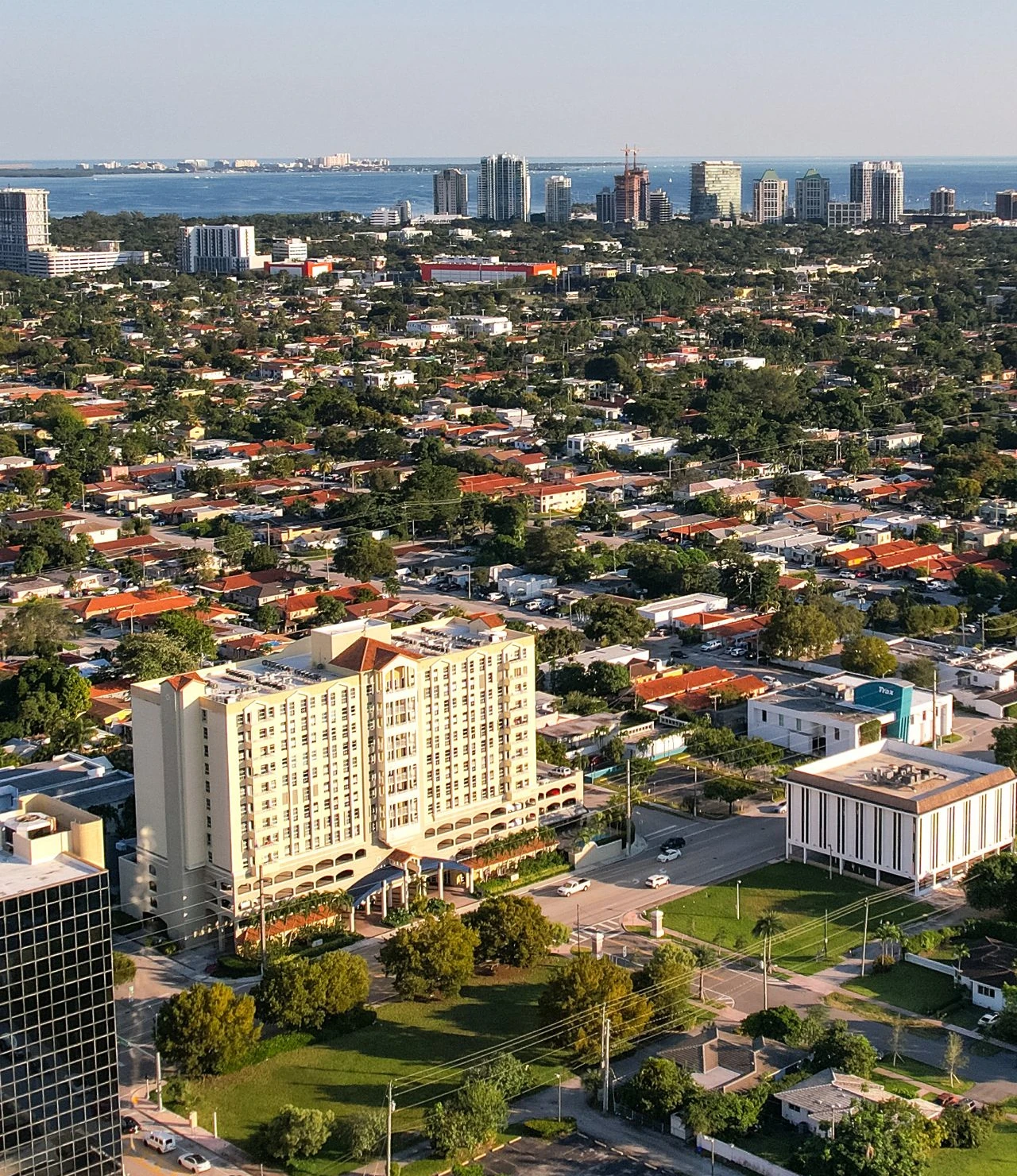
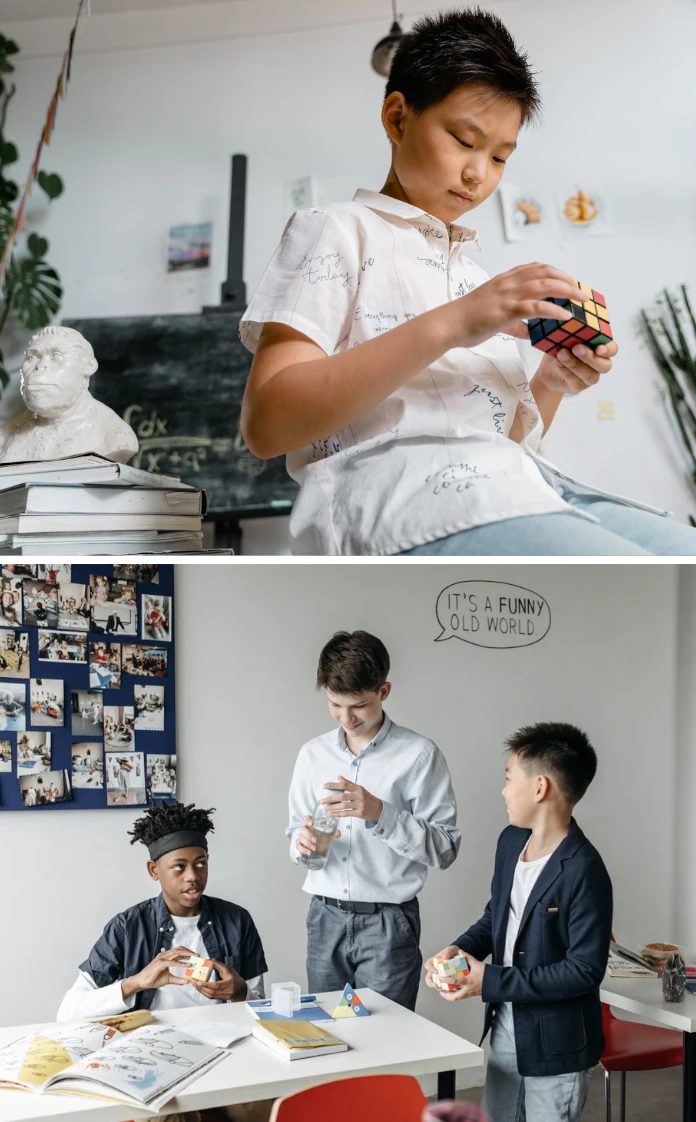
Professional gifted testing in Hialeah – whether your child needs identification for school placement, enrichment programs, or you're an adult seeking Mensa admission, we connect you with licensed psychologists who specialize in gifted assessment.
Last Updated: September 2026
Child Gifted Testing
WISC-V & Stanford-Binet 5 for ages 6–16. Gifted identification, school placement.
Adult Gifted Testing
WAIS-IV & WAIS-5 available. Comprehensive assessments for adults seeking Mensa or career guidance.
WISC-V Test
Wechsler Intelligence Scale for Children® Fifth Edition – the gold standard for child gifted identification.
Stanford-Binet 5
Stanford-Binet Intelligence Scales Fifth Edition – comprehensive cognitive assessment for all ages, often used for gifted identification.
Mensa Testing
Mensa admission testing and preparation for the high-IQ society. Accepts WAIS-IV, WAIS-5, and Stanford-Binet 5 scores.
School Placement Testing
Testing for private school admission and gifted program eligibility using WISC-V or Stanford-Binet 5.
Gifted Testing in Hialeah: city context
Hialeah children attend Miami-Dade County Public Schools, charter and magnet schools, private and faith-based schools, home-education programs and virtual schools. Families seek testing for gifted eligibility, advanced programs, acceleration, school placement, twice-exceptional needs, learning disabilities, ADHD, autism and educational planning.
IQ by gender & ethnicity (child population)
Current Census estimates show that 16.8% of residents are under age 18 and 51.4% of the total population is female. There is no valid local average IQ for boys, girls, Hispanic children, immigrant children, language groups or neighborhoods.
- Language other than English at home: 92.6% of residents age five and older, making language history essential in assessment planning.
- Foreign-born population: 74.5% overall, although many Hialeah children are U.S.-born in multilingual households.
- Interpretation: Test selection should consider English and Spanish proficiency, schooling, cultural experience, disability, attention, anxiety and opportunity to learn.
- Gender: Nationally normed tests do not require different Hialeah cut scores for boys and girls.
Gifted children in Hialeah: who are they?
Gifted children may show advanced reasoning, rapid learning, creativity, unusual memory, intense interests or exceptional achievement. A score near the 98th percentile may be one indicator, but Florida eligibility and educational planning use broader evidence.
Schools and programs for gifted children
- Miami-Dade County Public Schools gifted services and Educational Plans.
- Districtwide magnet, Cambridge, IB, STEM, arts, language and career academies.
- Honors, AP and dual-enrollment pathways through high school and Miami Dade College.
- Charter, private, faith-based, virtual and home-education options with separate admission and placement rules.
- Regional enrichment through MDC, FIU, University of Miami, libraries, museums and cultural institutions.
Advantages of gifted education
- Faster pace and greater depth when grade-level work is already mastered.
- Opportunities for complex problem-solving, creativity, independent study and intellectual peers.
- Support for motivation, perfectionism, asynchronous development and twice-exceptional needs.
- More accurate course planning when cognitive, achievement, language and social-emotional information are considered together.
Hobbies and interests of gifted children
Hialeah students may pursue robotics, coding, mathematics, bilingual writing, debate, music, visual arts, chess, aviation, environmental science, medicine, entrepreneurship, history, sports analytics and community service. Interests vary; giftedness should not be inferred from one hobby or stereotype.
Florida Gifted-Education Framework
- State definition: Florida defines gifted students as students with superior intellectual development who are capable of high performance.
- Exceptional student education: Gifted services are part of Florida's Exceptional Student Education system, and eligible students receive an Educational Plan rather than a general-education placement based on one private score.
- Multiple evidence sources: District eligibility work may consider intellectual assessment, achievement, teacher and parent information, gifted characteristics, creativity, language status and documented educational need.
- Plan A and Plan B: Miami-Dade County Public Schools uses its district procedures and may apply a matrix pathway for qualifying underrepresented first-, second- and third-grade students.
- Transfer protections: Florida rules address students who enter with an active gifted Educational Plan from another Florida district or another state, but records and local implementation still must be reviewed.
- Outside testing: A private WISC-V or Stanford-Binet report may be useful evidence, yet it does not automatically create Miami-Dade gifted eligibility, a magnet seat, acceleration or a particular service model.
- Current requirements: Families should verify the current M-DCPS forms, deadlines, tests, matrix rules, school assignments and appeal procedures before scheduling private testing.
What is giftedness?
Giftedness is a complex and multifaceted construct that goes beyond a single IQ score. In the field of psychology, giftedness is typically defined as an IQ score of 130 or above (the 98th percentile), but it also encompasses exceptional creativity, leadership ability, or talent in specific academic or artistic domains.
However, in Hialeah and across the U.S., the definition of giftedness is evolving. Many psychologists and educators now recognize that giftedness manifests in diverse ways, including:
- Intellectual giftedness: Exceptional reasoning, problem-solving, and abstract thinking.
- Creative giftedness: Unusual originality, imagination, and ability to generate novel ideas.
- Leadership giftedness: Exceptional interpersonal skills, empathy, and ability to inspire others.
- Artistic giftedness: Superior talent in visual arts, music, drama, or dance.
- Twice-exceptional (2E): Gifted individuals who also have a learning disability or neurodivergence such as ADHD or dyslexia.
In Hialeah, where diversity and inclusion are highly valued, there is a growing movement to identify and support gifted students from all backgrounds, including those who may be underserved by traditional testing methods.
Hialeah Gifted Identification Statistics
There is no single public statistic showing how many Hialeah children would qualify as gifted on a private IQ test. School enrollment, gifted identification and service location can change by year, grade, attendance zone and program. Nationally, an IQ score near the 98th percentile is often associated with traditional high-IQ thresholds, but M-DCPS eligibility uses Florida rules and district procedures rather than a simple citywide percentage.
- Population context: 16.8% of Hialeah residents are under age 18.
- Language context: 92.6% of residents age five and older speak a language other than English at home.
- Plan B: The district's underrepresented-student matrix for grades 1–3 combines multiple indicators and requires a minimum level of intellectual evidence.
- Do not estimate eligibility: A population percentage cannot predict whether an individual child will meet current school criteria.
- Records matter: School performance, teacher observations, achievement, creativity, language development and educational need may all contribute.
Hialeah Gifted Testing Timeline
- Start with the school: Ask the gifted or ESE contact for the current referral form, consent process, assessment calendar and eligibility criteria.
- Collect records: Gather report cards, state and district assessments, work samples, teacher comments, language information, prior evaluations and intervention history.
- Private testing: A focused cognitive assessment may require one appointment plus scoring and feedback; a full psychoeducational evaluation typically takes longer.
- District review: School teams must review required evidence under current M-DCPS and Florida procedures.
- Choice deadlines: Magnet, charter and private-school applications may have separate calendars that do not align with gifted evaluation timelines.
- Appeals and reevaluation: Request written procedures and act within the stated deadline when disputing a decision.
Hialeah Gifted Programs by Age Group
- Preschool and kindergarten: Focus on developmental history, advanced learning behaviors, language development and appropriate early-childhood enrichment; formal school eligibility procedures may differ by age.
- Grades 1–3: Referral, intellectual and achievement data, gifted characteristics, creativity and Plan B matrix considerations may be relevant.
- Upper elementary: Gifted services, advanced coursework, enrichment and magnet preparation should be matched to the child's profile and school availability.
- Middle school: Honors, accelerated mathematics, gifted electives, Cambridge, STEM, arts and choice programs may supplement formal gifted services.
- High school: AP, dual enrollment, IB, Cambridge, career academies, research, arts and leadership programs often become more important than an IQ label alone.
- Twice-exceptional students: Giftedness may coexist with ADHD, dyslexia, autism, anxiety or other disabilities and requires strengths-based planning.
Unique challenges and nuances of giftedness
Giftedness is not always a straightforward advantage. Many gifted individuals face unique challenges that can impact their well-being and success:
- Asynchronous development: Gifted children often have intellectual abilities that outpace their social and emotional maturity. This can lead to frustration, social isolation, and difficulty relating to peers.
- Perfectionism: Many gifted individuals set unrealistically high standards for themselves, leading to anxiety, burnout, and avoidance of challenges.
- Underachievement: Gifted students may underperform in school if they are not adequately challenged or if their learning needs are not met.
- Social isolation: Gifted individuals may struggle to find peers who share their interests and intellectual intensity, leading to loneliness and depression.
- Twice-exceptionality (2E): Many gifted individuals also have learning disabilities or neurodivergence, such as ADHD, dyslexia, or autism. This can mask their abilities and make it difficult to receive appropriate support.
- Cultural and ethnic disparities: Giftedness is often under-identified in minority and low-income populations due to cultural biases in testing and limited access to enrichment programs. Hialeah is actively working to address these disparities through inclusive identification practices.
Gifted testing can help identify these challenges and provide a roadmap for support. A comprehensive evaluation can reveal not only strengths but also areas where intervention is needed.
Mensa and high-IQ societies
Mensa is the largest and oldest high-IQ society in the world, with members in over 100 countries. To qualify for Mensa, individuals must score at or above the 98th percentile on a standardized IQ test, which typically corresponds to an IQ of 130 or above.
In Hialeah, there is an active Mensa community that offers social events, intellectual discussions, and networking opportunities. Membership can provide a sense of belonging and community for gifted individuals who may feel isolated in their everyday lives.
We offer official Mensa admission testing and preparation materials. Our psychologists are experienced in administering the tests required for Mensa membership and can help you navigate the application process.
Areas we serve
We support all areas of Hialeah.
Frequently Asked Questions
Both are excellent tests. WISC-V is more commonly used for school-age children, while Stanford-Binet 5 can be used for ages 2–85. We often recommend WISC-V for school placement and Stanford-Binet 5 for highly gifted individuals.
The test itself takes 60–90 minutes. With the consultation, feedback, and report, the entire process is about 1–2 weeks.
No, you can book directly with our psychologists. We serve both self-referred and professionally referred individuals.
Some professionally administered scores may be submitted as prior evidence, but acceptance is determined solely by American Mensa under its current rules.
Some plans cover cognitive assessments when there is a clinical indication. Check with your provider.
Get a good night's sleep, eat a healthy meal, and arrive relaxed. No specific preparation is needed.
You'll receive a comprehensive report with your scores and tailored recommendations.
Interviews and feedback may be available remotely, but many standardized cognitive tests require controlled administration and may need an in-person appointment. Contact us for details.
Not exactly. Smartness is a colloquial term, while giftedness is a clinical construct involving specific cognitive abilities and traits.
We specialize in identifying both giftedness and learning disabilities, and we provide tailored recommendations for support.