
IQ Testing in Durham
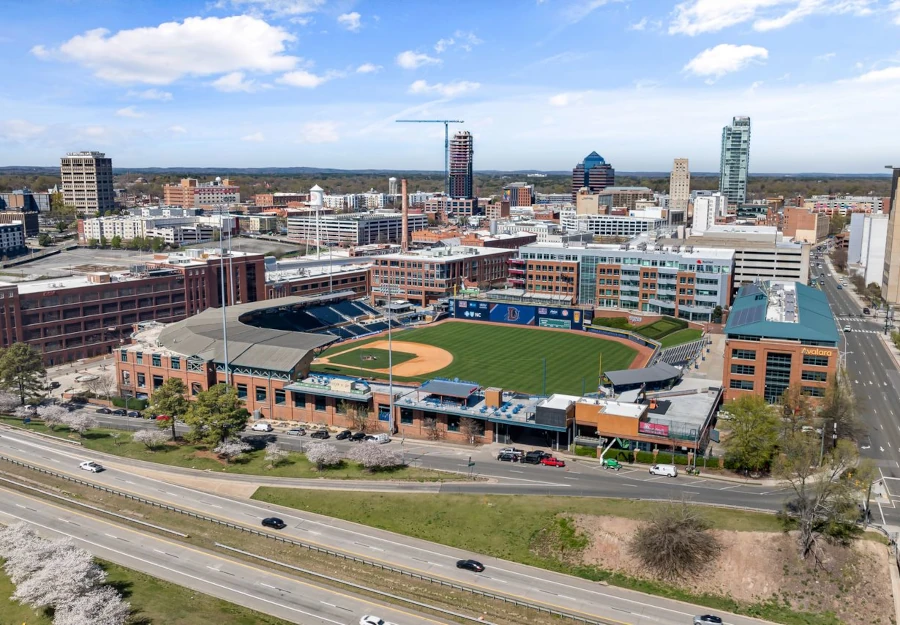

Professional IQ testing in Durham – whether you need an assessment for school, employment, gifted program eligibility, or personal insight, we connect you with licensed psychologists in the Durham area.
Last Updated: September 2026
Child IQ Testing
WISC-V & Stanford-Binet for ages 6–16. Gifted identification, learning profiles.
Adult IQ Testing
WAIS-IV & WAIS-5 available. Comprehensive adult cognitive assessments. Clinical & occupational.
WISC-V Test
Wechsler Intelligence Scale for Children® Fifth Edition – the gold standard for child IQ testing.
WAIS-IV & WAIS-5 Tests
Wechsler Adult Intelligence Scale® – Fourth Edition (WAIS-IV) and Fifth Edition (WAIS-5) available for adult IQ testing.
Gifted Testing
Identify giftedness for school placement, enrichment, and talent programs using WISC-V or Stanford-Binet.
Stanford-Binet 5
Stanford-Binet Intelligence Scales Fifth Edition – comprehensive cognitive assessment for all ages.
Mensa Testing
Mensa admission testing and preparation for the high-IQ society. Accepts WAIS-IV, WAIS-5, and Stanford-Binet 5 scores.
Full Evaluation
Combined assessment with detailed report and recommendations. Includes WISC-V, WAIS-IV, WAIS-5, or Stanford-Binet 5 as appropriate.
IQ Testing in Durham: city context
Durham is a principal city of North Carolina's Research Triangle and a major center for medicine, higher education, biotechnology, data science, public policy, and entrepreneurship. The U.S. Census Bureau estimated 305,561 residents in 2025, a 7.6% increase from the 2020 estimates base, across approximately 112.79 square miles of land.
The local assessment ecosystem is shaped by Duke University and Duke Health, North Carolina Central University, Durham Technical Community College, Durham Public Schools, Research Triangle Park employers, the Durham VA Health Care System, private practices, and regional specialty services in Chapel Hill and Raleigh.
Gender, age and demographic statistics
Current Census estimates provide population context but do not establish separate city IQ averages:
- Female population: 52.9%.
- Residents under age 18: 20.1%.
- Residents age 65 or older: 13.5%.
- White alone: 42.1%.
- Black or African American alone: 33.5%.
- Asian alone: 5.8%.
- Two or more races: 9.7%.
- Hispanic or Latino: 15.2%; Hispanic origin may overlap with racial categories.
- Foreign-born residents: 15.4% in 2020–2024 estimates.
- Language other than English at home: 20.9% of residents age five and older.
- Education: 92.1% of adults age 25 and older are high-school graduates or higher, and 57.3% hold a bachelor's degree or higher.
- Labor-force participation: 69.1% overall and 66.5% among women age 16 and older.
- Clinical interpretation: Professional tests use age-based national norms. Education, language, culture, disability, medical history, sleep, medication, attention, mood, and testing conditions must be considered for each individual.
What is professional IQ testing?
Intelligence quotient (IQ) testing is a standardized method to measure human cognitive abilities and intellectual potential. Professional IQ tests are administered by licensed psychologists in a controlled environment to ensure accuracy and reliability. Unlike online quizzes, clinical assessments provide a full-scale IQ score along with detailed breakdowns of verbal comprehension, perceptual reasoning, working memory, and processing speed.
In Durham, IQ testing is commonly used for gifted program admission, learning disability identification, career guidance, neuropsychological evaluation, and personal development. The results are presented in a comprehensive report that includes normative comparisons, strengths and weaknesses, and actionable recommendations.
Who should get tested?
IQ testing can benefit children, adolescents, and adults in various situations:
- Children: Parents often seek testing for school readiness, gifted placement, or to understand learning challenges.
- Adults: Many adults take IQ tests for career advancement, graduate school applications, or personal curiosity.
- Mensa candidates: High-IQ societies require official test scores for membership.
- Clinical referrals: Psychologists may recommend testing as part of a broader neuropsychological evaluation.
Types of IQ tests
We offer the most recognized and scientifically validated intelligence tests in the field:
- WISC-V (Wechsler Intelligence Scale for Children® – Fifth Edition): The gold standard for children aged 6:0–16:11. It provides a Full-Scale IQ and five primary index scores.
- WAIS-IV (Wechsler Adult Intelligence Scale® – Fourth Edition): The most widely used adult IQ test for ages 16–90. It measures cognitive functioning across four domains.
- Stanford-Binet Intelligence Scales – Fifth Edition: A comprehensive assessment for ages 2–85, often used for gifted identification and clinical evaluations.
- Gifted Testing: Often includes the WISC-V or Stanford-Binet, plus additional creativity and achievement measures.
- Mensa Testing: We provide official Mensa admission testing and preparation materials.
How the testing process works
- Initial consultation: Brief phone or video call to discuss your needs and match you with the right psychologist.
- Testing session: In-person or remote testing (depending on the test) with a licensed psychologist. Most sessions last 1–2 hours.
- Scoring and interpretation: The psychologist scores the test and interprets the results in the context of your background and goals.
- Feedback session: A detailed review of your results, including strengths, weaknesses, and practical recommendations.
- Comprehensive report: You receive a written report with all scores, normative comparisons, and actionable next steps.
How much does IQ testing cost in Durham?
Fees depend on the referral question, test battery, psychologist's specialty, report depth, urgency, and whether school, disability, legal, or medical documentation is required. A focused IQ assessment may range from several hundred dollars to more than $1,000, while comprehensive psychoeducational, ADHD, autism, forensic, or neuropsychological evaluations can cost substantially more because they involve interviews, records, multiple instruments, interpretation, feedback, and a detailed report.
Insurance may cover part of an evaluation when it is medically necessary and the provider is in network, but gifted, school-placement, career, Mensa, and personal-interest testing is often self-pay. Obtain written estimates and verify the receiving organization's requirements before testing.
Durham's Intellectual History & Legacy
Durham's intellectual identity combines historically Black higher education, a major research university and medical center, tobacco and textile history, civil-rights leadership, biotechnology, public policy, and a nationally recognized entrepreneurial culture.
For Durham residents who want an informal introduction to reasoning questions, an online IQ test can be a useful starting point, while a licensed psychologist is necessary when formal documentation or diagnosis is required.
- Duke University: Research strengths span medicine, neuroscience, engineering, public policy, law, business, data science, humanities, social science, and environmental studies.
- North Carolina Central University: Founded in 1910, NCCU is a historically Black university with strengths in law, education, biomedical sciences, business, public administration, library science, and the arts.
- Black Wall Street and civil rights: Parrish Street, North Carolina Mutual, Mechanics and Farmers Bank, the Hayti community, and local activists shaped African American economic and civic history.
- Research Triangle Park: Located between Durham, Raleigh, and Chapel Hill, RTP supports life sciences, technology, analytics, engineering, clinical research, and advanced manufacturing.
- Medical innovation: Duke University Hospital, Duke Regional Hospital, the Durham VA, and research institutes support specialized care and clinical investigation.
- Creative economy: The American Tobacco Campus, downtown redevelopment, performing arts, food entrepreneurship, design, film, and independent media contribute to the city's knowledge economy.
Top Employers in Durham Requiring Cognitive Skills
- Duke University and Duke Health: Medicine, nursing, research, analytics, administration, information technology, education, laboratories, and specialized clinical services.
- Durham Public Schools: Teaching, advanced academics, school psychology, counseling, special education, data, operations, and administration.
- North Carolina Central University: Higher education, law, research, public service, health sciences, business, and technology.
- City and County of Durham: Planning, public safety, engineering, transit, social services, public health, libraries, and administration.
- Research Triangle Park employers: Biotechnology, pharmaceuticals, clinical research, software, cybersecurity, data science, engineering, and professional services.
- Major technology and life-science organizations: IBM, Fidelity, IQVIA, Biogen, Wolfspeed, and other regional employers use varied analytical, technical, communication, and leadership skills.
- Nonprofits and research institutes: RTI International, educational organizations, foundations, community agencies, and policy groups require research, evaluation, program-management, and communication abilities.
- Logistics, construction, hospitality, and small business: Durham's growth supports skilled trades, operations, design, management, entrepreneurship, and customer-facing work.
Durham IQ Testing by Neighborhood
- Downtown and Central Durham: American Tobacco, Brightleaf, City Center, and nearby neighborhoods offer access to transit, universities, medical offices, and professional services.
- Duke and Ninth Street: University, hospital, research, and student communities generate referrals for adult assessment, accommodations, graduate planning, and medical neuropsychology.
- South Durham: I-40, NC 55, Fayetteville Road, and Research Triangle Park access support families and professionals commuting from suburban communities.
- East Durham and NCCU: Educational, healthcare, community, and university services support children, adults, and students from diverse linguistic and cultural backgrounds.
- North Durham: Families near Eno River, Guess Road, Roxboro Road, and northern county communities should account for longer cross-city travel and limited fixed-route transit in some areas.
- Regional access: Chapel Hill, Hillsborough, Cary, Raleigh, and RTP are nearby, but school-system rules, provider networks, and report-acceptance standards differ by jurisdiction.
Durham Universities and Research Institutions
- Duke University: Reported 17,325 students in fall 2025, including 6,525 undergraduates and 10,800 graduate and professional students.
- North Carolina Central University: Reported a record 9,281 students in fall 2025, including 7,325 undergraduates and 1,956 graduate or professional students.
- Durham Technical Community College: Provides degree, diploma, certificate, continuing-education, health-technology, workforce, university-transfer, and dual-enrollment pathways.
- Duke University Health System: Academic medicine, clinical research, neuroscience, psychiatry, pediatrics, rehabilitation, and professional training create extensive assessment-related resources.
- Research Triangle Park: Nearby companies and institutes provide internships, laboratories, employment, and collaborations in biotechnology, pharmaceuticals, computing, data, engineering, and public health.
- Triangle universities: UNC-Chapel Hill, NC State, and regional consortia broaden graduate, medical, educational, and research opportunities.
Durham Economic Context
- Median household income: $81,619 in 2020–2024 Census estimates.
- Per-capita income: $49,636.
- Residents in poverty: 11.7%.
- Bachelor's degree or higher: 57.3% of adults age 25 and older.
- Mean travel time to work: 22.3 minutes, although trips to RTP, Raleigh, Chapel Hill, or across the county can be longer.
- Health care and social assistance: Census business data report approximately $6.11 billion in 2022 receipts/revenue within the city.
- Transportation and warehousing: Approximately $538.5 million in 2022 receipts/revenue.
- Accommodation and food services: Approximately $1.28 billion in 2022 sales.
- Retail sales: The city-level 2022 QuickFacts value is suppressed for confidentiality, so it should not be replaced with an unsupported estimate.
- Regional strengths: Academic medicine, healthcare, biotechnology, pharmaceuticals, software, data science, education, public policy, financial services, advanced manufacturing, nonprofits, arts, hospitality, logistics, and entrepreneurship.
Durham School District Data
- Durham Public Schools Advanced Academics: DPS serves academically and intellectually gifted students and also provides advanced-learning supports beginning in the primary grades.
- Identification timing: District materials describe assessments beginning as early as second grade, with AIG services continuing through elementary and middle school.
- Multiple measures: Ability, achievement, classroom performance, work samples, observations, and demonstrated need may be considered under the current local AIG plan.
- Elementary services: Cluster grouping, differentiated instruction, enrichment, subject advancement, consultation, and AIG-specialist support vary by school and student need.
- Middle-school services: Advanced coursework, compacted or accelerated mathematics, enrichment, differentiated instruction, and specialist support are available according to placement and scheduling.
- High-school pathways: AP, IB at selected schools, honors courses, dual enrollment, Career and College Promise, early-college programs, and specialized magnet pathways are available.
- Magnet and specialty schools: Durham School of the Arts, City of Medicine Academy, The School for Creative Studies, J.D. Clement Early College, Middle College at Durham Tech, and other options have separate application or eligibility rules.
- Private and charter schools: Durham Academy, Duke School, Trinity School, Voyager Academy, Research Triangle Charter Academy, and other schools establish their own admissions, acceleration, and testing policies.
- Independent reports: A private WISC-V or Stanford-Binet report may add useful information but does not automatically determine DPS identification, magnet assignment, grade acceleration, or special-education eligibility.
Local Testing Centers and Psychologists
- Duke Pediatric Neuropsychology Clinic: Provides comprehensive evaluation for children with medical, neurological, developmental, learning, attention, and behavioral concerns under clinic-specific referral procedures.
- Duke ADHD Clinic and Child and Family Study Center: Offer specialized assessment and treatment resources for appropriate pediatric and family referrals.
- Duke adult neuropsychology and neurology: Evaluate cognitive changes related to neurological illness, injury, aging, movement disorders, epilepsy, cancer, and other medical conditions.
- Durham VA Health Care System: Eligible veterans may access neuropsychology, mental-health, rehabilitation, and specialty services through VA referral pathways.
- Duke Regional Hospital: Provides hospital and specialty services within Durham and may coordinate referrals for cognitive or behavioral concerns.
- Durham Public Schools: School psychologists and educational teams evaluate students when assessment is required for public-school services or disability eligibility.
- North Carolina Psychological Association: Offers a statewide directory that can help families locate licensed psychologists by specialty and geography.
- Private practices: Durham and Triangle clinicians provide gifted, IQ, ADHD, autism, learning-disability, psychoeducational, disability, forensic, and neuropsychological evaluations; verify licensure and report acceptance.
- Research distinction: Duke, NCCU, and Triangle studies may include cognitive measures but do not automatically produce a diagnosis or school-ready report.
- Referral matching: Choose a provider based on age, referral question, test instruments, language needs, medical complexity, legal requirements, accessibility, and turnaround time.
Durham Events and Conferences
- Duke lectures and research events: Public programs cover neuroscience, medicine, data science, ethics, education, public policy, engineering, and the humanities.
- NCCU programs: Academic conferences, law and public-policy events, arts programs, research showcases, and community-engagement activities occur throughout the year.
- North Carolina Psychological Association: Continuing education and professional programs address assessment, ethics, clinical practice, and advocacy.
- North Carolina Association for the Gifted and Talented: Statewide conferences and resources address identification, curriculum, equity, twice-exceptionality, and family advocacy.
- Museum of Life and Science: Exhibits, camps, citizen science, and family programs support advanced interests in nature, engineering, mathematics, and technology.
- Mensa of Eastern North Carolina: Local activities may include social gatherings, discussions, testing coordination, scholarships, and gifted-youth resources.
- Research Triangle events: Meetups and conferences cover software, artificial intelligence, biotechnology, clinical research, entrepreneurship, and advanced manufacturing.
- Schedule verification: Dates, locations, costs, age limits, and registration rules change; confirm directly with the organizer.
Transportation and Accessibility
- Major roads: I-85 runs northeast–southwest through northern Durham; I-885 links I-85 with NC 147 and I-40; NC 147 connects downtown, Duke, and Research Triangle Park; US 15-501 connects Durham with Chapel Hill; NC 55, US 70, and I-40 serve southern and eastern travel.
- Public transit: GoDurham operates local fixed-route bus and ACCESS paratransit service, while GoTriangle provides regional links to Research Triangle Park, Raleigh, Chapel Hill, Cary, and RDU-area destinations.
- Fare context: GoDurham is fare-free through June 2026 under the current city budget; riders should verify policy and service changes before travel.
- Rail and intercity buses: Durham's downtown Amtrak station serves Piedmont and Carolinian trains; intercity bus service is available from downtown and regional terminals.
- Airport: Raleigh-Durham International Airport is approximately 14–18 miles from central Durham, depending on route and starting point.
- Distance to other cities: Approximately 20 minutes to Chapel Hill, 30 minutes to Raleigh, 15–25 minutes to Research Triangle Park and RDU, about 1 hour to Greensboro, 2.25 hours to Charlotte, and 2.5 hours to Richmond, depending on traffic.
- Walkability: Downtown, American Tobacco, Brightleaf, Ninth Street, Duke East Campus, and portions of Central Park and Old West Durham provide concentrated pedestrian access; many outer areas remain automobile oriented.
- Bike infrastructure: The 22-plus-mile American Tobacco Trail connects Durham with Chatham and Wake counties. Other facilities include Third Fork Creek Trail, Ellerbe Creek Trail, West Ellerbe Creek Trail, neighborhood bike routes, and planned Durham Rail Trail connections.
- Accessibility: Eligible riders may use GoDurham ACCESS; testing appointments should include extra pickup, transfer, and boarding time.
- Testing-day planning: Check I-85, NC 147, I-40, Duke event traffic, downtown construction, school-release periods, transit alerts, and severe-weather notices before traveling.
Durham Weather and Seasonal Considerations
- Humid subtropical climate: Durham has hot, humid summers, generally mild winters, spring pollen, and rainfall throughout the year.
- Summer heat: High temperatures and humidity can affect sleep, hydration, medication tolerance, fatigue, and testing comfort.
- Winter disruptions: Occasional freezing rain, sleet, or snow can close schools and delay appointments even when accumulation is modest.
- Spring pollen: Tree and grass pollen may affect headaches, sleep, medication use, and concentration for sensitive clients.
- Severe weather: Thunderstorms, tropical-system remnants, flooding, high winds, and occasional tornado warnings can disrupt travel.
- Campus and medical traffic: Duke events, move-in periods, graduations, and major medical appointments can affect parking and travel time.
- School-placement cycle: Fall and winter often bring AIG referrals, magnet planning, private-school deadlines, and accommodation requests.
- Seasonal interpretation: Examiners document temporary influences such as sleep, illness, allergies, medication, anxiety, heat, and travel disruption rather than assuming a seasonal IQ effect.
Areas we serve
We support clients throughout the City of Durham. Recommendations are based on age, referral purpose, examiner qualifications, accessibility, school or agency requirements, and whether standardized administration must occur in person.
- Children and families: Gifted identification, school placement, learning profiles, ADHD and learning-disability assessment, and comprehensive evaluations.
- Adults: WAIS testing, career guidance, graduate-school planning, Mensa evidence, accommodations, and diagnostic evaluations.
- Schools and professionals: Consultation and documentation are provided subject to the receiving organization's current requirements.
- All areas of Durham: We support all areas of the city without using repetitive neighborhood lists in the footer.
Frequently Asked Questions
WISC-V is for children aged 6–16, while WAIS-IV is for adults aged 16–90. Each is normed for its specific age group.
Most IQ tests take between 60 and 90 minutes, plus a feedback session. Allow 2–3 hours total.
No, you can book directly with our psychologists. We serve both self-referred and professionally referred individuals.
Some professionally administered scores may be submitted as prior evidence, but acceptance is determined solely by American Mensa under its current rules.
Some plans cover cognitive assessments when there is a clinical indication. Check with your provider.
Get a good night's sleep, eat a healthy meal, and arrive relaxed. No specific preparation is needed.
You'll receive a comprehensive report with your scores and tailored recommendations.
Interviews and feedback may be available remotely, but many standardized cognitive tests require controlled administration and may need an in-person appointment. Contact us for details.