
IQ Testing in Buffalo
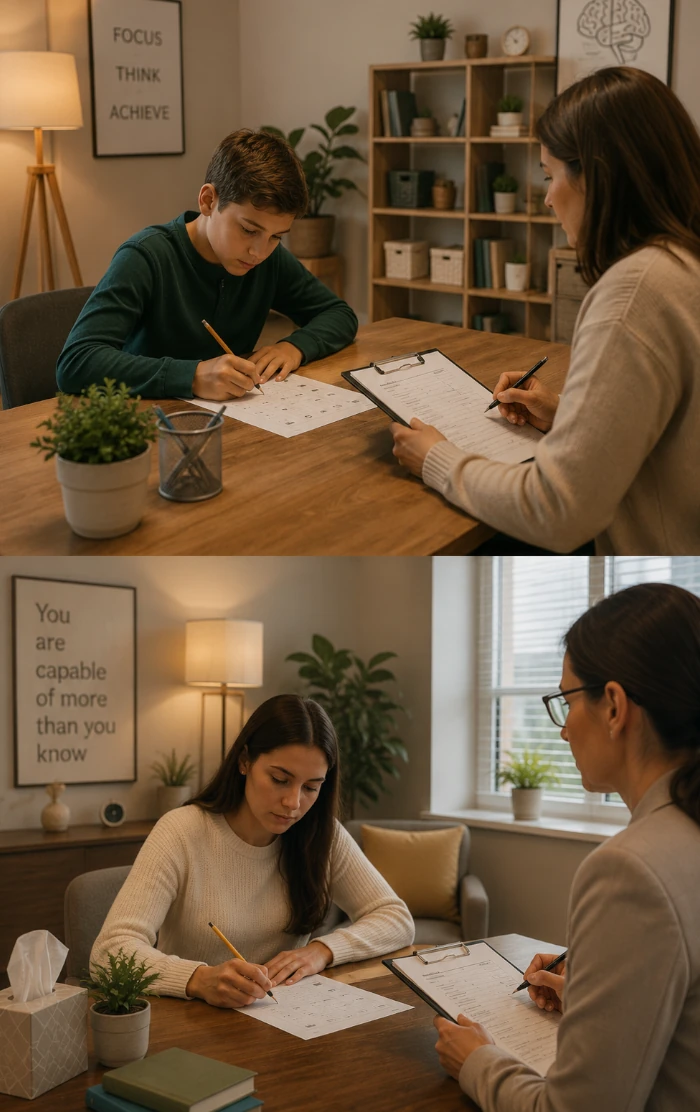
Professional IQ testing in Buffalo – whether you need an assessment for school, employment, gifted program eligibility, or personal insight, we connect you with licensed psychologists in the Buffalo area.
Last Updated: September 2026
Child IQ Testing
WISC-V & Stanford-Binet for ages 6–16. Gifted identification, learning profiles.
Adult IQ Testing
WAIS-IV & WAIS-5 available. Comprehensive adult cognitive assessments. Clinical & occupational.
WISC-V Test
Wechsler Intelligence Scale for Children® Fifth Edition – the gold standard for child IQ testing.
WAIS-IV & WAIS-5 Tests
Wechsler Adult Intelligence Scale® – Fourth Edition (WAIS-IV) and Fifth Edition (WAIS-5) available for adult IQ testing.
Gifted Testing
Identify giftedness for school placement, enrichment, and talent programs using WISC-V or Stanford-Binet.
Stanford-Binet 5
Stanford-Binet Intelligence Scales Fifth Edition – comprehensive cognitive assessment for all ages.
Mensa Testing
Mensa admission testing and preparation for the high-IQ society. Accepts WAIS-IV, WAIS-5, and Stanford-Binet 5 scores.
Full Evaluation
Combined assessment with detailed report and recommendations. Includes WISC-V, WAIS-IV, WAIS-5, or Stanford-Binet 5 as appropriate.
IQ Testing in Buffalo: city context
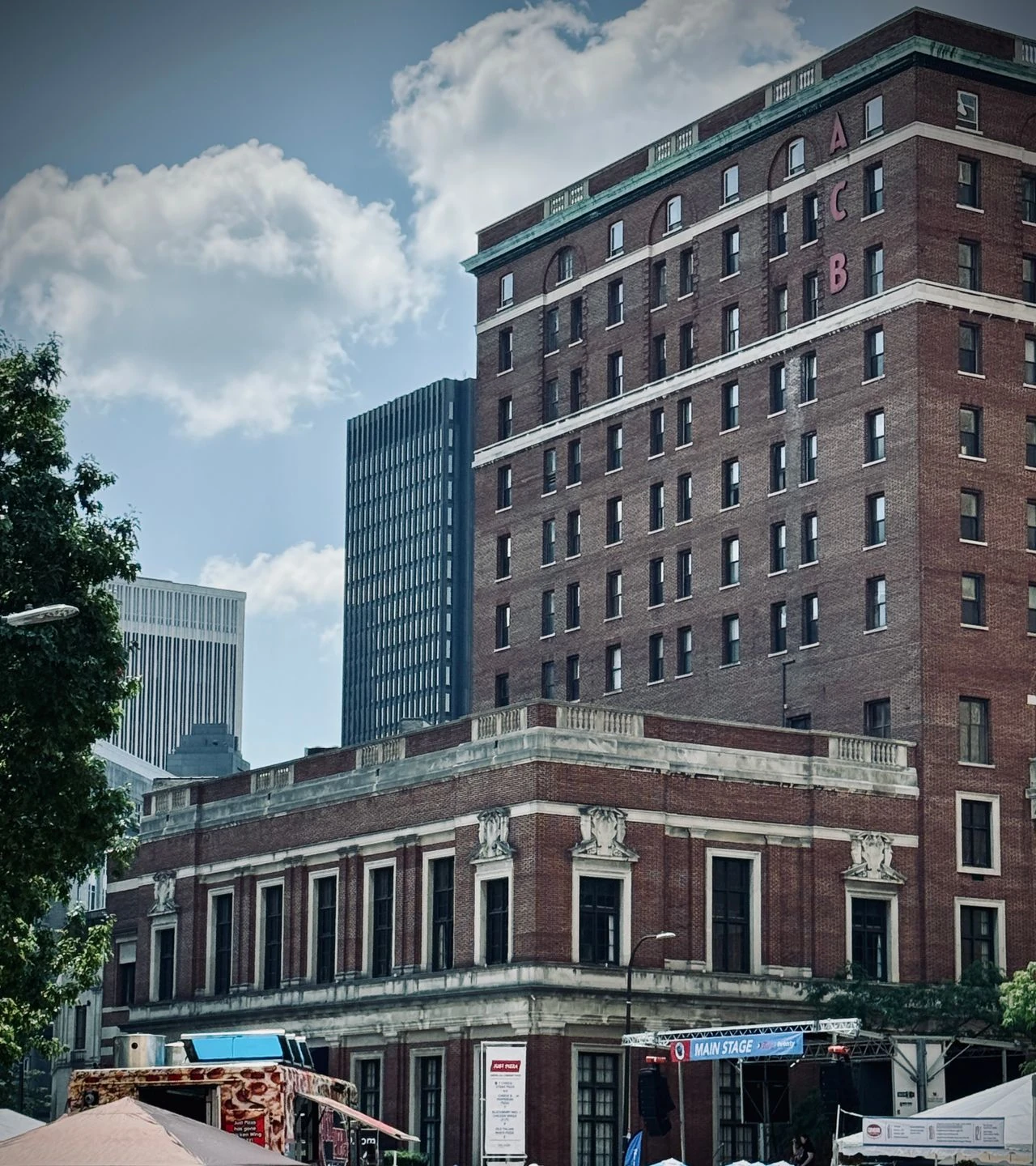
Buffalo is the seat of Erie County and the principal city of Western New York, located on Lake Erie near the head of the Niagara River and the Canadian border. The U.S. Census Bureau estimated 274,613 residents on July 1, 2025, compared with 278,349 residents counted in the 2020 Census, across approximately 40.38 square miles of land. Local demand for cognitive assessment is shaped by Buffalo Public Schools, private and charter schools, universities, the Buffalo Niagara Medical Campus, major healthcare and financial employers, veterans' services, and families seeking gifted identification, disability documentation, career planning, graduate-school preparation, or diagnostic clarification.
The assessment ecosystem includes private New York-licensed psychologists, UBMD Neurology and its neuropsychology services, Golisano Children's Hospital of Buffalo and the Robert Warner Center, Buffalo VA Medical Center, school-based evaluation teams, the University at Buffalo, Buffalo State University, Canisius University, D'Youville University, SUNY Erie, and specialty practices throughout Erie County.
- Common referral goals: Gifted and talented assessment, school-placement planning, ADHD and learning-disability evaluation, disability accommodations, career guidance, graduate-school preparation, neuropsychological questions, Mensa prior evidence, and personal insight.
- Regional access: Clients may travel from Amherst, Cheektowaga, Tonawanda, West Seneca, Lackawanna, Hamburg, Orchard Park, Niagara County, and other Western New York communities for specialized services.
- Provider matching: The appropriate examiner depends on age, referral purpose, test edition, language needs, disability status, report recipient, insurance requirements, and whether the question is educational, clinical, occupational, forensic, or medical.
Gender, age and demographic statistics
Current Census estimates describe Buffalo's population but do not establish separate local IQ averages for demographic groups:
- Female population: 52.3%.
- Residents under age 18: 22.3%.
- Residents age 65 and older: 14.2%.
- White alone: 44.3%.
- Black or African American alone: 32.2%.
- American Indian and Alaska Native alone: 0.4%.
- Asian alone: 8.8%.
- Two or more races: 9.0%.
- Hispanic or Latino: 12.3%; Hispanic origin may overlap with racial categories.
- Foreign-born residents: 10.9%.
- Language other than English at home: 19.2% of residents age five and older.
- Education: 87.0% of adults age 25 and older are high-school graduates or higher, and 31.2% hold a bachelor's degree or higher.
- Labor-force participation: 60.4% overall and 58.7% among women age 16 and older.
- Clinical interpretation: Examiners use age-based national norms and consider education, language, culture, disability, medical history, attention, mood, sleep, medication, and testing conditions rather than inferring ability from gender, race, ethnicity, income, or neighborhood.
What is professional IQ testing?
Intelligence quotient (IQ) testing is a standardized method to measure human cognitive abilities and intellectual potential. Professional IQ tests are administered by licensed psychologists in a controlled environment to ensure accuracy and reliability. Unlike online quizzes, clinical assessments provide a full-scale IQ score along with detailed breakdowns of verbal comprehension, perceptual reasoning, working memory, and processing speed.
In Buffalo, IQ testing is commonly used for gifted program admission, learning disability identification, career guidance, neuropsychological evaluation, and personal development. The results are presented in a comprehensive report that includes normative comparisons, strengths and weaknesses, and actionable recommendations.
Who should get tested?
IQ testing can benefit children, adolescents, and adults in various situations:
- Children: Parents often seek testing for school readiness, gifted placement, or to understand learning challenges.
- Adults: Many adults take IQ tests for career advancement, graduate school applications, or personal curiosity.
- Mensa candidates: High-IQ societies require official test scores for membership.
- Clinical referrals: Psychologists may recommend testing as part of a broader neuropsychological evaluation.
Types of IQ tests
We offer the most recognized and scientifically validated intelligence tests in the field:
- WISC-V (Wechsler Intelligence Scale for Children® – Fifth Edition): The gold standard for children aged 6:0–16:11. It provides a Full-Scale IQ and five primary index scores.
- WAIS-IV (Wechsler Adult Intelligence Scale® – Fourth Edition): The most widely used adult IQ test for ages 16–90. It measures cognitive functioning across four domains.
- Stanford-Binet Intelligence Scales – Fifth Edition: A comprehensive assessment for ages 2–85, often used for gifted identification and clinical evaluations.
- Gifted Testing: Often includes the WISC-V or Stanford-Binet, plus additional creativity and achievement measures.
- Mensa Testing: We provide official Mensa admission testing and preparation materials.
How the testing process works
- Initial consultation: Brief phone or video call to discuss your needs and match you with the right psychologist.
- Testing session: In-person or remote testing (depending on the test) with a licensed psychologist. Most sessions last 1–2 hours.
- Scoring and interpretation: The psychologist scores the test and interprets the results in the context of your background and goals.
- Feedback session: A detailed review of your results, including strengths, weaknesses, and practical recommendations.
- Comprehensive report: You receive a written report with all scores, normative comparisons, and actionable next steps.
How much does IQ testing cost in Buffalo?
The cost of IQ testing in Buffalo varies depending on the type of test, the psychologist's experience, and whether a comprehensive report is required. Typical fees range from $200 to $1,200 for a full assessment. Gifted testing and Mensa admission testing are often at the lower end, while neuropsychological evaluations may be higher.
Some insurance plans cover IQ testing when it's deemed medically necessary. We recommend checking with your provider for details. We also offer affordable payment plans and sliding-scale options for qualifying individuals.
Buffalo's Intellectual History & Legacy
- University at Buffalo: Founded in 1846 and now New York's flagship public university, UB anchors research in medicine, neuroscience, engineering, computing, education, law, business, public health, and the social sciences.
- Buffalo State University: Established in 1871, Buffalo State has a long teacher-education tradition and now supports applied research, arts, design, education, psychology, science, and professional programs.
- Roswell Park Comprehensive Cancer Center: Founded in Buffalo in 1898, Roswell Park helped establish the model of a dedicated cancer research and treatment institution and remains central to the Buffalo Niagara Medical Campus.
- Engineering and invention: Buffalo's industrial history includes grain-elevator engineering, electrification linked to Niagara power, aerospace and advanced manufacturing, and Willis Carrier's early development of modern air-conditioning technology in the region.
- Architecture and urban planning: Frederick Law Olmsted's park and parkway system, major works by Frank Lloyd Wright and H.H. Richardson, and Buffalo's historic neighborhoods support architecture, preservation, planning, and design education.
- Libraries and museums: The Buffalo & Erie County Public Library, Buffalo Museum of Science, Buffalo AKG Art Museum, Buffalo History Museum, and local cultural institutions provide research, literacy, STEM, arts, and public-learning resources.
- Contemporary knowledge economy: The Buffalo Niagara Medical Campus, UB research programs, M&T Bank, technology firms, life-science organizations, and advanced manufacturers employ workers whose roles demand complex reasoning, communication, quantitative analysis, and rapid learning.
Top Employers in Buffalo Requiring Cognitive Skills
Employer size does not imply that an employer requires IQ testing. The organizations below illustrate Buffalo Niagara sectors in which cognitive strengths may be important for hiring, training, licensure, safety, leadership, or professional development:
Before arranging a formal evaluation in Buffalo, adults and families can try an online IQ test to become familiar with common reasoning tasks, keeping in mind that it cannot replace professional assessment.
- Kaleida Health and Catholic Health: Clinical reasoning, patient care, pharmacy, nursing, rehabilitation, laboratory science, health informatics, administration, and quality improvement.
- M&T Bank, Citi, HSBC, KeyBank, and financial-services employers: Risk, compliance, cybersecurity, analytics, accounting, lending, operations, and management.
- University at Buffalo and Buffalo State University: Research, teaching, engineering, computing, healthcare, student services, administration, and laboratory work.
- Roswell Park Comprehensive Cancer Center and UBMD: Oncology, biomedical research, clinical trials, data science, imaging, neuropsychology, and specialized patient care.
- Moog, General Motors, Tesla, Cummins, Ford, and regional manufacturers: Engineering, automation, skilled trades, quality, controls, supply chain, safety, and continuous improvement.
- GEICO, Highmark Blue Cross Blue Shield, Independent Health, and Univera: Insurance analysis, actuarial work, claims, healthcare operations, customer systems, and compliance.
- Government and public institutions: City of Buffalo, Erie County, Buffalo Public Schools, New York State agencies, NFTA, and federal services require varied administrative, technical, public-safety, education, and policy skills.
- Important distinction: A cognitive assessment should be used only for a legitimate clinical, educational, accommodation, or personal-planning purpose and interpreted by a qualified psychologist; it is not a general substitute for job-specific evaluation.
Buffalo IQ Testing by City Area
- Downtown and the Buffalo Niagara Medical Campus: Convenient for hospital, university, government, legal, and professional referrals; parking, Metro Rail, events, and medical-campus traffic should be considered.
- Elmwood Village, Allentown, and the West Side: Dense mixed-use areas with bus service, walkable commercial corridors, university access, and diverse multilingual communities.
- North Buffalo, Hertel Avenue, and University Heights: Access to schools, the University at Buffalo South Campus, Metro Rail, family services, and nearby Amherst providers.
- East Side neighborhoods: Families and adults may use BPS, community-health, library, workforce, and private-provider pathways; transportation and interpreter access should be discussed when scheduling.
- South Buffalo, Lovejoy, Kaisertown, and the Valley: Road access via I-190, NY-5, South Park Avenue, Abbott Road, and neighborhood bus routes varies by exact location.
- Black Rock and Riverside: Niagara Street, Tonawanda Street, I-190, bus routes, and trail connections shape travel to downtown and northern Erie County.
- Citywide service: We support all areas of Buffalo and avoid treating neighborhood, ZIP code, race, language, school, or income as a proxy for cognitive ability.
Buffalo Universities and Research Institutions
- University at Buffalo: More than 300 graduate and professional programs span medicine, dentistry, pharmacy, law, engineering, education, public health, architecture, management, arts, sciences, and social work.
- Buffalo State University: Offers undergraduate and graduate study in education, applied psychology, data and multidisciplinary fields, arts, design, science, public administration, and professional programs.
- Canisius University: Graduate programs include business, education, cybersecurity, data analytics, sport administration, counseling-related fields, and health programs.
- D'Youville University: Emphasizes health sciences, nursing, pharmacy, rehabilitation, business, education, and interprofessional healthcare training.
- SUNY Erie Community College: Provides transfer preparation, technical education, workforce credentials, health programs, and continuing education across Erie County.
- Nearby institutions: Daemen University, Niagara University, Hilbert College, and other Western New York colleges expand options in health, education, business, liberal arts, and professional study.
- Research ecosystem: UB, Roswell Park, Hauptman-Woodward Medical Research Institute, the Jacobs Institute, and Buffalo Niagara Medical Campus partners support neuroscience, cancer, structural biology, vascular science, data, engineering, and clinical research.
Buffalo Economic Context
- Median household income: $50,041 in 2020–2024 Census estimates, stated in 2024 dollars.
- Per-capita income: $31,843.
- Residents in poverty: 26.0%.
- Bachelor's degree or higher: 31.2% of adults age 25 and older.
- Mean travel time to work: 19.9 minutes, although snow, bridge traffic, medical-campus congestion, border travel, and suburban commutes can lengthen trips.
- Health and social-assistance activity: Census business data report approximately $6.54 billion in 2022 receipts/revenue within the city.
- Transportation and warehousing: Approximately $464.4 million in 2022 receipts/revenue reflects city-based logistics activity; the broader regional sector is larger and includes cross-border trade, rail, trucking, air cargo, and distribution.
- Accommodation and food services: Approximately $805.9 million in 2022 sales.
- Retail sales: Approximately $1.98 billion in 2022, or about $7,162 per capita.
- Regional strengths: Healthcare and life sciences, financial and business services, advanced manufacturing, education, logistics and cross-border commerce, tourism and hospitality, food production, technology, government, construction, and the nonprofit sector.
Buffalo School District Data
- Buffalo Public Schools Gifted & Talented: BPS identifies specific application and testing pathways for Arthur O. Eve School of Distinction #61 and Frederick Law Olmsted #64.
- Admissions testing: Frederick Law Olmsted #156 and City Honors School #195 use district admissions-testing procedures for specified grades; families must follow the current annual application, registration, residency, and testing rules.
- Advanced programming: BPS describes Gifted & Talented programming in grades K–9, International Baccalaureate opportunities, dual credit and dual enrollment, Advanced Placement, and career and technical education tracks.
- New York State framework: Public schools must screen new entrants for possible giftedness, disability, and English-language needs, but New York does not require every district to operate a gifted program.
- Charter schools: Public charter admission generally follows enrollment and lottery rules rather than private IQ selection; cognitive testing may inform services after enrollment when clinically or educationally appropriate.
- Nearby districts: Amherst, Williamsville, Kenmore-Town of Tonawanda, Cheektowaga, West Seneca, Sweet Home, and other districts maintain separate screening, acceleration, special-education, and advanced-course procedures.
- Private and parochial schools: Admissions, placement, acceleration, and acceptance of outside testing vary by school and year; obtain written requirements before scheduling an assessment.
- Outside evaluations: A private WISC-V, Stanford-Binet, or full psychoeducational report may add useful information but does not automatically control a public-school placement or service decision.
Local Testing Centers and Psychologists
- UBMD Neurology: Official service information describes adult and child neuropsychological testing, with Buffalo and Williamsville locations and referral pathways tied to neurological and developmental questions.
- Golisano Children's Hospital of Buffalo: The Robert Warner Center for Developmental Pediatrics and Rehabilitation lists a Neuropsychological Evaluation Clinic; referral criteria, age range, wait times, and insurance requirements should be confirmed.
- Buffalo General Medical Center and Gates Vascular Institute: Neurology and specialty-care pathways may involve cognitive assessment when medically indicated, often through UBMD or affiliated clinicians.
- Buffalo VA Medical Center: Eligible veterans can access primary, mental-health, rehabilitation, and specialty services through VA Western New York; cognitive or neuropsychological referrals depend on the clinical question and VA procedures.
- Erie County Medical Center: Neurology, rehabilitation, psychiatry, trauma, and hospital services may coordinate cognitive assessment or external referral when appropriate.
- Private psychologists and neuropsychologists: Buffalo-area practices vary in child, adult, ADHD, autism, learning-disability, gifted, forensic, disability, presurgical, and neuropsychological expertise.
- School-based evaluation: BPS and other districts evaluate eligible students under educational rules when disability, special-education, or school-service questions are involved.
- Credential verification: Confirm New York psychology licensure, neuropsychology training when relevant, test edition, age range, language competence, report scope, fees, turnaround time, and receiving-institution requirements before scheduling.
Buffalo Events and Conferences
- University at Buffalo: Public lectures, research symposia, graduate-program events, career fairs, continuing education, arts programs, and health-science presentations occur throughout the year.
- Buffalo State, Canisius, and D'Youville: Education, business, health, technology, leadership, arts, and community events support students and working adults.
- Buffalo Niagara Medical Campus: Member institutions host research, innovation, health, entrepreneurship, and professional-development programs.
- Buffalo Museum of Science, Explore & More, and Tifft Nature Preserve: STEM, maker, environmental, family, and youth programming can supplement school-based enrichment.
- Buffalo & Erie County Public Library: Literacy, research, technology, genealogy, workforce, language-learning, maker, and youth programs serve all ages.
- Buffalo AKG Art Museum and cultural organizations: Visual arts, design, music, theater, writing, and public programs provide creative enrichment.
- Western New York Mensa: The local chapter offers member activities and gifted-youth resources; event frequency, testing sessions, and eligibility procedures depend on current volunteer and American Mensa schedules.
Transportation and Accessibility
- Major roads: I-90/New York State Thruway connects Buffalo with Rochester, Syracuse, Albany, Erie, and Cleveland corridors; I-190 follows the Niagara River and links downtown with Grand Island and Niagara Falls; NY-33/Kensington Expressway connects downtown with the airport area; NY-198/Scajaquada Expressway crosses the north side; NY-5, US-62/Bailey Avenue, Main Street, Delaware Avenue, Elmwood Avenue, Niagara Street, Genesee Street, and Route 16/Seneca Street serve major local movements.
- Public transit: NFTA-Metro operates bus and rail service across Buffalo and Erie and Niagara counties. Metro Rail connects downtown, the Buffalo Niagara Medical Campus, Allen/Medical Campus, Utica, Delavan, Amherst Street, LaSalle, and University Station; local bus routes serve major neighborhoods and suburban transfer points.
- Airport transit: NFTA Route 24/24L Genesee and Route 78 Cheektowaga Express provide options between downtown Buffalo and Buffalo Niagara International Airport, subject to current schedules.
- Airport: Buffalo Niagara International Airport (BUF), at 4200 Genesee Street in Cheektowaga, serves the region with up to about 100 nonstop flights per day to dozens of destinations, plus connecting service.
- Intercity rail and bus: Buffalo has Amtrak stations at Exchange Street downtown and Buffalo-Depew, while intercity buses use downtown and airport-area facilities; travelers should confirm the correct station and current schedule.
- Distance to other cities: Approximately 25–35 minutes to Niagara Falls, New York; 1 hour 15 minutes to Rochester; 1.5–2 hours to Erie, Pennsylvania; around 2 hours to Toronto in light traffic before border delays; about 2.5 hours to Syracuse; and roughly 3 hours to Cleveland, depending on route, traffic, construction, weather, and border processing.
- Walkability: Downtown, Allentown, Elmwood Village, Hertel Avenue/North Buffalo, the Medical Campus, University Heights, and portions of the West Side have strong concentrations of destinations, sidewalks, transit, and mixed-use corridors.
- Bike infrastructure: The Shoreline Trail, Niagara Street cycle track, Scajaquada Creek/198 corridor connections, Delaware Park paths, Outer Harbor routes, Tonawanda Rails to Trails connections, and neighborhood bicycle lanes support local and regional trips; construction and winter maintenance vary.
- Appointment planning: Allow extra time for I-90 and I-190 congestion, downtown events, medical-campus parking, bridge or border traffic, road construction, heavy rain, lake-effect snow, ice, and school arrival or dismissal periods.
Buffalo Weather and Seasonal Considerations
- Four-season climate: Summers are warm and can be humid; winters are cold, cloudy, and snowy; spring and autumn conditions can shift quickly near Lake Erie.
- Lake-effect snow: The National Weather Service notes that more than half of Buffalo's annual snowfall is associated with localized lake-effect processes, so conditions can differ sharply across the city and suburbs.
- Snow belts: South Buffalo and communities south and east of the city can receive much heavier lake-effect snow than areas north of Buffalo during a single event.
- Wind and visibility: Blowing snow, whiteouts, strong lake winds, and rapid temperature changes can affect driving, transit, and appointment safety.
- Thaws, rain, and ice: Winter rain, refreezing, slush, and freeze-thaw cycles can create hazardous sidewalks, parking lots, bridges, and side streets.
- Summer heat and storms: Heat, humidity, thunderstorms, and localized flooding may worsen fatigue, headaches, medication side effects, or travel delays.
- Testing readiness: Schedule when the examinee can arrive rested, fed, appropriately medicated, and without rushing from school, work, a border crossing, or a long regional drive.
Areas we serve
We support all areas of Buffalo.
Frequently Asked Questions
WISC-V is for children aged 6–16, while WAIS-IV is for adults aged 16–90. Each is normed for its specific age group.
Most IQ tests take between 60 and 90 minutes, plus a feedback session. Allow 2–3 hours total.
No, you can book directly with our psychologists. We serve both self-referred and professionally referred individuals.
Some professionally administered scores may be submitted as prior evidence, but acceptance is determined solely by American Mensa under its current rules.
Some plans cover cognitive assessments when there is a clinical indication. Check with your provider.
Get a good night's sleep, eat a healthy meal, and arrive relaxed. No specific preparation is needed.
You'll receive a comprehensive report with your scores and tailored recommendations.
Interviews and feedback may be available remotely, but many standardized cognitive tests require controlled administration and may need an in-person appointment. Contact us for details.