
IQ Testing in Aurora
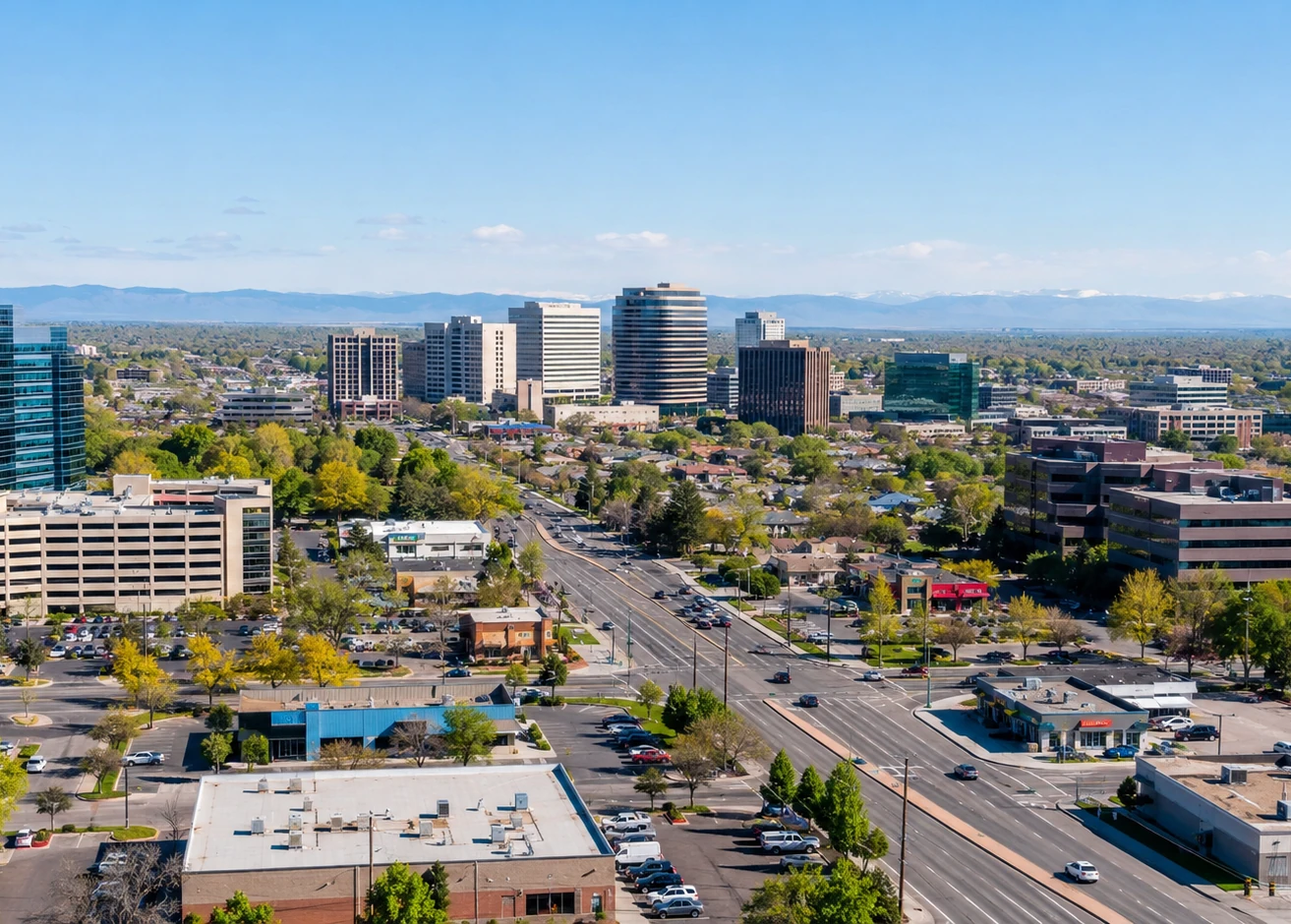
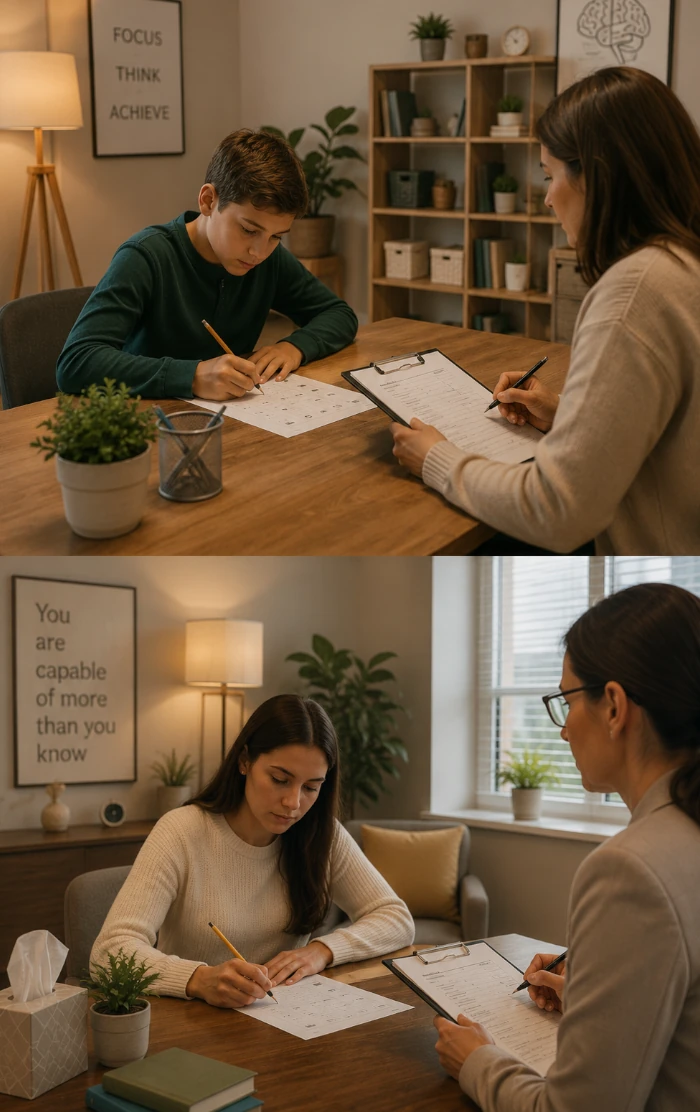
Professional IQ testing in Aurora – whether you need an assessment for school, employment, gifted program eligibility, or personal insight, we connect you with licensed psychologists in the Aurora area.
Last Updated: September 2026
Child IQ Testing
WISC-V & Stanford-Binet for ages 6–16. Gifted identification, learning profiles.
Adult IQ Testing
WAIS-IV & WAIS-5 available. Comprehensive adult cognitive assessments. Clinical & occupational.
WISC-V Test
Wechsler Intelligence Scale for Children® Fifth Edition – the gold standard for child IQ testing.
WAIS-IV & WAIS-5 Tests
Wechsler Adult Intelligence Scale® – Fourth Edition (WAIS-IV) and Fifth Edition (WAIS-5) available for adult IQ testing.
Gifted Testing
Identify giftedness for school placement, enrichment, and talent programs using WISC-V or Stanford-Binet.
Stanford-Binet 5
Stanford-Binet Intelligence Scales Fifth Edition – comprehensive cognitive assessment for all ages.
Mensa Testing
Mensa admission testing and preparation for the high-IQ society. Accepts WAIS-IV, WAIS-5, and Stanford-Binet 5 scores.
Full Evaluation
Combined assessment with detailed report and recommendations. Includes WISC-V, WAIS-IV, WAIS-5, or Stanford-Binet 5 as appropriate.
IQ Testing in Aurora: city context
Aurora is Colorado’s third-largest city and a major center for healthcare, bioscience, aerospace, defense, logistics, education, government, and international communities on the eastern side of the Denver metropolitan area. The city spans portions of Arapahoe, Adams, and Douglas counties and includes dense transit-served districts, established neighborhoods, medical and military employment centers, and rapidly growing eastern communities.
Professional IQ testing in Aurora serves children, adults, military families, multilingual households, university students, healthcare professionals, and workers across the Front Range. Testing may support gifted identification, school planning, diagnostic clarification, disability accommodations, career guidance, graduate preparation, Mensa evidence, or personal understanding.
Gender, age and demographic statistics
- Population: The U.S. Census Bureau estimates 410,053 Aurora residents as of July 1, 2025, a 6.2% increase from the 2020 estimates base.
- Land area: Aurora covers 160.13 square miles across Arapahoe, Adams, and Douglas counties.
- Children: Residents under age 18 account for 23.9% of the population, making child, school-placement, gifted, and learning evaluations important local services.
- Older adults: Residents age 65 and older account for 12.4%, creating referral needs involving memory, neurological conditions, decision-making, and functional independence.
- Gender: Female residents represent 49.7% of the population. Professional tests use age-based norms and do not infer intelligence from gender.
- White residents: 45.6% identify as White alone; 40.9% identify as White alone and not Hispanic or Latino.
- Black residents: 15.9% identify as Black or African American alone.
- American Indian and Alaska Native residents: 1.2% identify in this category.
- Asian residents: 6.1% identify as Asian alone.
- Native Hawaiian and Pacific Islander residents: 0.4% identify in this category.
- Multiracial residents: 18.4% identify with two or more races.
- Hispanic or Latino residents: 31.4% identify as Hispanic or Latino; Hispanic origin may overlap with any racial category.
- Foreign-born residents: 22.4% are foreign born, reflecting Aurora’s international and refugee communities.
- Home language: 33.1% of residents age five and older speak a language other than English at home.
- Veterans: Census estimates list 21,265 veterans, while Buckley Space Force Base also brings active-duty, Guard, Reserve, civilian, contractor, and military-family populations.
- Testing implication: Language history, disability, education, cultural experience, interrupted schooling, and acculturation should be considered before interpreting scores.
- No citywide IQ average: Aurora does not publish a scientifically valid average IQ by gender, race, ethnicity, neighborhood, or school district; claims that do so should be treated cautiously.
What is professional IQ testing?
Intelligence quotient (IQ) testing is a standardized method to measure human cognitive abilities and intellectual potential. Professional IQ tests are administered by licensed psychologists in a controlled environment to ensure accuracy and reliability. Unlike online quizzes, clinical assessments provide a full-scale IQ score along with detailed breakdowns of verbal comprehension, perceptual reasoning, working memory, and processing speed.
In Aurora, IQ testing is commonly used for gifted program admission, learning disability identification, career guidance, neuropsychological evaluation, and personal development. The results are presented in a comprehensive report that includes normative comparisons, strengths and weaknesses, and actionable recommendations.
Who should get tested?
IQ testing can benefit children, adolescents, and adults in various situations:
- Children: Parents often seek testing for school readiness, gifted placement, or to understand learning challenges.
- Adults: Many adults take IQ tests for career advancement, graduate school applications, or personal curiosity.
- Mensa candidates: High-IQ societies require official test scores for membership.
- Clinical referrals: Psychologists may recommend testing as part of a broader neuropsychological evaluation.
Types of IQ tests
We offer the most recognized and scientifically validated intelligence tests in the field:
- WISC-V (Wechsler Intelligence Scale for Children® – Fifth Edition): The gold standard for children aged 6:0–16:11. It provides a Full-Scale IQ and five primary index scores.
- WAIS-IV (Wechsler Adult Intelligence Scale® – Fourth Edition): The most widely used adult IQ test for ages 16–90. It measures cognitive functioning across four domains.
- Stanford-Binet Intelligence Scales – Fifth Edition: A comprehensive assessment for ages 2–85, often used for gifted identification and clinical evaluations.
- Gifted Testing: Often includes the WISC-V or Stanford-Binet, plus additional creativity and achievement measures.
- Mensa Testing: We provide official Mensa admission testing and preparation materials.
How the testing process works
- Initial consultation: Brief phone or video call to discuss your needs and match you with the right psychologist.
- Testing session: In-person or remote testing (depending on the test) with a licensed psychologist. Most sessions last 1–2 hours.
- Scoring and interpretation: The psychologist scores the test and interprets the results in the context of your background and goals.
- Feedback session: A detailed review of your results, including strengths, weaknesses, and practical recommendations.
- Comprehensive report: You receive a written report with all scores, normative comparisons, and actionable next steps.
How much does IQ testing cost in Aurora?
The cost of IQ testing in Aurora varies depending on the type of test, the psychologist's experience, and whether a comprehensive report is required. Typical fees range from $200 to $1,200 for a full assessment. Gifted testing and Mensa admission testing are often at the lower end, while neuropsychological evaluations may be higher.
People in Aurora who are curious about cognitive problem-solving may begin with an online IQ test, then consult a licensed psychologist when they need standardized scores or a written report.
Some insurance plans cover IQ testing when it's deemed medically necessary. We recommend checking with your provider for details. We also offer affordable payment plans and sliding-scale options for qualifying individuals.
Aurora's Intellectual History & Legacy
- Early community development: Aurora grew from the town of Fletcher into a large, diverse Front Range city shaped by rail, military installations, healthcare, suburban growth, and regional migration.
- Fitzsimons transformation: The former Fitzsimons Army Medical Center became the CU Anschutz Medical Campus and Fitzsimons Innovation Community, creating a nationally significant education, research, bioscience, and clinical district.
- CU Anschutz: The campus serves more than 4,500 students in over 40 health-profession degree programs and includes major research institutes and nationally recognized hospitals.
- Community College of Aurora: CCA provides transfer education, workforce credentials, concurrent enrollment, adult learning, healthcare, public-safety, business, film, computer-science, and technical pathways.
- Buckley Space Force Base: Buckley’s missile-warning, intelligence, aviation, cyber, and space missions have created a strong local concentration of technical and analytical occupations.
- Medical research: University of Colorado Hospital, Children’s Hospital Colorado, the Rocky Mountain Regional VA Medical Center, and Fitzsimons partners support neuroscience, pediatrics, oncology, rehabilitation, public health, and behavioral research.
- International community: Aurora residents come from many nations and language backgrounds, strengthening demand for culturally and linguistically responsible education and assessment.
- Public learning: Aurora Public Library, school districts, cultural organizations, nature centers, and community programs support literacy, workforce preparation, technology access, and lifelong education.
- Innovation sectors: Local work spans aerospace, defense, bioscience, logistics, renewable energy, healthcare, cybersecurity, advanced manufacturing, and public administration.
Top Employers in Aurora Requiring Cognitive Skills
- CU Anschutz Medical Campus: Faculty, researchers, clinicians, analysts, laboratory professionals, educators, and administrators work across six schools and colleges, hospitals, and research institutes.
- UCHealth University of Colorado Hospital: Clinical reasoning, diagnostics, informatics, nursing, rehabilitation, operations, and research require sustained technical judgment.
- Children’s Hospital Colorado: Pediatric medicine, neuropsychology, nursing, therapy, research, technology, and family support require specialized cognitive and interpersonal skills.
- Buckley Space Force Base: Space warning, intelligence, aviation, cybersecurity, communications, logistics, and mission-support roles require technical training and security-sensitive decision-making.
- Aurora Public Schools: Educators, school psychologists, gifted specialists, multilingual staff, administrators, and technology teams serve more than 38,000 students.
- Cherry Creek School District: The district employs educators and specialists serving southern and southeastern Aurora communities.
- City of Aurora and county governments: Roles span engineering, planning, public safety, courts, libraries, finance, information technology, human services, and administration.
- Rocky Mountain Regional VA Medical Center: Medical, rehabilitation, mental-health, research, and veteran-support teams serve a large regional population.
- The Medical Center of Aurora: Hospital operations involve clinical, emergency, behavioral-health, technical, and administrative professionals.
- Community College of Aurora: Faculty and staff support transfer education, workforce credentials, concurrent enrollment, adult learning, disability services, and career preparation.
- Aerospace and defense contractors: Raytheon, Northrop Grumman, Lockheed Martin, and related firms use systems engineering, software, cybersecurity, intelligence, analytics, and program-management skills.
- Amazon and logistics employers: Distribution, transportation, warehousing, automation, safety, supply-chain, and operations roles reflect Aurora’s location near I-70, E-470, and DEN.
- Kaiser Permanente, Colorado Access, and healthcare organizations: Clinical care, insurance, analytics, case management, compliance, and technology roles require complex reasoning.
- Aurora Mental Health & Recovery: Clinicians, psychologists, nurses, therapists, peers, and support staff serve children through older adults.
- Important limitation: Employers generally do not require clinical IQ scores for routine hiring. Employment assessments differ from psychological evaluations and must comply with applicable law.
Aurora IQ Testing by Neighborhood
- Anschutz and Fitzsimons: Families and professionals near the medical campus have access to hospital, university, VA, and private-practice referral networks.
- Northwest Aurora and the Arts District: Colfax-area residents can use RTD bus and rail connections, though travel time and parking should be confirmed before testing.
- Hoffman Heights and Del Mar: Established neighborhoods near I-225 and Colfax provide relatively direct access to central Aurora and Anschutz.
- Aurora Hills and Expo Park: These central and western neighborhoods connect to major east-west arterials and the High Line Canal and Westerly Creek trail systems.
- Aurora City Center: Municipal, retail, library, and R Line access make this a practical reference point for many central-city appointments.
- Heather Gardens and Meadow Hills: Older adults may seek memory, capacity, neurological, or personal cognitive assessment; accessibility and fatigue should be discussed in advance.
- Mission Viejo and Seven Hills: Southeast Aurora families often interact with Cherry Creek schools, local enrichment programs, and providers along Parker Road and I-225.
- Saddle Rock and Tallyn’s Reach: Growing southeastern communities may require longer trips to Anschutz, central Aurora, or Denver-area specialists.
- Murphy Creek and eastern Aurora: Travel can depend on E-470, Gun Club Road, 6th Avenue, and weather conditions; schedule buffers are useful.
- Southlands: The mixed-use district offers services and amenities but is farther from the city’s major medical and rail corridors.
- Multilingual access: Aurora’s language diversity makes interpreter policy, bilingual assessment, and the examiner’s cultural competence important selection questions.
- SEO and service-area note: Neighborhood names describe practical access differences; they do not imply separate intelligence levels or guaranteed provider availability.
Aurora Universities and Research Institutions
- University of Colorado Anschutz Medical Campus: Aurora’s major academic health center serves more than 4,500 students in over 40 programs across medicine, nursing, pharmacy, dental medicine, public health, and graduate studies.
- University of Colorado School of Medicine: Medical education and research operate alongside University of Colorado Hospital and Children’s Hospital Colorado.
- Colorado School of Public Health: Graduate and certificate programs at Anschutz support epidemiology, biostatistics, community health, environmental health, and health-systems research.
- Community College of Aurora: CCA serves a highly diverse student body with transfer degrees, occupational credentials, concurrent enrollment, adult programs, and student-support services.
- Fitzsimons Innovation Community: Bioscience companies, laboratories, incubators, and university partnerships connect research with commercialization and workforce development.
- Nearby four-year institutions: CU Denver, Metropolitan State University of Denver, the University of Denver, Regis University, and the University of Colorado Boulder expand regional options.
- Hospital-based learning: University of Colorado Hospital, Children’s Hospital Colorado, and the VA provide clinical training and research environments.
- Accommodation documentation: Every college controls its own disability-documentation rules; students should obtain current requirements before paying for assessment.
Aurora Economic Context
- Median household income: $88,368 in the 2020–2024 Census estimates.
- Per-capita income: $42,105.
- Residents in poverty: 11.9%.
- Bachelor’s degree or higher: 33.6% of adults age 25 and older.
- High-school completion: 86.3% of adults age 25 and older hold a high-school diploma or higher credential.
- Mean travel time to work: 28.6 minutes, although trips involving I-225, I-70, E-470, Anschutz, DEN, or Denver can take longer.
- Labor-force participation: 71.3% of residents age 16 and older participate in the civilian labor force; the female participation estimate is 66.1%.
- Healthcare and social assistance: Census business data report approximately $5.63 billion in 2022 receipts/revenue within the city.
- Transportation and warehousing: Approximately $945.6 million in 2022 receipts/revenue reflects airport, interstate, distribution, and logistics activity.
- Retail sales: Approximately $6.98 billion in 2022, or $17,730 per capita.
- Accommodation and food services: Approximately $1.46 billion in 2022 sales.
- Housing context: The owner-occupied rate is 62.4%; median owner-occupied home value is $469,100 and median gross rent is $1,835.
- Aurora-based employment: City data report almost 9,000 businesses and more than 158,000 Aurora-based jobs in 2025.
- Largest local sector: Education and health services account for the largest share of Aurora-based employment, followed by wholesale/retail and professional/business services.
- Regional strengths: Healthcare, bioscience, aerospace and defense, transportation and logistics, education, government, construction, retail, renewable energy, and professional services.
- Veteran workforce: Military experience contributes technical, operational, logistics, medical, and leadership skills to the local economy.
- International workforce: Foreign-born and multilingual residents strengthen healthcare, education, service, entrepreneurship, and global-business capacity.
- Research funding: CU Anschutz attracts substantial biomedical and health-science research investment with statewide economic effects.
- Fitzsimons innovation: Adjacent companies connect laboratory discoveries with clinical, biotechnology, and commercialization work.
- Eastern growth: Housing, logistics, airport-oriented development, and infrastructure projects continue to shift travel and employment patterns.
- Assessment relevance: Economic statistics describe community context and cannot predict an individual resident’s cognitive ability.
- Career interpretation: Cognitive test results should be combined with education, experience, interests, disability access, and current job requirements.
- Data caution: Census and city datasets use different methods and reference years, so figures should not be treated as perfectly interchangeable.
Aurora School District Data
- Aurora Public Schools: APS serves more than 38,000 P–12 students from more than 130 countries who speak more than 160 languages.
- Gifted identification: APS uses a body of evidence and school-based gifted facilitators rather than treating one private IQ score as automatic eligibility.
- Aurora Quest K–8: The magnet program serves gifted and high-potential students with accelerated literacy and mathematics and requires district prequalification plus the current application process.
- Programming options: APS describes differentiated instruction, affective education, tiered assignments, IB, honors, AP, STEAM pathways, concurrent enrollment, ASCENT, capstones, and extracurricular partnerships.
- Talent domains: APS can consider academic areas as well as creativity, leadership, visual arts, music, dance, theater, and psychomotor talent using multiple forms of evidence.
- Cherry Creek School District: Southern and southeastern Aurora families may be served by CCSD, which maintains its own identification, ALP, acceleration, and advanced-course procedures.
- Colorado Advanced Learning Plans: State rules require an ALP for identified gifted students, with standards-based academic and affective goals.
- Twice-exceptional students: Giftedness can coexist with ADHD, autism, dyslexia, language disorders, anxiety, or other disabilities; evaluations should examine both strengths and support needs.
- Private testing: Districts may review outside reports but retain authority over eligibility, programming, placement, and whether additional school-based data are needed.
- Military transfers: APS recognizes gifted identifications for transferring military-family students, but families should provide records and confirm current procedures.
Local Testing Centers and Psychologists
- Children’s Hospital Colorado Neuropsychology: The Anschutz program evaluates cognition, behavior, memory, language, visual perception, academics, attention, and executive functioning for children with neurological and systemic conditions.
- UCHealth Neurosciences Center–Anschutz: Adult neuropsychology and behavioral-neurology services address memory and brain-behavior questions when clinically appropriate.
- University of Colorado Hospital: Neurology, rehabilitation, psychiatry, and specialty clinics may generate referrals for broader cognitive or neuropsychological evaluation.
- Rocky Mountain Regional VA Medical Center: Eligible veterans may access medical, mental-health, rehabilitation, and specialty assessment pathways.
- The Medical Center of Aurora: Hospital and behavioral-health services may create referrals, although a stand-alone IQ test is not the same as medical neuropsychology.
- Aurora Mental Health & Recovery: The organization provides services across age groups, including autism and intellectual/developmental-disability supports; confirm whether the needed assessment is offered.
- Private psychologists: Independent practices may provide WISC-V, WAIS-IV/WAIS-5, Stanford-Binet, ADHD, learning, autism, gifted, capacity, and career-related assessment.
- Colorado license: Verify the examiner’s current professional license, scope of practice, test edition, report format, fees, and intended-use experience.
- Referral fit: Hospital neuropsychology often requires medical necessity or physician referral, while gifted, Mensa, career, or personal testing is commonly self-pay.
- Receiving organization: Confirm school, college, testing agency, employer, court, or Mensa requirements before scheduling.
Aurora Events and Conferences
- Aurora Public Library: Branches provide research databases, literacy support, technology access, study space, workforce resources, and youth programming.
- Aurora History Museum: Exhibits and programs support local history, civic learning, and family education.
- People’s Building and Aurora Cultural Arts District: Performances, classes, and community events support creative learning and public engagement.
- CU Anschutz lectures and research events: Health-science seminars, public education, and professional programs connect residents with current research.
- Community College of Aurora: Workshops, career services, transfer preparation, concurrent enrollment, and adult education support educational planning.
- APS and CCSD family resources: Gifted-family nights, school counselors, gifted facilitators, and district information sessions help families understand current procedures.
- Nature learning: Morrison Nature Center at Star K Ranch, Plains Conservation Center, Aurora Reservoir, and city open spaces provide science and environmental programs.
- Professional directories: Colorado Psychological Association and state-license lookup resources can help verify providers, though directory inclusion is not a guarantee of fit.
- Mensa: Aurora residents can check American Mensa’s current local-group assignment and Denver-area events; schedules and testing options change.
Transportation and Accessibility
- Major roads: I-70 crosses northern Aurora; I-225 links I-70 with the southeast metro; E-470 serves eastern Aurora; US 40/Colfax Avenue, East 6th Avenue, Alameda Avenue, Mississippi Avenue, Parker Road, Smoky Hill Road, Chambers Road, Tower Road, and Gun Club Road are major local corridors.
- Public transit: RTD operates local and regional bus routes connecting Aurora with Denver, Anschutz, shopping districts, rail stations, and neighboring communities.
- Light rail: The 22-mile R Line has 16 stations and travels through Aurora, serving Peoria, Fitzsimons, Colfax, 13th Avenue, 2nd Avenue–Abilene, Aurora Metro Center, Florida, Iliff, and regional connections.
- Airport rail: The A Line provides rail service to Denver International Airport, with Aurora access at Peoria and other northeastern metro stations; some trips require a transfer.
- Paratransit: RTD Access-a-Ride provides ADA complementary paratransit for eligible riders; advance certification and reservations are required.
- Airport: Denver International Airport (DEN) is the primary commercial airport, generally about 15–30 minutes from much of Aurora depending on location, route, and traffic.
- Military airfield: Buckley Space Force Base has an operational airfield but is not a public commercial airport.
- Distance to other cities: Central Denver is commonly 15–30 minutes away; Boulder about 45–60 minutes; Colorado Springs about 60–90 minutes; Fort Collins about 75–100 minutes, with traffic and weather creating wide variation.
- Walkability: The Anschutz/Fitzsimons campus, Aurora Cultural Arts District, Stanley Marketplace area, Aurora City Center, and Southlands contain walkable clusters, while much of Aurora remains car-oriented.
- Bike infrastructure: Aurora reports 119 miles of trails, with routes including High Line Canal, Sand Creek Greenway, Toll Gate Creek, Piney Creek, Westerly Creek, and reservoir loops.
- Open-space system: The city reports 8,000 acres of open space, 103 developed parks, three nature centers, and two reservoirs.
- Parking: Ask about lot access, validation, construction, and hospital-campus parking before an appointment.
- Altitude and mobility: Fatigue, cardiopulmonary limitations, mobility needs, and the size of the Anschutz campus can affect arrival planning.
Aurora Weather and Seasonal Considerations
- Altitude: Aurora sits at high elevation on the plains east of Denver. New arrivals may experience temporary headache, fatigue, sleep disruption, or dehydration that can affect test performance.
- Dry air: Low humidity can increase dehydration, eye irritation, and headaches; bring water and use prescribed vision aids.
- Winter weather: Snow, ice, wind, and rapidly changing road conditions can delay travel on I-70, I-225, E-470, and neighborhood streets.
- Spring storms: Heavy wet snow, hail, lightning, and sudden temperature changes are common Front Range disruptions.
- Summer heat: Hot afternoons, strong sun, ozone alerts, and wildfire smoke may worsen fatigue, asthma, migraine, or concentration problems.
- Severe weather: Eastern Aurora can experience thunderstorms, hail, high winds, and occasional tornado warnings; follow official alerts.
- Testing schedule: Morning appointments may be preferable for children, older adults, people with fatigue, or anyone sensitive to heat and afternoon storms.
- Medication and sleep: Follow prescriber instructions and avoid changing medication solely for testing without clinical guidance.
- Rescheduling: Ask about weather, illness, smoke, school-closure, and cancellation policies before the appointment.
- Remote limits: Some interviews and feedback sessions can occur by telehealth, but standardized cognitive instruments may require controlled in-person administration.
Areas we serve
We support clients throughout the City of Aurora. Recommendations are based on age, referral purpose, examiner qualifications, accessibility, school or agency requirements, and the need for in-person administration—not repetitive neighborhood keywords.
- Children and families: Gifted identification, school placement, learning profiles, ADHD and learning-disability assessment, and comprehensive evaluations.
- Adults: WAIS testing, career guidance, graduate planning, Mensa evidence, accommodations, and diagnostic evaluations.
- Schools and professionals: Consultation and documentation subject to the receiving organization’s current requirements.
- All areas of Aurora: We support all areas of the city without using repetitive neighborhood lists in the footer.
Frequently Asked Questions
WISC-V is for children aged 6–16, while WAIS-IV is for adults aged 16–90. Each is normed for its specific age group.
Most IQ tests take between 60 and 90 minutes, plus a feedback session. Allow 2–3 hours total.
No, you can book directly with our psychologists. We serve both self-referred and professionally referred individuals.
Some professionally administered scores may be submitted as prior evidence, but acceptance is determined solely by American Mensa under its current rules.
Some plans cover cognitive assessments when there is a clinical indication. Check with your provider.
Get a good night's sleep, eat a healthy meal, and arrive relaxed. No specific preparation is needed.
You'll receive a comprehensive report with your scores and tailored recommendations.
Interviews and feedback may be available remotely, but many standardized cognitive tests require controlled administration and may need an in-person appointment. Contact us for details.