
IQ Testing in Albuquerque
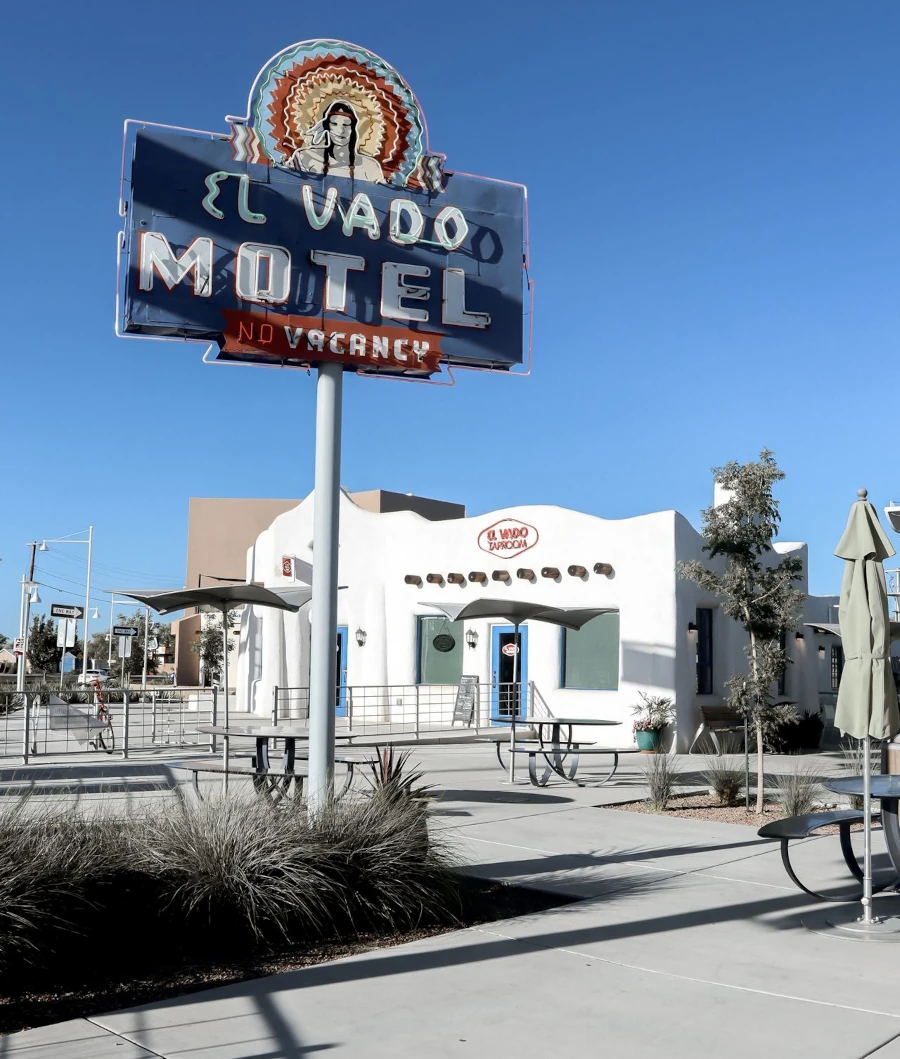

Professional IQ testing in Albuquerque – whether you need an assessment for school, employment, gifted program eligibility, or personal insight, we connect you with licensed psychologists in the Albuquerque area.
Last Updated: October 2026
Child IQ Testing
WISC-V & Stanford-Binet for ages 6–16. Gifted identification, learning profiles.
Adult IQ Testing
WAIS-IV & WAIS-5 available. Comprehensive adult cognitive assessments. Clinical & occupational.
WISC-V Test
Wechsler Intelligence Scale for Children® Fifth Edition – the gold standard for child IQ testing.
WAIS-IV & WAIS-5 Tests
Wechsler Adult Intelligence Scale® – Fourth Edition (WAIS-IV) and Fifth Edition (WAIS-5) available for adult IQ testing.
Gifted Testing
Identify giftedness for school placement, enrichment, and talent programs using WISC-V or Stanford-Binet.
Stanford-Binet 5
Stanford-Binet Intelligence Scales Fifth Edition – comprehensive cognitive assessment for all ages.
Mensa Testing
Mensa admission testing and preparation for the high-IQ society. Accepts WAIS-IV, WAIS-5, and Stanford-Binet 5 scores.
Full Evaluation
Combined assessment with detailed report and recommendations. Includes WISC-V, WAIS-IV, WAIS-5, or Stanford-Binet 5 as appropriate.
IQ Testing in Albuquerque: city context
Albuquerque is New Mexico’s largest city and the economic, educational, medical, scientific, and cultural center of the state’s central Rio Grande corridor. The U.S. Census Bureau estimated 556,588 residents in 2025. The city covers approximately 187.27 square miles and includes dense historic districts, university and medical campuses, high-desert residential areas, major research laboratories, military facilities, and growing west-side communities.
Albuquerque’s assessment environment is supported by the University of New Mexico, UNM Health Sciences Center, Albuquerque Public Schools, Central New Mexico Community College, Sandia National Laboratories, Kirtland Air Force Base, Presbyterian Healthcare Services, Lovelace Health System, and licensed psychologists in private practice. No authoritative source publishes a scientifically valid “average IQ for Albuquerque”; cognitive ability must be evaluated individually using standardized instruments and appropriate clinical, educational, linguistic, and cultural context.
IQ by gender & ethnicity
Albuquerque’s population is 50.9% female. Available city data do not support separate male-versus-female IQ averages, and professionally administered tests are interpreted with age-based norms rather than a citywide gender estimate.
Current Albuquerque demographic context includes:
- Hispanic or Latino: 47.7% of residents; this category may overlap with racial categories.
- White alone: 49.9%; White alone, not Hispanic or Latino, 37.5%.
- American Indian and Alaska Native alone: 5.0%.
- Black or African American alone: 3.5%.
- Asian alone: 3.4%.
- Two or more races: 26.1%.
- Language other than English spoken at home: 25.9% of residents age five and older; foreign-born residents account for 10.6%.
These statistics describe population composition, not intelligence. Ethical assessment does not assign IQ values to a sex, race, ethnicity, language community, or neighborhood. Evaluators consider test validity, bilingual development, educational opportunity, disability, health, socioeconomic context, and the full score pattern before drawing conclusions.
What is professional IQ testing?
Intelligence quotient (IQ) testing is a standardized method to measure human cognitive abilities and intellectual potential. Professional IQ tests are administered by licensed psychologists in a controlled environment to ensure accuracy and reliability. Unlike online quizzes, clinical assessments provide a full-scale IQ score along with detailed breakdowns of verbal comprehension, perceptual reasoning, working memory, and processing speed.
In Albuquerque, IQ testing is commonly used for gifted program admission, learning disability identification, career guidance, neuropsychological evaluation, and personal development. The results are presented in a comprehensive report that includes normative comparisons, strengths and weaknesses, and actionable recommendations.
Who should get tested?
IQ testing can benefit children, adolescents, and adults in various situations:
- Children: Parents often seek testing for school readiness, gifted placement, or to understand learning challenges.
- Adults: Many adults take IQ tests for career advancement, graduate school applications, or personal curiosity.
- Mensa candidates: High-IQ societies require official test scores for membership.
- Clinical referrals: Psychologists may recommend testing as part of a broader neuropsychological evaluation.
Types of IQ tests
We offer the most recognized and scientifically validated intelligence tests in the field:
- WISC-V (Wechsler Intelligence Scale for Children® – Fifth Edition): The gold standard for children aged 6:0–16:11. It provides a Full-Scale IQ and five primary index scores.
- WAIS-IV (Wechsler Adult Intelligence Scale® – Fourth Edition): The most widely used adult IQ test for ages 16–90. It measures cognitive functioning across four domains.
- Stanford-Binet Intelligence Scales – Fifth Edition: A comprehensive assessment for ages 2–85, often used for gifted identification and clinical evaluations.
- Gifted Testing: Often includes the WISC-V or Stanford-Binet, plus additional creativity and achievement measures.
- Mensa Testing: We provide official Mensa admission testing and preparation materials.
How the testing process works
- Initial consultation: Brief phone or video call to discuss your needs and match you with the right psychologist.
- Testing session: In-person or remote testing (depending on the test) with a licensed psychologist. Most sessions last 1–2 hours.
- Scoring and interpretation: The psychologist scores the test and interprets the results in the context of your background and goals.
- Feedback session: A detailed review of your results, including strengths, weaknesses, and practical recommendations.
- Comprehensive report: You receive a written report with all scores, normative comparisons, and actionable next steps.
How much does IQ testing cost in Albuquerque?
Fees depend on the referral question, instrument, psychologist’s training, records reviewed, feedback time, and report requirements. A focused gifted assessment is different from a comprehensive neuropsychological or psychoeducational evaluation.
For Albuquerque residents who want an informal introduction to reasoning questions, an online IQ test can be a useful starting point, while a licensed psychologist is necessary when formal documentation or diagnosis is required.
- Focused IQ or gifted assessment: Often self-pay; request a written quote stating the test, age range, interview, scoring, feedback, and report included.
- School-placement documentation: Confirm the receiving school’s accepted instruments and deadline before paying for private testing.
- Comprehensive psychoeducational evaluation: Costs more because it may combine cognitive, academic, attention, executive-function, behavioral, and emotional measures.
- Medical or neuropsychological evaluation: Insurance may contribute when testing is medically necessary and authorized; educational-only testing is frequently excluded.
- Questions to ask: Licensing, cancellation policy, report turnaround, bilingual options, payment plans, insurance billing, and whether a feedback meeting is included.
Albuquerque’s Intellectual History & Legacy
- Indigenous knowledge: Pueblo communities have developed sophisticated agricultural, architectural, ecological, linguistic, artistic, and governance traditions in the Rio Grande region for centuries.
- Spanish and Mexican history: Albuquerque’s 1706 founding and later territorial development created enduring bilingual, legal, commercial, and cultural institutions.
- Railroad and Route 66: Transportation corridors accelerated urban growth, migration, technical trades, tourism, and commercial exchange.
- University of New Mexico: Founded in 1889, UNM became the state’s flagship research university and a major center for medicine, psychology, education, engineering, law, and the arts.
- National-laboratory science: Sandia National Laboratories and nearby Los Alamos National Laboratory helped establish New Mexico as a center for national security, engineering, computing, materials science, and energy research.
- Aerospace and defense: Kirtland Air Force Base and the Air Force Research Laboratory support advanced technical work in space, directed energy, testing, cybersecurity, and systems engineering.
- Contemporary innovation: Film production, bioscience, renewable energy, semiconductor manufacturing, data science, and entrepreneurship now complement the region’s public-sector and research strengths.
Top Employers in Albuquerque and Cognitive-Skill Demands
- Sandia National Laboratories: Major science and engineering employer; roles emphasize analytical reasoning, security requirements, technical credentials, teamwork, and complex problem solving.
- Kirtland Air Force Base: Military and civilian positions span aviation, space, logistics, cybersecurity, research, healthcare, administration, and technical operations.
- University of New Mexico and UNM Health: Employ faculty, clinicians, researchers, administrators, technology staff, and support personnel across the main campus and health system.
- Albuquerque Public Schools: One of the region’s largest employers, with educators, school psychologists, diagnosticians, counselors, administrators, transportation staff, and technical specialists.
- Presbyterian Healthcare Services: Large healthcare employer requiring clinical judgment, attention, communication, licensing, and continuing education across many roles.
- City of Albuquerque and Bernalillo County: Public-sector work includes planning, public safety, law, engineering, transit, finance, information technology, libraries, parks, and social services.
- Intel Rio Rancho: Nearby semiconductor operations employ engineers, technicians, manufacturing specialists, data professionals, and project leaders.
- Honeywell Aerospace and defense contractors: Technical positions may require systems reasoning, precision, safety compliance, security clearance, and specialized training.
- Netflix Albuquerque Studios and the film industry: Production work includes creative, logistical, technical, construction, digital, administrative, and project-management roles.
- Important distinction: Employers generally select job-relevant assessments and qualifications; a clinical IQ score should not be assumed to be required unless an employer gives a lawful, specific reason.
Albuquerque IQ Testing by Neighborhood
- University and Nob Hill: Central location near UNM, CNM, hospitals, transit, professional offices, and walkable Central Avenue businesses.
- Downtown and East Downtown: Access to government, legal services, Rail Runner, ABQ RIDE, cultural institutions, and central professional offices.
- Old Town and Sawmill: Historic and mixed-use districts near museums, tourism, restaurants, and central-city services.
- Northeast Heights: Large residential and commercial area with medical offices, schools, family services, and access via I-25, Paseo del Norte, Montgomery, and Wyoming.
- Uptown: Major retail, office, hotel, and medical district with freeway and transit access.
- North Valley and Los Ranchos: Rio Grande communities with residential, agricultural, educational, and professional-service settings.
- Westside and Northwest Mesa: Fast-growing residential areas where travel time across the river should be considered when scheduling morning testing.
- Four Hills and Southeast Heights: Access to Kirtland, Sandia foothills, schools, healthcare, and I-40 connections.
- Nearby Rio Rancho, Corrales, and South Valley: Families often travel into Albuquerque for specialists; confirm driving time, bridge congestion, and provider jurisdiction.
Albuquerque Universities and Research Institutions
- University of New Mexico: New Mexico’s flagship university; fall 2025 Albuquerque-campus enrollment was 23,955, with undergraduate, graduate, professional, and research programs.
- UNM Health Sciences Center: Medical, nursing, pharmacy, public health, psychology, neuroscience, rehabilitation, and clinical research programs linked to UNM Hospital and UNM Children’s Hospital.
- Central New Mexico Community College: New Mexico’s largest community college by undergraduate enrollment, offering more than 80 degree and certificate pathways across Albuquerque-area locations.
- Southwestern Indian Polytechnic Institute: Albuquerque tribal college and land-grant institution serving American Indian and Alaska Native students with STEM, business, environmental, and career programs.
- New Mexico Highlands University metro centers: Rio Rancho and Albuquerque-area programs include education, counseling, social work, business, psychology-related study, and professional licensure options.
- Sandia National Laboratories: Federally funded research and development in national security, computing, energy, materials, engineering, and advanced systems.
- Air Force Research Laboratory: Kirtland-based research supports directed energy, space systems, and other defense technologies.
- Mind Research Network and neuroscience collaborations: Albuquerque researchers conduct imaging, cognition, brain-health, addiction, and psychiatric research through institutional partnerships.
- Research participation: University and medical studies may use cognitive measures, but research testing is not automatically equivalent to a clinical diagnosis or school-accepted report.
Albuquerque Economic Context
- Median household income: $68,317 in 2020–2024 Census estimates.
- Per-capita income: $40,469.
- Residents in poverty: 15.5%.
- Bachelor’s degree or higher: 39.2% of adults age 25 and older.
- High-school graduate or higher: 91.2% of adults age 25 and older.
- Mean travel time to work: 22.4 minutes, although river crossings, construction, weather, and west-side commutes can increase travel time.
- Homeownership rate: 61.8%; the median owner-occupied home value was $291,500 in 2020–2024 estimates.
- Health and social-assistance activity: Census business data report approximately $7.18 billion in 2022 receipts/revenue within the city.
- Transportation and warehousing: Approximately $1.09 billion in 2022 receipts/revenue.
- Accommodation and food services: Approximately $2.38 billion in 2022 sales.
- Retail sales: Approximately $13.26 billion in 2022, or $23,620 per capita.
- Regional strengths: Aerospace and defense, scientific research, healthcare, education, semiconductor and advanced manufacturing, film and digital media, professional services, logistics, renewable energy, tourism, and government.
Albuquerque School District Data
- Albuquerque Public Schools: 65,919 students in pre-K through grade 12 during the 2024–2025 school year.
- Gifted enrollment: APS reports 6.4% of students participating in gifted programs.
- English learners: 19.9% of APS students; language background should be considered when selecting and interpreting cognitive measures.
- Special education: 25.2% of APS students receive special-education services; in New Mexico, gifted education is also governed through special-education procedures.
- Gifted Individualized Education Program: Eligible APS students receive services through a GIEP using models that may include cluster grouping, resource support, advanced coursework, consultation, or other individualized services.
- Universal screening: APS has used universal second-grade screening in the spring, with further assessment when data indicate gifted potential.
- Referral and evaluation: Parents, teachers, or staff may refer students through the school support process; screening can lead to evaluation by qualified personnel.
- Testing windows: APS school resources identify fall and spring testing windows; families should verify the current calendar with their school.
- Nearby districts: Rio Rancho, Los Lunas, Bernalillo, Belen, and other districts set local procedures within New Mexico’s gifted-education framework.
- Private, charter, and magnet options: Albuquerque has extensive school choice; each program sets its own admissions, placement, lottery, testing, and documentation rules.
Local Testing Centers and Psychologists
- UNM Health Neuropsychology: Provides specialized neuropsychological evaluation, including epilepsy-related pre- and post-surgical assessment and consultation for selected clinics.
- UNM Center for Neuropsychological Services: Child and adult referrals may address neurological, medical, developmental, and cognitive concerns; referral criteria and wait times apply.
- UNM Children’s Hospital: Pediatric neuroscience, behavioral health, developmental, and specialty programs may include diagnostic and neurophysiological assessment.
- UNM Autism Spectrum Evaluation Clinic: Multidisciplinary diagnostic assessment and intervention for autism and developmental concerns.
- Presbyterian Healthcare Services: Neurology, pediatric behavioral health, adult behavioral health, and referral-based services across Albuquerque and nearby communities.
- Lovelace Health System and other medical providers: Neurology, rehabilitation, and behavioral-health networks may refer for cognitive or neuropsychological testing when clinically indicated.
- Albuquerque Public Schools: School psychologists, diagnosticians, and multidisciplinary teams conduct educational evaluations under special-education and gifted procedures.
- Private-practice psychologists: Offer gifted, adult IQ, ADHD, learning, disability, immigration, forensic, and psychoeducational evaluations; qualifications and services vary.
- Provider verification: Confirm New Mexico licensure, age range, bilingual capacity, instrument, school or Mensa acceptance, report format, fees, insurance status, and turnaround before scheduling.
Albuquerque Events and Conferences
- UNM lectures and research events: Psychology, education, neuroscience, medicine, engineering, data science, law, and public-health programs host academic events throughout the year.
- UNM Health continuing education: Medical and behavioral-health departments provide professional education, grand rounds, research presentations, and clinical training.
- New Mexico Psychological Association: State professional programming may include continuing education, ethics, assessment, and practice topics.
- New Mexico Association for the Gifted: Statewide advocacy and professional-development resources support gifted learners, families, and educators.
- New Mexico Mensa: Chapter activities may include meetings, games, discussions, gifted-youth activities, testing opportunities, and regional events.
- New Mexico Science Fiesta: Community science events connect families, educators, museums, laboratories, and researchers.
- National Museum of Nuclear Science & History: STEM education, exhibits, camps, and public programs reflect the region’s science and engineering history.
- Albuquerque International Balloon Fiesta: Major annual event that affects traffic, hotels, flights, and appointment planning in early October.
- School open houses and enrollment events: APS, charter, private, dual-credit, and specialty programs publish separate annual calendars and requirements.
Transportation and Accessibility
- Major roads: I-25 runs north–south through Albuquerque; I-40 runs east–west; Paseo del Norte, Alameda, Montaño, Central Avenue/Route 66, Coors Boulevard, Tramway Boulevard, and Unser Boulevard are major cross-city corridors.
- Public transit: ABQ RIDE operates city bus service, transit centers, paratransit through Sun Van, and connections to schools, medical campuses, downtown, and employment areas.
- Rapid transit: Albuquerque Rapid Transit (ART) provides high-capacity service along Central Avenue with level boarding and accessibility features.
- Commuter rail: New Mexico Rail Runner Express operates along the approximately 100-mile Rio Grande corridor with 15 stations from Belen to Santa Fe and multiple Albuquerque stops.
- Airport: Albuquerque International Sunport (ABQ) is New Mexico’s largest commercial airport, serves more than five million passengers annually, and offers nonstop service to about 32 destinations through eight major carriers.
- Distance to other cities: About 1 hour to Santa Fe, 1.5 hours to Los Alamos, 3 hours to Roswell, 4.5 hours to El Paso, 6 hours to Denver, and 6.5 hours to Phoenix under typical conditions.
- Walkability: Downtown, Nob Hill, the UNM area, Old Town/Sawmill, and selected Central Avenue districts offer the strongest concentrations of walkable destinations; much of the city remains automobile-oriented.
- Bike infrastructure: Albuquerque reports more than 400 miles of on-street bicycle facilities and multi-use trails, including the Paseo del Bosque Trail and connections across the Rio Grande valley and mesa.
- Accessibility planning: Ask providers about elevators, accessible parking, sensory environment, wheelchair access, interpreter needs, and rest breaks before the appointment.
- Scheduling: Allow extra time for river crossings, I-25/I-40 interchange congestion, construction, school traffic, Balloon Fiesta traffic, and winter or monsoon weather.
Albuquerque Weather and Seasonal Considerations
- High-desert elevation: Albuquerque sits at roughly 5,000 feet, with neighborhoods rising toward the Sandia foothills; visitors may notice dry air and altitude effects.
- Summer: Hot, dry afternoons are common before monsoon moisture arrives; hydration, sun protection, and avoiding heat stress support comfort before testing.
- Monsoon season: The National Weather Service defines the New Mexico monsoon season as June 15 through September 30, with thunderstorms, lightning, heavy rain, flash flooding, and abrupt travel delays possible.
- Winter: City snowfall is usually intermittent, but freezing mornings, mountain snow, wind, and occasional icy roads can affect commutes.
- Spring: Wind, dust, pollen, and rapid temperature changes can affect allergies, sleep, and concentration for some test-takers.
- Fall: Generally mild conditions, but Balloon Fiesta traffic and early-morning cold can affect October scheduling.
- Indoor testing: Professional offices should provide climate control, quiet conditions, appropriate lighting, water, and breaks regardless of season.
- Medication and health: Follow the prescribing clinician’s instructions; tell the evaluator about illness, sleep disruption, dehydration, severe allergies, or altitude-related symptoms.
- Peak planning periods: Late summer and fall for school placement, winter and spring for evaluations and accommodations, and summer for testing without school absences.
- Rescheduling: A significant migraine, fever, sleep deprivation, acute anxiety episode, hazardous weather event, or major travel disruption may justify discussing a new date.
Areas we serve
- Citywide support: Families and adults from throughout Albuquerque may request information about testing options.
- Greater metro: Providers may also serve clients from Bernalillo County, Rio Rancho, Corrales, South Valley, Los Lunas, and nearby Central New Mexico communities.
- In-person requirements: Many standardized tests require controlled, in-person administration; location depends on the evaluator and instrument.
- Telehealth components: Interviews and feedback may sometimes be remote when clinically and legally appropriate, but not every test can be validly administered online.
- Confirm before travel: Verify office address, parking, accessibility, jurisdiction, age range, and report acceptance before scheduling.
Frequently Asked Questions
WISC-V is for children aged 6–16, while WAIS-IV is for adults aged 16–90. Each is normed for its specific age group.
Most IQ tests take between 60 and 90 minutes, plus a feedback session. Allow 2–3 hours total.
No, you can book directly with our psychologists. We serve both self-referred and professionally referred individuals.
Yes, we provide official documentation that is accepted by Mensa and other high-IQ societies.
Some plans cover cognitive assessments when there is a clinical indication. Check with your provider.
Get a good night's sleep, eat a healthy meal, and arrive relaxed. No specific preparation is needed.
You'll receive a comprehensive report with your scores and tailored recommendations.
Yes, many tests are available via secure telehealth platforms. Contact us for details.