
Gifted Testing in Albuquerque
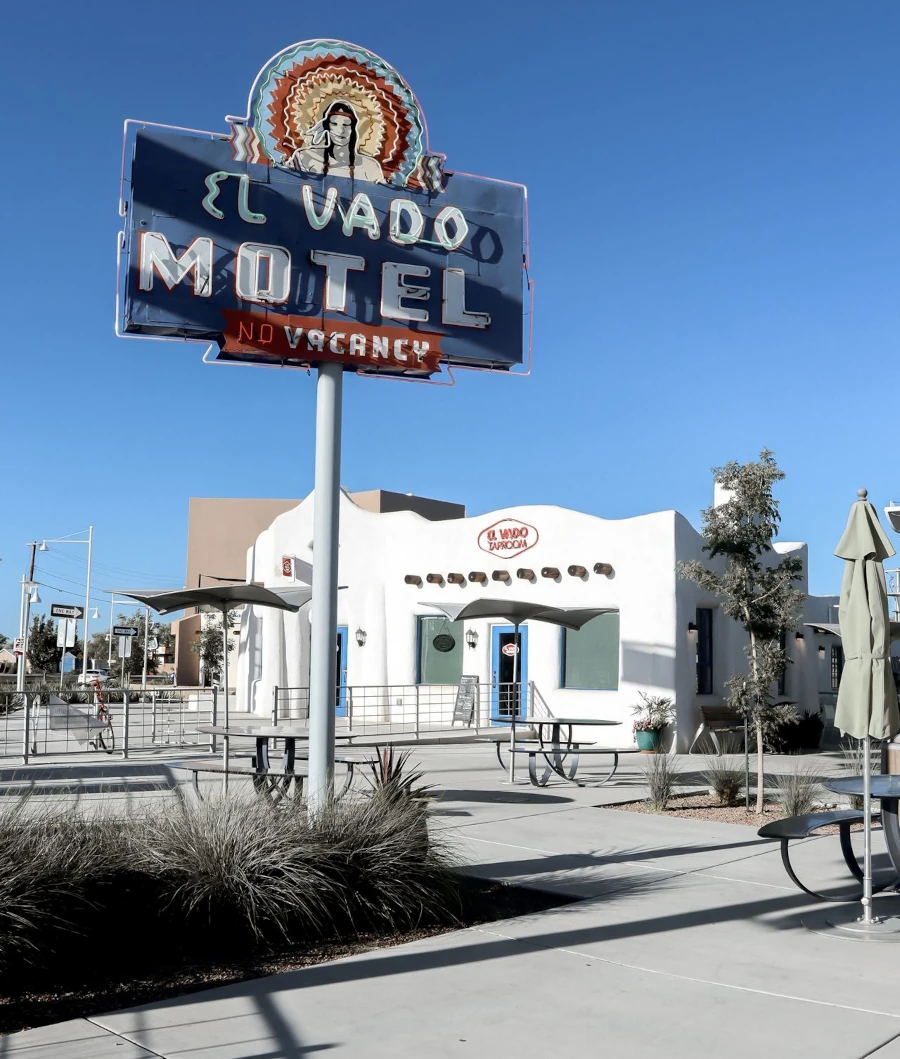

Professional gifted testing in Albuquerque – whether your child needs identification for school placement, enrichment programs, or you're an adult seeking Mensa admission, we connect you with licensed psychologists who specialize in gifted assessment.
Last Updated: July 2026
Child Gifted Testing
WISC-V & Stanford-Binet 5 for ages 6–16. Gifted identification, school placement.
Adult Gifted Testing
WAIS-IV & WAIS-5 available. Comprehensive assessments for adults seeking Mensa or career guidance.
WISC-V Test
Wechsler Intelligence Scale for Children® Fifth Edition – the gold standard for child gifted identification.
Stanford-Binet 5
Stanford-Binet Intelligence Scales Fifth Edition – comprehensive cognitive assessment for all ages, often used for gifted identification.
Mensa Testing
Mensa admission testing and preparation for the high-IQ society. Accepts WAIS-IV, WAIS-5, and Stanford-Binet 5 scores.
School Placement Testing
Testing for private school admission and gifted program eligibility using WISC-V or Stanford-Binet 5.
Gifted Testing in Albuquerque: city context
Albuquerque is New Mexico’s largest city and the economic, educational, medical, scientific, and cultural center of the state’s central Rio Grande corridor. The U.S. Census Bureau estimated 556,588 residents in 2025. The city covers approximately 187.27 square miles and includes dense historic districts, university and medical campuses, high-desert residential areas, major research laboratories, military facilities, and growing west-side communities.
Albuquerque’s assessment environment is supported by the University of New Mexico, UNM Health Sciences Center, Albuquerque Public Schools, Central New Mexico Community College, Sandia National Laboratories, Kirtland Air Force Base, Presbyterian Healthcare Services, Lovelace Health System, and licensed psychologists in private practice. No authoritative source publishes a scientifically valid “average IQ for Albuquerque”; cognitive ability must be evaluated individually using standardized instruments and appropriate clinical, educational, linguistic, and cultural context.
IQ by gender & ethnicity (child population)
Albuquerque’s population is 50.9% female, and 20.3% of residents are under age 18. Available city data do not support separate boy-versus-girl IQ averages, and professionally administered tests are interpreted with age-based norms rather than a citywide gender estimate.
Current Albuquerque demographic context includes:
- Hispanic or Latino: 47.7% of residents; this category may overlap with racial categories.
- White alone: 49.9%; White alone, not Hispanic or Latino, 37.5%.
- American Indian and Alaska Native alone: 5.0%.
- Black or African American alone: 3.5%.
- Asian alone: 3.4%.
- Two or more races: 26.1%.
- Language other than English spoken at home: 25.9% of residents age five and older; foreign-born residents account for 10.6%.
These statistics describe population composition, not intelligence. Ethical assessment does not assign IQ values to a sex, race, ethnicity, language community, or neighborhood. Evaluators consider test validity, bilingual development, educational opportunity, disability, health, socioeconomic context, and the full score pattern before drawing conclusions.
Gifted children in Albuquerque: who are they?
Gifted children demonstrate advanced potential or performance that creates educational needs beyond the standard curriculum. New Mexico treats gifted education through special-education procedures, so eligibility depends on evaluation and educational need rather than a single citywide IQ rule.
Schools for gifted children in Albuquerque
- APS gifted services: GIEP-based supports are delivered through multiple service models across district schools.
- Advanced coursework: Honors, Advanced Placement, dual credit, acceleration, and specialized electives are available at selected schools.
- Private schools: Albuquerque Academy, Bosque School, Sandia Prep, Manzano Day School, Menaul, and others set separate policies.
- Charter and magnet options: Admission may use lotteries, applications, auditions, records, or program-specific criteria.
- Nearby districts: Rio Rancho, Los Lunas, Bernalillo, and Belen operate separate gifted procedures.
- Best fit: Match the child’s pace, subject strengths, social-emotional needs, language, disability supports, transportation, and interests—not prestige alone.
Advantages of gifted education
- Appropriate challenge: Reduces prolonged repetition and supports deeper learning.
- Acceleration: Allows advanced subject or grade placement when readiness is demonstrated.
- Peer interaction: Connects students with others who share advanced interests or learning pace.
- Talent development: Provides sustained opportunities in STEM, humanities, arts, leadership, and creative work.
- Twice-exceptional support: Combines advanced learning with disability, executive-function, or emotional accommodations.
- Individualization: The GIEP can define goals, services, and progress monitoring based on educational need.
Hobbies and interests of gifted children
- Science and engineering: Explora, museums, robotics, coding, astronomy, maker activities, and laboratory outreach.
- Nature and environmental study: Bosque ecology, Sandia foothills, Open Space, geology, climate, and conservation.
- Arts and culture: Music, visual art, dance, theater, film, Pueblo and Hispanic cultural traditions, and museums.
- Language and humanities: Reading, writing, debate, history, bilingual study, journalism, and civic engagement.
- Independent projects: Research, entrepreneurship, design, collections, creative production, and community service.
- Balance: Gifted children also need recreation, friendships, sleep, emotional support, and freedom from constant performance pressure.
What is giftedness?
Giftedness is a complex and multifaceted construct that goes beyond a single IQ score. In the field of psychology, giftedness is typically defined as an IQ score of 130 or above (the 98th percentile), but it also encompasses exceptional creativity, leadership ability, or talent in specific academic or artistic domains.
However, in Albuquerque and across the U.S., the definition of giftedness is evolving. Many psychologists and educators now recognize that giftedness manifests in diverse ways, including:
- Intellectual giftedness: Exceptional reasoning, problem-solving, and abstract thinking.
- Creative giftedness: Unusual originality, imagination, and ability to generate novel ideas.
- Leadership giftedness: Exceptional interpersonal skills, empathy, and ability to inspire others.
- Artistic giftedness: Superior talent in visual arts, music, drama, or dance.
- Twice-exceptional (2E): Gifted individuals who also have a learning disability or neurodivergence such as ADHD or dyslexia.
In Albuquerque, where diversity and inclusion are highly valued, there is a growing movement to identify and support gifted students from all backgrounds, including those who may be underserved by traditional testing methods.
Albuquerque Gifted Identification Statistics
- APS enrollment: 65,919 students in 2024–2025.
- APS gifted participation: 6.4% of students.
- City child share: 20.3% of Albuquerque residents are under age 18.
- Universal screening: APS has used second-grade screening to reduce reliance on parent or teacher referral alone.
- Multiple evidence: Cognitive, achievement, classroom, observational, cultural, linguistic, and educational data may be considered.
- No universal 130 rule: A 98th-percentile score may be strong evidence, but state eligibility is an educational-team decision.
- Twice-exceptionality: Students can be gifted and also eligible for disability services.
- Underrepresentation: Equitable identification requires attention to language, culture, poverty, disability, mobility, and opportunity.
- Outside reports: Private testing can be reviewed but does not replace the district’s legal responsibility.
- Current documentation: Use the latest APS and New Mexico Public Education Department procedures.
Albuquerque Gifted Testing Timeline
- Referral: Parent, teacher, or staff concern begins the school support process.
- Screening: Existing achievement, classroom, interim, and background data are reviewed.
- Fall and spring windows: APS school resources identify both periods for gifted testing.
- Second-grade screening: Universal screening activity has occurred in spring using winter interim data.
- Evaluation: Qualified personnel administer selected measures and gather multiple sources of evidence.
- Eligibility and GIEP: The team determines eligibility and develops individualized services when required.
Albuquerque Gifted Programs by Age Group
- Early childhood: Enrichment, observation, language, play, and readiness support; formal scores are interpreted cautiously.
- Elementary: Universal screening, referral, GIEP services, differentiation, resource support, and subject advancement.
- Middle school: Gifted coursework, honors, advanced subjects, electives, clubs, and acceleration.
- High school: AP, honors, dual credit, research, arts, career technical education, and individualized GIEP supports.
- Postsecondary transition: UNM, CNM, SIPI, internships, laboratories, and career programs offer advanced pathways.
Unique challenges and nuances of giftedness
Giftedness is not always a straightforward advantage. Many gifted individuals face unique challenges that can impact their well-being and success:
- Asynchronous development: Gifted children often have intellectual abilities that outpace their social and emotional maturity. This can lead to frustration, social isolation, and difficulty relating to peers.
- Perfectionism: Many gifted individuals set unrealistically high standards for themselves, leading to anxiety, burnout, and avoidance of challenges.
- Underachievement: Gifted students may underperform in school if they are not adequately challenged or if their learning needs are not met.
- Social isolation: Gifted individuals may struggle to find peers who share their interests and intellectual intensity, leading to loneliness and depression.
- Twice-exceptionality (2E): Many gifted individuals also have learning disabilities or neurodivergence, such as ADHD, dyslexia, or autism. This can mask their abilities and make it difficult to receive appropriate support.
- Cultural and ethnic disparities: Giftedness is often under-identified in minority and low-income populations due to cultural biases in testing and limited access to enrichment programs. Albuquerque is actively working to address these disparities through inclusive identification practices.
Gifted testing can help identify these challenges and provide a roadmap for support. A comprehensive evaluation can reveal not only strengths but also areas where intervention is needed.
Mensa and high-IQ societies
New Mexico Mensa serves the state, including Albuquerque. American Mensa requires an accepted score at or above the 98th percentile. School gifted eligibility and Mensa membership are separate processes with different purposes, documentation, and age rules.
Areas we serve
- Citywide support: Families and adults from throughout Albuquerque may request information about testing options.
- Greater metro: Providers may also serve clients from Bernalillo County, Rio Rancho, Corrales, South Valley, Los Lunas, and nearby Central New Mexico communities.
- In-person requirements: Many standardized tests require controlled, in-person administration; location depends on the evaluator and instrument.
- Telehealth components: Interviews and feedback may sometimes be remote when clinically and legally appropriate, but not every test can be validly administered online.
- Confirm before travel: Verify office address, parking, accessibility, jurisdiction, age range, and report acceptance before scheduling.
Frequently Asked Questions
Both are excellent tests. WISC-V is more commonly used for school-age children, while Stanford-Binet 5 can be used for ages 2–85. We often recommend WISC-V for school placement and Stanford-Binet 5 for highly gifted individuals.
The test itself takes 60–90 minutes. With the consultation, feedback, and report, the entire process is about 1–2 weeks.
No, you can book directly with our psychologists. We serve both self-referred and professionally referred individuals.
Yes, we provide official documentation that is accepted by Mensa and other high-IQ societies.
Some plans cover cognitive assessments when there is a clinical indication. Check with your provider.
Get a good night's sleep, eat a healthy meal, and arrive relaxed. No specific preparation is needed.
You'll receive a comprehensive report with your scores and tailored recommendations.
Yes, many tests are available via secure telehealth platforms. Contact us for details.
Not exactly. Smartness is a colloquial term, while giftedness is a clinical construct involving specific cognitive abilities and traits.
We specialize in identifying both giftedness and learning disabilities, and we provide tailored recommendations for support.