
IQ Testing in Tampa
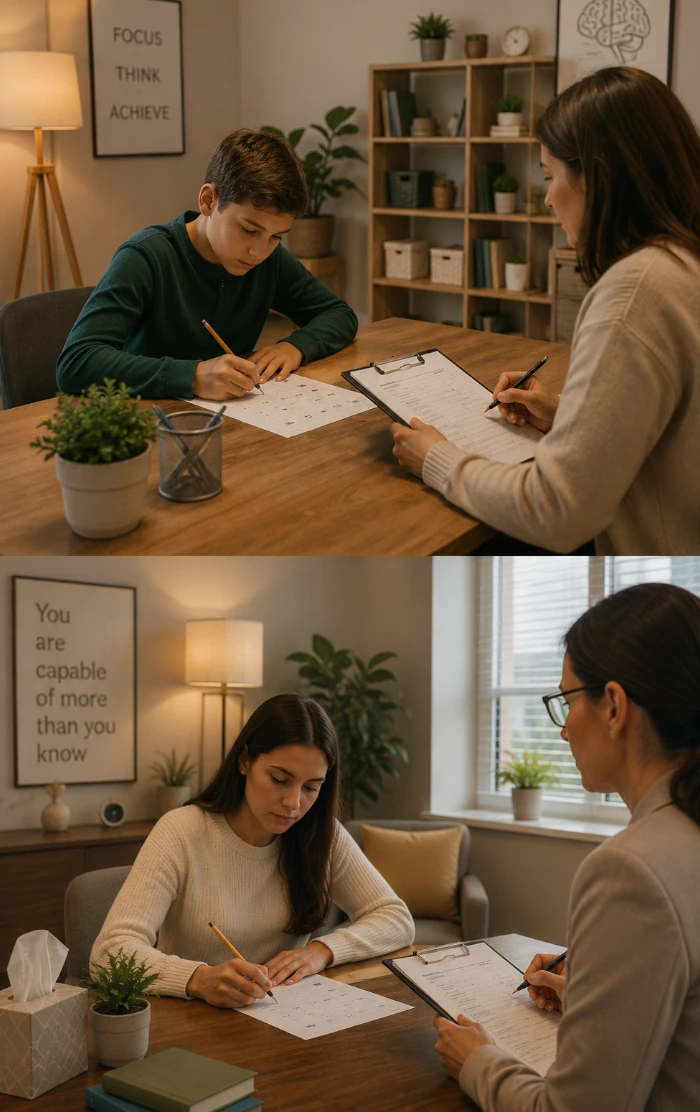
Professional IQ testing in Tampa – whether you need an assessment for school, employment, gifted program eligibility, or personal insight, we connect you with licensed psychologists in the Tampa area.
Last Updated: September 2026
Child IQ Testing
WISC-V & Stanford-Binet for ages 6–16. Gifted identification, learning profiles.
Adult IQ Testing
WAIS-IV & WAIS-5 available. Comprehensive adult cognitive assessments. Clinical & occupational.
WISC-V Test
Wechsler Intelligence Scale for Children® Fifth Edition – the gold standard for child IQ testing.
WAIS-IV & WAIS-5 Tests
Wechsler Adult Intelligence Scale® – Fourth Edition (WAIS-IV) and Fifth Edition (WAIS-5) available for adult IQ testing.
Gifted Testing
Identify giftedness for school placement, enrichment, and talent programs using WISC-V or Stanford-Binet.
Stanford-Binet 5
Stanford-Binet Intelligence Scales Fifth Edition – comprehensive cognitive assessment for all ages.
Mensa Testing
Mensa qualification guidance and testing that may provide acceptable prior evidence, subject to American Mensa’s current rules and score-documentation requirements.
Full Evaluation
Combined assessment with detailed report and recommendations. Includes WISC-V, WAIS-IV, WAIS-5, or Stanford-Binet 5 as appropriate.
IQ Testing in Tampa: city context
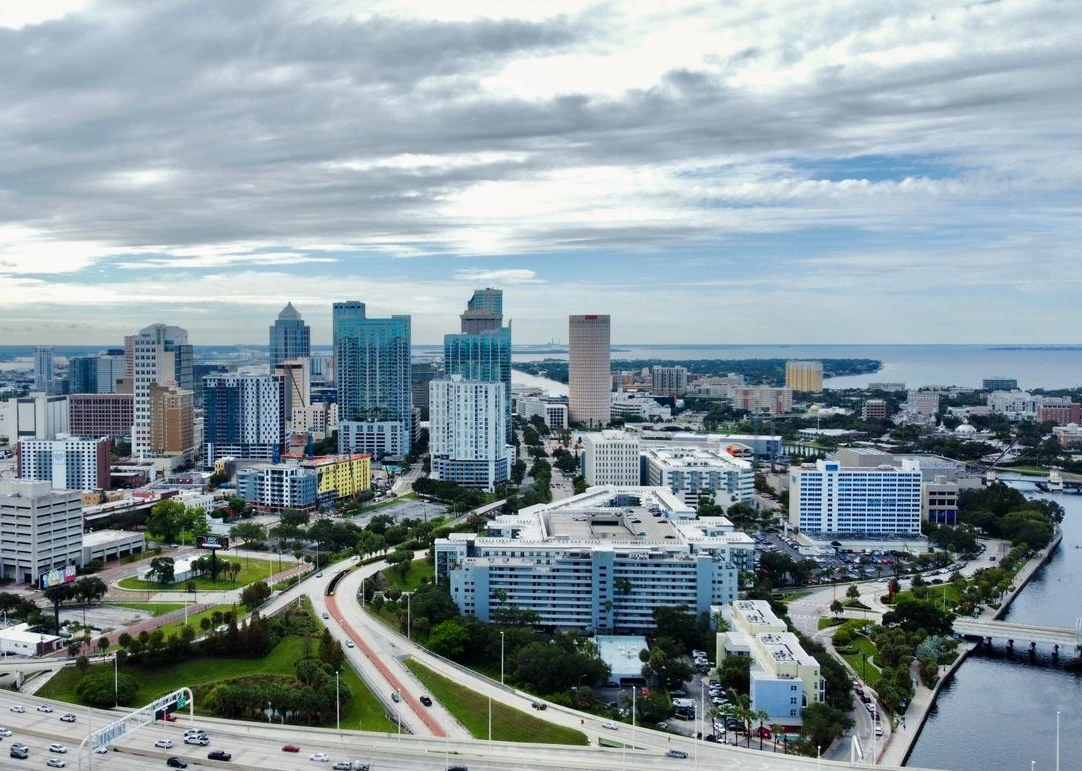
Tampa is the principal city on Florida’s west coast and a major center for healthcare, higher education, defense, finance, cybersecurity, tourism, aviation, maritime trade, and professional services. The U.S. Census Bureau estimated 413,554 residents in 2025, compared with 384,959 counted in 2020, across approximately 114.02 square miles of land.
Local testing needs reflect a large and mobile metropolitan population, Hillsborough County’s extensive public-school system, the University of South Florida’s research and health programs, major hospital networks, MacDill Air Force Base, and employers that recruit nationally. Cognitive assessment may support gifted identification, learning-disability evaluation, disability documentation, neuropsychological care, graduate preparation, career guidance, and personal insight.
IQ, gender, and demographic context
Professional intelligence tests use national age-based norms rather than separate Tampa norms for men, women, racial groups, ethnic groups, language communities, or neighborhoods. Research generally shows substantial overlap in overall scores by sex, while individual profiles may differ across verbal comprehension, visual-spatial reasoning, fluid reasoning, working memory, and processing speed. No authoritative source reports valid neighborhood-level or sex-specific Tampa IQ averages.
Current Tampa demographic context includes:
- Female residents: 49.8% of the city population.
- Residents under age 18: 19.4%, creating sustained demand for school, gifted, developmental, and learning evaluations.
- Residents age 65 and older: 13.7%, relevant to memory, neurological, capacity, and aging-related referrals.
- Hispanic or Latino residents: 26.2%.
- Black residents: 20.4%.
- Asian residents: 4.9%.
- Foreign-born residents: 19.4%.
- Language other than English at home: 28.3% of residents age five and older.
- Veterans: 19,465 in 2020–2024 estimates, reflecting the region’s military presence and veteran-service needs.
- Disability under age 65: 8.1%.
- Uninsured under age 65: 12.1%.
- Bachelor’s degree or higher: 45.7% of adults age 25 and older.
- Assessment implication: Language background, schooling, disability, health, fatigue, medication, and acculturation should be considered when choosing measures and interpreting results.
- Ethical reporting: A psychologist should explain confidence intervals, test limitations, and the difference between a global score and a person’s broader abilities.
What is professional IQ testing?
Intelligence quotient (IQ) testing is a standardized method to measure human cognitive abilities and intellectual potential. Professional IQ tests are administered by licensed psychologists in a controlled environment to ensure accuracy and reliability. Unlike online quizzes, clinical assessments provide a full-scale IQ score along with detailed breakdowns of verbal comprehension, perceptual reasoning, working memory, and processing speed.
In Tampa, IQ testing is commonly used for gifted program admission, learning disability identification, career guidance, neuropsychological evaluation, and personal development. The results are presented in a comprehensive report that includes normative comparisons, strengths and weaknesses, and actionable recommendations.
Who should get tested?
IQ testing can benefit children, adolescents, and adults in various situations:
- Children: Parents often seek testing for school readiness, gifted placement, or to understand learning challenges.
- Adults: Many adults take IQ tests for career advancement, graduate school applications, or personal curiosity.
- Mensa candidates: High-IQ societies require official test scores for membership.
- Clinical referrals: Psychologists may recommend testing as part of a broader neuropsychological evaluation.
Types of IQ tests
We offer the most recognized and scientifically validated intelligence tests in the field:
- WISC-V (Wechsler Intelligence Scale for Children® – Fifth Edition): The gold standard for children aged 6:0–16:11. It provides a Full-Scale IQ and five primary index scores.
- WAIS-IV (Wechsler Adult Intelligence Scale® – Fourth Edition): The most widely used adult IQ test for ages 16–90. It measures cognitive functioning across four domains.
- Stanford-Binet Intelligence Scales – Fifth Edition: A comprehensive assessment for ages 2–85, often used for gifted identification and clinical evaluations.
- Gifted Testing: Often includes the WISC-V or Stanford-Binet, plus additional creativity and achievement measures.
- Mensa Testing: We provide Mensa qualification guidance and can help clients identify appropriately administered standardized testing; acceptance is determined by American Mensa.
How the testing process works
- Initial consultation: Brief phone or video call to discuss your needs and match you with the right psychologist.
- Testing session: In-person or remote testing (depending on the test) with a licensed psychologist. Most sessions last 1–2 hours.
- Scoring and interpretation: The psychologist scores the test and interprets the results in the context of your background and goals.
- Feedback session: A detailed review of your results, including strengths, weaknesses, and practical recommendations.
- Comprehensive report: You receive a written report with all scores, normative comparisons, and actionable next steps.
How much does IQ testing cost in Tampa?
The cost of IQ testing in Tampa varies depending on the type of test, the psychologist's experience, and whether a comprehensive report is required. Typical fees range from $200 to $1,200 for a full assessment. Gifted testing and Mensa admission testing are often at the lower end, while neuropsychological evaluations may be higher.
Some insurance plans cover IQ testing when it's deemed medically necessary. We recommend checking with your provider for details. We also offer affordable payment plans and sliding-scale options for qualifying individuals.
Tampa's Intellectual History & Educational Legacy
The University of South Florida, founded in 1956, anchors the region’s research in psychology, neuroscience, medicine, public health, engineering, computer science, education, aging, and rehabilitation. USF is an Association of American Universities member, serves nearly 50,000 students across its campuses, and works closely with Tampa General Hospital through USF Health.
The University of Tampa contributes undergraduate and graduate education in psychology, education, business, criminology, data science, nursing, and the liberal arts. Hillsborough Community College provides university-transfer, workforce, health-science, public-safety, and technical pathways throughout the county.
- USF Health: Includes the Morsani College of Medicine, nursing, public health, pharmacy, physical therapy, biomedical science, and multispecialty clinical programs.
- Tampa General Hospital: Academic health partner providing psychology, neuropsychology, rehabilitation, trauma, pediatric, neurological, and transplant services.
- Moffitt Cancer Center: Nationally recognized cancer research and clinical system where cognitive, emotional, and functional assessment can be relevant to treatment and survivorship.
- James A. Haley Veterans’ Hospital: Supports veterans through medical, rehabilitation, neurological, mental-health, and specialty services.
- MOSI and public learning institutions: The Museum of Science & Industry, Glazer Children’s Museum, Tampa-Hillsborough County Public Library, The Florida Aquarium, ZooTampa, and local museums provide lifelong-learning resources.
- Innovation ecosystem: USF Research Park, Tampa Bay Wave, Embarc Collective, Tampa Bay Tech, defense contractors, healthcare companies, and cybersecurity firms support technical education and entrepreneurship.
Major Tampa Employers and Cognitive Skill Demands
Tampa employers recruit for roles that draw on different combinations of verbal reasoning, quantitative analysis, visual-spatial judgment, working memory, processing speed, attention, executive functioning, and interpersonal communication. A clinical IQ test is not a substitute for job-specific skills, credentials, background screening, medical standards, or direct performance assessment.
- MacDill Air Force Base: Military, civilian, intelligence, logistics, cybersecurity, aviation, healthcare, and contracting roles require security compliance, procedural accuracy, and complex decision-making.
- Tampa General Hospital and USF Health: Employ clinicians, researchers, therapists, laboratory professionals, analysts, administrators, educators, and technology teams.
- BayCare and St. Joseph’s Hospital: Large regional healthcare network with clinical, behavioral-health, imaging, nursing, pharmacy, information-technology, and operations roles.
- Moffitt Cancer Center: Cancer care, biomedical research, data science, clinical trials, pharmacy, laboratory, and patient-support functions.
- Hillsborough County Public Schools: Teachers, school psychologists, counselors, therapists, administrators, transportation staff, and technology personnel serve one of Florida’s largest districts.
- University of South Florida: Faculty, research, healthcare, engineering, information-technology, student-support, and administrative employment.
- City of Tampa and Hillsborough County: Public safety, planning, engineering, utilities, legal, finance, parks, information-technology, and community-service careers.
- Port Tampa Bay: Maritime cargo, cruise, ship repair, warehousing, environmental, security, engineering, and logistics operations.
- Hillsborough County Aviation Authority: Airport operations, airfield safety, engineering, customer service, police, fire rescue, technology, finance, and concessions oversight.
- Financial and insurance operations: JPMorgan Chase, Citi, USAA, MetLife, and other firms maintain regional technology, operations, risk, compliance, and customer-service functions.
- TECO Energy and utilities: Engineering, grid operations, environmental compliance, field services, analytics, and emergency response.
- Technology and cybersecurity: ReliaQuest, ConnectWise, Rapid7, defense contractors, and growing software firms recruit for security operations, cloud, data, product, and client-support roles.
- Headquarters and consumer brands: Bloomin’ Brands, The Mosaic Company, Masonite, and regional corporate offices employ finance, supply-chain, marketing, legal, analytics, and management professionals.
- Tourism, sports, and conventions: Hotels, restaurants, cruise lines, Visit Tampa Bay, the Tampa Convention Center, professional sports organizations, and event venues require rapid problem-solving and customer communication.
Tampa IQ Testing by Neighborhood and Area
There is no authoritative neighborhood-level IQ database for Tampa, and responsible psychologists do not assign estimated IQ ranges to ZIP codes or communities. The following points describe access patterns, schools, employers, and common reasons residents seek assessment.
- Downtown and Water Street: Central access to Tampa General Hospital, professional offices, cultural institutions, the Convention Center, streetcar service, and major employers.
- Channel District: Dense residential and commercial area near Port Tampa Bay, The Florida Aquarium, Amalie Arena, and the TECO Line Streetcar.
- Ybor City: Historic district with HART connections, Hillsborough Community College’s Ybor campus, cultural organizations, employers, and nightlife-related traffic considerations.
- Hyde Park and SoHo: Walkable South Tampa neighborhoods near schools, healthcare offices, Bayshore Boulevard, and downtown.
- Davis Islands and Harbour Island: Residential areas close to Tampa General Hospital and downtown but affected by bridge traffic and storm-related access planning.
- West Tampa: Historic neighborhoods near the West River redevelopment area, St. Joseph’s Hospital, schools, and I-275.
- Tampa Heights and Seminole Heights: Growing residential areas near downtown, Armature Works, community schools, medical services, and north–south arterial roads.
- Westshore: Major employment and hotel district near Tampa International Airport, International Plaza, Raymond James Stadium, and regional highways.
- South Tampa: Includes Palma Ceia, Ballast Point, Virginia Park, and surrounding communities with private schools, clinics, and access to MacDill Air Force Base.
- New Tampa: Family-oriented communities near I-75, schools, medical offices, and the University of South Florida corridor.
- University area: USF, Moffitt, AdventHealth Tampa, the James A. Haley VA, research facilities, student housing, and HART services create substantial educational and clinical demand.
- Carrollwood and Northdale: Established suburban communities with schools, private practices, and access through Dale Mabry Highway and the Veterans Expressway.
- Temple Terrace, Brandon, Riverview, and Plant City: Nearby Hillsborough County communities with different travel times, school assignments, and provider availability.
- Pinellas County access: St. Petersburg and Clearwater residents may cross the Howard Frankland, Courtney Campbell, or Gandy bridges; appointment planning should account for bridge congestion.
Tampa Universities and Research Institutions
- University of South Florida: Nearly 50,000 students across the system, more than 200 academic programs, AAU membership, and major research activity in psychology, neuroscience, medicine, public health, engineering, business, education, and computing.
- USF Health: Morsani College of Medicine, College of Nursing, College of Public Health, Taneja College of Pharmacy, physical therapy, biomedical science, and clinical training.
- University of Tampa: Private university offering undergraduate and graduate programs in psychology, education, business, criminology, nursing, data science, communication, and the arts.
- Hillsborough Community College: Multi-campus public college supporting transfer, dual enrollment, allied health, information technology, business, public safety, and workforce programs.
- Moffitt Cancer Center: Research, clinical trials, biostatistics, behavioral science, survivorship, and interdisciplinary cancer care.
- Tampa General Hospital: Academic clinical environment affiliated with USF, with psychology, neuropsychology, neuroscience, rehabilitation, trauma, transplant, and pediatric services.
- James A. Haley Veterans’ Hospital: Veteran care, rehabilitation, neurological services, training, and research partnerships.
- Saint Leo University and regional programs: Additional graduate, counseling, education, business, and professional options within commuting distance.
- Florida Polytechnic University: Lakeland-based STEM university reachable through the I-4 corridor, relevant to engineering, computing, and applied research.
- Research and innovation organizations: USF Research Park, Tampa Bay Wave, Embarc Collective, Tampa Bay Tech, CAMLS, and health-system research programs support applied learning and professional development.
Tampa Economic Context
- Population: 413,554 residents in the Census Bureau’s July 1, 2025 estimate.
- Population growth: 7.3% above the April 2020 estimates base.
- Median household income: $75,475 in 2020–2024 Census estimates.
- Per-capita income: $52,528.
- Residents in poverty: 15.5%.
- Bachelor’s degree or higher: 45.7% of adults age 25 and older.
- High-school graduate or higher: 90.2% of adults age 25 and older.
- Labor-force participation: 66.1% of residents age 16 and older; female participation is 62.3%.
- Mean travel time to work: 24.8 minutes, though bridge crossings, I-275, I-4, the Selmon Expressway, and event traffic can lengthen trips.
- Health and social-assistance activity: Approximately $9.653 billion in 2022 receipts/revenue within the city.
- Transportation and warehousing: Approximately $3.163 billion in 2022 receipts/revenue, reflecting airport, port, trucking, delivery, and distribution activity.
- Retail sales: Approximately $11.377 billion in 2022, or $28,563 per capita.
- Accommodation and food services: Approximately $2.924 billion in 2022 sales.
- Housing: 50.3% owner-occupied rate, $420,400 median owner-occupied home value, and $1,701 median gross rent in 2020–2024 estimates.
- Broadband: 93.6% of households report a broadband subscription.
- Regional strengths: Healthcare, defense, cybersecurity, finance, insurance, higher education, tourism, aviation, maritime trade, logistics, construction, professional services, and technology.
Tampa School District and Gifted-Education Context
Hillsborough County Public Schools is the primary public district serving Tampa. Gifted services are available to students who meet Florida eligibility criteria, with screening, referral, evaluation, eligibility review, and an individualized Gifted Education Plan.
For Tampa residents who want an informal introduction to reasoning questions, an online IQ test can be a useful starting point, while a licensed psychologist is necessary when formal documentation or diagnosis is required.
- Gifted definition: Florida defines gifted students as having superior intellectual development and the capability for high performance.
- District priorities: HCPS emphasizes enriched, individualized, strength-based curriculum addressing academic, intellectual, leadership, creative, social, and emotional needs.
- Identification process: Screening, referral, evaluation, and team review; parents may contact the school counselor to begin a referral.
- Educational Plan: Eligible students receive services aligned with a written Gifted Education Plan rather than relying only on a single IQ score.
- Underrepresented students: Florida permits approved district procedures intended to improve equitable identification of underrepresented groups.
- Language considerations: Evaluation of multilingual learners should consider language proficiency, educational opportunity, and appropriate test selection.
- Magnet and choice programs: HCPS offers magnet, International Baccalaureate, career, technical, arts, STEM, and other choice pathways with separate admission procedures.
- Advanced coursework: Honors, Advanced Placement, dual enrollment, Cambridge/AICE, IB, and acceleration options may serve advanced learners in secondary grades.
- Private and charter schools: Admission and placement requirements vary; families should verify current policies directly with each school.
- School versus private testing: District evaluations address educational eligibility, while private evaluations may provide broader diagnostic, clinical, or planning information.
Local Testing Centers and Psychologists
Provider scope, age range, insurance participation, wait times, and test availability change. Families should verify that the clinician is licensed in Florida and has direct experience with the referral question and requested instrument.
- Tampa General Hospital Psychology and Neuropsychology: Doctoral-level psychologists and neuropsychologists evaluate cognitive, emotional, and behavioral effects of medical and neurological conditions.
- TGH pediatric neuropsychology: Outpatient and inpatient specialists evaluate children and young adults with complex medical, neurological, developmental, and return-to-school needs.
- USF Health: Academic medical specialists in neurology, psychiatry, pediatrics, rehabilitation, and related fields may coordinate assessment or referral.
- Muma Children’s Hospital at TGH: Pediatric medical and rehabilitation programs can involve psychology and neuropsychology when clinically appropriate.
- BayCare and St. Joseph’s Children’s Hospital: Pediatric, behavioral-health, neurological, rehabilitation, and developmental services across the region.
- Moffitt Cancer Center: Cognitive and psychological services may be relevant for cancer treatment, neurological complications, and survivorship.
- James A. Haley Veterans’ Hospital: Veteran-focused medical, neurological, rehabilitation, and mental-health services.
- HCPS school psychology: School-based teams evaluate educational concerns under district and exceptional-student-education procedures.
- Private psychologists: Independent practices may offer IQ, psychoeducational, ADHD, autism, learning-disability, disability-documentation, forensic, and neuropsychological evaluations.
- Before scheduling: Confirm the test edition, examiner credentials, report format, records required, language capacity, total fee, cancellation policy, and whether the intended school or organization accepts the results.
Tampa Learning Events and Professional Resources
- USF lectures and research events: Psychology, neuroscience, education, public health, engineering, business, and medical programs host public and professional events throughout the year.
- USF Health and Tampa General education: Grand rounds, continuing education, community programs, caregiver resources, and clinical conferences vary by specialty.
- Moffitt programs: Cancer research, survivorship, behavioral science, and professional education events.
- Tampa Bay Mensa: Local chapter serving Hillsborough, Pinellas, Pasco, Hernando, and Sumter counties, with social events, gifted-youth resources, admission testing, and a regional gathering.
- MOSI: STEM exhibits, camps, demonstrations, and youth programming.
- Glazer Children’s Museum: Interactive learning and family programming for younger children.
- Tampa-Hillsborough County Public Library: Technology classes, literacy programs, tutoring resources, lectures, and makerspace activities.
- Tampa Bay Tech and cybersecurity groups: Professional meetups, workforce events, and technical education.
- Gasparilla and major festivals: Large events can affect road closures, parking, noise, and appointment travel; schedule testing away from peak disruptions when possible.
- Convention and sports calendar: Events at the Tampa Convention Center, Amalie Arena, Raymond James Stadium, and downtown venues can significantly alter traffic and parking.
Transportation and Accessibility
- Major roads: I-275 crosses Tampa north–south; I-4 begins near downtown and runs east toward Lakeland and Orlando; I-75 serves the eastern metro; the Selmon Expressway connects Brandon with downtown and South Tampa; the Veterans Expressway/SR 589 serves northwest Hillsborough and the airport corridor; Dale Mabry Highway, Kennedy Boulevard, Hillsborough Avenue, Fowler Avenue, and Nebraska Avenue are major arterials.
- Public transit: Hillsborough Area Regional Transit operates local, express, and limited-stop bus service across Tampa and Hillsborough County.
- MetroRapid: HART’s North–South MetroRapid corridor provides enhanced limited-stop service between downtown, Seminole Heights, and the University area.
- Streetcar: The fare-free 2.7-mile TECO Line Streetcar connects Ybor City, the Channel District, Water Street, and Downtown through 11 accessible stations.
- Downtown service: HART routes, the streetcar, rideshare, taxis, bike share, water taxis, and local circulators provide options within the urban core.
- Paratransit: HARTPlus provides ADA complementary paratransit for eligible riders whose functional limitations prevent use of fixed-route service; advance eligibility and reservation procedures apply.
- Airport: Tampa International Airport serves approximately 25 million passengers annually with more than 100 nonstop domestic and international destinations.
- Airport transit: HART routes 10, 30, and 32 serve Tampa International Airport near the Rental Car Center, connected to the terminals by SkyConnect.
- Secondary airports: St. Pete–Clearwater International Airport provides additional flights across the bay; Peter O. Knight Airport and Tampa Executive Airport serve general aviation.
- Intercity rail: Amtrak serves Tampa Union Station, connecting Tampa with destinations elsewhere in Florida and along the eastern United States; station renovations or temporary operating arrangements should be checked before travel.
- Port and cruise access: Port Tampa Bay generates freight and cruise traffic around Channelside Drive, Ybor Channel, and nearby downtown roads.
- Distance to other cities: Approximately 30–45 minutes to St. Petersburg, 40–60 minutes to Clearwater, 1 hour to Lakeland, 1–1.5 hours to Sarasota, 1.5–2 hours to Orlando, and 2–2.5 hours to Fort Myers depending on traffic.
- Walkability: Downtown, Water Street, the Channel District, Ybor City, Hyde Park Village, and portions of Seminole Heights are among the more walkable areas; many suburban destinations still require a car or rideshare.
- Bike infrastructure: Tampa Riverwalk, Bayshore Boulevard, Selmon Greenway, Courtney Campbell Trail, Upper Tampa Bay Trail, protected downtown lanes, neighborhood greenways, and regional trail connections support cycling, though heat and high-speed roads require planning.
- Bridge traffic: Howard Frankland, Courtney Campbell, and Gandy bridge conditions can affect clients traveling from Pinellas County.
- Accessibility planning: Confirm accessible entrances, elevators, parking, sensory conditions, restroom access, and break policies with the testing office before the appointment.
Tampa Weather and Seasonal Considerations
- Heat and humidity: Late spring through early fall can produce high heat indices; morning appointments may reduce fatigue and dehydration.
- Afternoon thunderstorms: Summer storms can develop quickly and cause localized flooding, lightning delays, and slower travel.
- Hurricane season: Atlantic hurricane season runs June through November; tropical systems may cause closures, evacuation traffic, power outages, or rescheduling.
- Flooding: Low-lying areas, Bayshore, coastal roads, and neighborhoods near the Hillsborough River can experience flooding during heavy rain or storm surge.
- Heat exposure: Clients using transit or walking from parking should allow time to cool down before timed cognitive tasks.
- Allergies and air quality: Pollen, humidity, mold, wildfire smoke, or prescribed allergy medication may affect comfort and alertness.
- Winter conditions: Winters are generally mild, but seasonal visitors and major events can increase traffic and appointment demand.
- School calendar: Gifted and placement referrals often increase before application deadlines and near the beginning or end of semesters.
- Event traffic: Gasparilla, professional sports, concerts, conventions, and cruise days can affect downtown and Channelside access.
- Emergency planning: Confirm office closure and rescheduling policies when severe-weather watches or warnings are issued.
Areas we serve
We support clients throughout the City of Tampa and coordinate with providers serving nearby Hillsborough County communities. Appointment location, age range, language capacity, specialty, and in-person requirements vary by psychologist, so confirm those details before scheduling.
Frequently Asked Questions
WISC-V is for children aged 6–16, while WAIS-IV is for adults aged 16–90. Each is normed for its specific age group.
Most IQ tests take between 60 and 90 minutes, plus a feedback session. Allow 2–3 hours total.
No, you can book directly with our psychologists. We serve both self-referred and professionally referred individuals.
Potentially. Acceptance depends on the exact test, edition, qualifying score, administration date, examiner credentials, and current Mensa documentation rules. Confirm before testing.
Some plans cover cognitive assessments when there is a clinical indication. Check with your provider.
Get a good night's sleep, eat a healthy meal, and arrive relaxed. No specific preparation is needed.
You'll receive a comprehensive report with your scores and tailored recommendations.
Some interview and feedback components may be available remotely, but many standardized cognitive tests require in-person administration. Confirm with the psychologist and the organization receiving the report.