
IQ Testing in Tallahassee
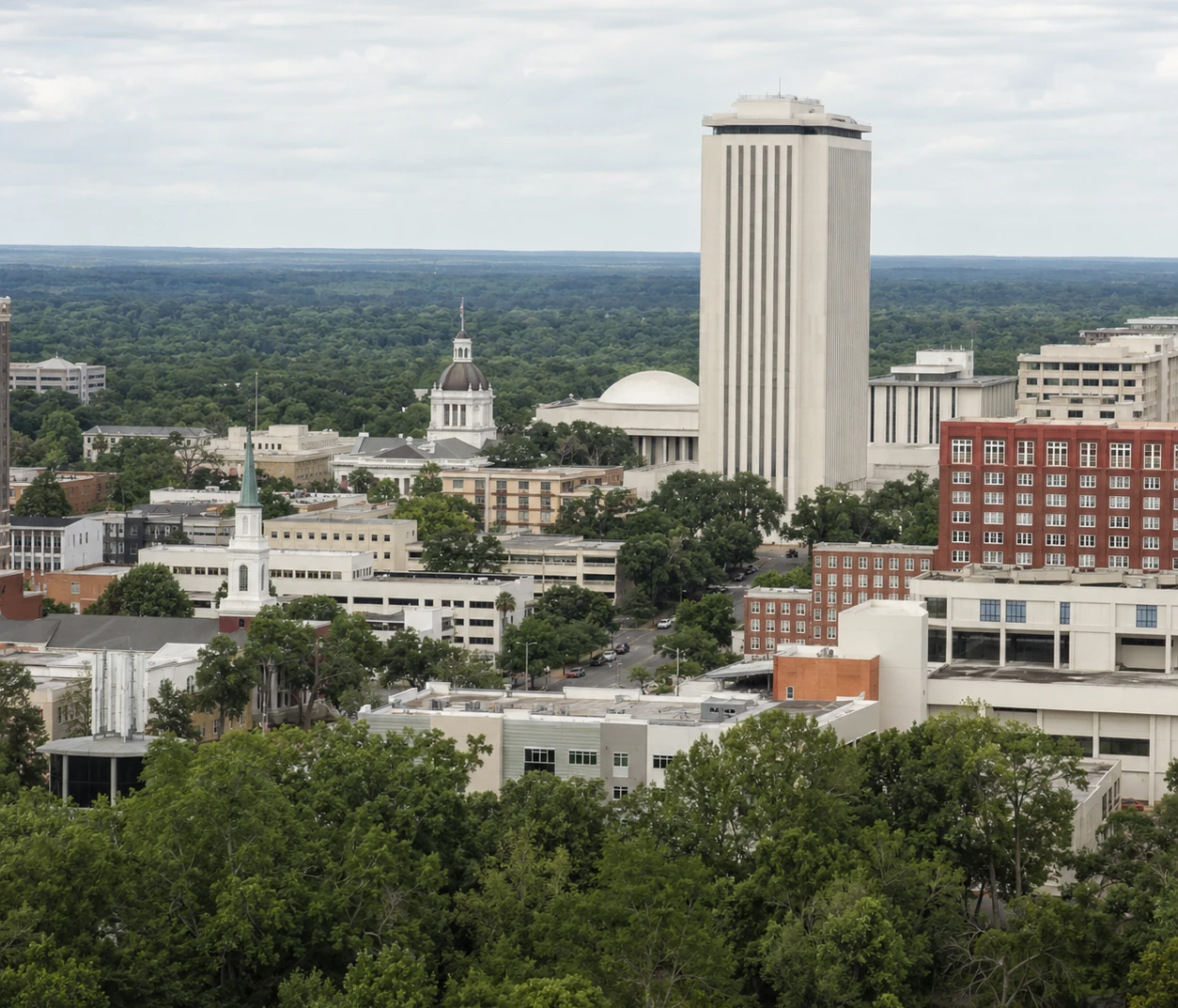
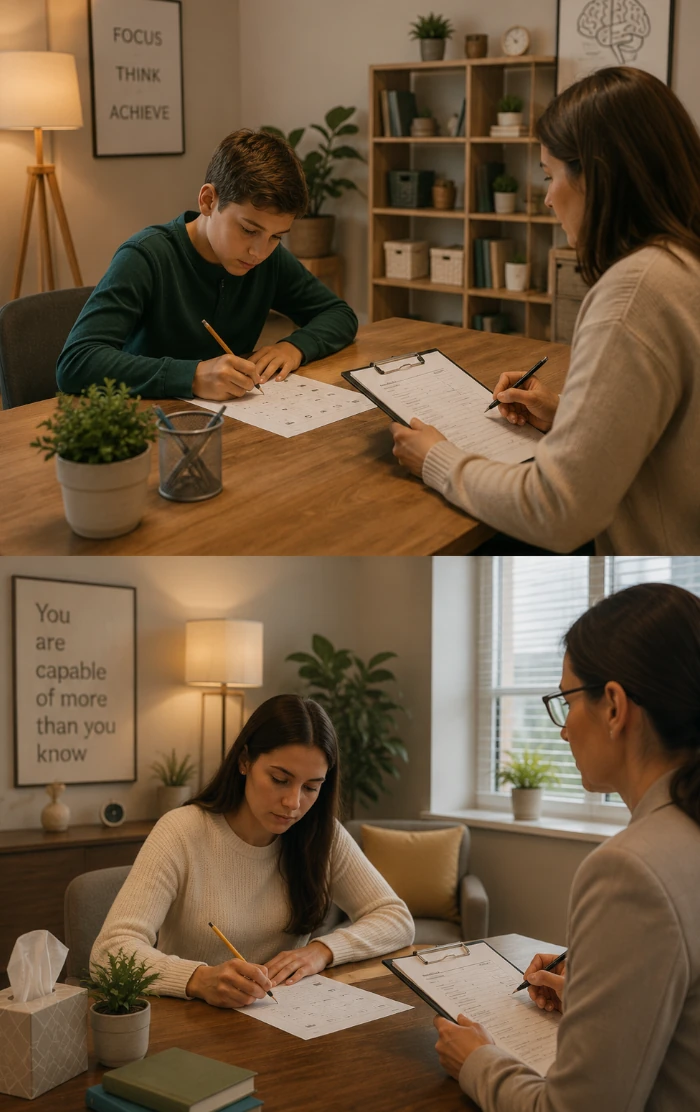
Professional IQ testing in Tallahassee – whether you need an assessment for school, employment, gifted program eligibility, or personal insight, we connect you with licensed psychologists in the Tallahassee area.
Last Updated: September 2026
Child IQ Testing
WISC-V & Stanford-Binet for ages 6–16. Gifted identification, learning profiles.
Adult IQ Testing
WAIS-IV & WAIS-5 available. Comprehensive adult cognitive assessments. Clinical & occupational.
WISC-V Test
Wechsler Intelligence Scale for Children® Fifth Edition – the gold standard for child IQ testing.
WAIS-IV & WAIS-5 Tests
Wechsler Adult Intelligence Scale® – Fourth Edition (WAIS-IV) and Fifth Edition (WAIS-5) available for adult IQ testing.
Gifted Testing
Identify giftedness for school placement, enrichment, and talent programs using WISC-V or Stanford-Binet.
Stanford-Binet 5
Stanford-Binet Intelligence Scales Fifth Edition – comprehensive cognitive assessment for all ages.
Mensa Testing
Mensa admission testing and preparation for the high-IQ society. Accepts WAIS-IV, WAIS-5, and Stanford-Binet 5 scores.
Full Evaluation
Combined assessment with detailed report and recommendations. Includes WISC-V, WAIS-IV, WAIS-5, or Stanford-Binet 5 as appropriate.
IQ Testing in Tallahassee: city context
Gender, age and demographic statistics
Tallahassee had an estimated 204,902 residents on July 1, 2025. Census QuickFacts report that 53.6% of residents are female, 16.6% are under age 18, and 11.7% are age 65 or older. The city is 50.2% White alone, 34.4% Black alone, 4.3% Asian alone, 0.2% American Indian or Alaska Native alone, 8.7% reporting two or more races, and 8.9% Hispanic or Latino; race and Hispanic-origin categories are not mutually exclusive.
These figures describe community context, not intelligence. Tallahassee’s population includes state-government employees, university students, long-term residents, military veterans, international scholars, and families from across North Florida and South Georgia. IQ results must be interpreted individually in light of age, education, disability, health, culture, language exposure, and testing conditions. Census estimates report that 12.4% of residents age five and older speak a language other than English at home and 8.2% are foreign-born.
- Female residents: 53.6%.
- Children and teens: 16.6% are under 18.
- Older adults: 11.7% are 65 or older.
- Language context: 12.4% speak a language other than English at home.
- Educational context: 93.7% of adults age 25+ completed high school and 51.3% hold a bachelor’s degree or higher.
- Interpretation: No gender, racial, ethnic, immigration, language, student, or occupational group should be presumed to have a particular IQ profile.
What is professional IQ testing?
Intelligence quotient (IQ) testing is a standardized method to measure human cognitive abilities and intellectual potential. Professional IQ tests are administered by licensed psychologists in a controlled environment to ensure accuracy and reliability. Unlike online quizzes, clinical assessments provide a full-scale IQ score along with detailed breakdowns of verbal comprehension, perceptual reasoning, working memory, and processing speed.
In Tallahassee, IQ testing is commonly used for gifted program admission, learning disability identification, career guidance, neuropsychological evaluation, and personal development. The results are presented in a comprehensive report that includes normative comparisons, strengths and weaknesses, and actionable recommendations.
Who should get tested?
IQ testing can benefit children, adolescents, and adults in various situations:
- Children: Parents often seek testing for school readiness, gifted placement, or to understand learning challenges.
- Adults: Many adults take IQ tests for career advancement, graduate school applications, or personal curiosity.
- Mensa candidates: High-IQ societies require official test scores for membership.
- Clinical referrals: Psychologists may recommend testing as part of a broader neuropsychological evaluation.
Types of IQ tests
We offer the most recognized and scientifically validated intelligence tests in the field:
- WISC-V (Wechsler Intelligence Scale for Children® – Fifth Edition): The gold standard for children aged 6:0–16:11. It provides a Full-Scale IQ and five primary index scores.
- WAIS-IV (Wechsler Adult Intelligence Scale® – Fourth Edition): The most widely used adult IQ test for ages 16–90. It measures cognitive functioning across four domains.
- Stanford-Binet Intelligence Scales – Fifth Edition: A comprehensive assessment for ages 2–85, often used for gifted identification and clinical evaluations.
- Gifted Testing: Often includes the WISC-V or Stanford-Binet, plus additional creativity and achievement measures.
- Mensa Testing: We provide official Mensa admission testing and preparation materials.
How the testing process works
- Initial consultation: Brief phone or video call to discuss your needs and match you with the right psychologist.
- Testing session: In-person or remote testing (depending on the test) with a licensed psychologist. Most sessions last 1–2 hours.
- Scoring and interpretation: The psychologist scores the test and interprets the results in the context of your background and goals.
- Feedback session: A detailed review of your results, including strengths, weaknesses, and practical recommendations.
- Comprehensive report: You receive a written report with all scores, normative comparisons, and actionable next steps.
How much does IQ testing cost in Tallahassee?
The cost of IQ testing in Tallahassee varies depending on the type of test, the psychologist's experience, and whether a comprehensive report is required. Typical fees range from $200 to $1,200 for a full assessment. Gifted testing and Mensa admission testing are often at the lower end, while neuropsychological evaluations may be higher.
Some insurance plans cover IQ testing when it's deemed medically necessary. We recommend checking with your provider for details. We also offer affordable payment plans and sliding-scale options for qualifying individuals.
Tallahassee's Intellectual History & Legacy
- State-capital learning environment: Florida’s legislative, judicial, regulatory, legal, policy, nonprofit, and association sectors create demand for analytical reasoning, writing, public administration, economics, and data interpretation.
- Florida State University and Florida A&M University: Two major research universities support psychology, education, medicine, pharmacy, public health, law, business, engineering, sciences, arts, and public service.
- National High Magnetic Field Laboratory and Innovation Park: Tallahassee hosts internationally visible research in materials, physics, engineering, chemistry, biology, and high-field science.
- FAMU–FSU College of Engineering: The joint college links an HBCU and a major research university in engineering education and multidisciplinary research.
- Civic and civil-rights history: The Florida Historic Capitol, Tallahassee Bus Boycott history, Smokey Hollow, Mission San Luis, and state archives connect local education to Florida and national history.
- Cultural learning: The Challenger Learning Center, Museum of Florida History, Tallahassee Museum, LeRoy Collins Leon County Public Library, Railroad Square, Cascades Park, and university arts programs provide enrichment.
Top Employers in Tallahassee Requiring Cognitive Skills
- State of Florida: Public administration, law, budgeting, regulation, policy, health, information technology, communications, research, and program evaluation.
- Florida State University and Florida A&M University: Teaching, research, healthcare, student services, technology, administration, libraries, laboratory work, and facilities.
- Leon County Schools: Education, school psychology, counseling, exceptional student services, administration, transportation, and operations.
- Tallahassee Memorial HealthCare and HCA Florida Capital Hospital: Medicine, nursing, diagnostics, rehabilitation, behavioral health, technology, finance, and clinical operations.
- City of Tallahassee and Leon County: Utilities, engineering, planning, public safety, transit, parks, finance, data, and public engagement.
- Legal, lobbying, association, and consulting organizations: Policy analysis, advocacy, compliance, research, writing, communication, and client service.
- Research and technology organizations: The MagLab, Innovation Park, FAMU–FSU Engineering, software, cybersecurity, energy, and scientific services.
- Hospitality, retail, construction, and regional services: Operations, logistics, project management, customer service, skilled trades, and entrepreneurship.
IQ scores should never be used as a stand-alone hiring screen. Career decisions should combine cognitive results with interests, credentials, work samples, personality, disability accommodations, ethics, teamwork, and practical experience.
Tallahassee IQ Testing by City Area
- Downtown and the Capitol district: State government, courts, law offices, associations, museums, hotels, and the C.K. Steele transit hub.
- FSU, CollegeTown, and Gaines Street: University services, student housing, research, arts, dining, and strong walk/transit connections.
- FAMU and the Southside: Higher education, healthcare, schools, community organizations, government services, and growing trail connections.
- Midtown and central neighborhoods: Medical and professional offices, schools, restaurants, compact commercial areas, and established housing.
- Northeast Tallahassee, Killearn, and Bannerman: Residential growth, schools, healthcare, professional services, and car-oriented appointment travel.
- East Tallahassee, Buck Lake, and Mahan: Hospitals, offices, schools, retail, residential communities, and access toward I-10 and US 90.
- Southwest Tallahassee and the airport corridor: Tallahassee State College, airport and aviation activity, Innovation Park access, industry, and residential areas.
These areas are listed for access planning, not repetitive SEO targeting. Testing quality depends on examiner qualifications, appropriate instruments, valid administration, and a report designed for the actual referral question.
Before arranging a formal evaluation in Tallahassee, adults and families can try an online IQ test to become familiar with common reasoning tasks, keeping in mind that it cannot replace professional assessment.
Tallahassee Universities and Research Institutions
- Florida State University: Psychology, education, medicine, law, business, social sciences, arts, sciences, public administration, and extensive graduate research.
- Florida A&M University: Pharmacy, public health, nursing, education, psychology, business, agriculture, journalism, sciences, law, and graduate research.
- FAMU–FSU College of Engineering: Joint undergraduate and graduate engineering programs in biomedical, chemical, civil, environmental, electrical, computer, industrial, mechanical, and materials fields.
- National High Magnetic Field Laboratory: High-field research, scientific instrumentation, materials science, physics, chemistry, biology, and educational outreach.
- Tallahassee State College: Associate degrees, workforce programs, honors, transfer pathways, healthcare, technology, and dual enrollment.
- Innovation Park and university-linked institutes: Research in energy, computing, policy, aging, education, neuroscience, materials, and public health.
Tallahassee Economic Context
- Median household income: $57,409 in 2020–2024 Census estimates.
- Per-capita income: $36,567.
- Residents in poverty: 23.6%; the large student population and household composition should be considered when interpreting citywide figures.
- Bachelor's degree or higher: 51.3% of adults age 25 and older.
- Mean travel time to work: 19.1 minutes, although university traffic, legislative session, football weekends, I-10 incidents, and regional commutes can take longer.
- Health and social-assistance activity: Census business data report approximately $2.70 billion in 2022 receipts/revenue within the city.
- Transportation and warehousing: Approximately $208.2 million in 2022 receipts/revenue.
- Retail sales: Approximately $4.37 billion in 2022.
- Accommodation and food services: Approximately $934.5 million in 2022 sales.
- Regional strengths: State government, higher education, healthcare, law, associations, research, technology, utilities, professional services, construction, tourism, hospitality, and nonprofit organizations.
Economic context affects access to private assessment, transportation, insurance, tutoring, and enrichment, but it does not determine intellectual potential. Reports should focus on demonstrated performance, validity, and practical support needs.
Tallahassee Public Schools Data
Leon County Schools gifted services
Leon County Schools serves students classified as gifted in their home schools from kindergarten through grade 12. A parent, teacher, staff member, student, or another person who knows the student may request screening. The district also reports universal second-grade screening using STAR assessment results. Families should verify the current referral calendar, consent process, evaluation components, eligibility meeting, Educational Plan procedures, and appeal safeguards.
Differentiation, grouping, and enrichment
Each school must plan services responsive to its gifted students. Published district guidance describes differentiated curriculum through in-depth study, greater complexity, advanced content, variety in content/process/product, and acceleration. Services may occur through classroom differentiation, consultation, grouping, specialized courses, enrichment, magnet or advanced programs, and individual Educational Plan goals.
Florida identification framework
Florida treats gifted education as Exceptional Student Education. Eligibility is determined through state and district procedures, not by a private IQ score alone. Evaluation may include intellectual development, academic performance, creativity, characteristics of giftedness, educational need, and information from multiple sources. Florida also permits alternative identification pathways designed to improve access for underrepresented students. A private report can inform the team but does not automatically create eligibility or services.
Magnet, advanced, and specialized pathways
Leon County students may consider magnet programs, International Baccalaureate pathways, Advanced Placement, dual enrollment, advanced mathematics and science, fine arts, career and technical education, Florida Virtual School, subject acceleration, and specialized options at schools such as SAIL, Rickards, Lincoln, Leon, Chiles, Godby, and district magnet campuses. Requirements vary by program and year.
Private, charter, university, and regional options
Families may also investigate Florida State University Schools, FAMU Developmental Research School, the School of Arts and Sciences, Maclay School, Holy Comforter Episcopal School, Community Christian School, John Paul II Catholic High School, homeschool programs, Tallahassee State College dual enrollment, and university youth programs. Each organization sets its own admission, testing, and placement rules.
Local Testing Centers and Psychologists
Local testing contact: Florida State University Psychology Clinic, 1107 West Call Street, Tallahassee, FL 32306-4303, (850) 644-3006. The clinic’s official information states that assessments address intellectual abilities, learning disorders, ADHD, diagnoses, and behavior problems for children, adolescents, and adults. Services are provided by advanced doctoral trainees under close supervision by licensed psychology faculty. Confirm current availability, wait time, instrument, report purpose, fees, and whether the clinic can meet a school, disability, Mensa, legal, or workplace requirement.
- FSU Psychology Clinic: Intellectual, educational, gifted, ADHD, learning, and diagnostic assessment across age groups, with detailed reports and supervised training-clinic procedures.
- FSU Assessment, Learning Evaluation & Counseling Center (ALEC): University-linked assessment, learning, counseling, and training resources; verify current eligibility and services.
- Tallahassee Memorial HealthCare Neuropsychology: Adult and pediatric neuropsychological pathways for neurological, medical, developmental, and cognitive referral questions.
- Tallahassee Psychology Group and private practices: Psychological, ADHD, autism, gifted, educational, and diagnostic testing may be available depending on provider age range and scope.
- Leon County Schools: Public-school evaluations follow gifted and exceptional-student procedures and are not replaced by a private score.
- Selection checklist: Verify Florida licensure or supervision, age range, test edition, language capability, fees, insurance, wait time, report recipient, and documentation rules.
Tallahassee Events and Conferences
Learning and professional-development opportunities are offered through FSU, FAMU, Tallahassee State College, the FAMU–FSU College of Engineering, the National High Magnetic Field Laboratory, Leon County Schools, libraries, museums, healthcare systems, state agencies, professional associations, and civic organizations.
- Education and career events: Graduate-school fairs, employer events, teacher institutes, STEM showcases, legal and policy forums, and university open houses.
- Research and healthcare: Public lectures, MagLab programs, medical and public-health conferences, psychology events, and continuing education.
- Gifted-family enrichment: University youth programs, Leon County TAG resources, Challenger Learning Center events, coding, robotics, science, debate, writing, arts, and library programs.
- Major-event planning: Legislative session, FSU and FAMU football weekends, graduations, festivals, and downtown closures can affect parking and travel.
- Verification: Dates, eligibility, fees, and locations change; use the organizer’s current calendar.
Transportation and Accessibility
- Major roads: I-10 runs east–west across north Tallahassee; US 27/Apalachee Parkway approaches from the southeast; US 90 follows Tennessee Street and Mahan Drive; US 319 uses Thomasville Road and Crawfordville Highway; Capital Circle forms a broad belt around the city. Other major corridors include Monroe Street, Orange Avenue, Lake Bradford Road, Gaines Street, Pensacola Street, Centerville Road, Miccosukee Road, and Blair Stone Road.
- Public transit: StarMetro operates fixed-route bus service centered on C.K. Steele Plaza, serving downtown, FSU, FAMU, Tallahassee State College, hospitals, shopping districts, employment centers, and residential areas. Route frequency and night/weekend availability vary, so appointment trips should be planned with current schedules.
- Campus and flexible transit: Seminole Express connects FSU and surrounding areas. StarMetro also operates FLEX services in designated areas and Dial-A-Ride destination-to-destination transportation for eligible riders, including ADA paratransit within the fixed-route service area.
- Airport: Tallahassee International Airport (TLH), southwest of the city center, is served by American Airlines, Breeze Airways, and Delta. Current nonstop markets include Atlanta, Charlotte, Dallas–Fort Worth, Fort Lauderdale, Miami, Raleigh–Durham, and Washington National; schedules change.
- Distance to other cities: Roughly 35 miles to Thomasville, Georgia; 100 miles to Panama City; 150 miles to Gainesville; 165 miles to Jacksonville; about 200 miles to Pensacola; and approximately 260 miles to Atlanta. Actual travel time varies with I-10 traffic, weather, construction, and event schedules.
- Walkability: Downtown, the Capitol area, CollegeTown, Gaines Street, Cascades Park, parts of Midtown, and university-adjacent districts offer the strongest combinations of sidewalks, destinations, and transit. Many northeast, east, and suburban areas remain car-oriented.
- Bike infrastructure: Tallahassee has city bike routes, shared-use paths, mountain-bike systems, and more than 75 miles of parks trails. The Capital Cascades Trail and FAMU Way connect toward the Tallahassee–St. Marks Historic Railroad State Trail; Cascades Park, Tom Brown Park, Lafayette Heritage Trail Park, Miccosukee Greenway, and Munson Hills provide additional options. StarMetro buses carry exterior bike racks.
- Accessibility and appointment planning: Confirm accessible parking, entrances, elevators, restrooms, sensory conditions, and breaks. Dial-A-Ride requires eligibility and advance booking. Allow extra time for university move-in, legislative session, football weekends, downtown events, tropical weather, thunderstorms, and road construction.
Tallahassee Weather and Seasonal Considerations
- Summer heat and humidity: Long hot seasons can affect sleep, hydration, medication tolerance, headaches, and stamina. Morning appointments and a well-cooled testing room may improve comfort.
- Thunderstorms and lightning: Frequent warm-season storms can disrupt driving, transit, power, and concentration. Avoid rushing through unsafe conditions.
- Tropical systems: Hurricanes and tropical storms can bring wind, flooding, closures, evacuation traffic, school disruption, and prolonged stress even when the center remains away from the city.
- Heavy rain and localized flooding: Low-lying roads and drainage areas may become difficult to navigate. Check alerts and reschedule when travel is unsafe.
- Pollen and allergies: Tree, grass, mold, and seasonal allergens may affect sleep and attention; document unusual symptoms or medication changes.
- Winter conditions: Hard freezes and ice are uncommon but can cause outsized closures because local roads and facilities are not designed for frequent winter weather.
- Testing principle: Acute illness, severe sleep loss, heat stress, storm anxiety, evacuation, medication changes, or unsafe travel should be documented and may justify postponement or cautious interpretation.
Areas we serve
We support all areas of Tallahassee.
Frequently Asked Questions
WISC-V is for children aged 6–16, while WAIS-IV is for adults aged 16–90. Each is normed for its specific age group.
Most IQ tests take between 60 and 90 minutes, plus a feedback session. Allow 2–3 hours total.
No, you can book directly with our psychologists. We serve both self-referred and professionally referred individuals.
Some professionally administered scores may be submitted as prior evidence, but acceptance is determined solely by American Mensa under its current rules.
Some plans cover cognitive assessments when there is a clinical indication. Check with your provider.
Get a good night's sleep, eat a healthy meal, and arrive relaxed. No specific preparation is needed.
You'll receive a comprehensive report with your scores and tailored recommendations.
Interviews and feedback may be available remotely, but many standardized cognitive tests require controlled administration and may need an in-person appointment. Contact us for details.