
IQ Testing in Stockton
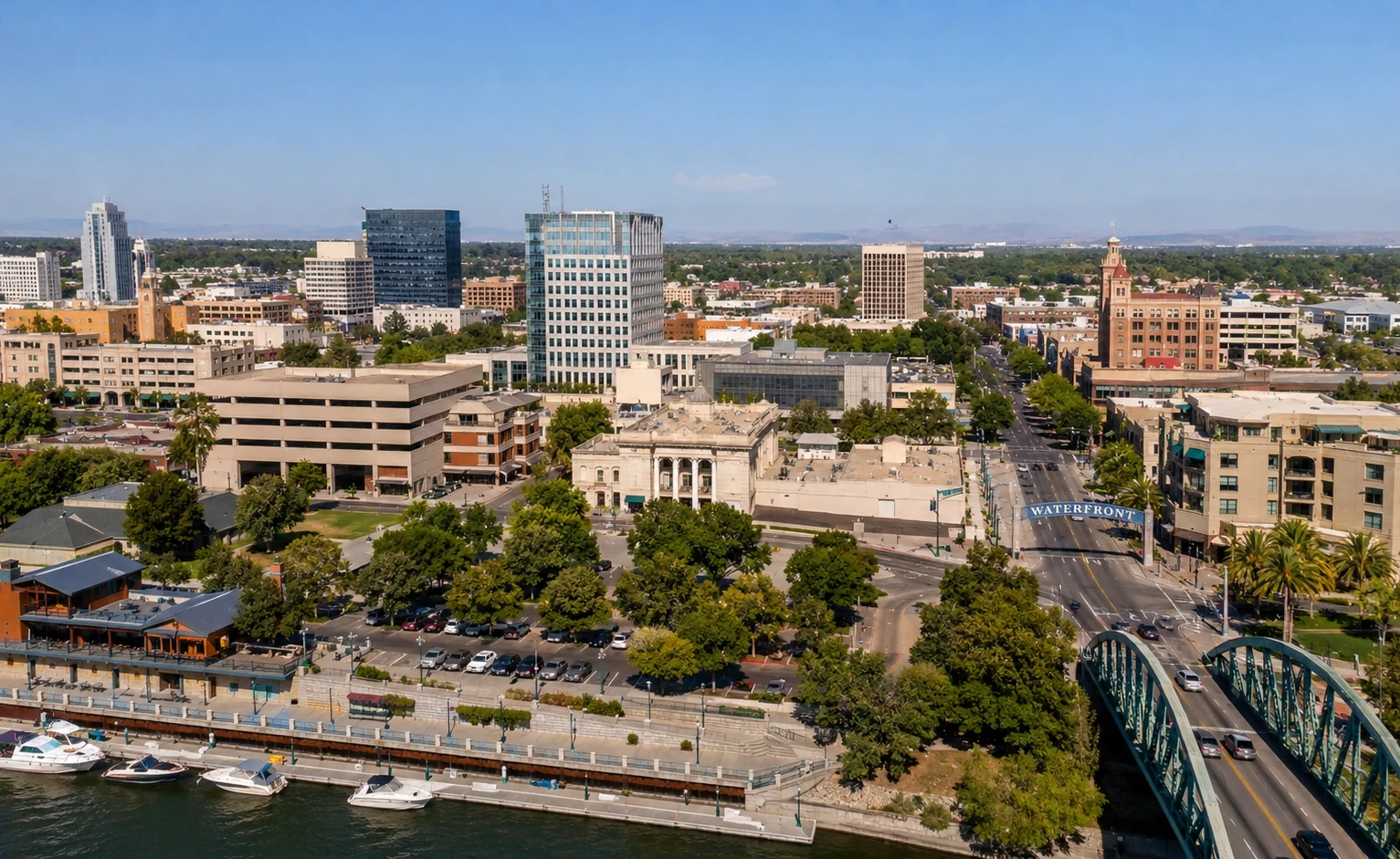
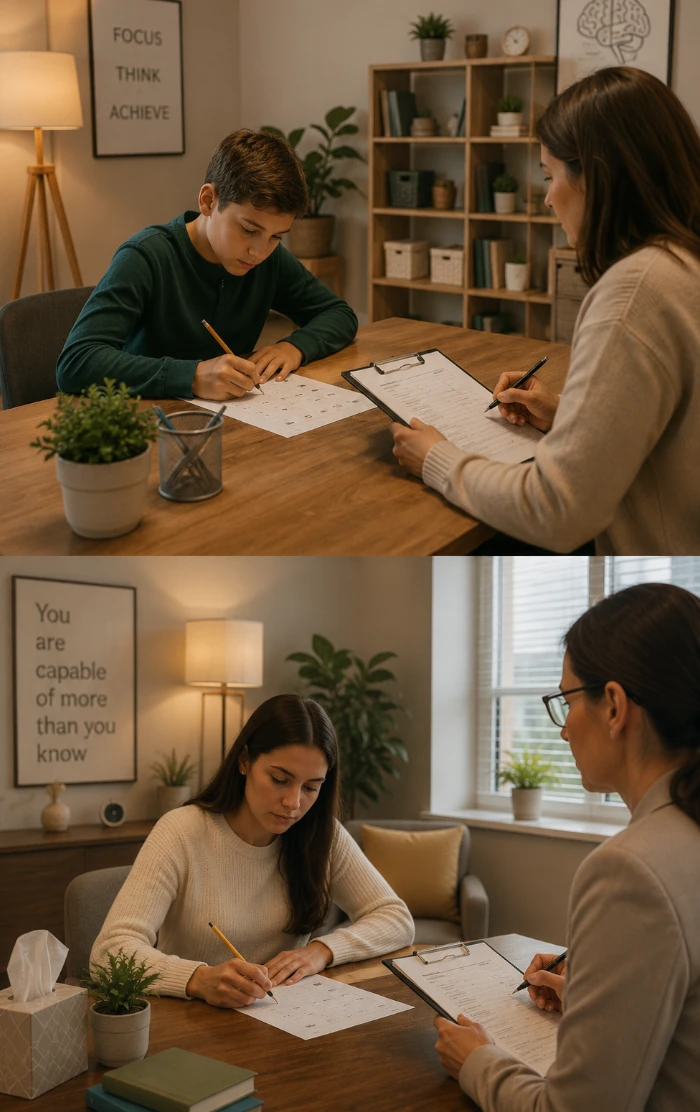
Professional IQ testing in Stockton – whether you need an assessment for school, employment, gifted program eligibility, or personal insight, we connect you with licensed psychologists in the Stockton area.
Last Updated: September 2026
Child IQ Testing
WISC-V & Stanford-Binet for ages 6–16. Gifted identification, learning profiles.
Adult IQ Testing
WAIS-IV & WAIS-5 available. Comprehensive adult cognitive assessments. Clinical & occupational.
WISC-V Test
Wechsler Intelligence Scale for Children® Fifth Edition – the gold standard for child IQ testing.
WAIS-IV & WAIS-5 Tests
Wechsler Adult Intelligence Scale® – Fourth Edition (WAIS-IV) and Fifth Edition (WAIS-5) available for adult IQ testing.
Gifted Testing
Identify giftedness for school placement, enrichment, and talent programs using WISC-V or Stanford-Binet.
Stanford-Binet 5
Stanford-Binet Intelligence Scales Fifth Edition – comprehensive cognitive assessment for all ages.
Mensa Testing
Mensa admission testing and preparation for the high-IQ society. Accepts WAIS-IV, WAIS-5, and Stanford-Binet 5 scores.
Full Evaluation
Combined assessment with detailed report and recommendations. Includes WISC-V, WAIS-IV, WAIS-5, or Stanford-Binet 5 as appropriate.
IQ Testing in Stockton: city context
Stockton is the county seat of San Joaquin County and a major city in California's northern San Joaquin Valley. The U.S. Census Bureau estimated 324,597 residents in 2025, across approximately 62.21 square miles of land. The city sits at the eastern edge of the Sacramento–San Joaquin Delta and combines a deep-water port, agricultural and food-processing activity, healthcare systems, higher education, public agencies, manufacturing, and a large logistics sector.
The local assessment environment is shaped by University of the Pacific, San Joaquin Delta College, Stanislaus State's Stockton Campus, Stockton Unified and neighboring school districts, San Joaquin County agencies, St. Joseph's Medical Center, Kaiser Permanente, Dameron Hospital, San Joaquin General Hospital, and a multilingual population that frequently requires culturally and linguistically informed interpretation.
Gender, age and demographic statistics
Current Census estimates show that 51.3% of Stockton residents are female, 26.7% are under age 18, and 13.0% are age 65 or older. The city is racially, ethnically, culturally, and linguistically diverse:
- White alone: 21.8% of residents.
- Black or African American alone: 11.3%.
- American Indian and Alaska Native alone: 1.6%.
- Asian alone: 21.3%.
- Native Hawaiian and Other Pacific Islander alone: 0.6%.
- Two or more races: 21.0%.
- Hispanic or Latino: 45.6% of residents; Hispanic origin may overlap with racial categories.
- Foreign-born residents: 26.5% in 2020–2024 estimates.
- Language context: 47.5% of residents age five and older speak a language other than English at home.
- Education: 77.5% of adults age 25 and older are high-school graduates or higher, and 20.0% hold a bachelor's degree or higher.
- Gender interpretation: Professional tests do not use a separate Stockton IQ norm for men or women. Scores are interpreted with age-based national norms and the person's education, language, culture, health, disability status, and testing conditions.
- Group statistics: There is no authoritative dataset establishing average IQ scores for Stockton neighborhoods, genders, or racial and ethnic groups; local demographic percentages should never be used to infer an individual's cognitive ability.
What is professional IQ testing?
Intelligence quotient (IQ) testing is a standardized method to measure human cognitive abilities and intellectual potential. Professional IQ tests are administered by licensed psychologists in a controlled environment to ensure accuracy and reliability. Unlike online quizzes, clinical assessments provide a full-scale IQ score along with detailed breakdowns of verbal comprehension, perceptual reasoning, working memory, and processing speed.
In Stockton, IQ testing is commonly used for gifted program admission, learning disability identification, career guidance, neuropsychological evaluation, and personal development. The results are presented in a comprehensive report that includes normative comparisons, strengths and weaknesses, and actionable recommendations.
Who should get tested?
IQ testing can benefit children, adolescents, and adults in various situations:
- Children: Parents often seek testing for school readiness, gifted placement, or to understand learning challenges.
- Adults: Many adults take IQ tests for career advancement, graduate school applications, or personal curiosity.
- Mensa candidates: High-IQ societies require official test scores for membership.
- Clinical referrals: Psychologists may recommend testing as part of a broader neuropsychological evaluation.
Types of IQ tests
We offer the most recognized and scientifically validated intelligence tests in the field:
- WISC-V (Wechsler Intelligence Scale for Children® – Fifth Edition): The gold standard for children aged 6:0–16:11. It provides a Full-Scale IQ and five primary index scores.
- WAIS-IV (Wechsler Adult Intelligence Scale® – Fourth Edition): The most widely used adult IQ test for ages 16–90. It measures cognitive functioning across four domains.
- Stanford-Binet Intelligence Scales – Fifth Edition: A comprehensive assessment for ages 2–85, often used for gifted identification and clinical evaluations.
- Gifted Testing: Often includes the WISC-V or Stanford-Binet, plus additional creativity and achievement measures.
- Mensa Testing: We provide official Mensa admission testing and preparation materials.
How the testing process works
- Initial consultation: Brief phone or video call to discuss your needs and match you with the right psychologist.
- Testing session: In-person or remote testing (depending on the test) with a licensed psychologist. Most sessions last 1–2 hours.
- Scoring and interpretation: The psychologist scores the test and interprets the results in the context of your background and goals.
- Feedback session: A detailed review of your results, including strengths, weaknesses, and practical recommendations.
- Comprehensive report: You receive a written report with all scores, normative comparisons, and actionable next steps.
How much does IQ testing cost in Stockton?
The cost of IQ testing in Stockton varies depending on the type of test, the psychologist's experience, and whether a comprehensive report is required. Typical fees range from $200 to $1,200 for a full assessment. Gifted testing and Mensa admission testing are often at the lower end, while neuropsychological evaluations may be higher.
An online IQ test offers Stockton residents a convenient way to explore reasoning questions, whereas school placement, accommodations, or clinical decisions require professionally administered testing.
Some insurance plans cover IQ testing when it's deemed medically necessary. We recommend checking with your provider for details. We also offer affordable payment plans and sliding-scale options for qualifying individuals.
Stockton's Intellectual History & Legacy
- Gold Rush origins: Charles M. Weber developed Stockton as an inland supply and transportation center during the California Gold Rush, using the San Joaquin River and regional roads to connect farms, mines, and markets.
- Port and engineering: The Port of Stockton, opened in 1933, established the city as a deep-water inland port and continues to support logistics, engineering, maritime operations, agriculture, and international trade.
- University of the Pacific: Pacific, chartered in 1851 and based in Stockton since 1923, is California's oldest chartered university and supports professional education, research, music, pharmacy, business, engineering, dentistry-related pathways, and the liberal arts.
- Delta and agricultural science: Water, flood control, environmental management, irrigation, crop science, food processing, and transportation have long shaped technical and policy work in the region.
- Immigrant and multilingual traditions: Latino, Filipino, Chinese, Cambodian, Vietnamese, Sikh, Punjabi, Pacific Islander, Black, and other communities contribute languages, institutions, entrepreneurship, and educational priorities.
- Cultural institutions: The Haggin Museum, Stockton-San Joaquin County Public Library, Bob Hope Theatre, local arts organizations, and historic neighborhoods support learning in history, art, literature, and civic life.
- Modern innovation: Port modernization, clean-energy aviation projects, warehouse automation, healthcare training, advanced manufacturing, and university-industry partnerships connect the city's historic transportation role with current technology.
Top Employers in Stockton Requiring Cognitive Skills
- San Joaquin County and the City of Stockton: Public administration, planning, engineering, public safety, budgeting, information technology, law, environmental services, and health programs rely on analytical and interpersonal skills.
- Healthcare organizations: St. Joseph's Medical Center, Kaiser Permanente, Dameron Hospital, San Joaquin General Hospital, county behavioral-health services, clinics, and long-term-care organizations employ clinicians, technicians, analysts, administrators, and support professionals.
- University of the Pacific and regional colleges: Faculty, researchers, counselors, technology staff, laboratory personnel, administrators, and student-support specialists use specialized knowledge and continuous learning.
- School districts and SJCOE: Teachers, school psychologists, counselors, administrators, special-education teams, bilingual staff, data specialists, and career-technical educators support a large and diverse student population.
- Port of Stockton and logistics employers: Maritime operations, distribution centers, trucking, rail, inventory systems, customs, safety, maintenance, and supply-chain planning require accuracy and coordinated decision-making.
- Agriculture and food processing: Growers, processors, cold-storage operators, quality-control teams, laboratories, equipment technicians, and managers connect the city to the wider San Joaquin Valley economy.
- Manufacturing and construction: Engineering, skilled trades, production, automation, quality assurance, project management, and occupational safety reward visual-spatial reasoning and technical problem-solving.
- Business, finance, retail, and hospitality: Banks, professional firms, small businesses, restaurants, hotels, venues, and regional retailers need communication, planning, quantitative reasoning, and customer-service skills.
Stockton IQ Testing by City Area
- Downtown and the waterfront: Government offices, the courthouse, Weber Point, the arena, Banner Island Ballpark, transit connections, and professional offices make the central area accessible for many referrals, though event-day parking should be checked.
- Miracle Mile, Collegeview, and University of the Pacific: Pacific Avenue, Harding Way, March Lane, and nearby bus routes connect established neighborhoods, campus resources, medical offices, and commercial services.
- North Stockton and Lincoln Village: Hammer Lane, West Lane, Pacific Avenue, Lower Sacramento Road, and Eight Mile Road serve residential areas, schools, healthcare facilities, and shopping centers.
- Brookside, Spanos Park, and northwest Stockton: I-5, March Lane, Eight Mile Road, and Benjamin Holt Drive provide regional access, but commute and school traffic can add time.
- East Stockton: Wilson Way, Waterloo Road, Charter Way, Alpine Avenue, and SR-99 connect neighborhoods with downtown, industrial corridors, schools, and county services.
- South Stockton and Weston Ranch: I-5, French Camp Road, Airport Way, Arch Road, and SR-4 serve residential, industrial, airport, hospital, and logistics areas.
- Rural and Delta communities: Families traveling from Farmington, Linden, French Camp, Holt, and Delta islands should account for two-lane roads, bridges, fog, and limited transit.
- Regional access: Clients may also travel from Lodi, Manteca, Lathrop, Tracy, Ripon, Modesto, Galt, Elk Grove, and other San Joaquin Valley or Delta communities.
Stockton Universities and Research Institutions
- University of the Pacific: A private university with undergraduate, graduate, and professional programs in the liberal arts, sciences, engineering, business, education, music, health sciences, pharmacy, and related fields.
- San Joaquin Delta College: A public community college offering transfer degrees, associate degrees, career and technical education, health programs, certificates, and adult-learning pathways.
- Stanislaus State Stockton Campus: Offers upper-division courses leading to selected bachelor's and master's degrees and credentials, allowing many students to complete programs without commuting to Turlock.
- Teachers College of San Joaquin: A regionally accredited institution within the San Joaquin County Office of Education focused on teacher preparation, credentials, professional learning, and educational leadership.
- Stockton Early College Academy partnerships: Early-college and dual-enrollment options connect high-school students with San Joaquin Delta College coursework and university preparation.
- Regional research access: UC Davis, Sacramento State, Stanislaus State in Turlock, CSU Sacramento health and education programs, and Bay Area universities expand specialized graduate and research opportunities.
- Applied research themes: Delta ecology and water, agriculture, logistics, public health, education, pharmacy, engineering, community development, clean energy, and transportation are especially relevant to the region.
Stockton Economic Context
- Median household income: $79,907 in 2020–2024 Census estimates.
- Per-capita income: $31,918.
- Residents in poverty: 15.5%.
- Bachelor's degree or higher: 20.0% of adults age 25 and older.
- Mean travel time to work: 31.7 minutes, reflecting both cross-city travel and commuting toward Sacramento, the Bay Area, Tracy, and other employment centers.
- Health care and social-assistance activity: Census business data report approximately $2.79 billion in 2022 receipts/revenue within the city.
- Transportation and warehousing: Approximately $1.22 billion in 2022 receipts/revenue reflects the importance of the Port of Stockton, rail, trucking, distribution, and regional logistics.
- Retail sales: Approximately $5.43 billion in 2022, or $16,924 per capita.
- Accommodation and food services: Approximately $707.7 million in 2022 sales.
- Regional strengths: Logistics and distribution, port activity, healthcare, education, government, agriculture and food processing, manufacturing, construction, retail, professional services, clean-energy aviation, and small-business entrepreneurship.
Stockton School District Data
- Stockton Unified School District: Serves much of the city through neighborhood schools, charter and specialty schools, career academies, dual-language programs, International Baccalaureate options, and early-college pathways.
- Specialty programs: SUSD identifies programs such as Primary Years Academy, International Baccalaureate at Franklin, Stockton Early College Academy, Weber Institute, Health Careers Academy, Pacific Law Academy, and environmental, public-safety, technology, and career pathways.
- Lincoln Unified GATE: Lincoln Unified describes differentiated curriculum and instructional strategies for gifted and talented students within mainstream classrooms.
- Other districts: Parts of the Stockton area are served by Lodi Unified and Manteca Unified; residence and district boundaries determine enrollment and program rules.
- California framework: State categorical GATE funding ended under the Local Control Funding Formula, so identification criteria, services, funding, and appeals are determined locally by each educational agency.
- San Joaquin County Office of Education: SJCOE supports 14 county districts, special education, STEM and outdoor education, student events, teacher training, career pathways, and countywide services.
- Multiple measures: Districts may consider achievement, classroom performance, ability measures, portfolios, teacher evidence, language background, and other data rather than relying on a single private IQ score.
- Private and charter schools: Admissions and placement policies vary; families should obtain current written requirements before arranging testing.
Local Testing Centers and Psychologists
- Private licensed psychologists: Independent practices may provide IQ, gifted, ADHD, autism, learning-disability, disability, forensic, and psychoeducational evaluations. Verify the psychologist through the California Board of Psychology.
- Kaiser Permanente Stockton: Local medical offices include neurology and behavioral-health referral pathways for members; availability and authorization depend on the health plan and clinical question.
- St. Joseph's Medical Center and Behavioral Health Center: Hospital, neurological, psychiatric, and behavioral-health services can support medical assessment and referral when cognitive concerns are linked to illness or mental health.
- Dameron Hospital: A nonprofit community hospital with acute and specialty care, including stroke services; cognitive testing availability should be confirmed through the relevant department or referral network.
- San Joaquin General Hospital and county services: County medical and behavioral-health systems serve residents through clinical, public-health, psychiatric, and specialty pathways.
- School-district evaluations: School psychologists and multidisciplinary teams evaluate educational eligibility under district, state, and federal procedures; a school evaluation differs from a privately commissioned clinical assessment.
- University distinction: Research, counseling, or training programs may not provide a diagnosis or school-ready report. Confirm scope, supervision, and documentation before participating.
- Provider verification: Confirm licensure, age specialization, tests used, report purpose, fees, turnaround time, language access, and whether the intended school, employer, court, insurer, or agency will accept the evaluation.
Stockton Events and Conferences
- University programs: University of the Pacific hosts lectures, performances, research presentations, professional events, graduate showcases, athletics, and community programs.
- Education and workforce events: San Joaquin Delta College, Stanislaus State Stockton Campus, Teachers College of San Joaquin, and SJCOE offer workshops, student competitions, career programs, and continuing education.
- Downtown venues: Stockton Arena, Bob Hope Theatre, Weber Point Events Center, and Banner Island Ballpark host concerts, sports, festivals, graduations, and civic gatherings that may affect traffic and parking.
- Community learning: Libraries, the Haggin Museum, cultural organizations, parks, and nonprofit groups provide youth programs, exhibits, lectures, maker activities, and arts education.
- Business and professional events: Chambers of commerce, the San Joaquin Small Business Development Center, healthcare systems, the Port, and local agencies hold networking and training events.
- Scheduling advice: Confirm parking and travel before appointments during major downtown events, school graduations, festivals, university move-in, or large sporting events.
Transportation and Accessibility
- Major roads: I-5 runs north–south through western Stockton, SR-99 runs north–south along the east side, and SR-4/Crosstown Freeway connects the port, downtown, and eastern approaches. Other important corridors include SR-26, Charter Way/Dr. Martin Luther King Jr. Boulevard, Pacific Avenue, West Lane, Wilson Way, March Lane, Hammer Lane, Eight Mile Road, Airport Way, and Waterloo Road.
- Public transit: San Joaquin Regional Transit District operates local bus routes throughout Stockton and commuter services toward Sacramento and the Bay Area. Real-time bus information is available through RTD NOW.
- Regional rail: Altamont Corridor Express connects Stockton with the Tri-Valley and San Jose corridor on weekday commuter schedules, while Amtrak San Joaquins provides intercity rail connections through Stockton stations.
- Airport: Stockton Metropolitan Airport (SCK), south of the city near Arch Airport Road, currently advertises passenger service to Las Vegas and Phoenix, along with general aviation, cargo, training, and clean-energy aviation activity.
- Distance to other cities: Approximately 45 minutes to Modesto, 50–60 minutes to Sacramento, 1 hour 10 minutes to Oakland, 1 hour 20 minutes to San Jose, 1 hour 30 minutes to San Francisco, and about 2.5–3 hours to Yosemite Valley, depending on traffic and route.
- Walkability: Downtown and the waterfront, the Miracle Mile, the University of the Pacific campus, and compact commercial districts are among the more walkable areas, although Stockton overall remains automobile-oriented.
- Bike infrastructure: The city reports about 100 miles of off-street trails, paths, and on-street bicycle facilities. The Calaveras River corridor, downtown connections, neighborhood routes, and planned east–west improvements form key parts of the network.
- Parking: Downtown garages, campus permits, hospital lots, and private-office parking have different rules; allow extra time for events, construction, school traffic, and medical check-in.
- Accessibility: Ask the testing provider about step-free entry, accessible parking, elevators, sensory needs, language access, rest breaks, and approved testing accommodations before the appointment.
Stockton Weather and Seasonal Considerations
- Hot, dry summers: Triple-digit heat is possible, especially from June through September; hydration, shaded parking, and a comfortable indoor testing room can reduce fatigue.
- Winter rain and fog: Rain, low clouds, and dense Central Valley tule fog can slow travel on I-5, SR-99, rural roads, and Delta bridges.
- Flood awareness: Stockton's rivers, sloughs, levees, and low elevation make flood planning important during major storms; follow official road and emergency alerts.
- Air quality and wildfire smoke: Ozone, particulate pollution, agricultural dust, and regional wildfire smoke may affect breathing, sleep, headaches, and concentration.
- Allergies: Grass, tree, weed, mold, and agricultural allergens can influence comfort and medication use during testing.
- Academic cycles: Gifted, school-placement, disability-accommodation, and graduate-school evaluations should be scheduled well before application or documentation deadlines.
Areas we serve
We support all areas of Stockton.
Frequently Asked Questions
WISC-V is for children aged 6–16, while WAIS-IV is for adults aged 16–90. Each is normed for its specific age group.
Most IQ tests take between 60 and 90 minutes, plus a feedback session. Allow 2–3 hours total.
No, you can book directly with our psychologists. We serve both self-referred and professionally referred individuals.
Some professionally administered scores may be submitted as prior evidence, but acceptance is determined solely by American Mensa under its current rules.
Some plans cover cognitive assessments when there is a clinical indication. Check with your provider.
Get a good night's sleep, eat a healthy meal, and arrive relaxed. No specific preparation is needed.
You'll receive a comprehensive report with your scores and tailored recommendations.
Interviews and feedback may be available remotely, but many standardized cognitive tests require controlled administration and may need an in-person appointment. Contact us for details.