
IQ Testing in St. Petersburg
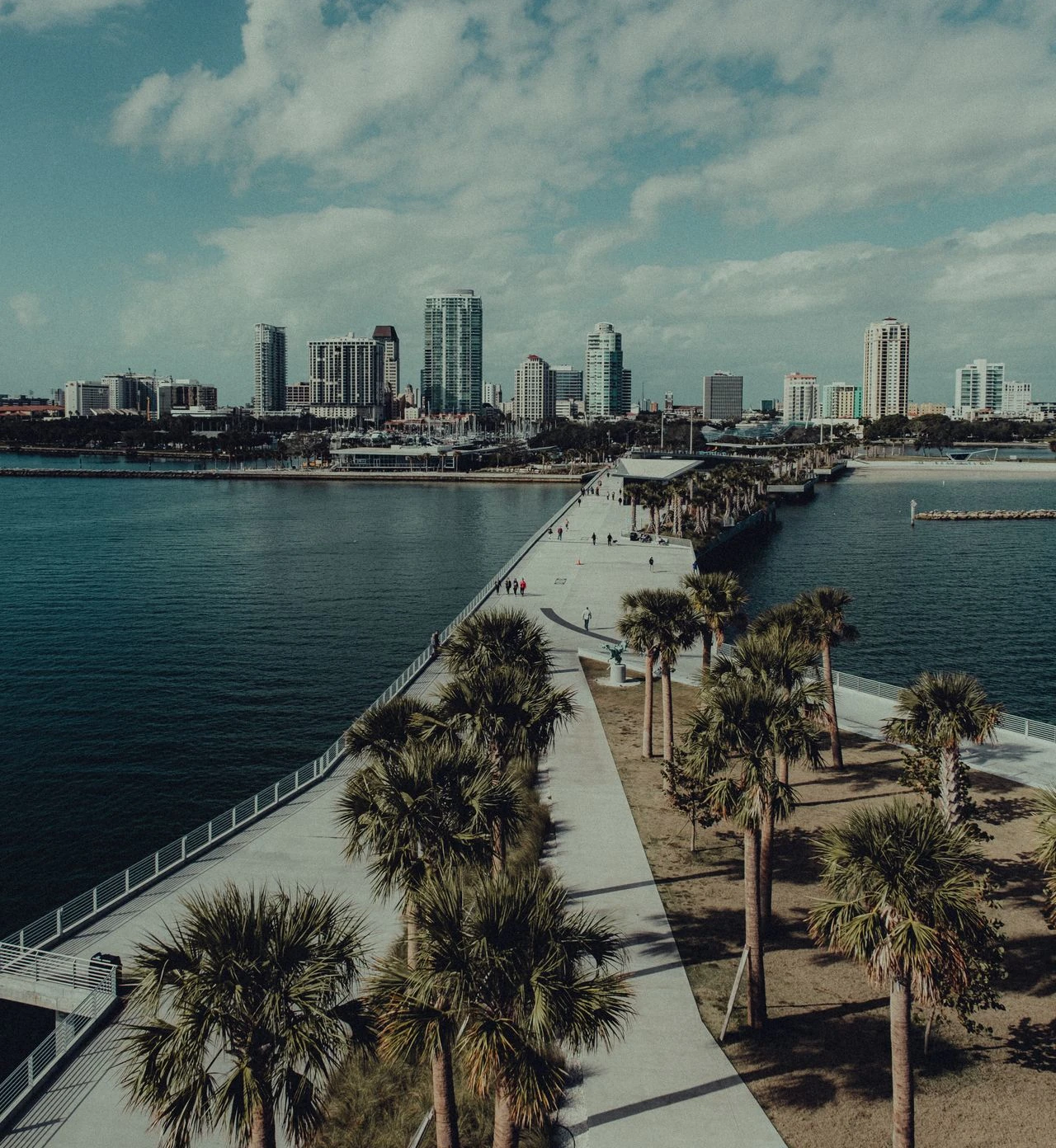
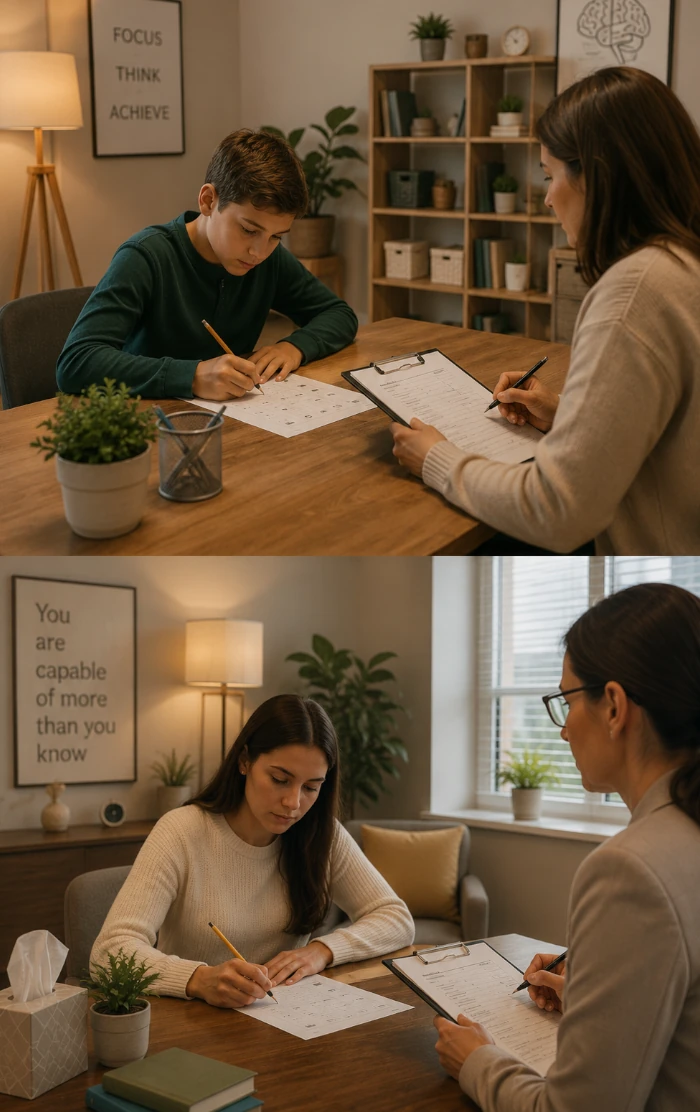
Professional IQ testing in St. Petersburg – whether you need an assessment for school, employment, gifted program eligibility, or personal insight, we connect you with licensed psychologists in the St. Petersburg area.
Last Updated: September 2026
Child IQ Testing
WISC-V & Stanford-Binet for ages 6–16. Gifted identification, learning profiles.
Adult IQ Testing
WAIS-IV & WAIS-5 available. Comprehensive adult cognitive assessments. Clinical & occupational.
WISC-V Test
Wechsler Intelligence Scale for Children® Fifth Edition – the gold standard for child IQ testing.
WAIS-IV & WAIS-5 Tests
Wechsler Adult Intelligence Scale® – Fourth Edition (WAIS-IV) and Fifth Edition (WAIS-5) available for adult IQ testing.
Gifted Testing
Identify giftedness for school placement, enrichment, and talent programs using WISC-V or Stanford-Binet.
Stanford-Binet 5
Stanford-Binet Intelligence Scales Fifth Edition – comprehensive cognitive assessment for all ages.
Mensa Testing
Mensa admission testing and preparation for the high-IQ society. Accepts WAIS-IV, WAIS-5, and Stanford-Binet 5 scores.
Full Evaluation
Combined assessment with detailed report and recommendations. Includes WISC-V, WAIS-IV, WAIS-5, or Stanford-Binet 5 as appropriate.
IQ Testing in St. Petersburg: city context
St. Petersburg is Pinellas County's largest city and a major employment, education, healthcare, cultural, marine-science, and financial-services center within the Tampa Bay region. The U.S. Census Bureau estimated 264,033 residents in 2025, up 2.2% from the 2020 estimates base, across approximately 61.82 square miles of land. Local demand for cognitive assessment is shaped by Pinellas County Schools, private and charter schools, USF St. Petersburg, St. Petersburg College, Eckerd College, major hospitals, Bay Pines VA, financial and technology employers, marine research organizations, and families seeking gifted identification, disability documentation, career guidance, graduate-school planning, or diagnostic clarification.
The local assessment ecosystem includes private Florida-licensed psychologists, Johns Hopkins All Children's Hospital, Orlando Health Bayfront Hospital, BayCare's St. Anthony's Hospital, Bay Pines VA Healthcare System, school-based evaluation teams, university resources, and specialty practices throughout Pinellas County and the broader Tampa Bay area.
- Common referral goals: Gifted eligibility, school planning, ADHD and learning evaluation, autism assessment, disability and accommodation documentation, career guidance, graduate-school preparation, neuropsychological questions, aging-related concerns, and personal insight.
- Regional access: Residents from Gulfport, South Pasadena, Pinellas Park, Seminole, Largo, Clearwater, St. Pete Beach, Tampa, and other Tampa Bay communities may travel into or across St. Petersburg for specialty services.
- Provider matching: The correct examiner depends on age, referral purpose, test edition, language needs, medical complexity, insurance, and the requirements of the school, employer, court, testing agency, or professional program receiving the report.
Gender, age and demographic statistics
Current Census estimates describe the city's population but do not establish separate local IQ averages for demographic groups:
- Female population: 52.2%.
- Residents under age 18: 16.1%.
- Residents age 65 and older: 21.1%.
- White alone: 64.6%.
- Black or African American alone: 19.1%.
- American Indian and Alaska Native alone: 0.2%.
- Asian alone: 3.7%.
- Two or more races: 9.9%.
- Hispanic or Latino: 9.6%; Hispanic origin may overlap with racial categories.
- Foreign-born residents: 10.7%.
- Language other than English at home: 13.5% of residents age five and older.
- Education: 93.7% of adults age 25 and older are high-school graduates or higher, and 42.6% hold a bachelor's degree or higher.
- Labor-force participation: 64.2% overall and 61.5% among women age 16 and older.
- Clinical interpretation: Examiners use age-based national norms and consider education, language, culture, disability, medical history, attention, mood, sleep, medication, and testing conditions rather than inferring ability from gender, race, ethnicity, or neighborhood.
What is professional IQ testing?
Intelligence quotient (IQ) testing is a standardized method to measure human cognitive abilities and intellectual potential. Professional IQ tests are administered by licensed psychologists in a controlled environment to ensure accuracy and reliability. Unlike online quizzes, clinical assessments provide a full-scale IQ score along with detailed breakdowns of verbal comprehension, perceptual reasoning, working memory, and processing speed.
In St. Petersburg, IQ testing is commonly used for gifted program admission, learning disability identification, career guidance, neuropsychological evaluation, and personal development. The results are presented in a comprehensive report that includes normative comparisons, strengths and weaknesses, and actionable recommendations.
Who should get tested?
IQ testing can benefit children, adolescents, and adults in various situations:
For St. Petersburg residents who want an informal introduction to reasoning questions, an online IQ test can be a useful starting point, while a licensed psychologist is necessary when formal documentation or diagnosis is required.
- Children: Parents often seek testing for school readiness, gifted placement, or to understand learning challenges.
- Adults: Many adults take IQ tests for career advancement, graduate school applications, or personal curiosity.
- Mensa candidates: High-IQ societies require official test scores for membership.
- Clinical referrals: Psychologists may recommend testing as part of a broader neuropsychological evaluation.
Types of IQ tests
We offer the most recognized and scientifically validated intelligence tests in the field:
- WISC-V (Wechsler Intelligence Scale for Children® – Fifth Edition): The gold standard for children aged 6:0–16:11. It provides a Full-Scale IQ and five primary index scores.
- WAIS-IV (Wechsler Adult Intelligence Scale® – Fourth Edition): The most widely used adult IQ test for ages 16–90. It measures cognitive functioning across four domains.
- Stanford-Binet Intelligence Scales – Fifth Edition: A comprehensive assessment for ages 2–85, often used for gifted identification and clinical evaluations.
- Gifted Testing: Often includes the WISC-V or Stanford-Binet, plus additional creativity and achievement measures.
- Mensa Testing: We provide official Mensa admission testing and preparation materials.
How the testing process works
- Initial consultation: Brief phone or video call to discuss your needs and match you with the right psychologist.
- Testing session: In-person or remote testing (depending on the test) with a licensed psychologist. Most sessions last 1–2 hours.
- Scoring and interpretation: The psychologist scores the test and interprets the results in the context of your background and goals.
- Feedback session: A detailed review of your results, including strengths, weaknesses, and practical recommendations.
- Comprehensive report: You receive a written report with all scores, normative comparisons, and actionable next steps.
How much does IQ testing cost in St. Petersburg?
The cost of IQ testing in St. Petersburg varies depending on the type of test, the psychologist's experience, and whether a comprehensive report is required. Typical fees range from $200 to $1,200 for a full assessment. Gifted testing and Mensa admission testing are often at the lower end, while neuropsychological evaluations may be higher.
Some insurance plans cover IQ testing when it's deemed medically necessary. We recommend checking with your provider for details. We also offer affordable payment plans and sliding-scale options for qualifying individuals.
St. Petersburg's Intellectual History & Legacy
- Commercial aviation history: The St. Petersburg–Tampa Airboat Line sold the first ticket for scheduled commercial air travel in 1914, linking the city to a nationally significant transportation milestone.
- Marine science: The downtown waterfront Innovation District includes USF marine-science activity, NOAA and state research partners, the Florida Institute of Oceanography, and organizations studying fisheries, oceans, climate, coastal resilience, and environmental systems.
- Financial-services growth: Raymond James, founded in St. Petersburg, helped establish the city as an important center for investment, financial planning, analytics, compliance, technology, and corporate operations.
- Specialized manufacturing: Jabil and regional aerospace, defense, electronics, medical-device, and precision-manufacturing employers create demand for engineering, quality, supply-chain, automation, and analytical skills.
- Higher education: USF St. Petersburg, St. Petersburg College, and Eckerd College support research, liberal arts, business, computing, education, marine science, psychology-related study, and professional preparation.
- Medical and behavioral-health training: Johns Hopkins All Children's Hospital, Orlando Health Bayfront Hospital, Bay Pines VA, and regional health systems support clinical care, psychology training, neuroscience, rehabilitation, and research.
- Arts and communication: The Dalí Museum, Museum of Fine Arts, Morean Arts Center, Chihuly Collection, Mahaffey Theater, American Stage, Florida Orchestra, Poynter Institute, and local media contribute to creative and civic learning.
Top Employers in St. Petersburg Requiring Cognitive Skills
- Pinellas County Schools: Teaching, school psychology, gifted education, special education, counseling, administration, data, technology, and student-support roles.
- City of St. Petersburg: Engineering, planning, public safety, utilities, sustainability, finance, information technology, law, communications, and public administration.
- Raymond James: Financial planning, investment operations, software, cybersecurity, analytics, accounting, legal, compliance, and client-service careers.
- Johns Hopkins All Children's Hospital: Pediatric medicine, nursing, psychology, neuropsychology, research, rehabilitation, social work, informatics, and hospital operations.
- Orlando Health Bayfront Hospital: Trauma, neurosciences, rehabilitation, surgery, nursing, diagnostics, administration, and clinical-support roles.
- Jabil: Electronics design and manufacturing, engineering, automation, quality, supply chain, data, finance, and leadership.
- Bay Pines VA Healthcare System: Medicine, mental health, neuropsychology, rehabilitation, research, administration, benefits, and veteran support.
- St. Petersburg College and USF: Faculty, research, advising, technology, administration, libraries, student services, and workforce education.
St. Petersburg IQ Testing by City Area
- Downtown and the Innovation District: Concentrations of hospitals, USF, research organizations, museums, professional offices, transit, parking garages, and waterfront amenities.
- Central Avenue corridor: Grand Central, EDGE, Warehouse Arts, Central Arts, and adjacent districts connect employment, culture, restaurants, housing, and SunRunner stations.
- Northeast St. Petersburg: Residential communities, schools, parks, medical offices, 4th Street access, Gandy connections, and proximity to Gateway employers.
- Northwest and Tyrone: Retail, schools, healthcare offices, residential neighborhoods, Tyrone Square, and access toward Seminole and the beaches.
- South St. Petersburg: Neighborhood schools, community organizations, Lake Maggiore, the Deuces corridor, Eckerd College access, and developing mobility connections.
- Greater Pinellas and Tampa Bay: Gulfport, Pinellas Park, Seminole, Largo, Clearwater, St. Pete Beach, Tampa, and nearby communities may use St. Petersburg providers depending on specialty and availability.
St. Petersburg Universities and Research Institutions
- University of South Florida St. Petersburg: A waterfront branch campus of a major research university, offering access to undergraduate and graduate study, faculty research, student success resources, business, education, sciences, computing, psychology-related fields, and marine-science partnerships.
- St. Petersburg College: Offers hundreds of degree, certificate, transfer, bachelor's, workforce, and short-term training options through the Gibbs Campus, Downtown Center, Allstate Center, and other Pinellas locations.
- Eckerd College: A private waterfront liberal-arts and sciences college emphasizing experiential learning, student research, global education, environmental study, marine science, arts, psychology, business, and pre-professional pathways.
- Marine and environmental research: The St. Petersburg Innovation District brings together university, government, nonprofit, and private-sector organizations focused on oceanography, fisheries, coastal resilience, climate, and marine technology.
- Poynter Institute: A nationally recognized center for journalism education, media ethics, fact-checking, leadership, and professional development.
- Regional access: The University of South Florida Tampa, University of Tampa, Stetson University College of Law, Hillsborough Community College, and other Tampa Bay institutions expand graduate and specialized options.
St. Petersburg Economic Context
- Median household income: $75,192 in 2020–2024 Census estimates.
- Per-capita income: $51,961.
- Residents in poverty: 12.5%.
- Bachelor's degree or higher: 42.6% of adults age 25 and older.
- Mean travel time to work: 25.6 minutes, although bridge congestion, beach traffic, downtown events, construction, and hurricane-related disruptions can lengthen trips.
- Health and social-assistance activity: Census business data report approximately $4.05 billion in 2022 receipts/revenue within the city.
- Transportation and warehousing: Approximately $375.5 million in 2022 receipts/revenue reflects logistics, distribution, aviation, marine activity, and regional movement of goods.
- Accommodation and food services: Approximately $965.3 million in 2022 sales reflects tourism, restaurants, hotels, events, and waterfront recreation.
- Retail sales: Approximately $5.60 billion in 2022.
- Regional strengths: Financial services, data analytics and technology, corporate headquarters, specialized manufacturing, marine and life sciences, healthcare, education, tourism, creative arts and design, government, and professional services.
St. Petersburg School District Data
- District: St. Petersburg is served by Pinellas County Schools, which operates neighborhood schools, fundamental schools, magnets, career academies, exceptional-student programs, virtual options, and gifted services.
- Gifted screening: A student may be nominated by a parent, teacher, peer, or self and screened with the CogAT or NNAT; a score at or above the 90th percentile leads to recommended further evaluation under the district process.
- IQ evaluation: Pinellas County Schools may provide an evaluation by a licensed school psychologist at no cost; the district states that the process can take up to 90 school days after the request.
- K–12 gifted services: Eligible students can receive gifted services at every district school, with elementary pull-out services and full-time Center for Gifted Studies options available through district application procedures.
- Centers for Gifted Studies: Midtown Academy serves the south-county area, while Ridgecrest and Elisa Nelson serve other Pinellas zones; eligibility and application are separate steps.
- Advanced pathways: Middle and high schools offer gifted consultation, honors, Advanced Placement, Cambridge, International Baccalaureate, dual enrollment, career academies, and arts or STEM programs depending on campus.
- Outside testing: A private psychologist's report can provide evidence, but the school district—not the examiner—determines educational eligibility, services, and placement under Florida rules.
- Private and charter schools: Admission, placement, gifted support, testing requirements, and acceptance of outside reports vary by school and year.
Local Testing Centers and Psychologists
- Johns Hopkins All Children's Hospital: The Center for Behavioral Health includes psychology and neuropsychology services for children, adolescents, and young adults; referral scope and wait times should be confirmed.
- Orlando Health Bayfront Hospital: Provides neurosciences, trauma, rehabilitation, and medical pathways for adults whose cognitive concerns are connected to neurological illness or injury.
- Bay Pines VA Healthcare System: Eligible veterans have access to mental health, neuropsychology, rehabilitation, specialty care, and an accredited clinical-neuropsychology training program.
- St. Anthony's Hospital and BayCare: Medical, behavioral-health, rehabilitation, and specialty services may coordinate or refer cognitive assessment depending on the clinical question.
- Private psychologists: St. Petersburg and Pinellas County practices offer IQ, gifted, ADHD, autism, learning-disability, psychoeducational, neuropsychological, disability, forensic, and diagnostic evaluations with different age ranges and specialties.
- School-based assessment: Pinellas County Schools evaluates eligible students for gifted and exceptional-student services under educational rules.
- Credential verification: Confirm active Florida psychology licensure, test edition, age range, language competence, report scope, fees, turnaround time, insurance, and recipient requirements before scheduling.
St. Petersburg Events and Conferences
- USF St. Petersburg: Research presentations, public lectures, marine-science programming, business events, career activities, arts, and community partnerships occur throughout the year.
- St. Petersburg College: Workforce events, academic showcases, arts performances, public-safety training, career fairs, and continuing education are offered across local campuses.
- Eckerd College: Public lectures, environmental programs, leadership development, arts, pre-college programs, summer camps, and lifelong-learning courses serve youth and adults.
- Medical institutions: Johns Hopkins All Children's, Orlando Health Bayfront, BayCare, and Bay Pines VA provide professional education, support groups, community health events, and clinical training.
- Museums and cultural organizations: The Dalí Museum, Museum of Fine Arts, Morean Arts Center, Imagine Museum, Florida Holocaust Museum, American Stage, Mahaffey Theater, and Florida Orchestra offer enrichment.
- Tampa Bay Mensa: The local group reports more than 700 members and organizes monthly social, intellectual, gifted-youth, scholarship, and testing-related activities, subject to current schedules.
Transportation and Accessibility
- Major roads: I-275 is the primary north–south freeway; US-19/34th Street serves western city travel; 4th Street, 9th Street/Dr. Martin Luther King Jr. Street, 16th Street, 22nd Avenue, 38th Avenue, 54th Avenue, Gandy Boulevard, Roosevelt Boulevard, Central Avenue, and the Pinellas Bayway connect local districts and neighboring communities.
- Bridges and regional access: The Howard Frankland Bridge and Gandy Bridge connect to Tampa; the Sunshine Skyway Bridge connects toward Bradenton and Sarasota; the Pinellas Bayway and causeways serve Gulf beaches.
- Public transit: Pinellas Suncoast Transit Authority operates fixed bus routes, paratransit, trolleys, and regional connections. The SunRunner bus rapid transit line links downtown St. Petersburg, the Central Avenue corridor, South Pasadena, and St. Pete Beach with frequent, accessible service.
- Downtown circulation: The Downtown Looper and Central Avenue Trolley complement PSTA routes; service patterns, fares, and operating hours should be checked before an appointment.
- Airports: St. Pete–Clearwater International Airport (PIE), north of the city, offers nonstop service to more than 60 destinations. Tampa International Airport (TPA), approximately 20 miles from St. Petersburg, offers more than 100 nonstop domestic and international destinations.
- Distance to other cities: Approximately 20–30 minutes to St. Pete Beach; 25–40 minutes to downtown Tampa; 30–45 minutes to Clearwater; 45–60 minutes to Bradenton; about 1 hour to Sarasota; 1.5–2 hours to Orlando-area destinations; and roughly 2 hours to Fort Myers, depending on traffic and route.
- Walkability: Downtown, the waterfront, Central Avenue, EDGE, Grand Central, Historic Kenwood, the Warehouse Arts District, and parts of Old Northeast offer the strongest concentrations of destinations and pedestrian facilities.
- Bike infrastructure: CityTrails include bicycle lanes, routes, sidewalks, crosswalks, recreational paths, the Pinellas Trail, waterfront trails, and connections across arts districts; downtown Lime e-bikes provide an additional option.
- Parking and appointment planning: Downtown garages, public lots, metered spaces, hospital campuses, event traffic, beach traffic, bridge congestion, thunderstorms, flooding, and construction can affect arrival time.
St. Petersburg Weather and Seasonal Considerations
- Hot, humid summers: Temperatures commonly reach the low to mid-90s, with heat indices above 100°F; heat, dehydration, and long commutes can affect attention and stamina.
- Afternoon thunderstorms: Summer storms can produce lightning, intense rain, wind, localized street flooding, and sudden travel delays.
- Hurricane season: The Atlantic season runs June 1 through November 30, with peak activity generally from mid-August through mid-October; closures, evacuations, storm surge, and power interruptions may require rescheduling.
- Coastal flooding: Low-lying roads, drainage limitations, high tides, tropical weather, and heavy rain can affect access even when the testing site itself remains open.
- Mild winters: Winter travel is usually easier, although cold fronts, fog, strong winds, and seasonal visitor traffic can still affect appointments.
- Allergies and air quality: Mold, pollen, humidity, wildfire smoke, and red-tide conditions may affect sleep, headaches, respiratory symptoms, and concentration.
- Testing readiness: Schedule when the examinee can arrive rested, fed, appropriately medicated, hydrated, and without rushing from school, work, a bridge crossing, or a regional drive.
Areas we serve
We support all areas of St. Petersburg.
Frequently Asked Questions
WISC-V is for children aged 6–16, while WAIS-IV is for adults aged 16–90. Each is normed for its specific age group.
Most IQ tests take between 60 and 90 minutes, plus a feedback session. Allow 2–3 hours total.
No, you can book directly with our psychologists. We serve both self-referred and professionally referred individuals.
Some professionally administered scores may be submitted as prior evidence, but acceptance is determined solely by American Mensa under its current rules.
Some plans cover cognitive assessments when there is a clinical indication. Check with your provider.
Get a good night's sleep, eat a healthy meal, and arrive relaxed. No specific preparation is needed.
You'll receive a comprehensive report with your scores and tailored recommendations.
Interviews and feedback may be available remotely, but many standardized cognitive tests require controlled administration and may need an in-person appointment. Contact us for details.