
IQ Testing in Rochester
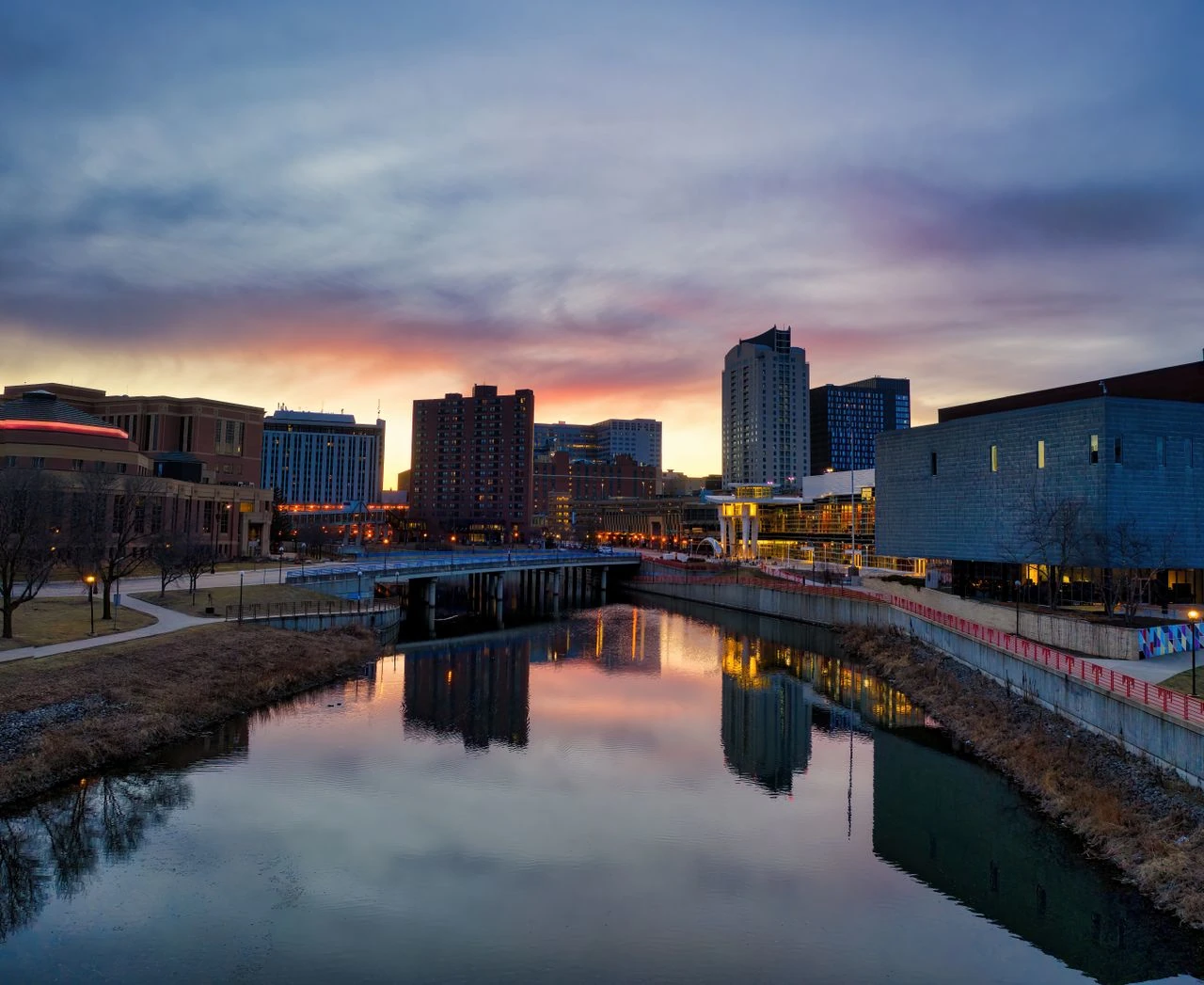
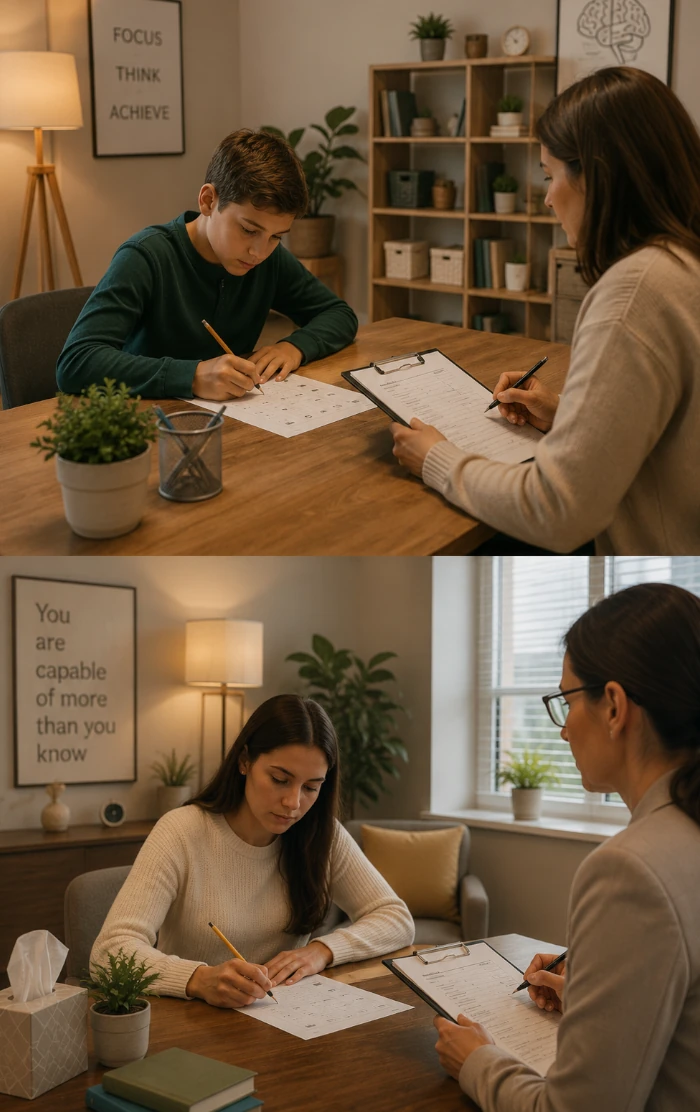
Professional IQ testing in Rochester – whether you need an assessment for school, employment, gifted program eligibility, or personal insight, we connect you with licensed psychologists in the Rochester area.
Last Updated: September 2026
Child IQ Testing
WISC-V & Stanford-Binet for ages 6–16. Gifted identification, learning profiles.
Adult IQ Testing
WAIS-IV & WAIS-5 available. Comprehensive adult cognitive assessments. Clinical & occupational.
WISC-V Test
Wechsler Intelligence Scale for Children® Fifth Edition – the gold standard for child IQ testing.
WAIS-IV & WAIS-5 Tests
Wechsler Adult Intelligence Scale® – Fourth Edition (WAIS-IV) and Fifth Edition (WAIS-5) available for adult IQ testing.
Gifted Testing
Identify giftedness for school placement, enrichment, and talent programs using WISC-V or Stanford-Binet.
Stanford-Binet 5
Stanford-Binet Intelligence Scales Fifth Edition – comprehensive cognitive assessment for all ages.
Mensa Testing
Mensa admission testing and preparation for the high-IQ society. Accepts WAIS-IV, WAIS-5, and Stanford-Binet 5 scores.
Full Evaluation
Combined assessment with detailed report and recommendations. Includes WISC-V, WAIS-IV, WAIS-5, or Stanford-Binet 5 as appropriate.
IQ Testing in Rochester: city context
Gender, age and demographic statistics
Rochester had an estimated 206,108 residents on July 1, 2025. Census 2020–2024 estimates report that 52.4% of residents are female, 20.9% are under age 18, and 13.1% are age 65 or older. The city is 39.7% White alone, 36.2% Black alone, 3.4% Asian alone, 0.3% American Indian or Alaska Native alone, 0.1% Native Hawaiian or Other Pacific Islander alone, 11.6% reporting two or more races, and 19.6% Hispanic or Latino; race and Hispanic-origin categories are not mutually exclusive.
These statistics describe the community, not intelligence. IQ results must be interpreted individually in light of age, education, disability, health, culture, language exposure, socioeconomic opportunity, and testing conditions. In Rochester, 19.1% of residents age five and older speak a language other than English at home, and 8.2% are foreign-born. A responsible examiner documents language history and determines whether standard verbal, nonverbal, bilingual, or interpreter-supported procedures are appropriate.
- Female residents: 52.4%.
- Children and teens: 20.9% are under 18.
- Older adults: 13.1% are 65 or older.
- Language context: 19.1% speak a language other than English at home.
- Educational context: 84.7% of adults age 25+ completed high school and 30.0% hold a bachelor’s degree or higher.
- Interpretation: No gender, racial, ethnic, immigration, disability, or language group should be presumed to have a particular IQ profile.
What is professional IQ testing?
Intelligence quotient (IQ) testing is a standardized method to measure human cognitive abilities and intellectual potential. Professional IQ tests are administered by licensed psychologists in a controlled environment to ensure accuracy and reliability. Unlike online quizzes, clinical assessments provide a full-scale IQ score along with detailed breakdowns of verbal comprehension, perceptual reasoning, working memory, and processing speed.
In Rochester, IQ testing is commonly used for gifted program admission, learning disability identification, career guidance, neuropsychological evaluation, and personal development. The results are presented in a comprehensive report that includes normative comparisons, strengths and weaknesses, and actionable recommendations.
Who should get tested?
IQ testing can benefit children, adolescents, and adults in various situations:
- Children: Parents often seek testing for school readiness, gifted placement, or to understand learning challenges.
- Adults: Many adults take IQ tests for career advancement, graduate school applications, or personal curiosity.
- Mensa candidates: High-IQ societies require official test scores for membership.
- Clinical referrals: Psychologists may recommend testing as part of a broader neuropsychological evaluation.
Types of IQ tests
We offer the most recognized and scientifically validated intelligence tests in the field:
- WISC-V (Wechsler Intelligence Scale for Children® – Fifth Edition): The gold standard for children aged 6:0–16:11. It provides a Full-Scale IQ and five primary index scores.
- WAIS-IV (Wechsler Adult Intelligence Scale® – Fourth Edition): The most widely used adult IQ test for ages 16–90. It measures cognitive functioning across four domains.
- Stanford-Binet Intelligence Scales – Fifth Edition: A comprehensive assessment for ages 2–85, often used for gifted identification and clinical evaluations.
- Gifted Testing: Often includes the WISC-V or Stanford-Binet, plus additional creativity and achievement measures.
- Mensa Testing: We provide official Mensa admission testing and preparation materials.
How the testing process works
- Initial consultation: Brief phone or video call to discuss your needs and match you with the right psychologist.
- Testing session: In-person or remote testing (depending on the test) with a licensed psychologist. Most sessions last 1–2 hours.
- Scoring and interpretation: The psychologist scores the test and interprets the results in the context of your background and goals.
- Feedback session: A detailed review of your results, including strengths, weaknesses, and practical recommendations.
- Comprehensive report: You receive a written report with all scores, normative comparisons, and actionable next steps.
How much does IQ testing cost in Rochester?
The cost of IQ testing in Rochester varies depending on the type of test, the psychologist's experience, and whether a comprehensive report is required. Typical fees range from $200 to $1,200 for a full assessment. Gifted testing and Mensa admission testing are often at the lower end, while neuropsychological evaluations may be higher.
Some insurance plans cover IQ testing when it's deemed medically necessary. We recommend checking with your provider for details. We also offer affordable payment plans and sliding-scale options for qualifying individuals.
Rochester's Intellectual History & Legacy
- Imaging and innovation: Eastman Kodak, Xerox, and Bausch + Lomb helped make Rochester internationally important in photography, copying, optics, and precision manufacturing.
- Optics and photonics: The University of Rochester Institute of Optics, RIT, Luminate, and regional manufacturers support laser science, imaging, sensors, semiconductors, and advanced materials.
- Social reform: Frederick Douglass and Susan B. Anthony made Rochester central to abolition, civil rights, women’s suffrage, publishing, and civic education.
- Medical and behavioral science: University of Rochester Medical Center, Strong Memorial Hospital, Golisano Children’s Hospital, and Rochester Regional Health support medicine, neuroscience, rehabilitation, and psychological research.
- Music and arts: Eastman School of Music, the Rochester Philharmonic Orchestra, the Memorial Art Gallery, Geva Theatre, and community arts organizations create extensive artistic and intellectual opportunities.
- Museums and informal learning: The Strong National Museum of Play, Rochester Museum & Science Center, George Eastman Museum, libraries, and historic sites support lifelong learning.
Top Employers in Rochester Requiring Cognitive Skills
- University of Rochester and UR Medicine: Healthcare, neuroscience, psychology, research, engineering, education, administration, and data science.
- Rochester Regional Health: Clinical care, behavioral health, diagnostics, technology, finance, and hospital operations.
- Wegmans Food Markets: Retail operations, supply chain, analytics, food science, technology, finance, and management.
- Paychex: Payroll, HR technology, software, compliance, finance, sales, and customer operations.
- L3Harris Technologies: Engineering, communications systems, cybersecurity, manufacturing, quality, and defense technology.
- RIT and regional colleges: Teaching, research, design, computing, engineering, accessibility, and student services.
- Optics, photonics, and imaging firms: Optical engineering, laser systems, precision manufacturing, metrology, materials, and commercialization.
- Food, beverage, and advanced manufacturing: Production engineering, safety, quality, logistics, automation, and skilled technical work.
IQ results should never be used as a stand-alone hiring screen. Career planning should combine cognitive findings with interests, training, work samples, personality, disability accommodations, and practical experience.
Rochester IQ Testing by City Area
- Center City and East End: Government, courts, Eastman School of Music, arts, offices, transit, and entertainment.
- Park Avenue and Neighborhood of the Arts: Walkable services, galleries, restaurants, museums, and professional offices.
- South Wedge and Highland: Residential neighborhoods, Highland Hospital, small businesses, and access to the University of Rochester.
- 19th Ward and Genesee-Jefferson: Diverse neighborhoods near the River Campus, schools, community organizations, and transit corridors.
- North Winton Village and Beechwood: Residential areas with local businesses, schools, and access to east-side medical and educational resources.
- Maplewood and Charlotte: North-city neighborhoods connected to Lake Ontario, the Genesee Riverway Trail, and major north-south routes.
- Browncroft, Cobbs Hill, and Upper Monroe: Residential districts near parks, schools, and regional routes toward Brighton and Penfield.
These areas are listed for practical access planning rather than keyword repetition. The correct examiner, instrument, administration, and report matter more than proximity alone.
Rochester Universities and Research Institutions
- University of Rochester: Arts and sciences, engineering, psychology, education, business, medicine, nursing, music, and extensive graduate research.
- University of Rochester Medical Center: Biomedical science, public health, neuroscience, clinical psychology, rehabilitation, and health-professions education.
- Rochester Institute of Technology: Computing, engineering, imaging science, design, business, cybersecurity, and the National Technical Institute for the Deaf.
- Eastman School of Music: Performance, composition, music education, theory, and research.
- Monroe Community College: Transfer, workforce, health, technology, and adult-learning pathways.
- St. John Fisher University and Nazareth University: Regional graduate and professional programs in education, healthcare, business, counseling, and the arts.
- SUNY Brockport: Regional graduate study in education, psychology, public administration, health, and the liberal arts.
Rochester Economic Context
- Median household income: $47,213 in 2020–2024 Census estimates.
- Per-capita income: $31,314.
- Residents in poverty: 27.8%.
- Bachelor's degree or higher: 30.0% of adults age 25 and older.
- Mean travel time to work: 19.3 minutes, although winter weather, expressway construction, school traffic, and suburban commutes may take longer.
- Health and social-assistance activity: Census business data report approximately $7.20 billion in 2022 receipts/revenue within the city.
- Transportation and warehousing: Approximately $428.0 million in 2022 receipts/revenue reflects logistics, distribution, airport activity, and regional supply chains.
- Retail sales: Approximately $1.87 billion in 2022.
- Accommodation and food services: Approximately $501.4 million in 2022 sales.
- Regional strengths: Healthcare, higher education, optics and photonics, imaging, advanced manufacturing, food and beverage, financial services, software, research, music and arts, logistics, and tourism.
Economic context can shape access to private testing, insurance, transportation, tutoring, and enrichment, but it does not determine intellectual potential. Reports should focus on the individual’s demonstrated performance and practical support needs.
A brief online IQ test can help Rochester residents get acquainted with common question formats, but a qualified examiner should handle any assessment intended for school, work, or healthcare decisions.
Rochester Public Schools Data
Rochester City School District and advanced learning
Rochester City School District families should verify current advanced-learning, enrichment, acceleration, and placement procedures directly with the district and the receiving school. New York requires screening of new entrants for possible giftedness but does not require every district to operate a gifted-and-talented program. A private IQ score may contribute useful information, but it does not create automatic eligibility or placement.
Advanced, magnet, and specialized pathways
Rochester families may consider International Baccalaureate coursework at Wilson, accelerated college-credit options at Rochester Early College International High School, arts pathways at School of the Arts, expeditionary and inquiry-based programs, Advanced Placement, dual enrollment, career and technical education, and subject-specific acceleration. Each program applies its own admission, prerequisite, and performance rules.
Differentiation, enrichment, and acceleration
Advanced learners may benefit from curriculum compacting, deeper project work, flexible grouping, above-grade achievement testing, subject acceleration, mentorship, independent study, and access to university or community programs. The educational plan should reflect achievement, motivation, social-emotional readiness, executive functioning, and classroom evidence—not a single IQ score.
New York identification framework
New York State leaves gifted-program decisions largely to local districts. Families should ask what evidence Rochester schools currently accept, who reviews outside reports, whether the school repeats testing, and whether services are provided through a formal gifted label, advanced courses, magnet programming, or individualized differentiation.
Private, charter, and regional options
Independent and faith-based schools, charter schools, homeschool programs, and regional enrichment providers may use interviews, records, achievement tests, cognitive reports, work samples, auditions, or their own entrance tests. Families should obtain written requirements before ordering an evaluation.
Local Testing Centers and Psychologists
Rochester Psychological Assessment & Testing (RPAT) is located at 100 Linden Oaks, Suite 200, Rochester, NY 14625 and can be reached at (585) 586-1600. Its published specialties include child, adolescent, and adult assessment; intellectual functioning; psychoeducational assessment; learning disabilities; ADHD; differential diagnosis; adaptive behavior; and comprehensive psychological assessment.
Before scheduling, confirm the exact instrument required—such as WISC-V, WAIS-IV/WAIS-5, Stanford-Binet 5, achievement testing, adaptive-behavior measures, or a broader neuropsychological battery—along with age limits, examiner credentials, report format, turnaround time, fees, and whether the receiving school, employer, agency, or Mensa will accept the results.
- Office: Rochester Psychological Assessment & Testing (RPAT).
- Address: 100 Linden Oaks, Suite 200, Rochester, NY 14625.
- Phone: (585) 586-1600.
- Published scope: Intellectual functioning and comprehensive child, adolescent, and adult psychological and psychoeducational assessment.
- Verification: Ask whether the requested test is currently available and whether the report meets the recipient’s requirements.
Rochester Events and Conferences
Rochester’s educational and professional calendar includes university lectures, RIT and University of Rochester research events, Eastman School performances, Rochester Museum & Science Center programs, The Strong educational events, library workshops, career fairs, disability-resource programs, and professional meetings in psychology, education, optics, healthcare, and technology. Event schedules change, so verify dates directly with organizers.
- Research and higher education: University and college lectures, poster sessions, symposia, and public seminars.
- STEM and innovation: Optics, photonics, imaging, software, cybersecurity, robotics, maker, and entrepreneurship events.
- Education and gifted learning: School information sessions, pre-college programs, academic competitions, library enrichment, and museum-based learning.
- Arts and music: Eastman School, Rochester Philharmonic, Geva Theatre, festivals, galleries, and youth arts programs.
Transportation and Accessibility
- Major roads: I-490 circles the central city and links with I-390 and I-590; NY 104 serves the north side; NY 31, NY 33, East Avenue, Monroe Avenue, Lake Avenue, and Mount Read Boulevard are important local corridors. The former Inner Loop has been partly removed and converted into a more connected street network.
- Public transit: Regional Transit Service (RTS Monroe) operates fixed-route buses through the RTS Transit Center downtown, plus crosstown, suburban, university, and ROC-it services. Riders should confirm the current route and schedule before an appointment.
- Paratransit and flexible service: RTS Access provides ADA complementary paratransit for eligible riders who cannot use fixed-route buses, while RTS On Demand serves designated zones and connects riders to fixed-route stops.
- Rail and intercity travel: The Louise M. Slaughter Rochester Station serves Amtrak’s Empire Service, Maple Leaf, and Lake Shore Limited routes, with intercity bus connections available in the region.
- Airport: Frederick Douglass Greater Rochester International Airport (ROC), at 1200 Brooks Avenue, is the city’s primary commercial airport and is served by major U.S. airlines.
- Distance to other cities: Approximately 1 hour 15 minutes to Buffalo, 1 hour 20 minutes to Syracuse, 1 hour 30 minutes to Niagara Falls, about 3 hours to Albany, and roughly 3 hours to Toronto before border delays.
- Walkability: Center City, the East End, Park Avenue, South Wedge, Corn Hill, and the Neighborhood of the Arts offer the strongest concentrations of walkable destinations, but winter weather and uneven block-by-block conditions affect access.
- Bike infrastructure: Rochester is implementing a 63-mile inclusive bicycle spine network, with 19 miles completed, and also connects riders to the Genesee Riverway Trail, Erie Canalway Trail, neighborhood greenways, and on-street facilities.
- Winter planning: Lake-effect snow, freezing rain, plow operations, and early darkness can lengthen travel. Schedule extra time and avoid testing immediately after a difficult winter commute when fatigue may affect performance.
Rochester Weather and Seasonal Considerations
- Winter: Lake-effect snow, ice, wind, and cold can affect travel, sleep, medication timing, and fatigue. Allow extra time and reschedule if conditions would compromise valid testing.
- Spring: Rapid temperature changes, rain, and seasonal allergies can influence comfort and concentration.
- Summer: Warm, humid days and construction season can increase travel time; confirm air conditioning and hydration needs.
- Autumn: Generally comfortable testing weather, although school-year schedules and university events may reduce appointment availability.
- Accessibility: Ask about parking, elevators, snow-cleared entrances, sensory conditions, mobility accommodations, and RTS Access before the appointment.
Areas we serve
Service coverage extends throughout Rochester. Appointment planning may involve Center City, Park Avenue, the East End, South Wedge, Corn Hill, the Neighborhood of the Arts, Charlotte, Maplewood, North Winton Village, Beechwood, the 19th Ward, and other city neighborhoods, but clinical quality—not neighborhood repetition—should drive provider selection.
Frequently Asked Questions
WISC-V is for children aged 6–16, while WAIS-IV is for adults aged 16–90. Each is normed for its specific age group.
Most IQ tests take between 60 and 90 minutes, plus a feedback session. Allow 2–3 hours total.
No, you can book directly with our psychologists. We serve both self-referred and professionally referred individuals.
Some professionally administered scores may be submitted as prior evidence, but acceptance is determined solely by American Mensa under its current rules.
Some plans cover cognitive assessments when there is a clinical indication. Check with your provider.
Get a good night's sleep, eat a healthy meal, and arrive relaxed. No specific preparation is needed.
You'll receive a comprehensive report with your scores and tailored recommendations.
Interviews and feedback may be available remotely, but many standardized cognitive tests require controlled administration and may need an in-person appointment. Contact us for details.