
IQ Testing in Providence
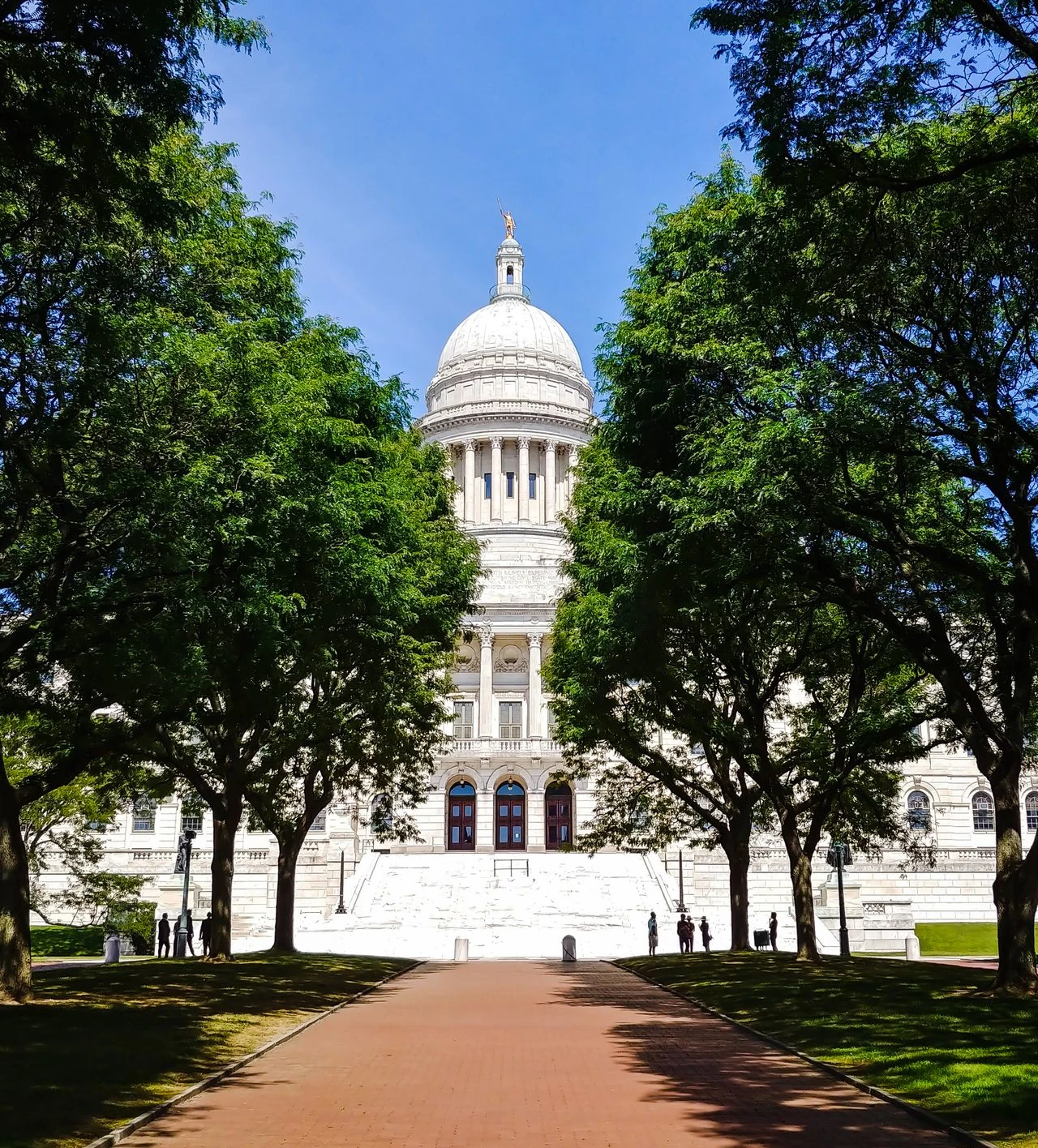

Professional IQ testing in Providence – whether you need an assessment for school, employment, gifted program eligibility, or personal insight, we connect you with licensed psychologists in the Providence area.
Last Updated: September 2026
Child IQ Testing
WISC-V & Stanford-Binet for ages 6–16. Gifted identification, learning profiles.
Adult IQ Testing
WAIS-IV & WAIS-5 available. Comprehensive adult cognitive assessments. Clinical & occupational.
WISC-V Test
Wechsler Intelligence Scale for Children® Fifth Edition – the gold standard for child IQ testing.
WAIS-IV & WAIS-5 Tests
Wechsler Adult Intelligence Scale® – Fourth Edition (WAIS-IV) and Fifth Edition (WAIS-5) available for adult IQ testing.
Gifted Testing
Identify giftedness for school placement, enrichment, and talent programs using WISC-V or Stanford-Binet.
Stanford-Binet 5
Stanford-Binet Intelligence Scales Fifth Edition – comprehensive cognitive assessment for all ages.
Mensa Testing
Mensa admission testing and preparation for the high-IQ society. Accepts WAIS-IV, WAIS-5, and Stanford-Binet 5 scores.
Full Evaluation
Combined assessment with detailed report and recommendations. Includes WISC-V, WAIS-IV, WAIS-5, or Stanford-Binet 5 as appropriate.
IQ Testing in Providence: city context
Gender, age and demographic statistics
Providence had an estimated 195,310 residents on July 1, 2025. Census figures report that 50.9% of residents are female, 20.1% are under age 18, and 11.6% are age 65 or older. The city is 37.4% White alone, 11.5% Black alone, 1.2% American Indian or Alaska Native alone, 6.2% Asian alone, 0.1% Native Hawaiian or Other Pacific Islander alone, 21.5% reporting two or more races, and 45.3% Hispanic or Latino; race and Hispanic-origin categories are not mutually exclusive.
These statistics describe community context, not intelligence. IQ scores must be interpreted individually in light of age, education, disability, health, culture, language exposure, and testing conditions. In Providence, 50.4% of residents age five and older speak a language other than English at home, and 33.5% are foreign-born. A careful evaluator documents every language used, the quality and timing of schooling in each language, interpreter needs, dialect, disability access, and limitations on verbal-score interpretation.
- Female residents: 50.9%.
- Children and teens: 20.1% are under age 18.
- Older adults: 11.6% are 65 or older.
- Language context: 50.4% speak a language other than English at home.
- Educational context: 82.1% of adults age 25+ completed high school and 34.6% hold a bachelor’s degree or higher.
- Interpretation: No gender, racial, ethnic, immigration, age, neighborhood, or language group should be presumed to have a particular IQ profile.
What is professional IQ testing?
Intelligence quotient (IQ) testing is a standardized method to measure human cognitive abilities and intellectual potential. Professional IQ tests are administered by licensed psychologists in a controlled environment to ensure accuracy and reliability. Unlike online quizzes, clinical assessments provide a full-scale IQ score along with detailed breakdowns of verbal comprehension, perceptual reasoning, working memory, and processing speed.
In Providence, IQ testing is commonly used for gifted program admission, learning disability identification, career guidance, neuropsychological evaluation, and personal development. The results are presented in a comprehensive report that includes normative comparisons, strengths and weaknesses, and actionable recommendations.
Who should get tested?
IQ testing can benefit children, adolescents, and adults in various situations:
- Children: Parents often seek testing for school readiness, gifted placement, or to understand learning challenges.
- Adults: Many adults take IQ tests for career advancement, graduate school applications, or personal curiosity.
- Mensa candidates: High-IQ societies require official test scores for membership.
- Clinical referrals: Psychologists may recommend testing as part of a broader neuropsychological evaluation.
Types of IQ tests
We offer the most recognized and scientifically validated intelligence tests in the field:
- WISC-V (Wechsler Intelligence Scale for Children® – Fifth Edition): The gold standard for children aged 6:0–16:11. It provides a Full-Scale IQ and five primary index scores.
- WAIS-IV (Wechsler Adult Intelligence Scale® – Fourth Edition): The most widely used adult IQ test for ages 16–90. It measures cognitive functioning across four domains.
- Stanford-Binet Intelligence Scales – Fifth Edition: A comprehensive assessment for ages 2–85, often used for gifted identification and clinical evaluations.
- Gifted Testing: Often includes the WISC-V or Stanford-Binet, plus additional creativity and achievement measures.
- Mensa Testing: We provide official Mensa admission testing and preparation materials.
How the testing process works
- Initial consultation: Brief phone or video call to discuss your needs and match you with the right psychologist.
- Testing session: In-person or remote testing (depending on the test) with a licensed psychologist. Most sessions last 1–2 hours.
- Scoring and interpretation: The psychologist scores the test and interprets the results in the context of your background and goals.
- Feedback session: A detailed review of your results, including strengths, weaknesses, and practical recommendations.
- Comprehensive report: You receive a written report with all scores, normative comparisons, and actionable next steps.
How much does IQ testing cost in Providence?
Fees depend on age, referral question, test battery, records, report length, and whether the service is a focused IQ assessment or a full psychoeducational or neuropsychological evaluation. A focused cognitive assessment may cost several hundred dollars; comprehensive evaluations can exceed $1,500–$3,000. Ask for a written estimate covering intake, testing, scoring, report, feedback, school or physician consultation, cancellation, and rush fees. Insurance is more likely to cover medically necessary diagnostic testing than gifted, school-admission, career, Mensa, or personal-interest testing.
Providence’s Intellectual History & Legacy
Providence’s intellectual history combines higher education, medicine, design, industry, public service, and immigration. Brown University, founded in 1764, supports research in neuroscience, medicine, data science, public health, engineering, education, and the humanities. Rhode Island School of Design links visual reasoning, architecture, industrial design, digital media, and creative practice. Providence College, Johnson & Wales University, Rhode Island College, and the University of Rhode Island’s Providence programs add liberal arts, business, hospitality, teacher preparation, social work, and professional study.
The city’s hospitals and research institutions—including Rhode Island Hospital, Hasbro Children’s Hospital, The Miriam Hospital, Women & Infants Hospital, Butler Hospital, and Brown’s Warren Alpert Medical School—make cognitive, developmental, neurological, and behavioral questions part of the local clinical landscape. The Providence Athenaeum, Providence Public Library, RISD Museum, AS220, WaterFire, and community arts organizations broaden the city’s learning environment beyond formal classrooms.
Providence’s manufacturing history in jewelry, textiles, machinery, and precision work also matters. Contemporary strengths in design, healthcare, life sciences, education, finance, food, tourism, public administration, and entrepreneurship reward different combinations of verbal, quantitative, spatial, memory, processing, creative, and practical skills.
People in Providence who are curious about cognitive problem-solving may begin with an online IQ test, then consult a licensed psychologist when they need standardized scores or a written report.
Top Employers in Providence Requiring Cognitive Skills
- Brown University Health and Rhode Island Hospital: Medicine, nursing, laboratory science, rehabilitation, informatics, research, administration, and clinical operations.
- Brown University and affiliated medical programs: Teaching, research, engineering, computing, public health, policy, and academic administration.
- Care New England: Women & Infants, Butler Hospital, behavioral health, obstetrics, research, nursing, and system operations.
- State and municipal government: Policy analysis, law, public safety, planning, education, finance, social services, and information technology.
- Higher education and schools: RISD, Providence College, Johnson & Wales, Rhode Island College, PPSD, charter schools, and independent schools employ educators, counselors, designers, researchers, and administrators.
- Financial and corporate services: Banking, insurance, legal services, accounting, compliance, analytics, and headquarters functions remain important in the capital city.
- Design, arts, hospitality, and tourism: Architecture, visual communication, product design, culinary work, hotels, restaurants, events, museums, and cultural organizations require creative and interpersonal strengths.
- Technology and entrepreneurship: Startups, health technology, software, cybersecurity, data, and university-linked innovation value rapid learning and adaptable problem solving.
An IQ profile may clarify relative cognitive strengths, but hiring and career success also depend on education, credentials, interests, personality, communication, persistence, ethics, experience, disability access, and workplace fit.
Providence IQ Testing by City Area
Testing logistics differ across Providence without implying that one neighborhood has a particular cognitive profile.
- Downtown and the Jewelry District/Innovation District: Dense employment, hospitals, universities, transit, garages, and event traffic can affect parking and arrival time.
- College Hill, Fox Point, and Wayland: Brown, RISD, student housing, historic streets, hills, and limited parking make advance travel planning useful.
- Federal Hill, West End, and Olneyville: Multilingual families, small businesses, arts organizations, and bus connections create varied referral and access needs.
- South Providence and Elmwood: Hospital access, Broad Street transit, community organizations, and language services may shape appointment planning.
- Mount Pleasant, Elmhurst, Smith Hill, and the North End: Schools, Providence College, Rhode Island College access, medical routes, and cross-city travel can affect scheduling.
- Citywide principle: Use the nearest qualified examiner who offers the correct test, age range, language procedures, disability accommodations, report format, and intended-use documentation—not a provider chosen solely by neighborhood.
Providence Universities and Research Institutions
- Brown University: Research and education in medicine, neuroscience, cognitive science, public health, engineering, computer science, education, policy, and the humanities.
- Rhode Island School of Design: Architecture, industrial design, fine arts, digital media, illustration, and visually intensive creative disciplines.
- Providence College: Liberal arts, business, education, health policy, data, theology, and graduate study.
- Johnson & Wales University: Business, hospitality, culinary arts, health, engineering, and professional programs.
- Rhode Island College: Teacher education, nursing, social work, psychology, arts, and public-service pathways.
- University of Rhode Island Providence programs: Adult, professional, continuing, and urban education opportunities.
- Clinical research network: Brown University Health, Care New England, Butler, Women & Infants, and affiliated institutes support medical, behavioral, developmental, and public-health research.
Universities generally do not use IQ scores for admission. Applicants should verify actual requirements and focus on prerequisites, grades, portfolios, research fit, experience, recommendations, writing, accommodations documentation, and financial planning.
Providence Economic Context
- Median household income: $68,119 in 2020–2024 Census estimates.
- Per-capita income: $37,138.
- Residents in poverty: 20.7%.
- Bachelor’s degree or higher: 34.6% of adults age 25 and older.
- Mean travel time to work: 25.0 minutes, although I-95 incidents, downtown events, bridge work, and regional commuting can add substantial time.
- Healthcare and social-assistance activity: Census business data report approximately $5.38 billion in 2022 receipts/revenue within the city.
- Transportation and warehousing: Approximately $204.5 million in 2022 receipts/revenue.
- Retail sales: Approximately $1.93 billion in 2022.
- Accommodation and food services: Approximately $971.3 million in 2022 sales.
- Regional strengths: Healthcare and life sciences, higher education, state government, design and arts, financial and professional services, hospitality and food, technology, construction, tourism, and specialized manufacturing.
Economic statistics help explain access barriers and career context; they do not predict an individual’s IQ. Cost, insurance, transportation, paid leave, childcare, language access, and report deadlines should be considered before scheduling.
Providence Public Schools Data
Providence Public School District and school choice
Providence Public School District (PPSD) is the city’s primary public district. Families may also consider charter schools, state schools, career and technical programs, independent schools, parochial schools, and approved homeschool options. Enrollment, lotteries, residency, transportation, and special-program rules differ.
Rhode Island identification framework
The Rhode Island Department of Education describes “Learning Beyond Grade Level,” frequently called gifted and talented education, as identifying students with high achievement capability in intellectual, creative, artistic, leadership, or specific academic areas who need learning opportunities beyond the ordinary curriculum. Local programs determine their current criteria and services.
PPSD Advanced Academics
PPSD’s Advanced Academics program is available at all district middle schools and is designed for students with unique strengths, talents, and abilities who need accelerated and in-depth study. Families should verify referral, screening, placement, course, and continuation procedures for the current school year.
Advanced secondary pathways
Classical High School, Advanced Placement, early-college and dual-enrollment opportunities, career and technical education, arts, music, computer science, engineering, internships, and subject acceleration may provide challenge at the secondary level. Each pathway uses its own prerequisites and admissions process.
Responsible use of results
A private WISC-V, Stanford-Binet, achievement test, or full evaluation is not automatically required or accepted for every school decision. Ask the receiving program for its written criteria, accepted test, score age, evaluator credential, documentation format, language procedures, and deadline before purchasing testing.
Local Testing Centers and Psychologists
- PVD Psychological Associates: 382 Thayer Street and 111 Wayland Avenue in Providence; the practice lists neuropsychological, psychological, achievement, cognitive, and intellectual assessment, including giftedness and learning concerns, for individuals age seven and older. Main phone: (401) 330-5882.
- Brown University Health Neuropsychology: 1 Hoppin Street in Providence; provides comprehensive cognitive and memory assessment for adults and pediatric neuropsychological services through affiliated programs. Referral scope depends on medical need.
- Butler Hospital Neuropsychology: 345 Blackstone Boulevard in Providence; evaluates memory and other cognitive functions, attention, learning, neurological, medical, and psychiatric concerns.
- Hasbro Children’s and Rhode Island Hospital: Pediatric specialty referrals may address developmental, neurological, medical, rehabilitation, and school-functioning questions.
- LifeStance Providence: 1 Richmond Square; lists psychological and neuropsychological testing services, but families should confirm the exact examiner, age range, battery, and report purpose.
- Selection checklist: Verify Rhode Island licensure, specialty, test edition, age range, language and disability procedures, intended recipient, insurance status, report scope, turnaround, and whether scores meet school, Mensa, workplace, disability, legal, or medical requirements.
Providence Events and Conferences
Providence offers educational, clinical, cultural, and career-development events through its universities, hospitals, convention facilities, libraries, museums, schools, and community organizations.
- Academic and research events: Brown, RISD, Providence College, Johnson & Wales, Rhode Island College, medical-school lectures, public-health talks, exhibitions, and research presentations.
- Healthcare and psychology: Brown University Health, Care New England, Butler, Women & Infants, professional associations, parent workshops, disability resources, and continuing education.
- Gifted and family enrichment: Providence Public Library, Providence Children’s Museum, RISD Museum, Roger Williams Park, Museum of Natural History and Planetarium, AS220, coding, robotics, debate, music, theater, and university youth programs.
- Travel planning: WaterFire, Rhode Island Convention Center events, Providence Bruins games, festivals, Brown and RISD commencements, road races, and downtown construction can affect parking, hotels, and arrival times.
Transportation and Accessibility
- Major roads: I-95 is the principal north-south interstate through Providence; I-195 links downtown with East Providence and southeastern Massachusetts; US-6 and RI-10 form the Huntington Expressway/Route 6-10 Connector; US-44 follows major east-west streets; RI-146 connects toward northern Rhode Island and Worcester; US-1, Memorial Boulevard, Allens Avenue, Broad Street, North Main Street, Elmwood Avenue, and Atwells Avenue are important local corridors.
- Public transit: RIPTA operates statewide bus service centered on Providence, with many routes serving Kennedy Plaza and downtown. The R-Line provides frequent service along Broad Street and North Main Street. Paratransit eligibility and trip reservations should be confirmed in advance.
- Rail: Providence Station serves Amtrak’s Northeast Regional and Acela routes and MBTA Providence/Stoughton commuter rail, providing direct links toward Boston, New Haven, New York, and Washington. Station parking, platform changes, and event demand can affect timing.
- Airport: Rhode Island T. F. Green International Airport (PVD) is in Warwick, roughly 10 miles south of downtown Providence. It is Rhode Island’s largest airport and is connected by I-95, rental cars, buses, and rail service at the adjacent InterLink station.
- Distance to other cities: Boston is about 50 miles or roughly 1 hour; Worcester about 45 miles or 50–70 minutes; Newport about 35 miles or 45–60 minutes; Hartford about 85 miles or 1.5 hours; New Haven about 105 miles or 1.5–2 hours; and New York City about 180 miles or roughly 3–4 hours. Traffic, weather, bridge work, and rail schedules can change these estimates.
- Walkability: Downtown, College Hill, Fox Point, Wayland, Federal Hill, the Jewelry District, and areas around major campuses have dense destinations and sidewalks. Hills, historic surfaces, winter ice, construction, wide arterials, and highway barriers can affect mobility.
- Bike infrastructure: Providence reports adding more than 16 miles of bike lanes over a ten-year period and continues expanding protected urban trails. The Woonasquatucket River Greenway, City Walk, South Water Street trail, India Point Park connections, and access toward the East Bay Bike Path support bicycle travel, although network gaps remain.
- Accessibility and appointment planning: Confirm accessible parking, curb cuts, elevator access, quiet waiting space, sensory conditions, and restroom access. Allow extra time for I-95 reconstruction, downtown events, snow, flooding, heavy rain, university move-in, and hospital-district traffic.
Providence Weather and Seasonal Considerations
- Winter snow and ice: Nor’easters, freezing rain, snowbanks, narrowed streets, and icy sidewalks can delay travel and make parking difficult. Reschedule when conditions threaten safety or substantially affect sleep and concentration.
- Summer heat and humidity: Hot, humid periods can contribute to dehydration, headaches, poor sleep, and reduced stamina; morning appointments may be easier for some clients.
- Heavy rain and flooding: Intense rain, coastal storms, and drainage problems can slow I-95, low-lying streets, and river-adjacent routes.
- Coastal storms and wind: Tropical systems, remnants, and strong winds can disrupt transit, power, schools, and clinical schedules.
- Seasonal allergies and illness: Pollen, mold, respiratory illness, and medication changes may affect attention and processing speed.
- Testing principle: Acute illness, unsafe travel, major sleep loss, severe weather anxiety, or recent medication changes should be documented and may justify postponement.
Areas we serve
We support all areas of Providence.
Frequently Asked Questions
WISC-V is for children aged 6–16, while WAIS-IV is for adults aged 16–90. Each is normed for its specific age group.
Most IQ tests take between 60 and 90 minutes, plus a feedback session. Allow 2–3 hours total.
No, you can book directly with our psychologists. We serve both self-referred and professionally referred individuals.
Some professionally administered scores may be submitted as prior evidence, but acceptance is determined solely by American Mensa under its current rules.
Some plans cover cognitive assessments when there is a clinical indication. Check with your provider.
Get a good night's sleep, eat a healthy meal, and arrive relaxed. No specific preparation is needed.
You'll receive a comprehensive report with your scores and tailored recommendations.
Interviews and feedback may be available remotely, but many standardized cognitive tests require controlled administration and may need an in-person appointment. Contact us for details.