
IQ Testing in Miami
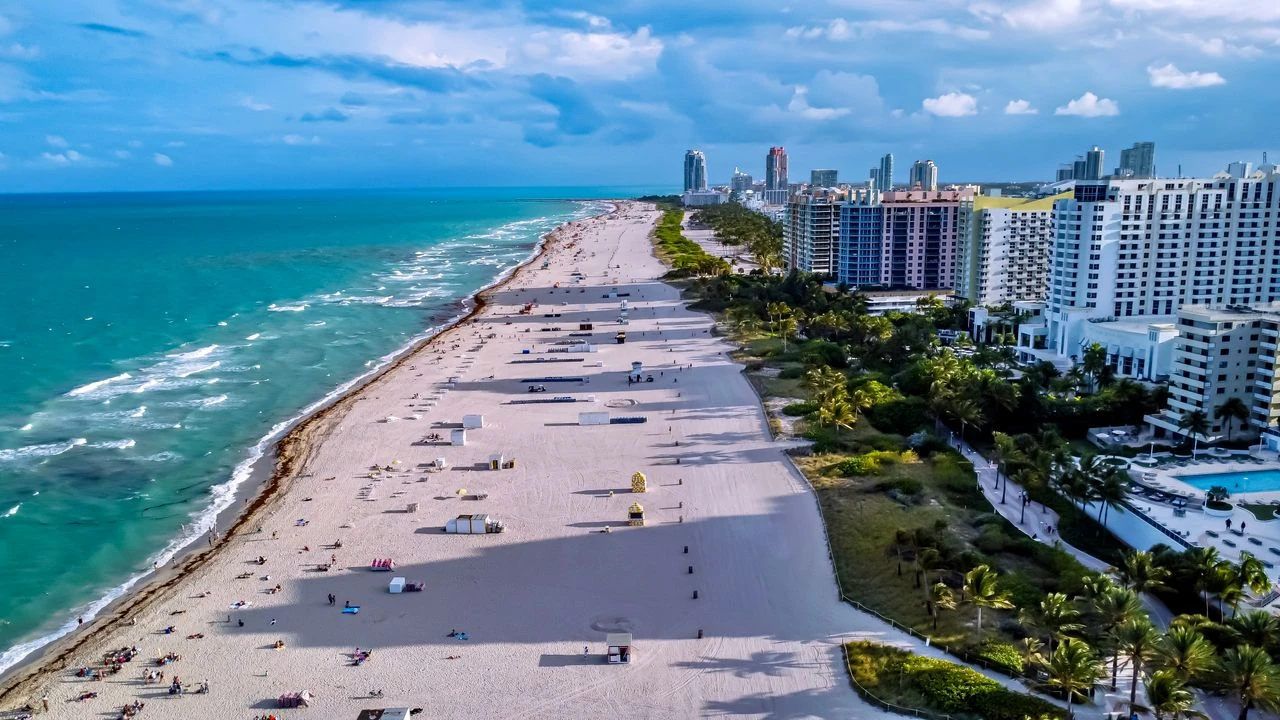

Professional IQ testing in Miami – whether you need an assessment for school, employment, gifted program eligibility, or personal insight, we connect you with licensed psychologists in the Miami area.
Last Updated: October 2026
Child IQ Testing
WISC-V & Stanford-Binet for ages 6–16. Gifted identification, learning profiles.
Adult IQ Testing
WAIS-IV & WAIS-5 available. Comprehensive adult cognitive assessments. Clinical & occupational.
WISC-V Test
Wechsler Intelligence Scale for Children® Fifth Edition – the gold standard for child IQ testing.
WAIS-IV & WAIS-5 Tests
Wechsler Adult Intelligence Scale® – Fourth Edition (WAIS-IV) and Fifth Edition (WAIS-5) available for adult IQ testing.
Gifted Testing
Identify giftedness for school placement, enrichment, and talent programs using WISC-V or Stanford-Binet.
Stanford-Binet 5
Stanford-Binet Intelligence Scales Fifth Edition – comprehensive cognitive assessment for all ages.
Mensa Testing
Mensa admission testing and preparation for the high-IQ society. Accepts WAIS-IV, WAIS-5, and Stanford-Binet 5 scores.
Full Evaluation
Combined assessment with detailed report and recommendations. Includes WISC-V, WAIS-IV, WAIS-5, or Stanford-Binet 5 as appropriate.
IQ Testing in Miami: city context
Miami is a dense, international city and the economic center of South Florida. The U.S. Census Bureau estimated 489,812 residents in 2025 within 36.0 square miles of land, while the wider Miami metropolitan area extends across Miami-Dade, Broward, and Palm Beach counties. The city combines global finance, healthcare, aviation, trade, tourism, technology, higher education, and creative industries.
Miami's testing needs reflect its multilingual population, major medical and university systems, large public-school district, and substantial number of families navigating gifted education, bilingual learning, private-school admissions, disability accommodations, graduate programs, and adult career transitions. Professional interpretation should always consider language history, education, culture, health, and testing conditions rather than treating one score as a complete description of ability.
IQ by gender & ethnicity
Miami's population is approximately 49.2% female. Standardized intelligence tests are designed so that broad male and female averages are similar, although individuals may show different patterns across verbal, visual-spatial, working-memory, fluid-reasoning, and processing-speed tasks. There is no authoritative city dataset establishing separate Miami IQ averages by sex, race, ethnicity, neighborhood, or language group.
Current Miami demographic context includes:
- Hispanic or Latino residents: 71.5% of the city population.
- Black residents: 12.6% identify as Black alone.
- Asian residents: 1.7% identify as Asian alone.
- White, non-Hispanic residents: 12.1%.
- Foreign-born residents: 57.7%, emphasizing the importance of language history and culturally informed interpretation.
- Language other than English at home: 77.2% of residents age five and older.
- Educational attainment: 81.3% of adults age 25+ are high-school graduates or higher, and 37.4% hold a bachelor's degree or higher.
Group demographic statistics should never be converted into assumptions about an individual. A licensed psychologist evaluates the person's full background, language proficiency, referral question, health, education, and behavioral observations when selecting and interpreting tests.
What is professional IQ testing?
Intelligence quotient (IQ) testing is a standardized method to measure human cognitive abilities and intellectual potential. Professional IQ tests are administered by licensed psychologists in a controlled environment to ensure accuracy and reliability. Unlike online quizzes, clinical assessments provide a full-scale IQ score along with detailed breakdowns of verbal comprehension, perceptual reasoning, working memory, and processing speed.
In Miami, IQ testing is commonly used for gifted program admission, learning disability identification, career guidance, neuropsychological evaluation, and personal development. The results are presented in a comprehensive report that includes normative comparisons, strengths and weaknesses, and actionable recommendations.
Who should get tested?
IQ testing can benefit children, adolescents, and adults in various situations:
- Children: Parents often seek testing for school readiness, gifted placement, or to understand learning challenges.
- Adults: Many adults take IQ tests for career advancement, graduate school applications, or personal curiosity.
- Mensa candidates: High-IQ societies require official test scores for membership.
- Clinical referrals: Psychologists may recommend testing as part of a broader neuropsychological evaluation.
Types of IQ tests
We offer the most recognized and scientifically validated intelligence tests in the field:
- WISC-V (Wechsler Intelligence Scale for Children® – Fifth Edition): The gold standard for children aged 6:0–16:11. It provides a Full-Scale IQ and five primary index scores.
- WAIS-IV (Wechsler Adult Intelligence Scale® – Fourth Edition): The most widely used adult IQ test for ages 16–90. It measures cognitive functioning across four domains.
- Stanford-Binet Intelligence Scales – Fifth Edition: A comprehensive assessment for ages 2–85, often used for gifted identification and clinical evaluations.
- Gifted Testing: Often includes the WISC-V or Stanford-Binet, plus additional creativity and achievement measures.
- Mensa Testing: We provide official Mensa admission testing and preparation materials.
How the testing process works
- Initial consultation: Brief phone or video call to discuss your needs and match you with the right psychologist.
- Testing session: In-person or remote testing (depending on the test) with a licensed psychologist. Most sessions last 1–2 hours.
- Scoring and interpretation: The psychologist scores the test and interprets the results in the context of your background and goals.
- Feedback session: A detailed review of your results, including strengths, weaknesses, and practical recommendations.
- Comprehensive report: You receive a written report with all scores, normative comparisons, and actionable next steps.
How much does IQ testing cost in Miami?
The cost of IQ testing in Miami varies depending on the type of test, the psychologist's experience, and whether a comprehensive report is required. Typical fees range from $200 to $1,200 for a full assessment. Gifted testing and Mensa admission testing are often at the lower end, while neuropsychological evaluations may be higher.
Some insurance plans cover IQ testing when it's deemed medically necessary. We recommend checking with your provider for details. We also offer affordable payment plans and sliding-scale options for qualifying individuals.
For Miami residents who want an informal introduction to reasoning questions, an online IQ test can be a useful starting point, while a licensed psychologist is necessary when formal documentation or diagnosis is required.
Miami's Intellectual History & Legacy
The University of Miami, founded in 1925, anchors major research in medicine, neuroscience, psychology, aging, marine science, climate, engineering, law, and public health. Its Miller School of Medicine and affiliated institutions in Miami's Health District connect academic research with clinical care at UHealth, Jackson Memorial Hospital, Holtz Children's Hospital, the Miami VA, and the Sylvester Comprehensive Cancer Center.
Florida International University is Miami's public research university, serving more than 54,000 students and offering over 190 degree programs. Miami Dade College operates multiple campuses across the county and supports university transfer, workforce training, nursing, technology, business, and public-service pathways. Together with Barry University, Florida Memorial University, Nova Southeastern University's regional programs, the Rosenstiel School, and numerous research institutes, these institutions make Miami a major center for multilingual education and applied research.
Top Employers in Miami Requiring Cognitive Testing
Employers do not generally require a clinical IQ test for routine hiring. However, many Miami organizations use legally appropriate skills testing, professional licensing examinations, safety assessments, medical fitness evaluations, leadership assessments, or role-specific aptitude measures. Examples of major employment settings include:
- Miami-Dade County Public Schools: One of the nation's largest school systems, with roles in teaching, psychology, counseling, administration, transportation, technology, and exceptional-student education.
- Miami-Dade County government: A major public employer spanning transportation, public works, public safety, health, courts, parks, information technology, and administrative services.
- University of Miami and UHealth: Employs faculty, researchers, clinicians, medical residents, technical specialists, and administrative staff across university and health-system locations.
- Jackson Health System: A major public health system with clinical, research, emergency, rehabilitation, behavioral-health, and support roles.
- Baptist Health South Florida: A large regional healthcare employer with hospitals, outpatient centers, medical groups, and specialized clinical services.
- American Airlines and Miami International Airport employers: Aviation, maintenance, operations, cargo, security, logistics, and customer-service positions may involve role-specific aptitude, certification, or safety requirements.
- Royal Caribbean Group, Carnival Corporation, and Norwegian Cruise Line Holdings: Miami's cruise sector employs professionals in maritime operations, analytics, hospitality, finance, technology, engineering, and corporate leadership.
- Ryder System and logistics companies: Transportation, fleet management, supply-chain, warehousing, analytics, and safety-sensitive roles are prominent across Miami-Dade.
- Lennar and major construction/real-estate firms: The region's development sector employs engineers, project managers, architects, finance professionals, and skilled trades.
- International banking and professional services: Brickell and Downtown host banks, investment firms, accounting practices, law firms, and Latin America regional headquarters where advanced analytical and multilingual skills are valued.
Miami IQ Testing by Neighborhood
No credible dataset supports neighborhood-level IQ averages. The practical differences among Miami areas involve transportation, school options, language communities, employment centers, and access to medical or psychological services.
- Downtown and Brickell: Dense employment centers for finance, law, technology, hospitality, government, and international business, with Metrorail and Metromover access.
- Health District and Civic Center: Concentrates Jackson Memorial, UHealth, the Miller School of Medicine, the Miami VA, research facilities, and Metrorail access at Civic Center.
- Coral Gables: Home to the University of Miami's main campus and many professional, educational, medical, and independent-school resources.
- Coconut Grove: A historic residential and commercial area with access to Metrorail, schools, healthcare, and professional practices.
- Little Havana: A culturally and linguistically rich community where bilingual history and educational opportunity should be considered carefully during assessment.
- Wynwood, Midtown, and the Design District: Creative, technology, design, retail, hospitality, and entrepreneurial activity shape career and adult-assessment needs.
- Upper Eastside, Miami Shores, and North Miami corridor: Residential and educational communities with access to universities, independent schools, hospitals, and regional providers.
- Doral and western Miami-Dade: Major logistics, aviation, corporate, school, and family centers connected by expressways and county transit.
Miami Universities and Research Institutions
- University of Miami: A private research university with more than 20,000 students across undergraduate, graduate, professional, medical, law, marine-science, and research programs.
- University of Miami Miller School of Medicine: Miami Health District institution supporting medical education, neuroscience, aging, psychiatry, rehabilitation, and clinical research.
- Rosenstiel School of Marine, Atmospheric, and Earth Science: Conducts research on oceans, climate, weather, ecosystems, and environmental resilience from Virginia Key.
- Florida International University: Miami's public research university with more than 54,000 students, over 190 degree programs, and extensive research centers.
- FIU Herbert Wertheim College of Medicine: Supports medical education, community health, research, and clinical partnerships across South Florida.
- Miami Dade College: A multi-campus public college providing university transfer, workforce, nursing, technology, education, and public-service programs.
- Barry University: Offers undergraduate, graduate, education, psychology, counseling, health-science, and professional programs in Miami Shores.
- Florida Memorial University: A historically Black university in Miami Gardens with programs across education, business, aviation, sciences, and liberal arts.
- Jackson Health System and affiliated research programs: Major clinical teaching and research environment linked with the Miller School and other academic partners.
Miami Economic Context
- Median household income: $62,462 in 2020–2024 Census estimates.
- Per-capita income: $45,837.
- Residents in poverty: 19.4%.
- Bachelor's degree or higher: 37.4% of adults age 25 and older.
- Mean travel time to work: 27.3 minutes, although cross-county trips can take substantially longer.
- Healthcare and social-assistance activity: Census business data report approximately $8.70 billion in 2022 receipts/revenue within the city.
- Transportation and warehousing: Approximately $17.02 billion in 2022 receipts/revenue, reflecting the importance of MIA, PortMiami, cargo, logistics, and international trade.
- Retail sales: Approximately $13.24 billion in 2022.
- Accommodation and food services: Approximately $4.24 billion in 2022 sales.
- Labor-force participation: 67.0% of residents age 16 and older; female labor-force participation was 60.9%.
- Homeownership: 30.8%, with a median owner-occupied home value of $518,100 and median gross rent of $1,758.
- Regional strengths: International trade, aviation, logistics, healthcare, finance, cruise operations, tourism, higher education, real estate, construction, technology, media, design, and professional services.
Miami School District Data
- Miami-Dade County Public Schools: The district serves the entire county and remains one of the largest public-school systems in the United States.
- Gifted education: Florida defines gifted students as learners with superior intellectual development who are capable of high performance; districts provide services under approved local exceptional-student-education procedures.
- Referral and evaluation: Families, teachers, or school teams may initiate a referral. Eligibility decisions use psychological evaluation, educational data, observations, and state/district criteria rather than a single online test.
- Educational plans: Eligible gifted students receive an Educational Plan describing goals, services, and progress monitoring.
- Magnet and choice options: M-DCPS offers extensive magnet programs in international studies, STEM, visual and performing arts, law, health, marine science, engineering, and other fields.
- Accelerated high-school pathways:
- School for Advanced Studies: Grades 11–12 dual enrollment through Miami Dade College campuses.
- Academy for Advanced Academics: Advanced high-school and FIU coursework for qualified students.
- MAST Academy and TERRA: Specialized public magnet programs emphasizing marine science, engineering, biomedical research, robotics, and environmental studies.
- Language diversity: District assessment teams frequently work with multilingual students and should consider dominant language, English proficiency, schooling history, and appropriate nonverbal measures.
- Private and charter schools: Miami-Dade has a large school-choice sector; admissions and testing requirements vary by school and year and should be verified directly.
Local Testing Centers and Psychologists
- University of Miami Health System: Provides specialty care through neurology, psychiatry, rehabilitation, memory, aging, and related clinical programs; referral requirements vary.
- Jackson Health System: Major public teaching system offering neurological, behavioral-health, rehabilitation, pediatric, and adult specialty services.
- Nicklaus Children's Hospital: Pediatric specialty hospital with developmental, neurological, behavioral, rehabilitation, and neuropsychological resources.
- Baptist Health South Florida: Regional hospitals and outpatient centers offering neurological, rehabilitation, behavioral-health, and related services.
- Mount Sinai Medical Center: Miami Beach medical center with neurological, rehabilitation, and specialty-care programs.
- FIU clinics and research programs: University-based psychology, education, medicine, communication, and research services may offer evaluations, training clinics, or research participation depending on current availability.
- Miami-Dade County Public Schools: School psychologists conduct evaluations for suspected disabilities and gifted eligibility when initiated through the school process.
- Private licensed psychologists: Providers across Miami-Dade offer WISC-V, WAIS-IV/WAIS-5, Stanford-Binet, ADHD, learning-disability, autism, neuropsychological, and psychoeducational evaluations.
- Provider verification: Families should confirm Florida licensure, test qualifications, language competence, report format, school or Mensa acceptance, insurance status, and whether in-person administration is required.
Miami Events and Conferences
- University of Miami seminars: Psychology, neuroscience, aging, psychiatry, education, medicine, and public-health departments host research talks and professional programs throughout the year.
- FIU psychology and education events: Academic colloquia, research presentations, community workshops, and student conferences address cognition, learning, development, and mental health.
- Phillip and Patricia Frost Museum of Science: Public science programming supports interest in the brain, behavior, technology, environment, and STEM learning.
- Miami-Dade gifted-family workshops: Schools and parent groups periodically offer information sessions on gifted eligibility, Educational Plans, magnet applications, and advanced learning.
- Florida Psychological Association programs: State and regional continuing-education events cover assessment, ethics, telehealth, neuropsychology, diversity, and professional practice.
- Medical education conferences: UHealth, Jackson, Baptist, Nicklaus Children's, and other health systems host grand rounds and professional training relevant to cognition and behavioral health.
- South Florida Mensa activities: Local-group calendars may include social gatherings, games, discussions, lectures, and regional events; current details should be confirmed with the chapter.
Transportation and Accessibility
- Major roads: I-95, I-395, I-195/Julia Tuttle Causeway, US-1/Biscayne Boulevard and South Dixie Highway, SR 836/Dolphin Expressway, SR 112/Airport Expressway, and SR 826/Palmetto Expressway.
- Public transit: Miami-Dade Transit operates Metrobus, Metrorail, Metromover, Special Transportation Services, and connection services across the county.
- Metrorail: Green and Orange lines connect Downtown, Brickell, the Health District, Coconut Grove, Coral Gables/University, Dadeland, Hialeah, and Miami International Airport.
- Metromover: Fare-free automated service links Downtown, Brickell, Park West, Museum Park, and the Arts & Entertainment District.
- Commuter and intercity rail: Tri-Rail connects Miami with Broward and Palm Beach counties; Brightline provides intercity service from MiamiCentral to Aventura, Fort Lauderdale, Boca Raton, West Palm Beach, and Orlando.
- Airport: Miami International Airport (MIA) is a major global passenger and cargo gateway with Metrorail, Metrobus, rental-car, taxi, ride-share, and regional connections.
- Port access: PortMiami traffic can affect Downtown and MacArthur Causeway travel, especially on cruise embarkation days.
- Distance to other cities: Approximately 30–45 minutes to Fort Lauderdale in light traffic, about 1.5–2 hours to West Palm Beach, roughly 3.5–4 hours to Orlando, and around 3.5 hours to Key West; congestion can substantially increase travel times.
- Walkability: Downtown, Brickell, Coconut Grove, Coral Gables' commercial core, Wynwood, and Miami Beach have walkable districts, but heat, storms, major roads, and long regional distances affect access.
- Bike infrastructure: Miami and Miami-Dade maintain bicycle lanes, shared-use paths, neighborhood greenways, and connections such as the Commodore Trail, M-Path/Underline corridor, Rickenbacker Causeway routes, and Baywalk segments.
- Accessibility: Confirm elevator status, accessible entrances, parking, interpreter needs, sensory accommodations, and paratransit scheduling before the appointment.
- Appointment planning: Allow extra travel time during morning and evening peaks, major events, bridge openings, heavy rain, cruise traffic, and airport congestion.
Miami Weather and Seasonal Considerations
- Climate: Miami has a tropical climate with warm, drier winters and hot, humid, rainy summers.
- Summer conditions: High heat, humidity, intense sun, and frequent afternoon thunderstorms can affect comfort, travel, sleep, and concentration.
- Winter conditions: December through March is generally milder and drier, but seasonal tourism can increase traffic and appointment demand.
- Hurricane season: June 1 through November 30; severe-weather watches, school closures, flooding, and evacuation activity may require rescheduling.
- Heavy rain and flooding: Low-lying streets can flood during intense storms, king tides, or tropical systems; check routes before travel.
- Climate-controlled testing: Professional testing rooms should be quiet, well lit, and air-conditioned, with breaks and water available as appropriate.
- Peak school-testing periods:
- August–October: School referrals, gifted questions, and accommodation planning after the academic year begins.
- November–January: Magnet, private-school, and application-related planning.
- January–April: Graduate admissions, accommodations, and spring school evaluations.
- May–July: Summer evaluations when families may have greater scheduling flexibility.
- Preparation: Hydration, adequate sleep, prescribed medications taken as directed, and arriving early are more useful than test coaching.
Areas we serve
We support clients throughout the City of Miami and coordinate with providers serving nearby Miami-Dade communities. Appointment location, age range, language capacity, specialty, and in-person requirements vary by psychologist, so confirm those details before scheduling.
Frequently Asked Questions
WISC-V is for children aged 6–16, while WAIS-IV is for adults aged 16–90. Each is normed for its specific age group.
Most IQ tests take between 60 and 90 minutes, plus a feedback session. Allow 2–3 hours total.
No, you can book directly with our psychologists. We serve both self-referred and professionally referred individuals.
Potentially. Acceptance depends on the exact test, edition, qualifying score, administration date, examiner credentials, and current Mensa documentation rules. Confirm before testing.
Some plans cover cognitive assessments when there is a clinical indication. Check with your provider.
Get a good night's sleep, eat a healthy meal, and arrive relaxed. No specific preparation is needed.
You'll receive a comprehensive report with your scores and tailored recommendations.
Some interview and feedback components may be available remotely, but many standardized cognitive tests require in-person administration. Confirm with the psychologist and the organization receiving the report.