
IQ Testing in Garland
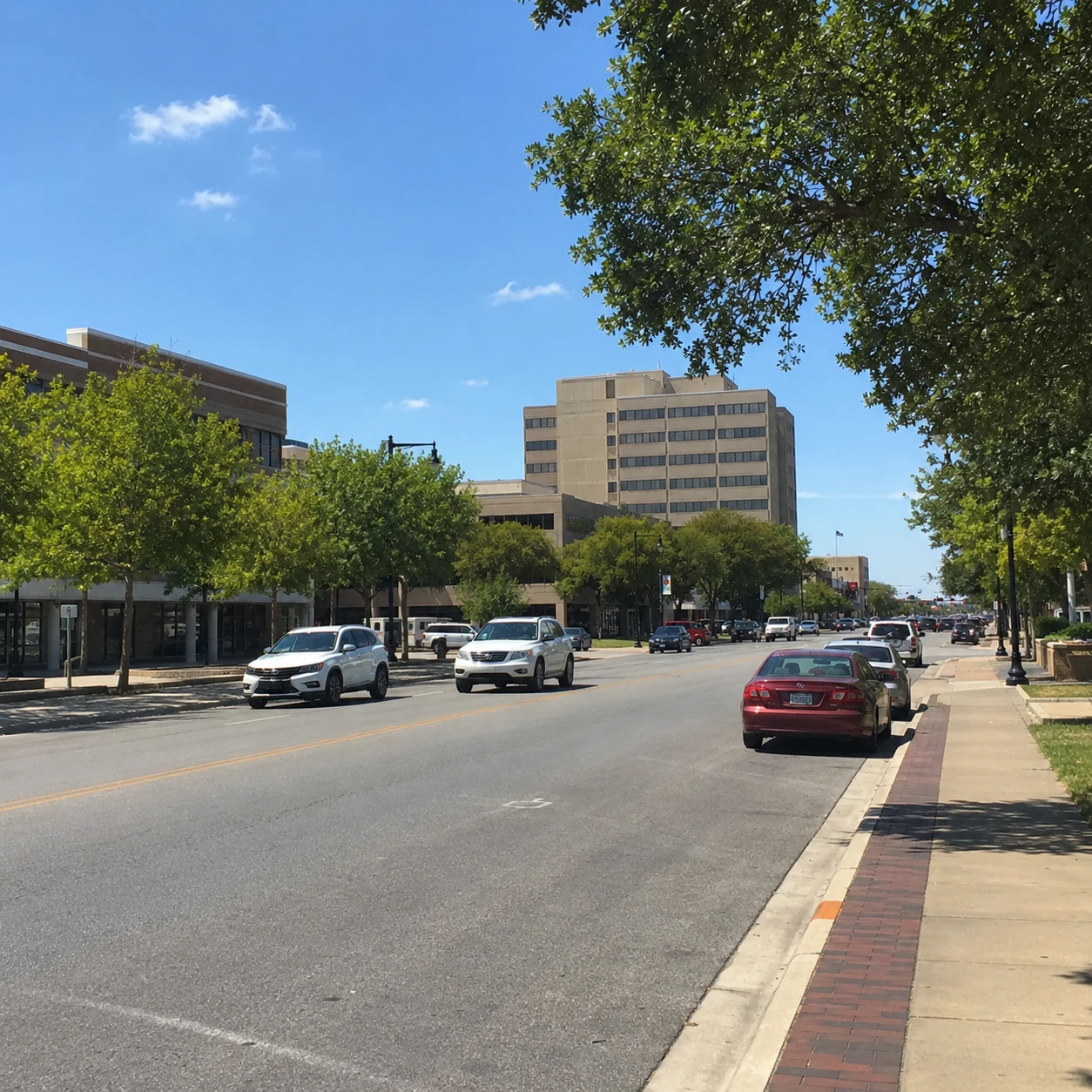
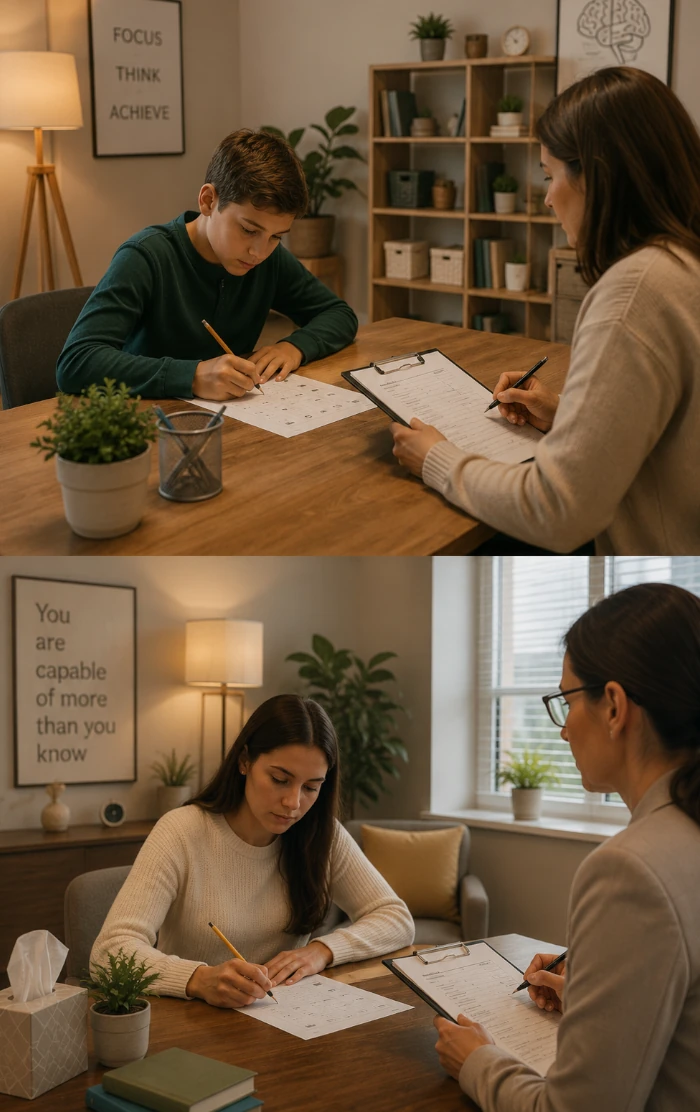
Professional IQ testing in Garland – whether you need an assessment for school, employment, gifted program eligibility, or personal insight, we connect you with licensed psychologists in the Garland area.
Last Updated: September 2026
Child IQ Testing
WISC-V & Stanford-Binet for ages 6–16. Gifted identification, learning profiles.
Adult IQ Testing
WAIS-IV & WAIS-5 available. Comprehensive adult cognitive assessments. Clinical & occupational.
WISC-V Test
Wechsler Intelligence Scale for Children® Fifth Edition – the gold standard for child IQ testing.
WAIS-IV & WAIS-5 Tests
Wechsler Adult Intelligence Scale® – Fourth Edition (WAIS-IV) and Fifth Edition (WAIS-5) available for adult IQ testing.
Gifted Testing
Identify giftedness for school placement, enrichment, and talent programs using WISC-V or Stanford-Binet.
Stanford-Binet 5
Stanford-Binet Intelligence Scales Fifth Edition – comprehensive cognitive assessment for all ages.
Mensa Testing
Mensa admission testing and preparation for the high-IQ society. Accepts WAIS-IV, WAIS-5, and Stanford-Binet 5 scores.
Full Evaluation
Combined assessment with detailed report and recommendations. Includes WISC-V, WAIS-IV, WAIS-5, or Stanford-Binet 5 as appropriate.
IQ Testing in Garland: city context
Garland is a major inner-ring city in northeast Dallas County and part of the Dallas–Fort Worth metropolitan area. The U.S. Census Bureau estimated 249,625 residents in 2025, up 1.4% from the 2020 estimates base, across approximately 57.13 square miles of land. Local demand for cognitive assessment is shaped by Garland ISD, Dallas College programs, nearby research universities, manufacturing and logistics employers, a highly multilingual population, veterans served through the Garland VA Medical Center, and families navigating gifted education, disability documentation, career decisions, graduate study, or diagnostic clarification.
The local assessment ecosystem includes private licensed psychologists, school evaluation teams, the Garland VA Medical Center, Methodist Richardson Medical Center, Baylor Scott & White Medical Center – Lake Pointe, Medical City Dallas, UT Southwestern clinical programs, Dallas College Garland Center, and nearby universities in Richardson and Dallas.
- Common referral goals: Gifted identification, school planning, ADHD and learning evaluation, disability documentation, career guidance, Mensa prior evidence, graduate-school preparation, neuropsychological questions, and personal insight.
- Regional access: Garland providers may also serve residents from Rowlett, Sachse, Richardson, Mesquite, Dallas, Plano, Wylie, Rockwall, and other northeast DFW communities.
- Provider matching: The appropriate examiner depends on age, referral purpose, test edition, language background, report recipient, insurance, and clinical complexity.
Gender, age and demographic statistics
Current Census estimates describe Garland's population but do not establish separate local IQ averages for demographic groups:
- Female population: 50.6%.
- Residents under age 18: 25.5%.
- Residents age 65 and older: 12.6%.
- White alone: 30.7%.
- Black or African American alone: 15.1%.
- American Indian and Alaska Native alone: 0.9%.
- Asian alone: 11.4%.
- Two or more races: 33.4%.
- Hispanic or Latino: 45.7%; Hispanic origin may overlap with racial categories.
- Foreign-born residents: 31.7%.
- Language other than English at home: 53.1% of residents age five and older.
- Education: 78.9% of adults age 25 and older are high-school graduates or higher, and 25.4% hold a bachelor's degree or higher.
- Labor-force participation: 68.0% overall and 61.8% among women age 16 and older.
- Clinical interpretation: Examiners use age-based national norms and consider education, language, culture, disability, medical history, attention, mood, sleep, and testing conditions rather than inferring ability from gender, race, ethnicity, immigration history, or neighborhood.
What is professional IQ testing?
Intelligence quotient (IQ) testing is a standardized method to measure human cognitive abilities and intellectual potential. Professional IQ tests are administered by licensed psychologists in a controlled environment to ensure accuracy and reliability. Unlike online quizzes, clinical assessments provide a full-scale IQ score along with detailed breakdowns of verbal comprehension, perceptual reasoning, working memory, and processing speed.
In Garland, IQ testing is commonly used for gifted program admission, learning disability identification, career guidance, neuropsychological evaluation, and personal development. The results are presented in a comprehensive report that includes normative comparisons, strengths and weaknesses, and actionable recommendations.
Who should get tested?
IQ testing can benefit children, adolescents, and adults in various situations:
For a quick, informal look at reasoning skills, Garland residents may explore an online IQ test; official educational or clinical purposes still call for evaluation by a qualified psychologist.
- Children: Parents often seek testing for school readiness, gifted placement, or to understand learning challenges.
- Adults: Many adults take IQ tests for career advancement, graduate school applications, or personal curiosity.
- Mensa candidates: High-IQ societies require official test scores for membership.
- Clinical referrals: Psychologists may recommend testing as part of a broader neuropsychological evaluation.
Types of IQ tests
We offer the most recognized and scientifically validated intelligence tests in the field:
- WISC-V (Wechsler Intelligence Scale for Children® – Fifth Edition): The gold standard for children aged 6:0–16:11. It provides a Full-Scale IQ and five primary index scores.
- WAIS-IV (Wechsler Adult Intelligence Scale® – Fourth Edition): The most widely used adult IQ test for ages 16–90. It measures cognitive functioning across four domains.
- Stanford-Binet Intelligence Scales – Fifth Edition: A comprehensive assessment for ages 2–85, often used for gifted identification and clinical evaluations.
- Gifted Testing: Often includes the WISC-V or Stanford-Binet, plus additional creativity and achievement measures.
- Mensa Testing: We provide official Mensa admission testing and preparation materials.
How the testing process works
- Initial consultation: Brief phone or video call to discuss your needs and match you with the right psychologist.
- Testing session: In-person or remote testing (depending on the test) with a licensed psychologist. Most sessions last 1–2 hours.
- Scoring and interpretation: The psychologist scores the test and interprets the results in the context of your background and goals.
- Feedback session: A detailed review of your results, including strengths, weaknesses, and practical recommendations.
- Comprehensive report: You receive a written report with all scores, normative comparisons, and actionable next steps.
How much does IQ testing cost in Garland?
The cost of IQ testing in Garland varies depending on the type of test, the psychologist's experience, and whether a comprehensive report is required. Typical fees range from $200 to $1,200 for a full assessment. Gifted testing and Mensa admission testing are often at the lower end, while neuropsychological evaluations may be higher.
Some insurance plans cover IQ testing when it's deemed medically necessary. We recommend checking with your provider for details. We also offer affordable payment plans and sliding-scale options for qualifying individuals.
Garland's Intellectual History & Legacy
- Railroad-town origins: Garland grew from the communities of Duck Creek and Embree after late-nineteenth-century railroad development, establishing a long connection between transportation, commerce, and technical work.
- Manufacturing identity: The city became one of Texas's largest manufacturing centers and today has hundreds of manufacturers spanning food production, packaging, electronics, fabricated metals, chemicals, machinery, and building products.
- Public power and infrastructure: Garland Power & Light, municipal water, engineering, utilities, transportation, and public-safety operations require technical, analytical, and systems-thinking skills.
- Multilingual workforce: A large foreign-born population and extensive use of languages other than English shape education, business, healthcare, and culturally responsive assessment.
- Dallas College Garland Center: Workforce, continuing-education, manufacturing, apprenticeship, and business programs connect residents and employers with practical training.
- Regional research access: UT Dallas, UT Southwestern, Southern Methodist University, Texas A&M University–Commerce at Dallas, and other DFW institutions expand opportunities in engineering, computing, medicine, psychology, business, and research.
- Cultural learning: Garland's Central Library, Granville Arts Center, Plaza Theatre, Landmark Museum, Downtown Square, parks, and community programs support lifelong learning and enrichment.
Top Employers in Garland Requiring Cognitive Skills
- Garland ISD: Teaching, school psychology, special education, counseling, assessment, administration, technology, operations, and student-support roles.
- City of Garland and Garland Power & Light: Engineering, utilities, planning, public safety, finance, information technology, environmental services, and public administration.
- Kraft Heinz: Food science, quality assurance, engineering, maintenance, production planning, logistics, and management.
- US Foods: Distribution, supply-chain analytics, warehousing, transportation, procurement, sales, and food-service operations.
- Daisy Brand: Food manufacturing, laboratory quality, automation, maintenance, engineering, and operations.
- Plastipak Packaging: Packaging engineering, plastics manufacturing, quality systems, automation, and production leadership.
- Resistol and other advanced manufacturers: Product design, skilled trades, process improvement, sourcing, marketing, and operations.
- Regional healthcare and technology employers: Garland VA Medical Center, Methodist Richardson, Baylor Scott & White, Medical City, UT Southwestern, UT Dallas, and DFW technology firms employ clinical, analytical, research, and technical professionals.
Garland IQ Testing by City Area
- Downtown Garland: DART Blue Line access, civic offices, Central Library, Granville Arts Center, Plaza Theatre, professional offices, and a more walkable street network.
- North Garland and Firewheel: SH-190 access, Firewheel Town Center, residential growth, parks, medical offices, and connections toward Richardson, Plano, and Wylie.
- West Garland: LBJ Freeway, Jupiter Road, industrial and employment corridors, Dallas College resources, and access toward Richardson and Dallas.
- South Garland: I-30, Broadway, Centerville, Duck Creek, Lake Ray Hubbard access, neighborhoods, schools, logistics, and regional travel toward Mesquite and Rowlett.
- East Garland: Rowlett Road, SH-66, Lake Ray Hubbard, Firewheel-area connections, parks, and access toward Rowlett, Rockwall, and Sachse.
- Nearby communities: Rowlett, Sachse, Richardson, Mesquite, Dallas, Wylie, Rockwall, Plano, and other northeast DFW communities may use Garland-area providers.
Garland Universities and Research Institutions
- Dallas College Garland Center: Workforce and continuing education, manufacturing apprenticeships, business training, adult education, and community programs in downtown Garland.
- Dallas College Eastfield and Richland campuses: Associate degrees, transfer pathways, dual credit, workforce credentials, science, health, technology, business, and arts programs within regional commuting distance.
- The University of Texas at Dallas: A nearby public research university in Richardson with programs in engineering, computer science, behavioral and brain sciences, business, sciences, public policy, and the arts.
- UT Southwestern Medical Center: Academic medicine, neuroscience, psychiatry, psychology, neuropsychology, rehabilitation, and biomedical research in Dallas.
- Southern Methodist University: Graduate and undergraduate programs in business, engineering, education, law, humanities, sciences, and data-related fields.
- Regional options: Texas A&M University–Commerce at Dallas, University of North Texas at Dallas, Dallas Baptist University, and other DFW institutions broaden professional and graduate pathways.
Garland Economic Context
- Median household income: $76,320 in 2020–2024 Census estimates.
- Per-capita income: $31,917.
- Residents in poverty: 13.0%.
- Bachelor's degree or higher: 25.4% of adults age 25 and older.
- Mean travel time to work: 29.7 minutes, with longer trips common during LBJ Freeway, I-30, SH-190, and central-Dallas congestion.
- Health and social-assistance activity: Census business data report approximately $733.8 million in 2022 receipts/revenue within the city.
- Transportation and warehousing: Approximately $425.3 million in 2022 receipts/revenue reflects distribution, trucking, warehousing, food logistics, and DFW supply chains.
- Accommodation and food services: Approximately $548.8 million in 2022 sales.
- Retail sales: Approximately $3.64 billion in 2022.
- Regional strengths: Manufacturing, food production, packaging, logistics, utilities, public administration, healthcare, retail, construction, technology, education, and access to the broader DFW corporate economy.
Garland School District Data
Garland ISD Gifted and Talented Services
- District scope: Garland ISD identifies and serves students who are academically gifted and students with advanced musical or artistic talent.
- Services at every school: Qualified G/T students can receive gifted services at all Garland ISD campuses; magnet admission and gifted identification are related but separate processes.
- Ability and achievement evidence: District and magnet assessment processes may use ability tests in kindergarten, first grade, and fifth grade, plus achievement evidence such as i-Ready, IXL, PSAT, classroom performance, and other required data.
- Academies for Excellence: Elementary and middle-school magnet options provide advanced curricula, intellectual-peer interaction, inquiry, critical thinking, and accelerated or enriched coursework for students meeting program criteria.
- Texas Performance Standards Project: Gifted learners may complete advanced investigations and professional-quality products through TPSP-aligned work.
- Choice and deadlines: Families should verify current referral windows, testing dates, qualification criteria, magnet applications, transfer rules, and appeal procedures directly with Garland ISD.
Texas Gifted/Talented Framework
- State plan: Texas districts develop local identification and service procedures consistent with the Texas State Plan for the Education of Gifted/Talented Students.
- Multiple measures: District decisions generally use qualitative and quantitative evidence rather than one private IQ score.
- Service design: Identified students must receive appropriately differentiated learning experiences during the school day, with opportunities for depth, complexity, acceleration, research, and advanced products.
- Equity: Identification should provide access for students from varied cultural, linguistic, socioeconomic, and disability backgrounds.
- Outside testing: A private WISC-V or Stanford-Binet report may add useful evidence but does not automatically determine district identification, magnet admission, or placement.
Local Testing Centers and Psychologists
- Garland VA Medical Center: Provides primary and specialty health services for eligible veterans; cognitive, mental-health, rehabilitation, or specialty referrals depend on clinical need and VA procedures.
- Methodist Richardson Medical Center: A nearby full-service hospital serving Richardson, Garland, Plano, and surrounding communities; patients should confirm neurology, rehabilitation, behavioral-health, and referral options.
- Baylor Scott & White Medical Center – Lake Pointe: A Rowlett hospital serving eastern Dallas County and nearby communities with acute-care, imaging, rehabilitation, and specialty services.
- Medical City Dallas and Plano: Regional brain, spine, neurology, rehabilitation, pediatric, and specialty-care resources for complex medical questions.
- UT Southwestern: Psychology, psychiatry, neuropsychology, neuroscience, developmental, and academic medical services address selected complex referrals across DFW.
- Private psychologists: Garland and northeast DFW practices may offer IQ, ADHD, autism, learning-disability, neuropsychological, disability, presurgical, forensic, and diagnostic evaluations with varying age ranges and specialties.
- School-based assessment: Garland ISD evaluates eligible students under educational rules when disability or school-service questions are involved.
- Credential verification: Confirm Texas licensure, test edition, age range, language competence, report scope, fees, turnaround time, and receiving-institution requirements before scheduling.
Garland Events and Conferences
- Garland ISD: College and career events, magnet information sessions, fine-arts programs, parent workshops, gifted-awareness activities, and student competitions occur throughout the year.
- Dallas College: Workforce workshops, manufacturing training, continuing education, transfer events, financial-aid help, and community programs are offered at Garland Center and regional campuses.
- UT Dallas and regional universities: Research talks, STEM events, graduate-program sessions, arts performances, career fairs, and professional education expand learning opportunities.
- Granville Arts Center and Plaza Theatre: Theater, music, dance, exhibitions, and community events support creative and cultural enrichment.
- Garland libraries and parks: Literacy, technology, maker, youth, family, outdoor, and lifelong-learning programs serve residents across age groups.
- North Texas Mensa: Social, dining, discussion, game, gifted-youth, scholarship, testing, and regional-gathering activities depend on current volunteer schedules.
Transportation and Accessibility
- Major roads: I-30 crosses southern Garland toward Dallas and Rockwall; I-635/LBJ Freeway serves the western edge; President George Bush Turnpike/SH-190 arcs through north Garland; SH-78/Garland Road, SH-66, Belt Line Road, Jupiter Road, Shiloh Road, Broadway Boulevard, Centerville Road, Northwest Highway, and Rowlett Road carry major local traffic.
- Public transit: Dallas Area Rapid Transit operates the Blue Line through Forest/Jupiter and Downtown Garland stations, fixed-route buses, GoLink on-demand zones, and DART Paratransit for eligible riders. Downtown Garland Station connects rail with multiple bus routes and the Garland Central Transit Center.
- Regional rail connections: The Blue Line provides direct service toward downtown Dallas and connections to the wider DART network. Transfers can reach the Orange Line for DFW Airport, while other regional services connect with TRE and the broader North Texas transit system.
- Airports: Dallas Love Field is generally the closest major commercial airport, roughly 20–30 miles away depending on origin and route. Dallas Fort Worth International Airport is approximately 30–40 miles west and provides extensive domestic and international service. Addison Airport and Dallas Executive serve general and business aviation.
- Distance to other cities: Approximately 20–30 minutes to downtown Dallas; 15–25 minutes to Richardson or Plano; 15–25 minutes to Rockwall; 25–40 minutes to McKinney; 45–60 minutes to Arlington; and about 60–75 minutes to Fort Worth, depending on traffic, toll routes, construction, and weather.
- Walkability: Downtown Garland around the Square, Fifth Street, Main Street, the Granville Arts Center, Central Library, and DART station has the strongest concentration of sidewalks, civic destinations, dining, and transit access. Most other areas remain car-oriented.
- Bike infrastructure: Garland's Trails and Bikeways Master Plan guides on- and off-street connections. The Duck Creek Greenbelt offers a paved shared-use network, Rowlett Creek Preserve provides approximately 16 miles of natural-surface loops, and Winters Park/Spring Creek projects add regional trail connections.
- Appointment planning: Allow extra time for LBJ Freeway, I-30, SH-190 toll traffic, school zones, freight trains, DART crossings, downtown events, road construction, severe thunderstorms, flash flooding, summer heat, and occasional winter ice.
Garland Weather and Seasonal Considerations
- Summer heat: Triple-digit temperatures and high heat indexes can contribute to fatigue, dehydration, headaches, and reduced concentration.
- Severe thunderstorms: Hail, damaging wind, lightning, heavy rain, and tornado watches can disrupt travel and appointments, especially in spring.
- Flash flooding: Low-water crossings, creek corridors, and intense rainfall can affect neighborhood streets and regional freeways.
- Winter weather: Freezing rain, sleet, and occasional snow can create hazardous bridges and elevated roadways even when accumulation is limited.
- Air quality and allergies: Ozone, dust, grass, tree pollen, ragweed, and mold can affect sleep, breathing, medication use, and alertness.
- Testing readiness: Schedule when the examinee can arrive rested, fed, hydrated, appropriately medicated, and without rushing from school, work, or a long DFW commute.
Areas we serve
We support all areas of Garland.
Frequently Asked Questions
WISC-V is for children aged 6–16, while WAIS-IV is for adults aged 16–90. Each is normed for its specific age group.
Most IQ tests take between 60 and 90 minutes, plus a feedback session. Allow 2–3 hours total.
No, you can book directly with our psychologists. We serve both self-referred and professionally referred individuals.
Some professionally administered scores may be submitted as prior evidence, but acceptance is determined solely by American Mensa under its current rules.
Some plans cover cognitive assessments when there is a clinical indication. Check with your provider.
Get a good night's sleep, eat a healthy meal, and arrive relaxed. No specific preparation is needed.
You'll receive a comprehensive report with your scores and tailored recommendations.
Interviews and feedback may be available remotely, but many standardized cognitive tests require controlled administration and may need an in-person appointment. Contact us for details.