
IQ Testing in Fremont
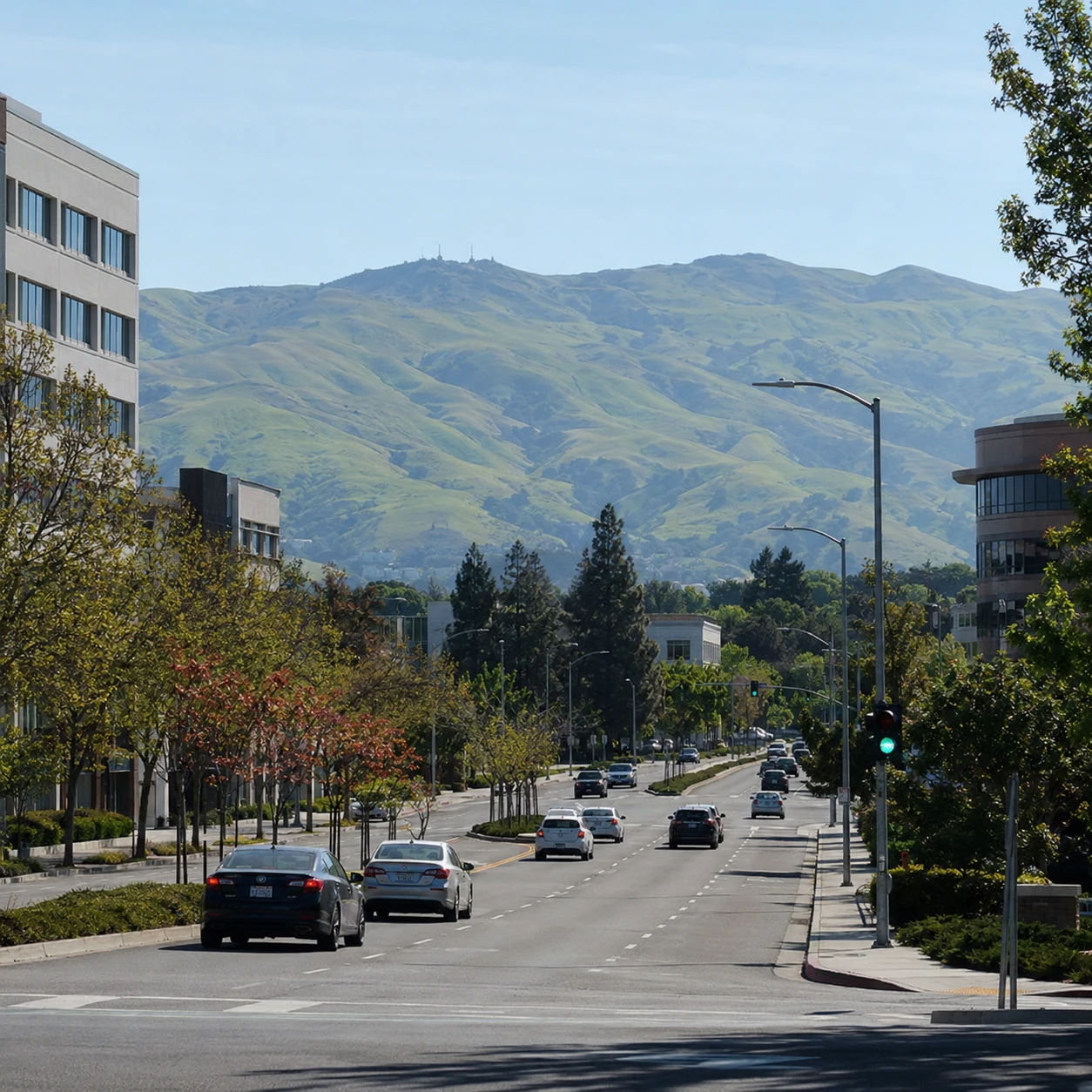
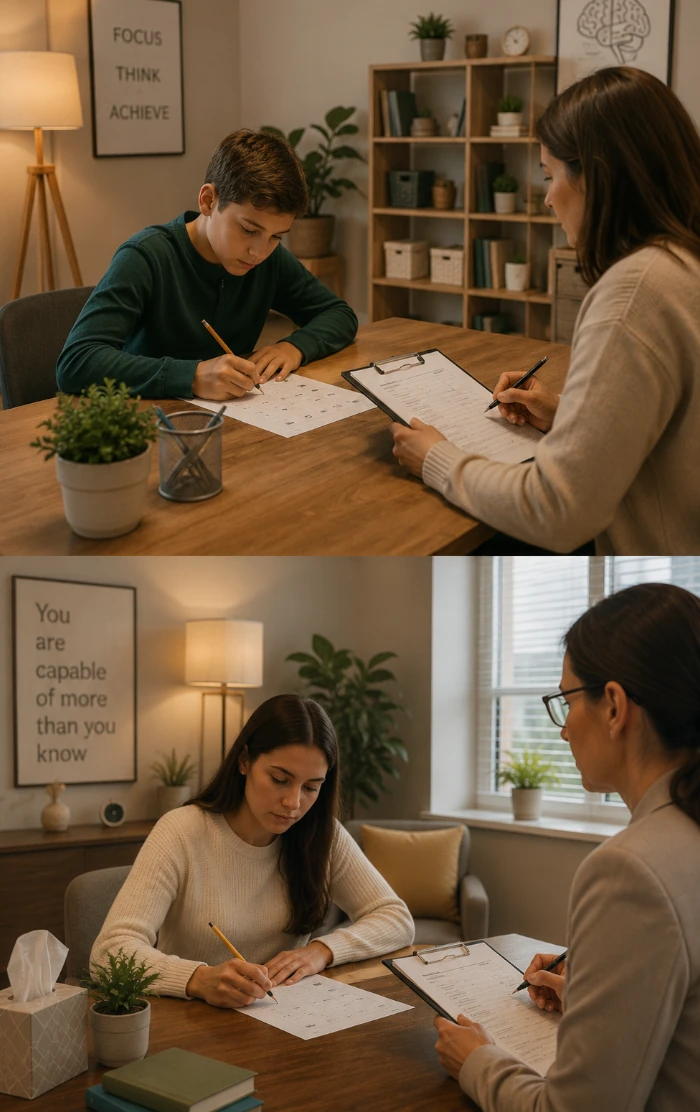
Professional IQ testing in Fremont – whether you need an assessment for school, employment, gifted program eligibility, or personal insight, we connect you with licensed psychologists in the Fremont area.
Last Updated: September 2026
Child IQ Testing
WISC-V & Stanford-Binet for ages 6–16. Gifted identification, learning profiles.
Adult IQ Testing
WAIS-IV & WAIS-5 available. Comprehensive adult cognitive assessments. Clinical & occupational.
WISC-V Test
Wechsler Intelligence Scale for Children® Fifth Edition – the gold standard for child IQ testing.
WAIS-IV & WAIS-5 Tests
Wechsler Adult Intelligence Scale® – Fourth Edition (WAIS-IV) and Fifth Edition (WAIS-5) available for adult IQ testing.
Gifted Testing
Identify giftedness for school placement, enrichment, and talent programs using WISC-V or Stanford-Binet.
Stanford-Binet 5
Stanford-Binet Intelligence Scales Fifth Edition – comprehensive cognitive assessment for all ages.
Mensa Testing
Mensa admission testing and preparation for the high-IQ society. Accepts WAIS-IV, WAIS-5, and Stanford-Binet 5 scores.
Full Evaluation
Combined assessment with detailed report and recommendations. Includes WISC-V, WAIS-IV, WAIS-5, or Stanford-Binet 5 as appropriate.
IQ Testing in Fremont: city context
Gender, age and demographic statistics
Fremont had an estimated 226,442 residents on July 1, 2025. Census 2020–2024 estimates report that 49.7% of residents are female, 22.3% are under age 18, and 14.0% are age 65 or older. The city is 63.8% Asian alone, 17.2% White alone, 2.8% Black alone, 0.5% Native Hawaiian or Other Pacific Islander alone, 7.4% reporting two or more races, and 13.1% Hispanic or Latino; race and Hispanic-origin categories are not mutually exclusive.
These figures describe community context, not intelligence. IQ scores must be interpreted individually in light of age, education, disability, health, culture, language exposure, and testing conditions. Fremont is highly multilingual and internationally connected: 64.2% of residents age five and older speak a language other than English at home, and 51.1% are foreign-born. Bilingual history, interpreter needs, nonverbal measures, and limits on verbal-score interpretation may therefore be central to a valid evaluation.
- Female residents: 49.7%.
- Children and teens: 22.3% are under 18.
- Older adults: 14.0% are 65 or older.
- Language context: 64.2% speak a language other than English at home.
- Educational context: 93.0% of adults age 25+ completed high school and 63.9% hold a bachelor’s degree or higher.
- Interpretation: No gender, racial, ethnic, immigration, or language group should be presumed to have a particular IQ profile.
What is professional IQ testing?
Intelligence quotient (IQ) testing is a standardized method to measure human cognitive abilities and intellectual potential. Professional IQ tests are administered by licensed psychologists in a controlled environment to ensure accuracy and reliability. Unlike online quizzes, clinical assessments provide a full-scale IQ score along with detailed breakdowns of verbal comprehension, perceptual reasoning, working memory, and processing speed.
In Fremont, IQ testing is commonly used for gifted program admission, learning disability identification, career guidance, neuropsychological evaluation, and personal development. The results are presented in a comprehensive report that includes normative comparisons, strengths and weaknesses, and actionable recommendations.
Who should get tested?
IQ testing can benefit children, adolescents, and adults in various situations:
- Children: Parents often seek testing for school readiness, gifted placement, or to understand learning challenges.
- Adults: Many adults take IQ tests for career advancement, graduate school applications, or personal curiosity.
- Mensa candidates: High-IQ societies require official test scores for membership.
- Clinical referrals: Psychologists may recommend testing as part of a broader neuropsychological evaluation.
Types of IQ tests
We offer the most recognized and scientifically validated intelligence tests in the field:
- WISC-V (Wechsler Intelligence Scale for Children® – Fifth Edition): The gold standard for children aged 6:0–16:11. It provides a Full-Scale IQ and five primary index scores.
- WAIS-IV (Wechsler Adult Intelligence Scale® – Fourth Edition): The most widely used adult IQ test for ages 16–90. It measures cognitive functioning across four domains.
- Stanford-Binet Intelligence Scales – Fifth Edition: A comprehensive assessment for ages 2–85, often used for gifted identification and clinical evaluations.
- Gifted Testing: Often includes the WISC-V or Stanford-Binet, plus additional creativity and achievement measures.
- Mensa Testing: We provide official Mensa admission testing and preparation materials.
How the testing process works
- Initial consultation: Brief phone or video call to discuss your needs and match you with the right psychologist.
- Testing session: In-person or remote testing (depending on the test) with a licensed psychologist. Most sessions last 1–2 hours.
- Scoring and interpretation: The psychologist scores the test and interprets the results in the context of your background and goals.
- Feedback session: A detailed review of your results, including strengths, weaknesses, and practical recommendations.
- Comprehensive report: You receive a written report with all scores, normative comparisons, and actionable next steps.
How much does IQ testing cost in Fremont?
The cost of IQ testing in Fremont varies depending on the type of test, the psychologist's experience, and whether a comprehensive report is required. Typical fees range from $200 to $1,200 for a full assessment. Gifted testing and Mensa admission testing are often at the lower end, while neuropsychological evaluations may be higher.
A brief online IQ test can help Fremont residents get acquainted with common question formats, but a qualified examiner should handle any assessment intended for school, work, or healthcare decisions.
Some insurance plans cover IQ testing when it's deemed medically necessary. We recommend checking with your provider for details. We also offer affordable payment plans and sliding-scale options for qualifying individuals.
Fremont's Intellectual History & Legacy
- Five-district history: Fremont incorporated in 1956 by combining Centerville, Niles, Irvington, Mission San Jose, and Warm Springs, each of which still shapes local identity and access.
- Mission and rail history: Mission San Jose, the Niles rail corridor, agriculture, quarrying, and early motion-picture production form part of the city’s educational and cultural history.
- Silicon Valley manufacturing: Fremont became a major production and engineering center for semiconductors, electric vehicles, data storage, biotechnology, medical devices, robotics, and clean technology.
- Ohlone College: The Fremont campus supports psychology, sciences, engineering, business, health programs, transfer pathways, and adult learning.
- Healthcare and research: Washington Health, Kaiser Permanente, Fremont VA Clinic, and nearby Stanford, UCSF, and UC Berkeley systems support clinical, neurological, rehabilitation, and research pathways.
- Cultural learning: Mission San Jose, Niles Essanay Silent Film Museum, Ardenwood Historic Farm, Lake Elizabeth, local libraries, and East Bay parks provide broad enrichment opportunities.
Top Employers in Fremont Requiring Cognitive Skills
- Tesla Fremont Factory: Vehicle manufacturing, robotics, engineering, automation, software, quality, logistics, and operations.
- Lam Research: Semiconductor equipment, process engineering, materials science, software, manufacturing, finance, and supply chain.
- Meta: Technology, infrastructure, data, hardware, operations, and related functions in the Ardenwood employment area.
- Seagate and Western Digital: Data-storage engineering, firmware, manufacturing, quality, analytics, and product operations.
- Thermo Fisher Scientific, Boehringer Ingelheim, Stryker, and Boston Scientific: Biotechnology, medical devices, regulatory affairs, quality systems, laboratory science, and advanced manufacturing.
- Washington Health and Kaiser Permanente: Clinical care, behavioral health, diagnostics, rehabilitation, technology, analytics, and administration.
- Fremont Unified and Ohlone College: Teaching, counseling, assessment, special education, research, administration, and student services.
- City of Fremont and regional agencies: Engineering, planning, transportation, public safety, finance, data, and public administration.
Fremont IQ Testing by City Area
Appointments are available across Fremont without repeating neighborhood names as SEO filler. The main practical differences are freeway access, BART proximity, school attendance area, and travel through employment corridors.
- Central and Downtown: Convenient to Fremont BART, City Hall, Washington Hospital, Kaiser Permanente, Lake Elizabeth, and the selected State Street testing office.
- Centerville and North Fremont: Access commonly uses Fremont Boulevard, Thornton Avenue, Decoto Road, Paseo Padre Parkway, and the Centerville rail station.
- Niles: Historic commercial streets and hillside neighborhoods connect through Niles Canyon Road, Mission Boulevard, and nearby regional transit.
- Irvington and Mission San Jose: I-680, Mission Boulevard, Washington Boulevard, Osgood Road, and Driscoll Road shape appointment access.
- Warm Springs and South Fremont: Warm Springs/South Fremont BART, I-880, I-680, Auto Mall Parkway, and the Innovation District support access for families and employees.
- Bayside and Ardenwood: I-880, SR 84, the Dumbarton Bridge, Cushing Parkway, and major technology and life-science employment areas can create peak-period congestion.
Fremont Universities and Research Institutions
- Ohlone College: Fremont-based associate degrees, certificates, psychology and science coursework, transfer preparation, career education, and adult learning.
- California State University, East Bay: Nearby Hayward graduate and undergraduate programs in psychology, education, business, health sciences, statistics, public administration, and technology.
- San Jose State University: Engineering, computer science, psychology, education, business, data science, and professional graduate study.
- Stanford University: Peninsula research and graduate programs in psychology, education, neuroscience, engineering, medicine, and business.
- University of California, Berkeley: East Bay research in psychology, cognitive science, education, public health, engineering, data science, and the social sciences.
- Regional research ecosystem: Stanford Health Care, UCSF, Lawrence Berkeley National Laboratory, semiconductor and biotech firms, and employer research teams expand opportunities within commuting distance.
Fremont Economic Context
- Median household income: $181,506 in 2020–2024 Census estimates.
- Per-capita income: $77,049.
- Residents in poverty: 5.2%.
- Bachelor's degree or higher: 63.9% of adults age 25 and older.
- Mean travel time to work: 30.3 minutes, though I-880, I-680, the Dumbarton Bridge, and cross-Bay commutes can be much longer.
- Health and social-assistance activity: Census business data report approximately $2.95 billion in 2022 receipts/revenue within the city.
- Transportation and warehousing: Approximately $480.4 million in 2022 receipts/revenue reflects distribution, regional freight, commuter movement, and supply-chain activity.
- Accommodation and food services: Approximately $708.9 million in 2022 sales.
- Retail sales: Approximately $4.76 billion in 2022.
- Regional strengths: Electric vehicles, semiconductors, biotechnology and medical devices, advanced manufacturing, robotics, data storage, clean technology, healthcare, education, logistics, retail, and professional services.
Fremont School District Data
- Fremont Unified School District: The district’s 2025–2026 GATE overview states that gifted and talented students are supported through differentiated instruction rather than a single citywide standalone school.
- Current procedures: Families should use the current FUSD GATE page and school staff for referral, identification, placement, and service information because testing practices and funding structures have changed over time.
- Instructional response: Differentiation may include advanced content, greater depth and complexity, flexible grouping, accelerated pacing, enrichment, honors coursework, Advanced Placement, dual enrollment, and subject-specific opportunities.
- Private testing: A WISC-V, Stanford-Binet, achievement battery, or full psychoeducational report may help explain a child’s profile, but it does not automatically create FUSD eligibility or placement.
- California framework: State categorical GATE funding was absorbed into the Local Control Funding Formula; districts set local goals, services, and identification practices through local planning and accountability processes.
- Equity and language: Fremont’s multilingual population makes multiple evidence sources, educational history, language development, and culturally responsive interpretation especially important.
Local Testing Centers and Psychologists
- Appletree Psychological Services: 39210 State Street, Suite 109, Fremont, CA 94538; (510) 818-0892. The practice explicitly lists IQ testing, neuropsychological assessment, psychoeducational assessment, ADHD, autism, learning-disability, school-accommodation, and executive-functioning services.
- Washington Health: Fremont’s acute-care system can support medical, neurological, rehabilitation, and behavioral-health referrals; verify whether the specific service provides formal neuropsychological testing.
- Kaiser Permanente Fremont Medical Center: Integrated medical and behavioral-health care for members, with referral pathways depending on clinical need and plan rules.
- Fremont VA Clinic: Primary care, mental-health care, telehealth, and other outpatient services for eligible veterans, with specialty referrals coordinated through VA Palo Alto Health Care.
- Regional specialty systems: Stanford Health Care, UCSF Health, Lucile Packard Children’s Hospital, and East Bay neuropsychology practices may be appropriate for complex neurological or pediatric questions.
- Referral check: Confirm licensure, age range, language capability, test edition, report purpose, fees, insurance status, turnaround, and whether school, disability, court, or Mensa documentation requirements will be met.
Fremont Events and Conferences
Useful learning and professional-development opportunities may be offered through Ohlone College, Fremont Unified, Fremont Main Library, Mission San Jose, Niles cultural organizations, Washington Health, city economic-development programs, employer associations, regional universities, and professional psychology or education groups.
- Education and career events: Transfer workshops, college fairs, STEM showcases, career expos, internships, and employer information sessions.
- Technology and research events: Semiconductor, biotech, robotics, clean-tech, manufacturing, and startup programs across Fremont and Silicon Valley.
- Gifted-family resources: School meetings, library programs, math and coding clubs, science events, arts programs, and San Francisco Regional Mensa activities when scheduled.
- Planning: Calendars and eligibility change; verify current dates rather than treating an IQ information page as an event listing.
Transportation and Accessibility
- Major roads: I-880 runs north–south along the bayside employment corridor; I-680 serves Mission San Jose and the eastern side; SR 84 crosses the Dumbarton Bridge toward the Peninsula; Mission Boulevard/SR 238, Fremont Boulevard, Paseo Padre Parkway, Decoto Road, Mowry Avenue, Stevenson Boulevard, Auto Mall Parkway, and Warm Springs Boulevard are major local routes.
- Public transit: BART serves Fremont Station and Warm Springs/South Fremont Station, with direct regional rail connections toward Oakland, San Francisco, San Jose, and other Bay Area destinations. AC Transit operates local and regional bus service, while employer shuttles and private commuter services are common in major employment districts.
- Intercity rail: The Fremont-Centerville station is served by Capitol Corridor and Altamont Corridor Express trains, providing connections toward San Jose, Oakland, Sacramento, and the Tri-Valley/Central Valley commute market.
- Accessible transportation: AC Transit East Bay Paratransit provides ADA complementary paratransit for eligible riders; BART stations include accessible paths, elevators, tactile features, and paratransit transfer areas.
- Airport: San José Mineta International Airport is generally the closest large commercial airport, roughly 15–20 road miles from central Fremont. Oakland International is commonly about 20–25 miles away, and San Francisco International is about 30–35 miles away before traffic and route differences.
- Distance to other cities: Approximately 17 miles to San Jose, 18 miles to Palo Alto via the Dumbarton corridor, 28 miles to Oakland, 40 miles to San Francisco, 45 miles to Berkeley, and about 100 miles to Sacramento; Bay Area traffic can substantially increase travel time.
- Walkability: Downtown/City Center near Fremont BART, the historic Niles district, portions of Centerville, and compact areas around neighborhood shopping and civic facilities are among the easier places to combine walking with appointments. Fremont as a whole remains spread out and often car-dependent.
- Bike infrastructure: Fremont reports substantial implementation of its active-transportation plans, including about 40 miles of separated bikeways and 13 protected intersections. The Alameda Creek Trail, Bay Trail, Lake Elizabeth loop, East Bay Greenway segments, Sabercat Trail, and protected routes near BART support recreational and practical trips.
- Appointment planning: I-880 and Dumbarton-corridor congestion, school traffic, BART disruptions, employer-shift changes, summer heat, wildfire smoke, and winter rain can affect arrival time and test readiness.
Fremont Weather and Seasonal Considerations
- Summer heat: Inland East Bay afternoons can become hot, especially near the hills. Morning appointments, hydration, and a temperature-controlled room may improve stamina.
- Wildfire smoke: Regional fires can produce unhealthy particulate levels, headaches, fatigue, anxiety, and school or transit disruption; reschedule when air quality or safety is poor.
- Diablo winds: Dry offshore wind events can increase fire danger and affect sleep, allergies, and power reliability.
- Winter rain: Most precipitation falls in the cooler months. Heavy rain can slow I-880/I-680 traffic, create localized flooding, and complicate hillside or Dumbarton-corridor travel.
- Allergies: Grass, tree pollen, and dry-season dust may affect attention or comfort; unusual symptoms should be noted in behavioral observations.
- Testing principle: Scores obtained during illness, severe sleep loss, heat stress, smoke exposure, or acute distress should be interpreted cautiously.
Areas we serve
We support all areas of Fremont.
Frequently Asked Questions
WISC-V is for children aged 6–16, while WAIS-IV is for adults aged 16–90. Each is normed for its specific age group.
Most IQ tests take between 60 and 90 minutes, plus a feedback session. Allow 2–3 hours total.
No, you can book directly with our psychologists. We serve both self-referred and professionally referred individuals.
Some professionally administered scores may be submitted as prior evidence, but acceptance is determined solely by American Mensa under its current rules.
Some plans cover cognitive assessments when there is a clinical indication. Check with your provider.
Get a good night's sleep, eat a healthy meal, and arrive relaxed. No specific preparation is needed.
You'll receive a comprehensive report with your scores and tailored recommendations.
Interviews and feedback may be available remotely, but many standardized cognitive tests require controlled administration and may need an in-person appointment. Contact us for details.