
IQ Testing in El Paso
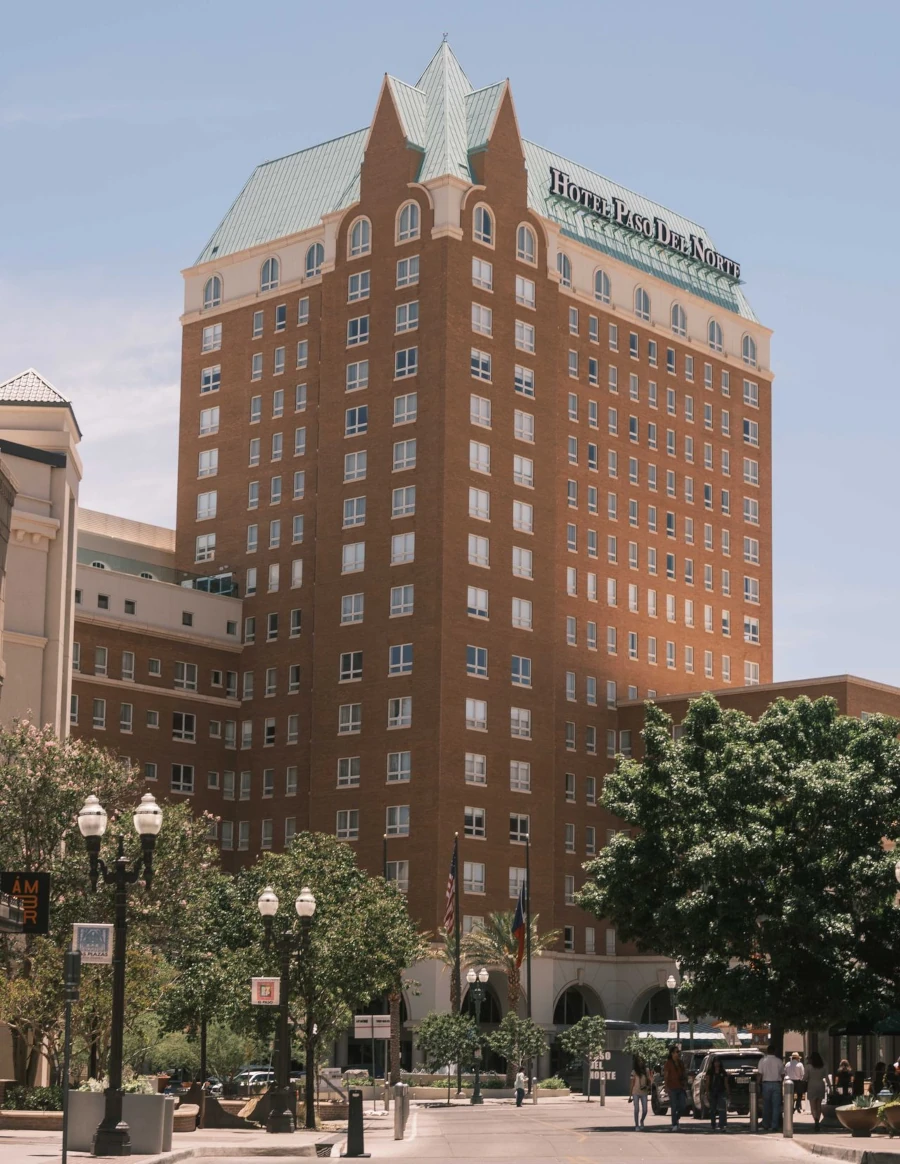

Professional IQ testing in El Paso – whether you need an assessment for school, employment, gifted program eligibility, or personal insight, we connect you with licensed psychologists in the El Paso area.
Last Updated: October 2026
Child IQ Testing
WISC-V & Stanford-Binet for ages 6–16. Gifted identification, learning profiles.
Adult IQ Testing
WAIS-IV & WAIS-5 available. Comprehensive adult cognitive assessments. Clinical & occupational.
WISC-V Test
Wechsler Intelligence Scale for Children® Fifth Edition – the gold standard for child IQ testing.
WAIS-IV & WAIS-5 Tests
Wechsler Adult Intelligence Scale® – Fourth Edition (WAIS-IV) and Fifth Edition (WAIS-5) available for adult IQ testing.
Gifted Testing
Identify giftedness for school placement, enrichment, and talent programs using WISC-V or Stanford-Binet.
Stanford-Binet 5
Stanford-Binet Intelligence Scales Fifth Edition – comprehensive cognitive assessment for all ages.
Mensa Testing
Mensa qualification guidance and testing that may provide accepted prior evidence, subject to current American Mensa rules. American Mensa's published prior-evidence list includes WAIS-IV and Stanford-Binet 5; verify current acceptance of WAIS-5 before testing.
Full Evaluation
Combined assessment with detailed report and recommendations. Includes WISC-V, WAIS-IV, WAIS-5, or Stanford-Binet 5 as appropriate.
IQ Testing in El Paso: city context
El Paso is the principal U.S. city of the Paso del Norte border region, directly across the Rio Grande from Ciudad Juárez and within commuting distance of Las Cruces, New Mexico. The U.S. Census Bureau estimated the city at approximately 683,012 residents in 2025. Its 2020 land area was about 258.41 square miles.
The region includes The University of Texas at El Paso, Texas Tech University Health Sciences Center El Paso, El Paso Community College, nearby New Mexico State University, University Medical Center of El Paso, El Paso Children's Hospital, The Hospitals of Providence, William Beaumont Army Medical Center, Fort Bliss, the El Paso VA Health Care System, public-school districts and licensed private practices. These resources support cognitive assessment, educational planning, disability documentation, career guidance, rehabilitation, behavioral health and neuropsychological care.
IQ, gender, language, and demographic context
Professional IQ tests use age-based national norms. They are not scored against separate El Paso norms for men, women, racial groups, ethnic groups, English speakers, Spanish speakers or military families. Research generally finds substantial overlap in overall IQ distributions by sex, while individual profiles can differ across verbal, visual-spatial, fluid-reasoning, working-memory and processing-speed tasks.
Current El Paso Census context:
- Population estimate: 683,012 residents in 2025.
- Female residents: 50.7%.
- Residents under age 18: 24.9%.
- Hispanic or Latino residents: 81.2%; Hispanic origin may overlap with race categories.
- White alone: 29.8%; White alone, not Hispanic or Latino, 12.0%.
- Black or African American alone: 3.6%.
- American Indian and Alaska Native alone: 0.9%.
- Asian alone: 1.5%.
- Two or more races: 46.8% under current Census reporting.
- Foreign-born residents: 22.4%.
- Language other than English spoken at home: 65.9% of residents age 5 and older.
No authoritative public dataset establishes valid El Paso IQ averages by gender, race, ethnicity, language, immigration history, school district, military status or neighborhood. A psychologist interprets an individual's results in light of age, education, language exposure, culture, disability, health, effort and testing conditions rather than assigning ability from demographic membership.
What is professional IQ testing?
Intelligence quotient (IQ) testing is a standardized method to measure human cognitive abilities and intellectual potential. Professional IQ tests are administered by licensed psychologists in a controlled environment to ensure accuracy and reliability. Unlike online quizzes, clinical assessments provide a full-scale IQ score along with detailed breakdowns of verbal comprehension, perceptual reasoning, working memory, and processing speed.
In El Paso, IQ testing is commonly used for gifted program admission, learning disability identification, career guidance, neuropsychological evaluation, and personal development. The results are presented in a comprehensive report that includes normative comparisons, strengths and weaknesses, and actionable recommendations.
Who should get tested?
IQ testing can benefit children, adolescents, and adults in various situations:
- Children: Parents often seek testing for school readiness, gifted placement, or to understand learning challenges.
- Adults: Many adults take IQ tests for career advancement, graduate school applications, or personal curiosity.
- Mensa candidates: High-IQ societies require official test scores for membership.
- Clinical referrals: Psychologists may recommend testing as part of a broader neuropsychological evaluation.
Types of IQ tests
We offer the most recognized and scientifically validated intelligence tests in the field:
- WISC-V (Wechsler Intelligence Scale for Children® – Fifth Edition): The gold standard for children aged 6:0–16:11. It provides a Full-Scale IQ and five primary index scores.
- WAIS-IV (Wechsler Adult Intelligence Scale® – Fourth Edition): The most widely used adult IQ test for ages 16–90. It measures cognitive functioning across four domains.
- Stanford-Binet Intelligence Scales – Fifth Edition: A comprehensive assessment for ages 2–85, often used for gifted identification and clinical evaluations.
- Gifted Testing: Often includes the WISC-V or Stanford-Binet, plus additional creativity and achievement measures.
- Mensa Testing: We provide guidance on Mensa qualification routes and can connect consumers with psychologists whose complete reports may be submitted as prior evidence, subject to current American Mensa rules.
How the testing process works
- Initial consultation: Brief phone or video call to discuss your needs and match you with the right psychologist.
- Testing session: In-person or remote testing (depending on the test) with a licensed psychologist. Most sessions last 1–2 hours.
- Scoring and interpretation: The psychologist scores the test and interprets the results in the context of your background and goals.
- Feedback session: A detailed review of your results, including strengths, weaknesses, and practical recommendations.
- Comprehensive report: You receive a written report with all scores, normative comparisons, and actionable next steps.
How much does IQ testing cost in El Paso?
Fees vary according to the test selected, the referral question, the clinician's credentials, the amount of records review, and whether the service includes only a score summary or a comprehensive written report and feedback session. A stand-alone IQ assessment usually costs less than a full psychoeducational or neuropsychological evaluation.
Request a written estimate covering consultation, testing, scoring, report preparation, feedback, and any additional measures. Insurance is more likely to contribute when testing is medically necessary than when it is requested solely for curiosity, career exploration, school admission, or Mensa documentation.
El Paso's Intellectual History & Educational Legacy
El Paso's educational character reflects Indigenous, Spanish, Mexican, U.S., military and borderland traditions. The Mission Valley preserves Ysleta, Socorro and San Elizario institutions associated with centuries of regional settlement, agriculture, religion, language and trade. The city's location on El Camino Real and later transcontinental rail corridors made it a meeting point for ideas, commerce and migration.
- UTEP: Founded in 1914 as the Texas State School of Mines and Metallurgy, UTEP developed into a major public research university with strengths in engineering, science, health, education, psychology, business and border studies.
- Border-health education: Texas Tech Health El Paso trains physicians, nurses, biomedical researchers and dental professionals in a bilingual, binational health environment.
- Community-college access: El Paso Community College provides transfer, workforce, technical, health and continuing-education pathways across multiple campuses.
- Military learning: Fort Bliss and William Beaumont Army Medical Center contribute training, leadership, healthcare, logistics, technology and rehabilitation expertise.
- Bilingual knowledge: English-Spanish language experience is common in schools, healthcare, business and family life. Assessment should treat bilingualism as a developmental and cultural context, not as a deficit.
- Regional research: UTEP, Texas Tech Health El Paso, NMSU, White Sands Missile Range and regional aerospace/manufacturing initiatives connect El Paso to research in engineering, defense, public health, biomedical science and cross-border systems.
Major El Paso Employers and Cognitive Skill Demands
- Fort Bliss and defense: Military operations, logistics, intelligence, communications, maintenance, healthcare and leadership require sustained attention, spatial reasoning, working memory, rapid decision-making and executive control.
- Healthcare systems: UMC, El Paso Children's Hospital, The Hospitals of Providence, Texas Tech Physicians, William Beaumont and outpatient networks employ clinicians, technicians, analysts and administrators who use verbal reasoning, memory, accuracy and complex problem solving.
- Education and research: UTEP, EPCC, Texas Tech Health El Paso, public-school districts and private schools rely on teaching, research, data interpretation, communication and planning skills.
- Government and public safety: City, county, state and federal agencies—including border, customs, law-enforcement and emergency organizations—use judgment, language, policy analysis and high-stakes attention.
- Logistics and border trade: Warehousing, customs brokerage, trucking, rail, distribution and supply-chain roles require sequencing, quantitative reasoning, documentation accuracy and bilingual communication.
- Advanced manufacturing: Automotive components, electronics, medical devices, aerospace and defense production involve visual-spatial ability, quality control, technical learning and process improvement.
- Business services: Finance, insurance, customer support, human resources, legal services and bilingual contact centers value verbal comprehension, processing efficiency and interpersonal judgment.
- Tourism, culture and hospitality: Hotels, restaurants, museums, events and outdoor recreation use social reasoning, memory, creativity, scheduling and multilingual service skills.
An IQ profile should not be used as a stand-alone hiring screen. Career planning is strongest when cognitive results are combined with interests, values, education, experience, personality, disability considerations and labor-market information.
El Paso IQ Testing by Neighborhood and Area
- Downtown and Union Plaza: Central access to government, courts, cultural institutions, transit and the streetcar; parking and event traffic should be checked.
- Sunset Heights, UTEP, Kern Place and Mission Hills: University-oriented neighborhoods with access to campus, hospitals and central professional offices.
- Central El Paso and Austin Terrace: Established neighborhoods near medical, educational and private-school resources.
- West Side and Northwest: Mesa Street, Executive Center, Resler and Artcraft corridors connect residential areas, Canutillo and southern New Mexico.
- Upper Valley: Doniphan and Country Club corridors serve west-county communities; travel times can increase at I-10 interchanges and during school traffic.
- Northeast and Fort Bliss: US 54, Dyer, Railroad and Loop 375 connect military, residential and school communities.
- East Side: Cielo Vista, Vista Hills, Eastwood and surrounding areas have access to medical offices, schools and major commercial corridors.
- Far East and Horizon City: Zaragoza, Joe Battle/Loop 375, Eastlake and Montana corridors serve rapidly developed neighborhoods; appointments across town may require substantial travel time.
- Lower Valley, Ysleta and Socorro: Alameda, North Loop and the Mission Trail connect long-established bilingual communities and school districts.
- Sunland Park, Santa Teresa and Las Cruces: Southern New Mexico residents should confirm licensing, insurance, report acceptance and cross-state logistics before scheduling.
El Paso Universities and Research Institutions
- The University of Texas at El Paso: Fall 2025 enrollment reached 26,297. UTEP offers nearly 170 degree options and substantial programs in engineering, science, psychology, education, nursing, health sciences, business, liberal arts and pharmacy.
- Texas Tech University Health Sciences Center El Paso: Includes the Paul L. Foster School of Medicine, Hunt School of Nursing, Francis Graduate School of Biomedical Sciences and Woody L. Hunt School of Dental Medicine, with border-health research and clinical training.
- El Paso Community College: Offers more than 130 programs, transfer pathways, health careers, technical education and continuing education across multiple campuses.
- New Mexico State University: Located in Las Cruces roughly 40–50 miles north of El Paso, adding graduate, psychology, education, engineering, agriculture and research options to the regional academic market.
- Military and medical training: Fort Bliss, William Beaumont Army Medical Center, UMC and regional hospitals provide specialized clinical, operational and professional education.
- Cross-border collaboration: Institutions in Ciudad Juárez and Chihuahua contribute to a binational environment in public health, engineering, manufacturing, business and culture, subject to each program's formal partnerships and admission rules.
El Paso Economic Context
- Median household income: $59,745 in 2020–2024 Census estimates.
- Per-capita income: $29,956.
- Residents in poverty: 18.4%.
- Bachelor's degree or higher: 28.1% of adults age 25 and older.
- Mean travel time to work: 23.4 minutes, although cross-city and border trips can be much longer.
- Health and social-assistance activity: Census business data report approximately $6.3 billion in 2022 receipts/revenue within the city.
- Transportation and warehousing: Approximately $3.57 billion in 2022 receipts/revenue reflects the importance of logistics and border trade.
- Retail sales: Approximately $12.69 billion in 2022.
- Regional strengths: Government, Fort Bliss, healthcare, education, manufacturing, aerospace and defense, business services, logistics, tourism and cross-border commerce.
Economic circumstances can influence access to evaluation, educational opportunity, test familiarity, healthcare, sleep and stress. They should inform interpretation and recommendations but should never be used to infer an individual's intelligence.
El Paso School District and Gifted-Education Context
El Paso-area public schools operate under the Texas State Plan for the Education of Gifted/Talented Students. Districts must identify and serve students in kindergarten through grade 12, use locally approved procedures and provide learning opportunities during the school year.
For El Paso residents who want an informal introduction to reasoning questions, an online IQ test can be a useful starting point, while a licensed psychologist is necessary when formal documentation or diagnosis is required.
- EPISD: Campus G/T services, advanced academics, dual-language gifted programming, AP, dual credit, early-college and specialized high-school options.
- YISD: Differentiated districtwide G/T instruction, pull-out and independent-study opportunities, competitions, enrichment, AP and dual credit.
- SISD: Annual K–11 referral and assessment processes, G/T camps and showcases, advanced academics, early college and P-TECH.
- Canutillo ISD: Elementary screening and pull-out enrichment, Texas Performance Standards Projects, advanced middle/high-school courses, AP and dual credit.
- Other districts: Anthony, Clint, Fabens, San Elizario and Tornillo maintain separate identification and service plans.
- Private and charter schools: Not all are bound by the same G/T requirements. Admissions, readiness and placement tests differ from clinical IQ testing.
- Outside reports: A private WISC-V, Stanford-Binet or full evaluation can inform planning, but the receiving district or school determines how it will be considered.
Local Testing Centers and Psychologists
- Texas license verification: The Texas Behavioral Health Executive Council provides an online search for licensed psychologists and professional profiles.
- Private psychologists: Independent practices may offer IQ, gifted, psychoeducational, ADHD, autism, disability, forensic or neuropsychological evaluation; services vary widely.
- Texas Tech Health El Paso: Psychiatry and psychology services include clinical care, psychology training and neuropsychiatric evaluation of complex conditions at the psychiatry-neurology interface.
- University Medical Center: Regional academic hospital with neurosciences, rehabilitation, trauma and stroke resources; medical referral may be appropriate when cognition changed after injury or illness.
- El Paso Children's Hospital: Pediatric neurosciences include neuropsychology and multidisciplinary support; developmental and rehabilitative services address speech, motor, feeding and functional needs.
- The Hospitals of Providence: Providence Neurosciences Center lists neuropsychology among services for memory loss, concussion, dementia, neurological disease and brain injury.
- Fort Bliss resources: William Beaumont Army Medical Center and the Fort Bliss Intrepid Spirit Center provide eligible service members with behavioral health, neuropsychology, TBI and rehabilitation services under referral and eligibility rules.
- VA services: Eligible veterans should ask the El Paso VA Health Care System about mental-health, neurological and cognitive referral pathways.
Confirm the examiner's license, training with the requested instrument, language competence, report scope, turnaround time and whether the receiving organization accepts that test and provider type.
El Paso Learning Events and Professional Resources
- UTEP public programs: Lectures, research presentations, arts events, engineering competitions, professional development and youth outreach vary throughout the year.
- Region 19 Education Service Center: Educator training and regional school support can include advanced academics, special education, bilingual education and assessment topics.
- El Paso Public Libraries: Branches offer literacy, technology, research, language, maker and community-learning programs.
- La Nube: Hands-on children's learning experiences support science, creativity, design and collaborative problem solving.
- El Paso museums: The Museum of History, Museum of Art and Archaeology Museum provide cultural and educational programming.
- Franklin Mountains State Park: Geology, ecology, hiking and outdoor education can support advanced interests; heat, altitude and trail safety require planning.
- Paso del Norte Mensa: American Mensa's local-group directory identifies Paso del Norte Mensa within the Southwest Region; event and membership activity can change, so verify current contacts.
- Professional organizations: Texas Psychological Association, Texas Association for the Gifted & Talented, national test publishers and specialty associations provide public and professional resources.
Transportation and Accessibility
- Major roads: I-10 runs east–west through the city; US 54/Patriot Freeway provides a major north–south route; Loop 375 includes the César Chávez Border Highway and Purple Heart Memorial Highway; US 62/180 follows Montana Avenue; SH 20 includes Alameda Avenue and Doniphan Drive; Spur 601/Liberty Expressway serves Fort Bliss and Northeast El Paso.
- Public transit: Sun Metro operates fixed-route buses, Brio rapid-transit corridors, transit centers, the LIFT paratransit service and connections across major El Paso neighborhoods.
- Streetcar: The El Paso Streetcar travels a 4.8-mile route in two loops through Downtown and Uptown, connecting UTEP, hospitals, government buildings, historic neighborhoods, entertainment districts and an international bridge area.
- Airport: El Paso International Airport (ELP) serves West Texas, southern New Mexico and northern Mexico. Published airline service includes nonstop routes to major hubs and cities such as Dallas/Fort Worth, Houston, Austin, San Antonio, Denver, Phoenix, Las Vegas, Los Angeles, San Diego, Long Beach and Orlando; schedules change by airline and season.
- Distance to other cities: Central El Paso is roughly 45–55 minutes from Las Cruces, about 1.5 hours from Alamogordo, about 2.5 hours from Ruidoso, about 4 hours from Albuquerque, about 4.5 hours from Tucson and roughly 7.5–8 hours from San Antonio under normal conditions.
- International bridges: Paso del Norte, Stanton Street, Bridge of the Americas and Ysleta–Zaragoza connect the El Paso–Juárez region. Border wait times and documentation requirements can materially affect appointment planning.
- Walkability: Downtown, Union Plaza, Sunset Heights, the UTEP/Kern Place area and the Cincinnati Entertainment District offer some of the city's most walkable clusters. Most West Side, Northeast, East Side, Far East and Upper Valley appointments remain easier by car or rideshare.
- Bike infrastructure: The City describes a network of shared-use paths, protected bicycle lanes, two-way cycle tracks and buffered lanes. City trails include Rio Grande North, Scenic Drive, Rim Road and neighborhood linear trails; Franklin Mountains routes are primarily recreational mountain trails rather than commuter facilities.
- Cross-city travel: I-10 construction, US 54 traffic, Loop 375 bottlenecks, school release times, Fort Bliss gate traffic, events and crashes can turn a short-distance trip into a long one.
- Accessibility: Ask about parking, elevators, wheelchair access, accessible restrooms, interpreter arrangements, quiet waiting areas, sensory accommodations and break policies.
- Heat planning: In hot months, avoid leaving test-takers or testing materials in vehicles, carry water and consider morning appointments when possible.
- Remote testing: Teleassessment is limited by publisher rules, Texas licensing, professional standards, technology and the receiving organization's acceptance requirements.
El Paso Weather and Seasonal Considerations
- Hot desert summers: Afternoon temperatures can exceed 100°F. Dehydration, heat exposure and poor sleep can affect attention and stamina.
- High elevation: El Paso sits at roughly 3,700 feet above sea level; visitors may notice dryness, sun intensity or mild altitude effects.
- Monsoon season: Summer thunderstorms can produce localized flooding, lightning, wind and sudden traffic disruption.
- Spring winds and dust: Blowing dust may reduce visibility and aggravate allergies or respiratory symptoms.
- Winter mornings: Freezing temperatures and occasional ice can occur even though afternoons are often mild.
- Testing comfort: Bring prescribed glasses, hearing devices, medication, water and a light layer for air-conditioned offices; reschedule when illness, severe sleep loss or heat exhaustion would invalidate results.
- Border-region travel: Weather may be clear in central El Paso while conditions differ in the mountains, Transmountain corridor, Las Cruces or east-county communities.
Areas we serve
We connect consumers with IQ-testing and evaluation resources serving El Paso and the wider Paso del Norte region. Common service areas include Downtown, Union Plaza, Sunset Heights, UTEP, Kern Place, Mission Hills, Central El Paso, Austin Terrace, Five Points, the West Side, Northwest El Paso, the Upper Valley, Canutillo, Anthony, the Northeast, Fort Bliss, the East Side, Far East El Paso, Horizon City, the Lower Valley, Ysleta, Socorro, San Elizario, Clint, Fabens, Sunland Park, Santa Teresa, and nearby Las Cruces.
- El Paso city appointments: Confirm the exact office location because travel between the West Side, Northeast, East Side, and Lower Valley can take substantially longer than mileage alone suggests.
- Fort Bliss and military families: Ask whether referral, insurance, records-release, command-documentation, or eligibility requirements apply before scheduling.
- Southern New Mexico residents: Confirm that the psychologist is legally permitted to serve you, that the testing location is acceptable, and that the receiving school or agency will accept a Texas report.
- International and binational families: Allow extra time for bridge traffic and discuss language history, schooling in Mexico or the United States, translation needs, and the purpose for which the report will be used.
- Remote services: Interviews and feedback may sometimes be offered remotely, but standardized test administration depends on publisher rules, professional standards, licensing, technology, and the receiving institution's acceptance policy.
Frequently Asked Questions
WISC-V is for children aged 6–16, while WAIS-IV is for adults aged 16–90. Each is normed for its specific age group.
Most IQ tests take between 60 and 90 minutes, plus a feedback session. Allow 2–3 hours total.
No, you can book directly with our psychologists. We serve both self-referred and professionally referred individuals.
A complete psychologist's report may be submitted as prior evidence if the test, score, administration conditions, and documentation satisfy the receiving organization's current rules. Verify requirements before testing.
Some plans cover cognitive assessments when there is a clinical indication. Check with your provider.
Get a good night's sleep, eat a healthy meal, and arrive relaxed. No specific preparation is needed.
You'll receive a comprehensive report with your scores and tailored recommendations.
Remote administration may be possible only in limited circumstances. The evaluator must confirm publisher guidance, test validity, state licensing, technology requirements, and acceptance by the receiving school or organization.