
IQ Testing in Bakersfield
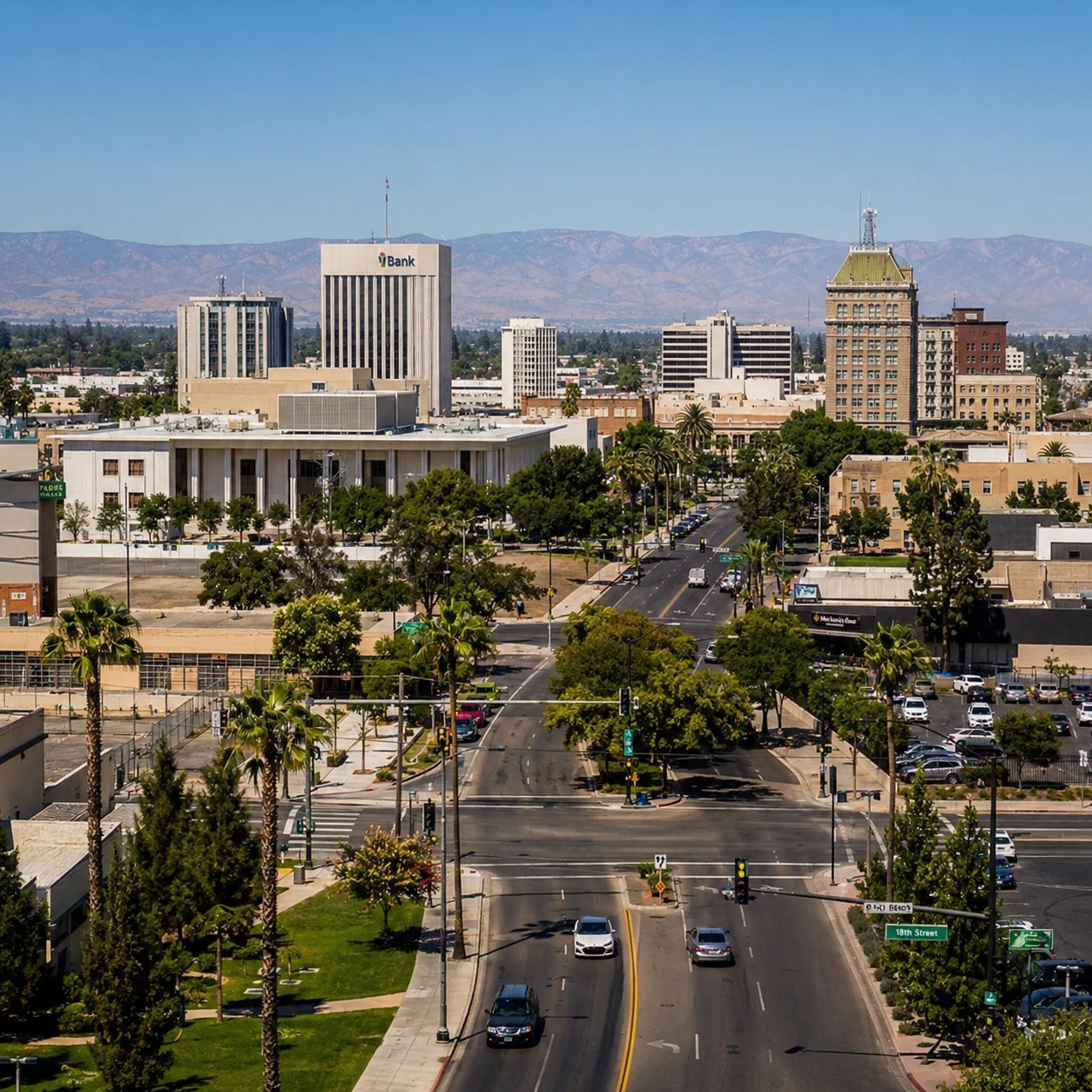

Professional IQ testing in Bakersfield – whether you need an assessment for school, employment, gifted program eligibility, or personal insight, we connect you with licensed psychologists in the Bakersfield area.
Last Updated: October 2026
Child IQ Testing
WISC-V & Stanford-Binet for ages 6–16. Gifted identification, learning profiles.
Adult IQ Testing
WAIS-IV & WAIS-5 available. Comprehensive adult cognitive assessments. Clinical & occupational.
WISC-V Test
Wechsler Intelligence Scale for Children® Fifth Edition – the gold standard for child IQ testing.
WAIS-IV & WAIS-5 Tests
Wechsler Adult Intelligence Scale® – Fourth Edition (WAIS-IV) and Fifth Edition (WAIS-5) available for adult IQ testing.
Gifted Testing
Identify giftedness for school placement, enrichment, and talent programs using WISC-V or Stanford-Binet.
Stanford-Binet 5
Stanford-Binet Intelligence Scales Fifth Edition – comprehensive cognitive assessment for all ages.
Mensa Testing
Mensa admission testing and preparation for the high-IQ society. Accepts WAIS-IV, WAIS-5, and Stanford-Binet 5 scores.
Full Evaluation
Combined assessment with detailed report and recommendations. Includes WISC-V, WAIS-IV, WAIS-5, or Stanford-Binet 5 as appropriate.
IQ Testing in Bakersfield: city context
Bakersfield is the Kern County seat and the largest city at the southern end of California’s San Joaquin Valley. The U.S. Census Bureau estimated 422,165 residents in 2025, across approximately 149.78 square miles. The local economy combines energy, agriculture, food processing, healthcare, education, government, construction, distribution, transportation, aerospace support, and professional services.
The assessment ecosystem includes California State University, Bakersfield; Bakersfield College; Bakersfield City School District; Kern High School District; Kern County Superintendent of Schools; Kern Medical; Adventist Health Bakersfield; Dignity Health Mercy and Memorial hospitals; Valley Children’s regional pediatric services specialty services; and licensed psychologists in private practice. No authoritative source publishes a scientifically valid citywide “average IQ for Bakersfield”; ability must be assessed individually with standardized instruments and appropriate language, educational, disability, cultural, and clinical context.
IQ by gender & ethnicity
Professional IQ tests use age-based national norms; they are not interpreted through local gender, racial, ethnic, or neighborhood stereotypes. Bakersfield demographic data help with language access and service planning, but they do not establish innate intelligence differences.
Current adult-population context includes:
- Female population: 50.8% of Bakersfield residents; there is no authoritative male-versus-female city IQ average.
- Hispanic or Latino residents: 54.7% of residents, of any race.
- White alone, not Hispanic or Latino: 27.6%.
- Black or African American alone: 6.1%.
- Asian alone: 8.1%.
- American Indian and Alaska Native alone: 1.4%.
- Two or more races: 23.9%.
- Foreign-born residents: 20.2% in 2020–2024 estimates.
- Language other than English at home: 44.3% of people age five and older, making language history and bilingual assessment planning especially important.
- Clinical interpretation: A psychologist considers education, disability, health, language dominance, cultural opportunity, testing conditions, and referral purpose before interpreting scores.
What is professional IQ testing?
Intelligence quotient (IQ) testing is a standardized method to measure human cognitive abilities and intellectual potential. Professional IQ tests are administered by licensed psychologists in a controlled environment to ensure accuracy and reliability. Unlike online quizzes, clinical assessments provide a full-scale IQ score along with detailed breakdowns of verbal comprehension, perceptual reasoning, working memory, and processing speed.
In Bakersfield, IQ testing is commonly used for gifted program admission, learning disability identification, career guidance, neuropsychological evaluation, and personal development. The results are presented in a comprehensive report that includes normative comparisons, strengths and weaknesses, and actionable recommendations.
Who should get tested?
IQ testing can benefit children, adolescents, and adults in various situations:
- Children: Parents often seek testing for school readiness, gifted placement, or to understand learning challenges.
- Adults: Many adults take IQ tests for career advancement, graduate school applications, or personal curiosity.
- Mensa candidates: High-IQ societies require official test scores for membership.
- Clinical referrals: Psychologists may recommend testing as part of a broader neuropsychological evaluation.
Types of IQ tests
We offer the most recognized and scientifically validated intelligence tests in the field:
- WISC-V (Wechsler Intelligence Scale for Children® – Fifth Edition): The gold standard for children aged 6:0–16:11. It provides a Full-Scale IQ and five primary index scores.
- WAIS-IV (Wechsler Adult Intelligence Scale® – Fourth Edition): The most widely used adult IQ test for ages 16–90. It measures cognitive functioning across four domains.
- Stanford-Binet Intelligence Scales – Fifth Edition: A comprehensive assessment for ages 2–85, often used for gifted identification and clinical evaluations.
- Gifted Testing: Often includes the WISC-V or Stanford-Binet, plus additional creativity and achievement measures.
- Mensa Testing: We provide official Mensa admission testing and preparation materials.
How the testing process works
- Initial consultation: Brief phone or video call to discuss your needs and match you with the right psychologist.
- Testing session: In-person or remote testing (depending on the test) with a licensed psychologist. Most sessions last 1–2 hours.
- Scoring and interpretation: The psychologist scores the test and interprets the results in the context of your background and goals.
- Feedback session: A detailed review of your results, including strengths, weaknesses, and practical recommendations.
- Comprehensive report: You receive a written report with all scores, normative comparisons, and actionable next steps.
How much does IQ testing cost in Bakersfield?
Fees depend on the test, referral question, provider credentials, record review, interpretation, feedback, and report requirements.
- Focused IQ or gifted assessment: Usually self-pay; request a written quote covering interview, testing, scoring, feedback, and the report.
- Adult WAIS or Stanford-Binet testing: Cost varies according to whether the purpose is personal insight, career guidance, Mensa documentation, disability, or clinical evaluation.
- Psychoeducational evaluation: Costs more because it may combine cognitive, reading, writing, math, attention, executive-function, behavioral, and emotional measures.
- Neuropsychological evaluation: Insurance may contribute when testing is medically necessary and referred, subject to authorization, network, deductible, and benefit rules.
- School-based evaluation: Public schools provide qualifying educational evaluations without charging families when disability eligibility is suspected.
- Private-school or GATE testing: Often treated as an educational service and may not be covered by medical insurance.
- Before scheduling: Confirm the exact instrument, report turnaround, school or organization acceptance, cancellation policy, bilingual capacity, and whether payment plans are available.
Bakersfield’s Intellectual History & Legacy
Bakersfield’s intellectual legacy reflects Indigenous knowledge, irrigation and agricultural science, energy engineering, transportation, medicine, education, public administration, the arts, and the region’s distinctive musical history.
- Yokuts homelands: Kern County is part of the homelands of Yokuts peoples whose environmental knowledge, trade networks, languages, and community traditions long predate the modern city.
- Colonel Thomas Baker and early settlement: The city developed along the Kern River corridor and became the county seat, connecting agriculture, rail, commerce, and government.
- Energy expertise: Kern County’s oil fields fostered generations of geologists, engineers, safety professionals, equipment specialists, environmental scientists, and skilled trades.
- Agricultural science: Irrigation, soil management, crop science, food safety, packing, cold storage, and logistics remain central applied-knowledge fields.
- Bakersfield Sound: Buck Owens, Merle Haggard, and regional musicians created an influential country-music tradition tied to migration, working-class life, recording technology, and performance.
- CSU Bakersfield: The region’s public university supports research and professional education in psychology, education, engineering, nursing, business, public administration, science, and the humanities.
- Bakersfield College: Established in 1913, the college is among the nation’s oldest continuously operating community colleges and supports transfer, technical, health, and workforce education.
- Kern Medical: The county’s academic teaching hospital supports medical education, residency training, trauma care, public health, and specialized clinical practice.
- Mojave and Edwards aerospace corridor: Nearby flight-test, space, defense, and commercial-aerospace activity shapes regional engineering, aviation, data, and technical careers.
- Kern County Museum and local archives: Museums, libraries, historical societies, and cultural organizations preserve regional history, migration stories, energy heritage, and community knowledge.
- Multilingual expertise: Spanish and other languages used across Bakersfield contribute to education, healthcare, business, law, and cross-cultural service delivery.
- Public libraries: Kern County Library branches provide literacy, technology access, job-search resources, educational programming, and lifelong learning.
Top Employers in Bakersfield and Cognitive-Skill Demands
A clinical IQ test is not a routine hiring requirement. Major employers instead may use licensing examinations, job-related skills tests, structured interviews, safety qualifications, civil-service procedures, or technical competency measures.
A brief online IQ test can help Bakersfield residents get acquainted with common question formats, but a qualified examiner should handle any assessment intended for school, work, or healthcare decisions.
- County of Kern: Large public employer spanning healthcare, behavioral health, human services, public safety, courts, engineering, planning, information technology, and administration.
- Kern High School District: Major education employer with teachers, school psychologists, counselors, administrators, technology, transportation, facilities, and career-technical staff.
- Bakersfield City School District: Large pre-K–8 system employing educators, psychologists, special-education teams, multilingual staff, analysts, and operations personnel.
- Dignity Health: Mercy and Memorial facilities employ clinical, diagnostic, rehabilitation, behavioral-health, information-technology, and administrative professionals.
- Kern Medical: Academic medical center with medical, nursing, pharmacy, laboratory, behavioral-health, trauma, research, and administrative roles.
- Adventist Health Bakersfield: Hospital and outpatient network with clinical, technical, rehabilitation, behavioral-health, and management positions.
- Bolthouse Fresh Foods and Grimmway Farms: Regional agriculture and food employers requiring expertise in food safety, agronomy, engineering, quality, data, logistics, and operations.
- Chevron, Aera Energy, and energy-service firms: Engineering, geology, environmental compliance, safety, maintenance, analytics, and project-management careers.
- City of Bakersfield: Civil-service, police, fire, engineering, water, planning, finance, technology, recreation, and public-works roles.
- Kern County Superintendent of Schools: Countywide education, special programs, professional development, technology, and student-support services.
- Amazon and distribution employers: Warehouse technology, maintenance, transportation, safety, scheduling, analytics, and leadership roles.
- Meadows Field and aviation employers: Airport operations, airline service, public safety, maintenance, logistics, and technical positions.
- Construction and infrastructure firms: Rapid regional growth supports engineering, surveying, skilled trades, project controls, and regulatory work.
- Professional services: Accounting, law, finance, insurance, real estate, healthcare administration, and technology firms rely on credentialed expertise and problem solving.
Bakersfield IQ Testing by Neighborhood
There is no valid neighborhood-level IQ dataset. The following points describe practical access, school, employment, healthcare, and transportation context only.
- Downtown and Civic Center: Near county and city government, courts, the Amtrak station, Bakersfield College’s Weill Institute, cultural venues, professional offices, and GET routes.
- Westchester: Established central neighborhood near downtown, schools, medical offices, parks, and major corridors such as Truxtun Avenue and 24th Street.
- Oleander–Sunset: Historic residential area with schools, community organizations, downtown access, and connections to California Avenue and Highway 99.
- East Bakersfield: Multilingual neighborhoods near Bakersfield College, Kern Medical, schools, retail corridors, and State Routes 178 and 184.
- Northeast and Panorama: Areas near Bakersfield College, the bluffs, hospitals, schools, and State Route 178.
- CSUB and Stockdale: University-centered southwest area with graduate students, professional offices, healthcare practices, schools, and Stockdale Highway access.
- Seven Oaks and River Walk: Growing southwest communities near The Park at River Walk, professional offices, medical facilities, schools, and the Kern River Parkway.
- Southwest Bakersfield: Large family-oriented area served by multiple elementary districts, Kern High schools, retail, healthcare, and Highway 99/58 corridors.
- Northwest and Rosedale: Rapidly growing residential and commercial areas near Fruitvale, Norris, Rosedale Union, and Kern High campuses, with Rosedale Highway and Westside Parkway access.
- Oildale and north metro: Unincorporated community immediately north of the city near Meadows Field, Standard School District, healthcare access points, and Highway 99.
- Southeast and Greenfield: Communities near Greenfield Union schools, industrial employers, Highway 99, Highway 58, and agricultural corridors.
- Regional access: Families may travel from Shafter, Wasco, Delano, Arvin, Lamont, Tehachapi, Taft, and other Kern County communities; provider service areas should be confirmed.
Bakersfield Universities and Research Institutions
- California State University, Bakersfield: A 375-acre public university serving more than 10,000 students through four colleges and 57 undergraduate and graduate programs; it is the only public university within nearly 100 miles.
- CSUB psychology and education programs: Support coursework, research, teacher preparation, counseling-related study, special education, and community partnerships.
- Bakersfield College: Serves tens of thousands annually across the Panorama campus, downtown Weill Institute, BC SouthWest, Delano, Arvin, Shafter, and other sites, with transfer, baccalaureate, technical, nursing, and workforce programs.
- Kern Community College District: Connects Bakersfield College, Cerro Coso Community College, and Porterville College across a large regional service area.
- Kern Medical graduate medical education: Teaching hospital programs support residency education, clinical training, population health, and specialty care.
- Kern County Superintendent of Schools: Professional learning, special education, data support, instructional services, and countywide educational programs.
- University of California Cooperative Extension: Applied research and outreach in agriculture, nutrition, natural resources, youth development, and community health.
- Kern Agricultural Pavilion and industry research: Regional growers, processors, water agencies, and laboratories support applied work in crops, irrigation, food safety, and sustainability.
- Mojave Air and Space Port / Edwards region: Nearby research and flight-test ecosystem expands engineering, aerospace, human-factors, data, and technical opportunities.
- Regional graduate access: Students also use online, hybrid, and commuting options through California universities in Los Angeles, the Antelope Valley, and elsewhere in the state.
Bakersfield Economic Context
- Population: 422,165 in the July 1, 2025 Census estimate.
- Median household income: $80,540 in 2020–2024 Census estimates.
- Per-capita income: $33,405.
- Residents in poverty: 16.3%.
- Bachelor’s degree or higher: 23.6% of adults age 25 and older.
- High-school graduate or higher: 81.8% of adults age 25 and older.
- Mean travel time to work: 23.6 minutes, although Highway 99/58 congestion, construction, school traffic, and long Kern County commutes can add time.
- Labor-force participation: 62.1% of residents age 16 and older; female participation was 55.6%.
- Homeownership: 60.6% owner-occupied rate; median owner-occupied home value was $371,700.
- Health and social-assistance activity: Approximately $4.78 billion in 2022 receipts/revenue within the city.
- Transportation and warehousing: Approximately $1.32 billion in 2022 receipts/revenue, reflecting regional freight, distribution, agriculture, and energy logistics.
- Accommodation and food services: Approximately $1.37 billion in 2022 sales.
- Retail sales: Approximately $8.31 billion in 2022, or $20,166 per capita.
- Regional strengths: Energy, agriculture, food processing, healthcare, education, government, construction, manufacturing, logistics, aerospace support, professional services, and regional retail.
- Language and workforce access: 44.3% speak a language other than English at home, making multilingual education, healthcare, and workforce services important.
- Economic caution: Education and income statistics describe opportunity and labor-market context; they are not substitutes for individual cognitive assessment.
Bakersfield School District Data
- Bakersfield City School District: Large pre-K–8 district serving much of central and east Bakersfield through elementary, junior-high, magnet, special-education, and support programs.
- Kern High School District: Regional 9–12 district with comprehensive, continuation, alternative, career-technical, and special-education campuses across a very large service area.
- Panama-Buena Vista Union School District: K–8 district serving much of southwest Bakersfield and feeding multiple Kern High campuses.
- Fruitvale School District: K–8 district serving northwest Bakersfield with separate enrollment, assessment, and advanced-learning procedures.
- Norris School District: K–8 district in northwest Bakersfield with district-specific identification and enrichment practices.
- Rosedale Union School District: K–8 district serving western and northwest communities.
- Greenfield Union and Standard districts: Serve southern and northern portions of the urban area with separate educational evaluation procedures.
- Kern County Superintendent of Schools: Coordinates countywide special education, alternative education, professional development, and support services.
- California GATE framework: Gifted services are locally controlled under the Local Control Funding Formula; districts decide identification, program design, and funding priorities.
- Multiple measures: Advanced-learning decisions may consider achievement, reasoning, classroom performance, teacher or parent input, portfolios, and local criteria rather than one private IQ score.
- Secondary pathways: Kern High schools offer combinations of honors, Advanced Placement, dual enrollment, career academies, International Baccalaureate or specialty pathways depending on campus.
- Multilingual assessment: Large Spanish-speaking and multilingual populations require careful differentiation of language acquisition, educational opportunity, and disability.
- Private and charter schools: Bakersfield includes faith-based, independent, charter, and specialty programs with separate admissions and testing rules.
- Verification: Families should obtain the current written policy from the exact school or district before scheduling private IQ testing.
Local Testing Centers and Psychologists
- Kern Medical: Neurology, psychiatry, rehabilitation, trauma, developmental, and specialty services may generate referrals for cognitive or neuropsychological evaluation.
- Adventist Health Bakersfield: Neurology, behavioral health, rehabilitation, primary care, and specialty networks may coordinate medically necessary assessment.
- Dignity Health Mercy and Memorial hospitals: Medical, neurological, rehabilitation, pediatric, and behavioral-health services may refer patients when cognitive testing is clinically indicated.
- Valley Children’s regional pediatric services Bakersfield services: Pediatric specialty services in Kern County can coordinate developmental or neurological care; comprehensive neuropsychology availability and referral criteria should be confirmed.
- Bakersfield Behavioral Healthcare Hospital: Behavioral-health services may address psychiatric and functional questions, although a full IQ or neuropsychological battery requires appropriate licensed assessment staff.
- CSU Bakersfield: Student support and training resources can assist with referrals, accommodations, and educational planning; campus services are not a substitute for every type of private evaluation.
- Bakersfield College accessibility services: Supports eligible students with accommodations and documentation review; required testing standards should be confirmed before obtaining an evaluation.
- School psychologists: BCSD, KHSD, and neighboring districts provide educational evaluations when disability or school-service questions warrant assessment.
- Private licensed psychologists: May offer gifted, adult IQ, ADHD, learning-disability, autism, disability, forensic, and psychoeducational evaluations; scope varies by provider.
- Regional referral options: Complex pediatric or adult neuropsychological cases may be referred to Los Angeles or other academic medical centers depending on age, condition, insurance, and waitlists.
- Provider verification: Confirm California licensure, exact instrument, age range, bilingual capacity, receiving-school acceptance, fees, insurance, accessibility, and report turnaround.
Bakersfield Events and Conferences
- CSU Bakersfield lectures and research events: Psychology, education, science, engineering, business, public policy, arts, and health programs host academic events throughout the year.
- Bakersfield College programming: The Levan Institute, student research, career events, arts, STEM, and community education support lifelong learning.
- Kern County Science Fair and school STEM events: Provide opportunities for students to present research, engineering, and scientific problem solving.
- California Psychological Association: Statewide continuing education addresses assessment, ethics, law, clinical practice, diversity, and professional standards.
- California Association for the Gifted: Offers statewide resources and professional development for gifted education.
- Kern County Fair: Large annual event that can increase traffic and scheduling demands in late September and early October.
- Mechanics Bank Arena and Convention Center: Major conferences, graduations, performances, and sporting events affect downtown parking and traffic.
- Fox Theater and Bakersfield Museum of Art: Support cultural programming, visual literacy, music, film, and community education.
- Kern County Museum: History, energy, agriculture, migration, and community exhibits support educational visits and family programs.
- Bakersfield Condors and community events: Large games and downtown events may affect evening travel near testing appointments.
- School information nights: Magnet, charter, AP, dual-enrollment, career-academy, and private-school deadlines follow separate calendars.
- Professional conferences: Healthcare, education, agriculture, energy, safety, and public-sector organizations host regional training throughout the year.
Transportation and Accessibility
- Major roads: State Route 99 runs north–south; State Route 58 connects east–west; State Route 178 serves northeast Bakersfield; State Route 204/Golden State Avenue links downtown and the airport area; State Route 184/Weedpatch Highway serves southeast communities; Interstate 5 lies west of the city.
- Key arterials: Truxtun Avenue, Stockdale Highway, Rosedale Highway, Ming Avenue, California Avenue, Chester Avenue, Union Avenue, Coffee Road, Gosford Road, and Panama Lane carry substantial local traffic.
- Public transit: Golden Empire Transit operates local fixed-route bus service across Bakersfield, connecting residential areas, downtown, schools, healthcare, shopping, and transfer points.
- Paratransit: GET-A-Lift provides ADA complementary paratransit for eligible riders whose disabilities prevent use of regular fixed-route service.
- County transit: Kern Transit links Bakersfield with communities such as Delano, Wasco, Shafter, Taft, Tehachapi, Lake Isabella, Mojave, and the Antelope Valley on route-specific schedules.
- Airport: Meadows Field Airport (BFL), north of downtown, offers nonstop service to hubs including San Francisco, Denver, Phoenix, and Dallas/Fort Worth; announced Los Angeles service begins August 11, 2026.
- Intercity rail: Bakersfield’s downtown Amtrak station is the southern rail terminus for San Joaquins service, with connecting Thruway buses toward Los Angeles and other destinations.
- Distance to other cities: Roughly 40–50 minutes to Tehachapi, 1.25 hours to Visalia, 1.5 hours to Santa Clarita or Lancaster, about 2 hours to central Los Angeles, around 2.5 hours to Santa Barbara, and roughly 4.5 hours to Las Vegas under typical conditions.
- Walkability: Downtown, Mill Creek, Westchester, Oleander, and selected university or mixed-use clusters are the most walkable; much of Bakersfield remains automobile-oriented.
- Bike infrastructure: The Kern River Parkway Trail provides a major east–west multi-use corridor, supplemented by city bike lanes, neighborhood paths, and active-transportation projects.
- Freight and rail: Highway 99, Highway 58, Union Pacific, BNSF, and regional distribution facilities create heavy truck and freight activity.
- Accessibility planning: Ask offices about accessible parking, elevators, wheelchair routes, quiet waiting areas, interpreters, sensory accommodations, and rest breaks.
- Scheduling: Allow extra time for Highway 99/58 construction, school traffic, freight congestion, summer heat, winter fog, dust, and major events.
Bakersfield Weather and Seasonal Considerations
- Very hot summers: Triple-digit heat is common; morning appointments may reduce fatigue, dehydration, and vehicle-related delays.
- Hydration and sleep: Heat and dry air can affect comfort and sustained attention, so arrive rested, hydrated, and after a normal meal.
- Air quality: Ozone, particulate pollution, agricultural dust, and wildfire smoke can affect breathing, headaches, sleep, and concentration.
- Winter tule fog: Dense San Joaquin Valley fog can sharply reduce visibility on Highway 99, Highway 58, and rural approaches.
- Rain and localized flooding: Most precipitation occurs in cooler months; heavy storms can slow travel and affect low-lying roads.
- Wind and blowing dust: Strong winds can reduce visibility, especially on open highways and agricultural corridors.
- Spring allergies: Pollen and agricultural activity may affect sleep, medication needs, and testing comfort.
- Climate-controlled testing: A standardized evaluation should occur in a quiet, comfortable, temperature-controlled setting.
- School-testing season: Fall and winter advanced-program referrals, spring special-education evaluations, and private-school deadlines can increase demand.
- Graduate and accommodation deadlines: Begin months before applications, licensing examinations, or college documentation deadlines.
- Wildfire and pass closures: Regional fires or weather can disrupt travel over the Grapevine, Tehachapi Pass, and routes to Los Angeles or the Central Coast.
- Preparation: Sleep, prescribed medication as directed, hydration, glasses or hearing aids, and realistic travel time matter more than unsupported seasonal claims about intelligence.
Areas we serve
Services are available throughout Bakersfield. Availability for nearby Kern County communities depends on the individual provider, California licensure, age range, referral question, travel radius, and whether testing must occur in person.
Frequently Asked Questions
WISC-V is for children aged 6–16, while WAIS-IV is for adults aged 16–90. Each is normed for its specific age group.
Most IQ tests take between 60 and 90 minutes, plus a feedback session. Allow 2–3 hours total.
No, you can book directly with our psychologists. We serve both self-referred and professionally referred individuals.
Yes, we provide official documentation that is accepted by Mensa and other high-IQ societies.
Some plans cover cognitive assessments when there is a clinical indication. Check with your provider.
Get a good night's sleep, eat a healthy meal, and arrive relaxed. No specific preparation is needed.
You'll receive a comprehensive report with your scores and tailored recommendations.
Yes, many tests are available via secure telehealth platforms. Contact us for details.