
IQ Testing in Arlington
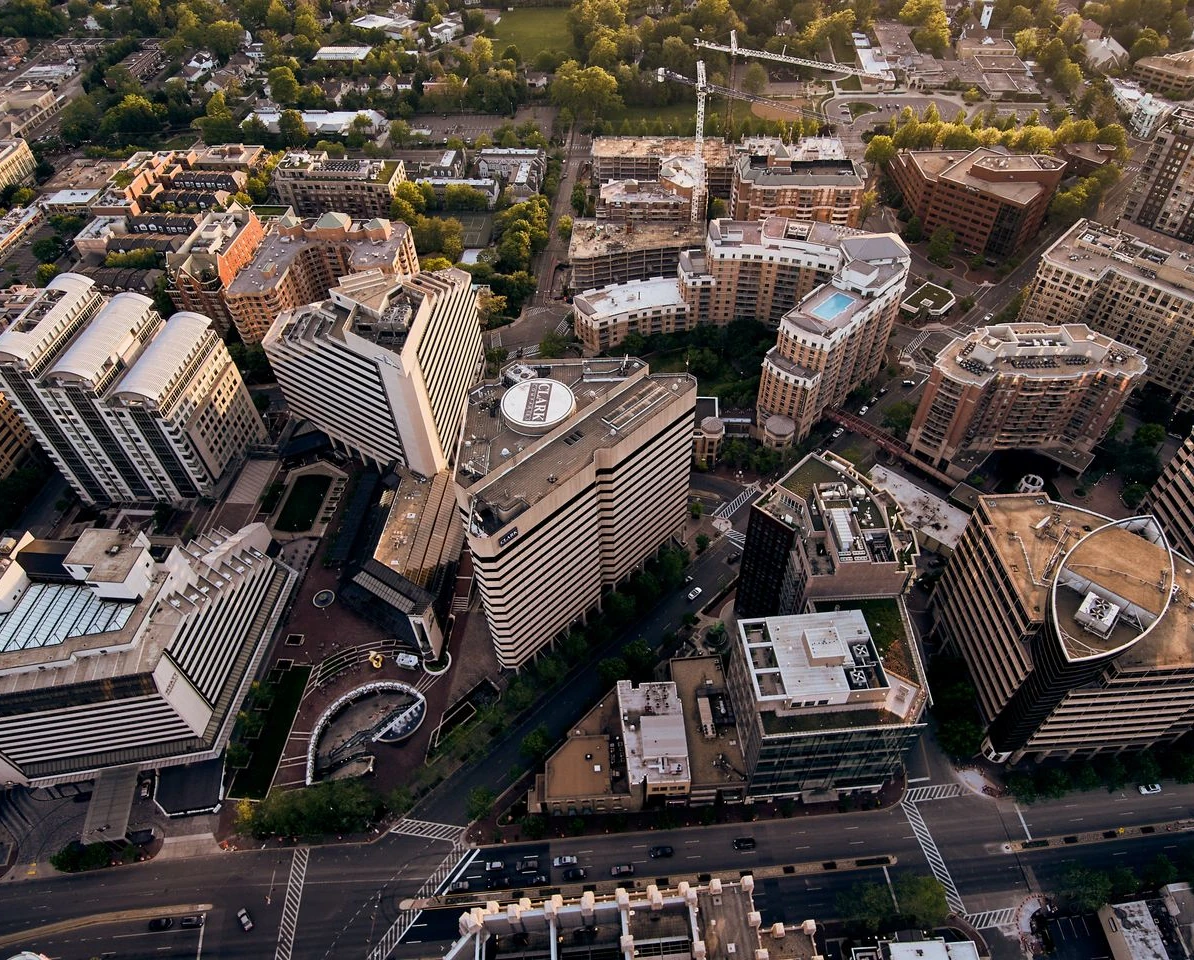

Professional IQ testing in Arlington – whether you need an assessment for school, employment, gifted program eligibility, or personal insight, we connect you with licensed psychologists in the Arlington area.
Last Updated: September 2026
Child IQ Testing
WISC-V & Stanford-Binet for ages 6–16. Gifted identification, learning profiles.
Adult IQ Testing
WAIS-IV & WAIS-5 available. Comprehensive adult cognitive assessments. Clinical & occupational.
WISC-V Test
Wechsler Intelligence Scale for Children® Fifth Edition – the gold standard for child IQ testing.
WAIS-IV & WAIS-5 Tests
Wechsler Adult Intelligence Scale® – Fourth Edition (WAIS-IV) and Fifth Edition (WAIS-5) available for adult IQ testing.
Gifted Testing
Identify giftedness for school placement, enrichment, and talent programs using WISC-V or Stanford-Binet.
Stanford-Binet 5
Stanford-Binet Intelligence Scales Fifth Edition – comprehensive cognitive assessment for all ages.
Mensa Testing
Mensa admission testing and preparation for the high-IQ society. Accepts WAIS-IV, WAIS-5, and Stanford-Binet 5 scores.
Full Evaluation
Combined assessment with detailed report and recommendations. Includes WISC-V, WAIS-IV, WAIS-5, or Stanford-Binet 5 as appropriate.
IQ Testing in Arlington: city context
Arlington sits between Dallas and Fort Worth in the center of the Dallas–Fort Worth metroplex. It combines a large residential population with the University of Texas at Arlington, major healthcare facilities, advanced manufacturing, professional sports, theme parks, hospitality, logistics, and a growing aerospace and technology presence.
Professional IQ testing in Arlington serves children, adolescents, adults, multilingual households, university students, professionals, and families seeking clearer information for gifted identification, school placement, accommodations, diagnostic clarification, career planning, graduate preparation, Mensa evidence, or personal understanding.
Gender, age and demographic statistics
- Population: The U.S. Census Bureau estimates 402,134 Arlington residents as of July 1, 2025.
- Population change: The 2025 estimate is 2.0% above the April 2020 estimates base.
- Land area: Arlington covers 95.87 square miles.
- Population density: The 2020 Census reported approximately 4,112.7 residents per square mile.
- Children: Residents under age 18 account for 24.8%, supporting substantial demand for child, gifted, learning, and school-placement evaluations.
- Young children: Children under age five account for 6.1% of the population.
- Older adults: Residents age 65 and older account for 12.0%, creating referral needs involving memory, neurological conditions, capacity, and later-life cognitive change.
- Gender: Female residents account for 50.7% of the city population; testing interpretation uses age-based norms and does not assume that gender determines intelligence.
- Hispanic or Latino residents: 32.2% of residents identify as Hispanic or Latino.
- Black residents: 22.7% identify as Black alone.
- Asian residents: 7.4% identify as Asian alone.
- Foreign-born residents: 22.2% of residents are foreign born.
- Language: 36.3% of people age five and older speak a language other than English at home, making language history and interpreter planning important parts of responsible assessment.
- Veterans: Census estimates report 15,721 veterans, relevant to referrals involving service-related injuries, disability documentation, education, and career transitions.
- Important interpretation point: City demographic percentages describe Arlington’s population; they do not establish separate local IQ averages for women, men, racial groups, language groups, or neighborhoods.
What is professional IQ testing?
Intelligence quotient (IQ) testing is a standardized method to measure human cognitive abilities and intellectual potential. Professional IQ tests are administered by licensed psychologists in a controlled environment to ensure accuracy and reliability. Unlike online quizzes, clinical assessments provide a full-scale IQ score along with detailed breakdowns of verbal comprehension, perceptual reasoning, working memory, and processing speed.
In Arlington, IQ testing is commonly used for gifted program admission, learning disability identification, career guidance, neuropsychological evaluation, and personal development. The results are presented in a comprehensive report that includes normative comparisons, strengths and weaknesses, and actionable recommendations.
Who should get tested?
IQ testing can benefit children, adolescents, and adults in various situations:
- Children: Parents often seek testing for school readiness, gifted placement, or to understand learning challenges.
- Adults: Many adults take IQ tests for career advancement, graduate school applications, or personal curiosity.
- Mensa candidates: High-IQ societies require official test scores for membership.
- Clinical referrals: Psychologists may recommend testing as part of a broader neuropsychological evaluation.
Types of IQ tests
We offer the most recognized and scientifically validated intelligence tests in the field:
- WISC-V (Wechsler Intelligence Scale for Children® – Fifth Edition): The gold standard for children aged 6:0–16:11. It provides a Full-Scale IQ and five primary index scores.
- WAIS-IV (Wechsler Adult Intelligence Scale® – Fourth Edition): The most widely used adult IQ test for ages 16–90. It measures cognitive functioning across four domains.
- Stanford-Binet Intelligence Scales – Fifth Edition: A comprehensive assessment for ages 2–85, often used for gifted identification and clinical evaluations.
- Gifted Testing: Often includes the WISC-V or Stanford-Binet, plus additional creativity and achievement measures.
- Mensa Testing: We provide official Mensa admission testing and preparation materials.
How the testing process works
- Initial consultation: Brief phone or video call to discuss your needs and match you with the right psychologist.
- Testing session: In-person or remote testing (depending on the test) with a licensed psychologist. Most sessions last 1–2 hours.
- Scoring and interpretation: The psychologist scores the test and interprets the results in the context of your background and goals.
- Feedback session: A detailed review of your results, including strengths, weaknesses, and practical recommendations.
- Comprehensive report: You receive a written report with all scores, normative comparisons, and actionable next steps.
How much does IQ testing cost in Arlington?
The cost of IQ testing in Arlington varies depending on the type of test, the psychologist's experience, and whether a comprehensive report is required. Typical fees range from $200 to $1,200 for a full assessment. Gifted testing and Mensa admission testing are often at the lower end, while neuropsychological evaluations may be higher.
Some insurance plans cover IQ testing when it's deemed medically necessary. We recommend checking with your provider for details. We also offer affordable payment plans and sliding-scale options for qualifying individuals.
An online IQ test offers Arlington residents a convenient way to explore reasoning questions, whereas school placement, accommodations, or clinical decisions require professionally administered testing.
Arlington's Intellectual History & Legacy
- Rail and regional location: Arlington developed between Dallas and Fort Worth and grew through transportation, manufacturing, education, and suburban expansion.
- UT Arlington: The University of Texas at Arlington is a Carnegie Research 1 university with 42,710 students in fall 2025, more than 180 degree programs, major engineering and health-science activity, and the North Texas Genome Center.
- Public education: Arlington ISD operates advanced academics, gifted and talented services, AP, IB, dual-credit, early-college, STEM, fine-arts, and career-and-technical pathways.
- American Mensa history: American Mensa’s headquarters moved from Brooklyn to Arlington during the organization’s development; the national office is now in nearby Hurst.
- Automotive manufacturing: General Motors Arlington Assembly anchors a long-standing advanced-manufacturing base involving robotics, quality control, engineering, logistics, and skilled trades.
- Sports and venue operations: AT&T Stadium, Globe Life Field, Choctaw Stadium, and major events create complex work in engineering, analytics, broadcasting, medicine, security, hospitality, and operations.
- Aerospace growth: Arlington Municipal Airport and the E-Space headquarters and manufacturing project strengthen local aerospace, satellite, electronics, and high-technology research activity.
- Healthcare: Texas Health Arlington Memorial, Medical City Arlington, rehabilitation providers, and regional pediatric and academic centers support clinical training and cognitive-health referrals.
- Libraries and museums: Arlington Public Library, the Arlington Museum of Art, the National Medal of Honor Museum, UTA programs, and cultural organizations support public learning and lifelong education.
- International community: Arlington’s multilingual and immigrant communities strengthen the need for culturally and linguistically responsible assessment practices.
Top Employers in Arlington Requiring Cognitive Skills
- Arlington Independent School District: Educators, diagnosticians, school psychologists, counselors, administrators, technology teams, and advanced-academic specialists serve a large and diverse student population.
- The University of Texas at Arlington: Faculty, researchers, engineers, clinicians, data specialists, administrators, and student-support staff work across nine schools and colleges.
- General Motors Arlington Assembly: Manufacturing, robotics, controls, maintenance, quality, engineering, safety, and logistics roles require technical reasoning and rapid problem solving.
- Texas Health Arlington Memorial Hospital: Clinical care, stroke response, imaging, rehabilitation, informatics, nursing, and hospital operations require sustained judgment.
- Medical City Arlington: The 493-bed hospital employs clinicians, nurses, therapists, technicians, analysts, and administrators across trauma, neuroscience, rehabilitation, cardiac, and women’s services.
- City of Arlington: Municipal work includes engineering, planning, libraries, public safety, information technology, aviation, transportation, finance, parks, and community services.
- Texas Rangers and Globe Life Field: Operations include analytics, sports medicine, broadcasting, finance, technology, security, guest services, and facility management.
- Dallas Cowboys and AT&T Stadium: Stadium and team operations use complex skills in event logistics, media, analytics, engineering, security, and hospitality.
- Six Flags Over Texas and Hurricane Harbor: Theme-park work includes engineering, ride maintenance, safety, entertainment, operations, food service, marketing, and seasonal workforce management.
- Loews Arlington Hotel and Convention Center: Convention, hospitality, event technology, culinary, sales, and operations teams support the Entertainment District.
- Texas Health Resources and regional healthcare networks: Arlington residents work across North Texas in clinical, insurance, analytics, research, and technology roles.
- DFW-area aerospace and defense employers: Bell, Lockheed Martin, E-Space, and suppliers support engineering, software, systems, avionics, cybersecurity, and manufacturing careers.
- Logistics and distribution employers: I-20, I-30, SH 360, nearby DFW Airport, and regional rail support warehousing, transportation, supply-chain, and fleet-management work.
- Important limitation: Employers generally do not require clinical IQ scores for routine hiring. Employment testing differs from psychological evaluation and must comply with applicable law.
Arlington IQ Testing by Neighborhood
- Downtown Arlington: Central access to UTA, libraries, restaurants, arts venues, and Arlington On-Demand makes downtown convenient for students and adults.
- Central Arlington: Established neighborhoods near UTA, Division Street, and Cooper Street offer access to schools, medical offices, and city services.
- North Arlington: Neighborhoods near River Legacy Parks, the Entertainment District, and I-30 have convenient access to Texas Health Arlington Memorial and regional highways.
- Entertainment District: AT&T Stadium, Globe Life Field, Six Flags, hotels, and event traffic require families to plan testing appointments around major games and conventions.
- East Arlington: Communities near SH 360 and Grand Prairie connect efficiently to DFW Airport and eastern Metroplex providers.
- South Arlington: Rapidly growing neighborhoods near I-20, Matlock Road, Medical City Arlington, and Arlington Highlands serve many families and professionals.
- Southeast Arlington: Residents near Tarrant County College Southeast Campus and Mansfield ISD boundaries may compare district, college, and private assessment requirements.
- Southwest Arlington: Lake Arlington, established subdivisions, and access toward Fort Worth and Mansfield support school and clinical referrals across multiple systems.
- Viridian: The master-planned community in north Arlington has access to River Legacy trails, SH 360, CentrePort, and regional employment centers.
- Interlochen: This west Arlington neighborhood is known for mature trees, distinctive canals, and access to I-30 and central-city services.
- Pantego and Dalworthington Gardens: These independent municipalities are surrounded by Arlington and share nearby schools, medical resources, and transportation corridors.
- Accessibility note: Provider proximity should be balanced with examiner qualifications, test version, language competence, report requirements, and whether the receiving institution accepts the evaluation.
Arlington Universities and Research Institutions
- The University of Texas at Arlington: UTA enrolled 42,710 students in fall 2025, including 10,312 graduate students, and offers more than 180 degree programs across nine schools and colleges.
- UTA Research 1 status: Carnegie’s Very High Research Activity designation reflects substantial work in engineering, health, nursing, data science, social science, education, and public policy.
- North Texas Genome Center: UTA’s genome center supports high-throughput sequencing for health, biology, and biotechnology research.
- Science & Engineering Innovation & Research building: UTA’s interdisciplinary facility supports health-science and engineering research.
- UTA Smart Hospital: Simulation-based nursing and healthcare education provides structured clinical learning environments.
- Tarrant County College Southeast Campus: TCC provides transfer, technical, health, public-safety, business, and workforce pathways in southeast Arlington.
- Arlington Baptist University: The institution offers undergraduate and graduate programs in a small private-university setting.
- Texas Christian University: Fort Worth provides nearby graduate and professional pathways in psychology, education, science, business, and health-related fields.
- University of North Texas Health Science Center: Fort Worth’s academic health center supports medicine, public health, pharmacy, physical therapy, and biomedical research.
- Dallas–Fort Worth research network: UT Southwestern, UNT, SMU, Texas Wesleyan, and regional hospitals expand options for research collaboration and specialized clinical training.
Arlington Economic Context
- Median household income: $75,171 in 2020–2024 Census estimates.
- Per-capita income: $36,148.
- Residents in poverty: 12.9%.
- Bachelor’s degree or higher: 32.6% of adults age 25 and older.
- High-school completion: 85.6% of adults age 25 and older are high-school graduates or higher.
- Mean travel time to work: 26.6 minutes, though event traffic and cross-Metroplex travel can be substantially longer.
- Labor-force participation: 70.3% of residents age 16 and older participate in the civilian labor force.
- Female labor-force participation: 64.2%.
- Healthcare and social assistance: Census business data report approximately $3.16 billion in 2022 receipts/revenue.
- Transportation and warehousing: Approximately $848.2 million in 2022 receipts/revenue.
- Retail sales: Approximately $8.13 billion in 2022, or $20,605 per capita.
- Accommodation and food services: Approximately $1.57 billion in 2022 sales, reflecting Arlington’s major visitor and event economy.
- Housing: The owner-occupied housing rate is 54.3%; the median owner-occupied home value is $304,700 and median gross rent is $1,470.
- Regional strengths: Education, healthcare, automotive manufacturing, aerospace, professional sports, tourism, hospitality, logistics, retail, construction, government, and business services.
Arlington School District Data
- Arlington ISD: The district provides gifted and talented services, Advanced Placement, International Baccalaureate, dual credit, early-college programs, STEM pathways, fine arts, and career-and-technical education.
- Gifted identification: Students may be referred at any time, with formal assessment scheduled at least annually and decisions based on multiple qualitative and quantitative sources.
- Universal screening: Arlington ISD universally screens kindergarten students and also screens second- and fourth-grade students.
- Minimum evidence: Students in grades K–12 who meet at least three criteria may be considered; a trained campus committee reviews the body of evidence.
- Elementary services: GT lead teachers, trained classroom teachers, cluster grouping, pull-out enrichment, interdisciplinary curriculum, research, communication, and creative-thinking activities are available in grades 1–6.
- Secondary services: Differentiated instruction, advanced and AP courses, IB, acceleration, dual credit, STEM Academy, early-college, UIL, and Academic Decathlon pathways are available.
- Mansfield ISD: Portions of south Arlington are served by Mansfield ISD, so families must verify the policies of their child’s actual campus and district.
- HEB, Kennedale, and neighboring districts: Metroplex boundaries and transfer arrangements can affect which school system reviews outside testing.
- Private schools: Independent schools set their own admissions and placement rules and may request cognitive, achievement, readiness, or school-record information.
- Testing limitation: A private IQ score does not guarantee gifted placement, transfer approval, accommodations, or admission; the receiving school makes the final decision.
Local Testing Centers and Psychologists
- Independent licensed psychologists: Private practices in Arlington, Mansfield, Grand Prairie, Fort Worth, and Dallas may offer WISC-V, WAIS-IV, WAIS-5, Stanford-Binet, achievement, ADHD, autism, and full psychoeducational evaluations.
- Texas Health Arlington Memorial: The hospital provides acute care, stroke services, rehabilitation, behavioral-health connections, and referrals for cognitive concerns requiring medical evaluation.
- Medical City Arlington: The 493-bed hospital offers neuroscience, trauma, rehabilitation, imaging, and related medical services; clinical IQ testing may require referral to an affiliated psychologist or neuropsychologist.
- Cook Children’s Medical Center: Fort Worth provides regional pediatric specialty care and neuropsychology resources for medically complex children.
- UT Southwestern and Children’s Health: Dallas academic medical services provide specialized neurological, developmental, and pediatric evaluation options.
- MHMR of Tarrant County: Community behavioral-health and developmental-disability services may help families locate appropriate assessment pathways.
- School evaluations: Arlington ISD and neighboring districts conduct evaluations for educational eligibility; school evaluations differ in scope and purpose from private clinical testing.
- UTA training and referral resources: University departments and student services may provide counseling, disability, research, or community referral information rather than routine public IQ testing.
- Provider verification: Confirm Texas licensure, the exact test edition, age range, language competence, report turnaround, fees, and whether the intended school, employer, court, or organization accepts the results.
Arlington Events and Conferences
- UTA academic events: Lectures, research symposia, engineering showcases, health-science events, and student conferences bring academic activity into central Arlington.
- AT&T Stadium: Cowboys games, concerts, international soccer, and large special events can create major road closures and appointment delays around I-30 and the Entertainment District.
- Globe Life Field: Texas Rangers games, concerts, and conventions affect traffic on Stadium Drive, Ballpark Way, Collins Street, and nearby roads.
- FIFA World Cup 2026: Arlington match days involve coordinated regional transportation plans and restricted pickup/drop-off zones near the stadium district.
- National Medal of Honor Museum: Programs and events add a major educational and civic institution to the Entertainment District.
- Esports Stadium Arlington: Gaming, technology, and convention events draw visitors and professionals in digital media and competition operations.
- Arlington ISD events: Academic competitions, fine-arts performances, graduations, athletics, and parent meetings can affect student schedules.
- Six Flags and Hurricane Harbor: Seasonal attendance increases traffic and hotel demand, particularly during summer, holidays, and school breaks.
- Scheduling advice: Check the city and venue calendars before selecting a testing appointment in the Entertainment District or near major highway interchanges.
Transportation and Accessibility
- Major roads: Interstate 30 crosses north Arlington; Interstate 20 crosses south Arlington; State Highway 360 runs north–south; US 287 serves southwest Arlington; Cooper Street, Collins Street, Division Street, Abram Street, Matlock Road, and Green Oaks Boulevard are major local corridors.
- Public transit: Arlington On-Demand, operated through Via, provides citywide shared rides and service to the Trinity Railway Express CentrePort/DFW Airport Station.
- On-demand scheduling: Riders use the Arlington Transportation app or telephone booking; pickup and drop-off points may be a short walk from the requested address.
- Paratransit: Handitran provides demand-response, door-to-door rideshare service for eligible residents age 65 and older and people with disabilities.
- Regional rail: TRE CentrePort/DFW Airport Station connects toward Fort Worth and Dallas; Arlington On-Demand provides the city connection.
- Airport: Dallas Fort Worth International Airport is the primary commercial airport and offers extensive domestic and international service.
- Municipal airport: Arlington Municipal Airport (GKY) is a general-aviation reliever airport south of I-20 serving corporate, cargo, recreational, and aviation businesses.
- Other airports: Dallas Love Field provides additional commercial service; Fort Worth Meacham and other regional airports serve general aviation.
- Distance to other cities: About 15 miles to downtown Fort Worth, about 20 miles to downtown Dallas, roughly 18 miles to DFW Airport, and approximately 35–45 miles to Denton depending on route.
- Walkability: Downtown Arlington, the UTA campus, Urban Union, and parts of the Entertainment District are the most walkable clusters, while many residential areas require a vehicle or on-demand ride.
- Bike infrastructure: Arlington maintains on-street bicycle routes and trail connections, with River Legacy Parks providing a major recreational trail network.
- Event traffic: Stadium events can close streets, restrict rideshare zones, and substantially increase travel time near I-30, Collins Street, and Ballpark Way.
- Accessibility planning: Ask the testing office about accessible entrances, elevators, parking, sensory needs, service animals, and breaks before the appointment.
- Appointment buffer: Allow extra time during rush hours, construction, school arrival and dismissal, severe weather, and major sports or concert events.
Arlington Weather and Seasonal Considerations
- Summer heat: North Texas summers frequently bring high temperatures and heat indexes; dehydration, fatigue, and prolonged outdoor travel can affect concentration.
- Severe thunderstorms: Spring and fall storms may bring lightning, hail, damaging winds, flash flooding, and short-notice travel disruption.
- Tornado risk: Arlington is within a region where tornado watches and warnings occur; testing should be rescheduled when travel or shelter conditions are unsafe.
- Winter weather: Ice and occasional snow can create major driving hazards because bridges and elevated roads freeze quickly.
- Allergies and air quality: Cedar, grass, mold, ozone, and pollution can affect sleep, headaches, breathing, and sustained attention.
- School calendar: Testing demand often increases before gifted deadlines, private-school admissions, college accommodations, and fall enrollment.
- Sports and tourism seasons: Cowboys, Rangers, concerts, Six Flags, and convention schedules can change traffic patterns near testing offices.
- Testing conditions: Arrive rested, hydrated, fed, and with usual prescribed medications unless the evaluator gives different clinical instructions.
- Rescheduling: A severe-weather delay or illness is preferable to completing a high-stakes cognitive test under unsafe or invalidating conditions.
Areas we serve
Appointments are available throughout the city and nearby parts of the Dallas–Fort Worth area, subject to provider availability and the assessment required.
Frequently Asked Questions
WISC-V is for children aged 6–16, while WAIS-IV is for adults aged 16–90. Each is normed for its specific age group.
Most IQ tests take between 60 and 90 minutes, plus a feedback session. Allow 2–3 hours total.
No, you can book directly with our psychologists. We serve both self-referred and professionally referred individuals.
Some professionally administered scores may be submitted as prior evidence, but acceptance is determined solely by American Mensa under its current rules.
Some plans cover cognitive assessments when there is a clinical indication. Check with your provider.
Get a good night's sleep, eat a healthy meal, and arrive relaxed. No specific preparation is needed.
You'll receive a comprehensive report with your scores and tailored recommendations.
Interviews and feedback may be available remotely, but many standardized cognitive tests require controlled administration and may need an in-person appointment. Contact us for details.