
IQ Testing in Camden
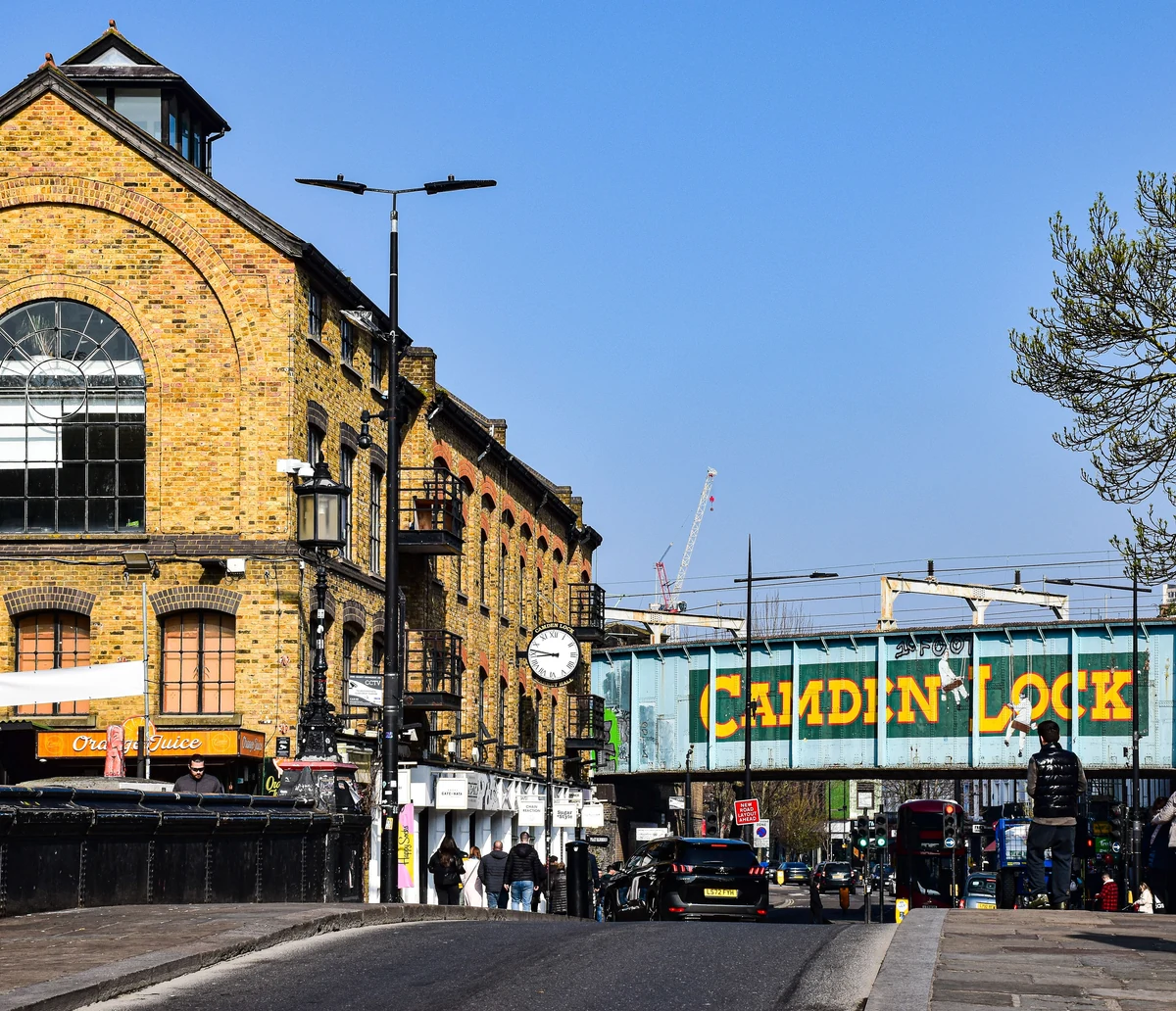

Professional IQ testing in Camden – whether you need an assessment for school, employment, advanced-learning provision eligibility, or personal insight, we connect you with HCPC-registered psychologists in the Camden area.
Last Updated: October 2026
Child IQ Testing
WISC-V & Stanford-Binet for ages 6–16. Gifted identification, learning profiles.
Adult IQ Testing
WAIS assessment options vary by provider. Adult cognitive assessment information; confirm local scope and referral route.
WISC-V Test
WISC-V provides an age-normed child cognitive profile across several reasoning and processing domains and is widely used in educational and clinical assessment.
WAIS-IV & WAIS-5 Tests
Wechsler Adult Intelligence Scale® – Fourth Edition (WAIS-IV) and Fifth Edition (WAIS-5) available for adult IQ testing.
Gifted Testing
Identify giftedness for school placement, enrichment, and talent programmes using WISC-V or Stanford-Binet.
Stanford-Binet 5
Stanford-Binet Intelligence Scales Fifth Edition – comprehensive cognitive assessment for all ages.
Mensa Testing
Mensa admission testing and preparation for the high-IQ society. Accepts WAIS-IV, WAIS-5, and Stanford-Binet 5 scores.
Full Evaluation
Combined assessment with detailed report and recommendations. Includes WISC-V, WAIS-IV, WAIS-5, or Stanford-Binet 5 as appropriate.
IQ Testing in Camden: city context
London Borough of Camden covers approximately 8.4 square miles of land. The population figure supplied for this location is 216,045, with a listed growth figure of -0.21%. This page uses the London Borough of Camden boundary consistently for demographic, education, transport and service context.
Current demographic context uses the 2021 Census broad ethnic-group profile. These figures help frame language, migration, schooling and equitable access to assessment; they are not evidence that any ethnic group, sex or gender has a particular IQ.
IQ by gender & ethnicity
Sex profile: approximately 51.0% female and 49.0% male. Contemporary Wechsler and Stanford–Binet interpretation uses age-referenced norms rather than a local male-versus-female adjustment. There is no authoritative London Borough of Camden dataset establishing a meaningful IQ difference by sex or gender.
Relevant demographic and educational context includes:
- White residents: about 59.5%
- Asian residents: about 18.1%
- Black residents: about 9.0%
- Mixed ethnic groups: about 6.6%
- Other ethnic groups: about 6.8%
- Geographic context: London Borough of Camden sits within London, while residents may have educational and language histories from elsewhere in the UK or overseas.
For residents of every age, interpretation should integrate language history, education, health, disability, neurodevelopment, emotional state and the exact purpose of the referral. Demographic statistics should guide accessible service planning, never predictions about an individual score.
What is professional IQ testing?
Intelligence quotient (IQ) testing is a standardised method to measure human cognitive abilities and intellectual potential. Professional IQ tests are administered by HCPC-registered psychologists in a controlled environment to ensure accuracy and reliability. Unlike online quizzes, clinical assessments provide a full-scale IQ score along with detailed breakdowns of verbal comprehension, perceptual reasoning, working memory, and processing speed.
In Camden, IQ testing is commonly used for advanced-learning provision admission, learning disability identification, career guidance, neuropsychological evaluation, and personal development. The results are presented in a comprehensive report that includes normative comparisons, strengths and weaknesses, and actionable recommendations.
Who should get tested?
IQ testing can benefit children, adolescents, and adults in various situations:
- Children: Parents often seek testing for school readiness, gifted placement, or to understand learning challenges.
- Adults: Many adults take IQ tests for career advancement, graduate study applications, or personal curiosity.
- Mensa candidates: High-IQ societies require official test scores for membership.
- Clinical referrals: Psychologists may recommend testing as part of a broader neuropsychological evaluation.
Types of IQ tests
We offer the most recognized and scientifically validated intelligence tests in the field:
- WISC-V (Wechsler Intelligence Scale for Children® – Fifth Edition): The gold standard for children aged 6:0–16:11. It provides a Full-Scale IQ and five primary index scores.
- WAIS-IV (Wechsler Adult Intelligence Scale® – Fourth Edition): The most widely used adult IQ test for ages 16–90. It measures cognitive functioning across four domains.
- Stanford-Binet Intelligence Scales – Fifth Edition: A comprehensive assessment for ages 2–85, often used for gifted identification and clinical evaluations.
- Gifted Testing: Often includes the WISC-V or Stanford-Binet, plus additional creativity and achievement measures.
- Mensa Testing: We explain British Mensa’s supervised-testing and prior-evidence pathways, including when a professionally administered cognitive report may be relevant.
How the testing process works
- Initial consultation: Brief phone or video call to discuss your needs and match you with the right psychologist.
- Testing session: In-person or remote testing (depending on the test) with a HCPC-registered psychologist. Most sessions last 1–2 hours.
- Scoring and interpretation: The psychologist scores the test and interprets the results in the context of your background and goals.
- Feedback session: A detailed review of your results, including strengths, weaknesses, and practical recommendations.
- Comprehensive report: You receive a written report with all scores, normative comparisons, and actionable next steps.
How much does IQ testing cost in Camden?
Private IQ assessment prices in Camden vary according to the psychologist’s professional registration, test battery, age of the client, complexity of the referral question and the amount of written interpretation required. As a practical UK planning range, a focused standardised cognitive assessment may often fall around £450–£900, while a broader psychoeducational or neuropsychological evaluation can be £900–£2,000+. These are planning ranges, not quotes from the local contact.
Ask what is included: testing time, scoring, feedback, report length, school or workplace recommendations and follow-up calls may be priced differently. Check the receiving organisation first: schools, universities, employers, examination bodies and high-IQ societies can impose different rules about accepted tests, editions, recency and examiner credentials.
NHS or council pathways: publicly funded psychological assessment is normally based on clinical or educational need and referral criteria rather than a consumer request for an IQ number. VAT and cancellation terms: confirm the final written fee, deposit, cancellation policy and any charge for additional letters before the appointment.
Camden's Intellectual History & Legacy
Camden contains Bloomsbury’s university and publishing heritage, the British Museum, major hospitals, rail termini and the evolving King’s Cross Knowledge Quarter, giving it an unusually dense intellectual and research history.
Modern local cognitive assessment belongs to evidence-based psychometrics: the relevant question is how a validated instrument helps explain an individual learning, clinical or occupational need, not whether a place has a special intelligence profile.
Top Employers in Camden and Cognitive Testing
London Borough of Camden has a varied employment base, and cognitive assessment may occasionally support career planning, neurodiversity understanding or workplace adjustments. Employer aptitude tests, however, are selection tools and are not interchangeable with an individually administered clinical IQ battery.
For a low-stakes introduction to reasoning questions before deciding whether professional assessment is necessary, an online IQ test can be used for informal practice, not diagnosis, school placement or clinical documentation.
- Major sectors: higher education and research, healthcare and life sciences, law and professional services, digital and creative industries, tourism and hospitality, retail and cultural institutions.
- Role relevance: recruitment assessments should measure capabilities genuinely connected to the job and be applied consistently under UK equality law.
- Reasonable adjustments: a psychologist can describe functional strengths and difficulties, but employers should not demand a global IQ score where a more specific evidence base is appropriate.
- Career interpretation: cognitive findings are strongest when combined with interests, values, qualifications, experience, health, training options and realistic local vacancies.
- Clinical distinction: WAIS, WISC and similar instruments answer clinical or educational questions under standardised conditions rather than predicting a person’s value at work.
Camden IQ Testing by Area
There is no credible neighbourhood-level IQ league table for London Borough of Camden. The useful local distinctions concern journey time, education and health pathways, transport accessibility and the location of specialist practitioners.
- Camden Town: Camden Town is a dense retail, music and visitor district with Underground and Overground access; weekend crowds can materially change walking times around the High Street and market.
- Hampstead: Hampstead has a more residential and village-like pattern with Northern line access and major healthcare nearby at the Royal Free Hospital.
- Bloomsbury: Bloomsbury is one of the UK’s most concentrated university, museum and hospital districts, so educational, research and clinical assessment contexts often overlap geographically.
- King’s Cross: King’s Cross combines major national and international rail terminals with the Knowledge Quarter and Central Saint Martins, making it exceptionally accessible but very busy.
- Kentish Town: Kentish Town has Underground, rail and bus connections across north London and a mixed residential-commercial character useful for local appointments.
- Holborn: Holborn lies beside the legal and professional core of central London; workplace assessment requests should distinguish occupational testing from clinical cognitive evaluation.
Camden Universities and Research Institutions
- Higher-education context: University College London in Bloomsbury.
- Additional local or regional route: Central Saint Martins, University of the Arts London at King’s Cross.
- Wider progression network: Birkbeck and the wider University of London academic cluster around Bloomsbury.
- Research distinction: Camden is one of the UK’s strongest research clusters, linking UCL, major teaching hospitals, the British Library, biomedical institutes and the wider King’s Cross Knowledge Quarter.
- Assessment use: university disability evidence, admissions decisions and research testing each have different rules, so a privately obtained IQ report should be commissioned only after the receiving institution confirms what it accepts.
- School-to-university transition: recommendations are more useful when they specify study strategies, access needs and functional supports rather than merely reporting a Full Scale IQ.
Camden Economic Context
- Population and land: the supplied population is 216,045 across approximately 8.4 square miles of land.
- Growth: the listed population-change figure is -0.21%.
- Economic structure: Camden has a very large daytime population because universities, hospitals, offices, visitor attractions and rail terminals draw people from across London and beyond.
- Employment mix: The Knowledge Quarter around King’s Cross and Bloomsbury concentrates research, higher education, life sciences, data, culture and innovation.
- Skills and education: UCLH, the Royal Free and Great Ormond Street make healthcare and biomedical activity central to the borough’s employment base.
- Connectivity: Law, professional services, creative industries, retail, hotels and the visitor economy add substantial diversity to local work.
- Household and access context: The borough also contains pronounced deprivation and housing-cost pressures despite high-value employment and property markets.
- Assessment relevance: International students, researchers and residents create a wide range of language and educational histories relevant to fair assessment.
- Equity principle: King’s Cross St Pancras and Euston provide exceptional regional access, but interchange complexity and peak crowding can affect test-day fatigue.
- Local opportunity: Economic productivity or educational concentration must not be used to infer the intelligence of any resident or neighbourhood.
Camden School and Education Data
- SEND and school-support framework: Camden schools, universities and health services provide a rich educational environment, but SEND, admissions and disability-support decisions each use their own evidence standards and should not be reduced to a single IQ figure.
- Examples of local schools: Camden School for Girls, Parliament Hill School, Haverstock School, William Ellis School, University College School, South Hampstead High School.
- High attainment: schools use curriculum evidence, teacher assessment and individual learning needs; there is no authority-wide rule that equates advanced learning with a single IQ cut-off.
- Cognitive assessment: testing can clarify a pattern of reasoning and processing, but it should sit alongside attainment, adaptive functioning, development, observations and relevant specialist evidence.
- Exam access arrangements: IQ alone does not establish entitlement; evidence must demonstrate the functional difficulty addressed by the requested arrangement.
- Admissions: grammar, independent, faith, academy and other schools can use different criteria, so families should check the current published policy before paying for private testing.
- Transition planning: a good report turns findings into concrete teaching, study, home or workplace strategies and identifies which recommendations are priorities.
Local Testing Centres and Psychologists
- Selected local assessment contact: The International Psychology Clinic.
- Telephone: 020 7183 6757; the number uses the local 020 geographic prefix required for this page.
- Address: The International Psychology Clinic within Ground Floor, 8 Hampstead West, 224 Iverson Road, London NW6 2HL.
- Why this contact was selected: the address is inside London Borough of Camden and the telephone number carries the local geographic prefix rather than a mobile or out-of-area code.
- Test-scope check: The clinic advertises cognitive assessment using WISC-V for children and WAIS for adults and operates a Camden clinic. Confirm that the required cognitive battery and report are scheduled at the Camden location rather than another London branch.
- Credentials: verify the named examiner’s HCPC registration where a protected practitioner-psychologist title is being used and ask about competence with the exact test edition.
- Report purpose: explain before booking whether the report is intended for school support, SEND, clinical clarification, workplace adjustment, Mensa evidence or personal understanding because the required battery can differ.
Camden Events and Conferences
- Academic and professional activity: The British Museum, British Library and Knowledge Quarter host extensive public lectures, exhibitions and research events.
- Cultural calendar: UCL and other Bloomsbury institutions run academic seminars, open days and professional conferences throughout the year.
- Education and family learning: Camden Market and the borough’s music venues generate major evening and weekend visitor flows.
- Travel impact: Central Saint Martins contributes exhibitions and creative-industry events at King’s Cross.
Transportation and Accessibility
- Network element 1: King’s Cross St Pancras and Euston national rail hubs.
- Network element 2: multiple Underground lines including Northern, Piccadilly, Victoria, Metropolitan, Hammersmith & City and Central connections across or beside the borough.
- Network element 3: London Overground and National Rail at Camden Road, Kentish Town and West Hampstead.
- Network element 4: dense bus, walking and cycle networks through central London.
- Test-day timing: choose an appointment that allows a settled arrival after school, work or a major interchange rather than scheduling immediately after a stressful journey.
- Accessibility: ask the venue about step-free access, accessible parking, lifts, quiet waiting space, interpreter arrangements, sensory needs and any other reasonable adjustments.
- Remote components: intake and feedback may sometimes be remote, but standardised cognitive instruments have publisher rules that can require controlled or in-person administration.
Camden Weather and Seasonal Considerations
- Local climate: Camden has central London’s mild urban climate, with heat-island effects in summer and heavy pedestrian or transport disruption during severe rain, strikes or major events.
- Testing environment: room temperature, lighting, noise, hydration and well-timed breaks matter more to score validity than the season itself.
- Journey check: review transport disruption and severe-weather conditions before setting out, particularly when an appointment requires several connections or a long cross-authority trip.
Areas we serve
We support all areas of Camden.
Frequently Asked Questions
A focused cognitive battery often requires roughly 60–120 minutes of direct testing, while a broader evaluation can take several sessions. The psychologist should give an estimate based on age, referral question and breaks.
Private psychologists may accept self-referrals, while council and NHS services usually have defined referral pathways. Ask The International Psychology Clinic which referral route and age range apply before relying on the service.
Possibly, but only if the exact test, edition, qualifying score, administration and documentation meet British Mensa’s current rules. Confirm those requirements before testing.
Some interviews and feedback can be remote, but many standardised cognitive tests have controlled-administration requirements. Use only a format permitted by the test publisher and accepted by the organisation receiving the report.
Prioritise normal sleep, food, prescribed medication as directed, glasses or hearing aids if used, and an unhurried arrival. Coaching on test items can undermine validity.
A good feedback session explains the score profile, limitations and practical implications. If a written report is needed, agree its intended audience and delivery date before the assessment.
WISC-V is for children aged 6–16, while WAIS-IV is for adults aged 16–90. Each is normed for its specific age group.
Most IQ tests take between 60 and 90 minutes, plus a feedback session. Allow 2–3 hours total.