
IQ Testing in Basingstoke and Deane
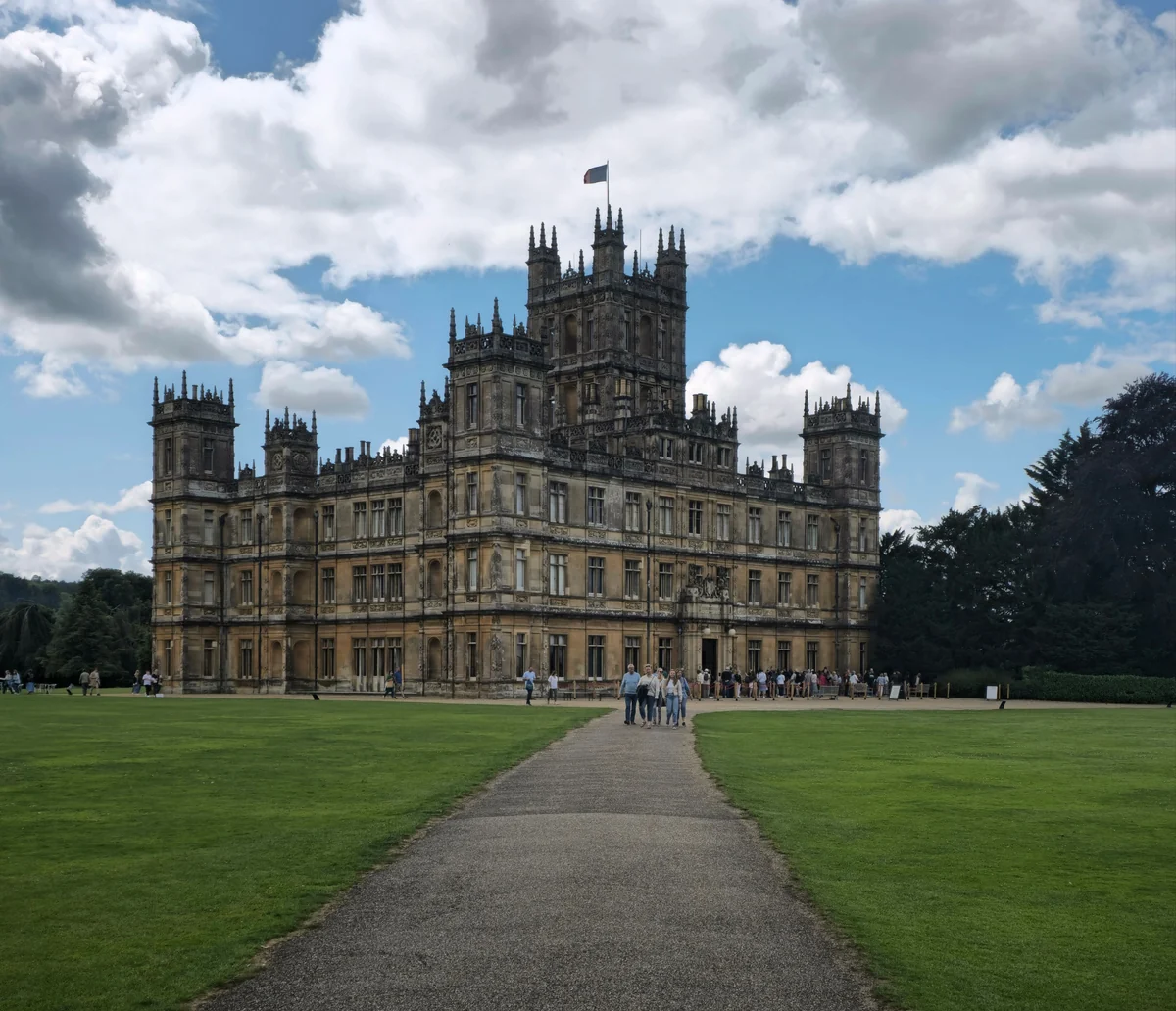

Professional IQ testing in Basingstoke and Deane – whether you need an assessment for school, employment, advanced-learning provision eligibility, or personal insight, we connect you with HCPC-registered psychologists in the Basingstoke and Deane area.
Last Updated: October 2026
Child IQ Testing
WISC-V & Stanford-Binet for ages 6–16. Gifted identification, learning profiles.
Adult IQ Testing
WAIS assessment options vary by provider. Adult cognitive assessment information; confirm local scope and referral route.
WISC-V Test
WISC-V provides an age-normed child cognitive profile across several reasoning and processing domains and is widely used in educational and clinical assessment.
WAIS-IV & WAIS-5 Tests
Wechsler Adult Intelligence Scale® – Fourth Edition (WAIS-IV) and Fifth Edition (WAIS-5) available for adult IQ testing.
Gifted Testing
Identify giftedness for school placement, enrichment, and talent programmes using WISC-V or Stanford-Binet.
Stanford-Binet 5
Stanford-Binet Intelligence Scales Fifth Edition – comprehensive cognitive assessment for all ages.
Mensa Testing
Mensa admission testing and preparation for the high-IQ society. Accepts WAIS-IV, WAIS-5, and Stanford-Binet 5 scores.
Full Evaluation
Combined assessment with detailed report and recommendations. Includes WISC-V, WAIS-IV, WAIS-5, or Stanford-Binet 5 as appropriate.
Basingstoke and Deane covers approximately 245.0 square miles of land; the supplied population is 196,925, with a growth figure of 0.98%. These figures use the Basingstoke and Deane Borough geography for local context.
IQ Testing in Basingstoke and Deane: city context
Current demographic context includes the following 2021 Census-based broad ethnic-group profile. The figures help an assessor think about language history, education, migration, cultural experience and equitable access; they are not evidence that any ethnic group, sex or gender has a particular level of intelligence.
IQ by gender & ethnicity (resident population)
Sex profile: approximately 50.5% female and 49.5% male in the 2021 Census profile. Modern Wechsler and Stanford–Binet interpretation relies on age-referenced norms rather than a local male-versus-female correction, and there is no authoritative Basingstoke and Deane-wide dataset showing a meaningful IQ difference by sex or gender.
- White residents: about 88.5%
- Asian residents: about 5.9%
- Mixed ethnic groups: about 2.5%
- Black residents: about 2.0%
- Other ethnic groups: about 1.1%
- Local interpretation context: Basingstoke and Deane sits in South East England; assessment histories can therefore include local schooling, mobility within the region, migration from elsewhere in the UK and international education or language backgrounds.
A qualified psychologist should interpret cognitive scores alongside first language, educational opportunity, disability, sensory or motor needs, neurodevelopmental history, physical and mental health, fatigue, medication and the exact purpose of the referral. Demographic statistics are context for fair assessment, not a shortcut to predicting an individual score.
What is professional IQ testing?
Intelligence quotient (IQ) testing is a standardised method to measure human cognitive abilities and intellectual potential. Professional IQ tests are administered by HCPC-registered psychologists in a controlled environment to ensure accuracy and reliability. Unlike online quizzes, clinical assessments provide a full-scale IQ score along with detailed breakdowns of verbal comprehension, perceptual reasoning, working memory, and processing speed.
In Basingstoke and Deane, IQ testing is commonly used for advanced-learning provision admission, learning disability identification, career guidance, neuropsychological evaluation, and personal development. The results are presented in a comprehensive report that includes normative comparisons, strengths and weaknesses, and actionable recommendations.
Who should get tested?
IQ testing can benefit children, adolescents, and adults in various situations:
- Children: Parents often seek testing for school readiness, gifted placement, or to understand learning challenges.
- Adults: Many adults take IQ tests for career advancement, graduate study applications, or personal curiosity.
- Mensa candidates: High-IQ societies require official test scores for membership.
- Clinical referrals: Psychologists may recommend testing as part of a broader neuropsychological evaluation.
Types of IQ tests
We offer the most recognized and scientifically validated intelligence tests in the field:
- WISC-V (Wechsler Intelligence Scale for Children® – Fifth Edition): The gold standard for children aged 6:0–16:11. It provides a Full-Scale IQ and five primary index scores.
- WAIS-IV (Wechsler Adult Intelligence Scale® – Fourth Edition): The most widely used adult IQ test for ages 16–90. It measures cognitive functioning across four domains.
- Stanford-Binet Intelligence Scales – Fifth Edition: A comprehensive assessment for ages 2–85, often used for gifted identification and clinical evaluations.
- Gifted Testing: Often includes the WISC-V or Stanford-Binet, plus additional creativity and achievement measures.
- Mensa Testing: We explain British Mensa’s supervised-testing and prior-evidence pathways, including when a professionally administered cognitive report may be relevant.
How the testing process works
- Initial consultation: Brief phone or video call to discuss your needs and match you with the right psychologist.
- Testing session: In-person or remote testing (depending on the test) with a HCPC-registered psychologist. Most sessions last 1–2 hours.
- Scoring and interpretation: The psychologist scores the test and interprets the results in the context of your background and goals.
- Feedback session: A detailed review of your results, including strengths, weaknesses, and practical recommendations.
- Comprehensive report: You receive a written report with all scores, normative comparisons, and actionable next steps.
How much does IQ testing cost in Basingstoke and Deane?
Private IQ assessment prices in Basingstoke and Deane vary according to the psychologist’s professional registration, test battery, age of the client, complexity of the referral question and the amount of written interpretation required. As a practical UK planning range, a focused standardised cognitive assessment may often fall around £450–£900, while a broader psychoeducational or neuropsychological evaluation can be £900–£2,000+. These are planning ranges, not quotes from the local contact.
Ask what is included: testing time, scoring, feedback, report length, school or workplace recommendations and follow-up calls may be priced differently. Check the receiving organisation first: schools, universities, employers, examination bodies and high-IQ societies can impose different rules about accepted tests, editions, recency and examiner credentials.
NHS or council pathways: publicly funded psychological assessment is normally based on clinical or educational need and referral criteria rather than a consumer request for an IQ number. VAT and cancellation terms: confirm the final written fee, deposit, cancellation policy and any charge for additional letters before the appointment.
Basingstoke and Deane's Intellectual History & Legacy
- Local intellectual legacy: Jane Austen, born at Steventon in what is now Basingstoke and Deane, whose novels became central to English literary culture.
- Local intellectual legacy: John Arlott, born in Basingstoke, renowned for distinctive cricket broadcasting, journalism and writing.
- Interpretation today: achievement by notable people connected with Basingstoke and Deane cannot be converted into a verified IQ score unless a valid, documented test result actually exists.
- Assessment principle: creativity, scientific insight, leadership and artistic accomplishment are broader than the constructs measured by an intelligence battery.
Top Employers in Basingstoke and Deane and Cognitive Testing
- Technology and digital businesses: Technical and scientific roles can place a premium on training, accuracy and problem solving; cognitive data are relevant only when tied to a legitimate career-guidance or disability question.
- Life sciences and healthcare-related employment: Project-based work may involve planning, collaboration and changing priorities, which are not captured by a single IQ score.
- Insurance, finance and professional services: Engineering and production settings combine learned expertise with spatial, numerical and procedural demands that should be considered against actual job tasks.
- Engineering and advanced manufacturing: Logistics work can involve time pressure, sequencing and safety-critical procedures; recruitment decisions should use validated job-relevant methods rather than clinical IQ testing.
- Logistics and distribution along the m3 corridor: Health and care roles depend heavily on professional competence, communication and judgement, so assessment should never be treated as an unsupported hiring screen.
- Retail, construction and public services: Professional and public-service work spans many occupations; any cognitive assessment should be interpreted alongside qualifications, experience and reasonable-adjustment needs.
Basingstoke and Deane IQ Testing by Area
- Basingstoke town centre — the borough’s main commercial, rail and public-service hub around Festival Place and the station. Central access: Central journeys can be compared against provider location and the timing needed to arrive settled for a standardised session.
- Chineham — a north-eastern residential and business district close to major technology and office employment. Local context: School records and referral history should be gathered before booking so the assessment answers a specific question rather than a postcode-based assumption.
- Old Basing and Lychpit — eastern communities with historic character and practical access to the A33 and town centre. Travel pattern: Rail, bus or car travel can influence appointment timing, particularly where a child or adult finds long journeys tiring.
- Hatch Warren and Beggarwood — large southern residential areas close to the M3 and local schools. Assessment planning: Families should check parking, accessibility and follow-up arrangements before choosing a provider on the other side of the authority.
- Tadley — a substantial northern town serving communities near the Berkshire boundary. Service geography: Where records sit across different schools, colleges or health services, consent and information-sharing should be organised in advance.
- Overton and Whitchurch — western market-town communities with rail links and a more rural assessment catchment. Practical consideration: The practical choice of assessment site should balance professional suitability with a journey that does not unnecessarily add fatigue or stress.
Because Basingstoke and Deane spans a large urban-and-rural borough, the practical value of an IQ test appointment also depends on choosing a provider, travel plan and report format that fit the client’s real purpose rather than simply the nearest postcode.
Basingstoke and Deane Universities and Research Institutions
- Basingstoke College of Technology: offers a local route into study or training and may have its own disability-evidence requirements for applicants and students.
- Queen Mary’s College: adds post-16 or specialist progression options; admissions evidence should be checked directly rather than inferred from a private IQ result.
- local apprenticeship and employer-training programmes: contributes to the local research, teaching or professional network and may signpost specialist academic support where appropriate.
- University of Winchester and other Hampshire higher-education networks within commuting reach: extends the area’s higher-education links; participation in research is different from receiving an individually interpreted clinical assessment.
- Research versus clinical practice: taking part in a university study is not the same as receiving an individually interpreted clinical or educational IQ report.
- Admissions and accommodations: applicants should obtain the receiving institution’s current evidence rules before paying for any cognitive assessment.
Basingstoke and Deane Economic Context
Economic context matters because education, occupation, health, transport and access to specialist services shape why people seek assessment and how recommendations can be implemented. It does not establish a local “average IQ.”
- Population base: 196,925 residents in the supplied estimate, with a growth figure of 0.98%.
- Land footprint: approximately 245.0 square miles, which affects how easily residents can reach centralised services.
- Technology and digital businesses: supports jobs with varied technical and communication demands and helps explain the range of career-related assessment questions seen locally.
- Life sciences and healthcare-related employment: creates training and reskilling pathways where a profile of strengths may occasionally inform guidance, but qualifications and performance evidence remain central.
- Insurance, finance and professional services: adds skilled and operational roles to the labour market, making it important to distinguish occupational aptitude from a clinical intelligence score.
- Engineering and advanced manufacturing: depends on coordination, safety and practical judgement that extend beyond the constructs measured by conventional IQ batteries.
- Logistics and distribution along the m3 corridor: contributes substantial people-facing employment, where communication, professional standards and emotional demands must be considered separately from cognitive scores.
- Regional position: Basingstoke and Deane forms part of South East England, so commuting and specialist referrals often extend beyond the local-authority boundary.
- Assessment implication: household resources, work schedules and transport can affect access to private assessment; publicly funded routes instead depend on clinical or educational need and service criteria.
Basingstoke and Deane School and Education Data
Education data should be interpreted at school and learner level rather than treating one borough-wide statistic as a proxy for cognitive ability.
- Local system: Basingstoke and Deane schools, academies, sixth forms, independent schools and specialist/SEND provision.
- Further and higher education: Basingstoke College of Technology, Queen Mary’s College, local apprenticeship and employer-training programmes contribute to post-16 progression and specialist learning opportunities.
- High attainment: UK schools do not use one universal IQ cutoff for advanced learning; teacher evidence, attainment, curriculum performance and individual needs remain important.
- SEND and access arrangements: cognitive testing may be relevant to a wider assessment, but an IQ result alone neither diagnoses a specific learning difficulty nor automatically grants exam adjustments.
- Language and culture: verbal scores should be interpreted in light of language exposure, schooling history and the suitability of UK norms.
- Report use: families should confirm the school, local authority, examination body or university evidence requirements before commissioning a private report.
Local Testing Centres and Psychologists
Local assessment contact: Assess You – Dr Dawn Thomas-Bawa, Chartered Clinical Psychologist, 2–4 Chequers Road, Basingstoke RG21 7PU, 01256 405460. This is a private psychology provider; confirm the psychologist who will conduct the work, current HCPC registration, the exact battery, total fee and whether the resulting report will be accepted for your intended purpose.
Before relying on this route for cognitive assessment, ask whether the service currently administers the exact age-appropriate instrument you need—such as WAIS, WISC, Stanford–Binet or another validated cognitive battery—and whether the report format meets the school, university, employer, legal body or high-IQ society receiving it. The contact is provided as a local starting point, not as a guarantee that every requested test is offered.
Basingstoke and Deane Events and Conferences
- The Anvil performance and conference programme: adds a major cultural or learning-focused date to the local calendar and may create busy travel conditions around central venues.
- Festival Place community and business events: brings together audiences around music, culture or community activity; it is an enrichment opportunity rather than a substitute for individual assessment.
- Basing House heritage programmes: provides a distinctive local programme that can broaden interests and participation without implying anything about measured intelligence.
- Bombay Sapphire Distillery events at Laverstoke Mill and borough-wide business networking: can help families or students discover education and skills routes, while formal cognitive testing remains appropriate only for a defined referral purpose.
- Psychology and SEND learning: regional professional workshops may be useful for families and practitioners, but attendance should not be confused with an individual clinical assessment.
- High-IQ societies: British Mensa events and qualification rules change over time; confirm current national requirements directly before arranging a test solely for membership.
Transportation and Accessibility
- M3 motorway access toward London and Southampton: is an important route for cross-authority journeys and should be factored into appointment timing at peak periods.
- Basingstoke mainline rail services to London Waterloo, Reading and the south coast: can make specialist services reachable without driving, although engineering works and missed connections warrant extra time on test days.
- A339 and A30 local strategic roads: supports local movement between residential areas, schools and town centres; route frequency should be checked for early or late appointments.
- rail stations at Overton and Whitchurch plus bus links across the borough: offers an alternative for shorter journeys where appropriate, but weather and accessibility needs may make another mode more suitable.
- Test-day timing: plan enough margin for disruption, parking, transfers and security or accessibility checks so standardised testing does not begin immediately after a stressful journey.
- Reasonable adjustments: confirm step-free access, accessible parking, interpreter needs, sensory requirements and other arrangements with the provider before the appointment.
- Remote components: history-taking or feedback may sometimes be online, but many cognitive instruments have controlled-administration rules that can require in-person testing.
Basingstoke and Deane Weather and Seasonal Considerations
- Climate: Basingstoke and Deane has a temperate UK climate; seasonal rain, winter darkness, heat episodes or high winds can change travel conditions without changing how IQ norms are interpreted.
- Room conditions: a quiet, comfortably lit and ventilated testing room, normal hydration and appropriate breaks matter more to validity than the season itself.
- Travel disruption: check rail engineering, strikes, road incidents and severe-weather warnings before a fixed in-person session, especially when crossing the authority from outlying communities.
Areas we serve
We support all areas of Basingstoke and Deane.
Frequently Asked Questions
A focused cognitive battery often requires roughly 60–120 minutes of direct testing, while a broader evaluation can take several sessions. The psychologist should give an estimate based on age, referral question and breaks.
Private psychologists may accept self-referrals, while council and NHS services usually have defined referral pathways. Ask Assess You – Dr Dawn Thomas-Bawa, Chartered Clinical Psychologist which referral route and age range apply before relying on the service.
Possibly, but only if the exact test, edition, qualifying score, administration and documentation meet British Mensa’s current rules. Confirm those requirements before testing.
Some interviews and feedback can be remote, but many standardised cognitive tests have controlled-administration requirements. Use only a format permitted by the test publisher and accepted by the organisation receiving the report.
Prioritise normal sleep, food, prescribed medication as directed, glasses or hearing aids if used, and an unhurried arrival. Coaching on test items can undermine validity.
A good feedback session explains the score profile, limitations and practical implications. If a written report is needed, agree its intended audience and delivery date before the assessment.
WISC-V is for children aged 6–16, while WAIS-IV is for adults aged 16–90. Each is normed for its specific age group.
Most IQ tests take between 60 and 90 minutes, plus a feedback session. Allow 2–3 hours total.