
Gifted Testing in Basildon
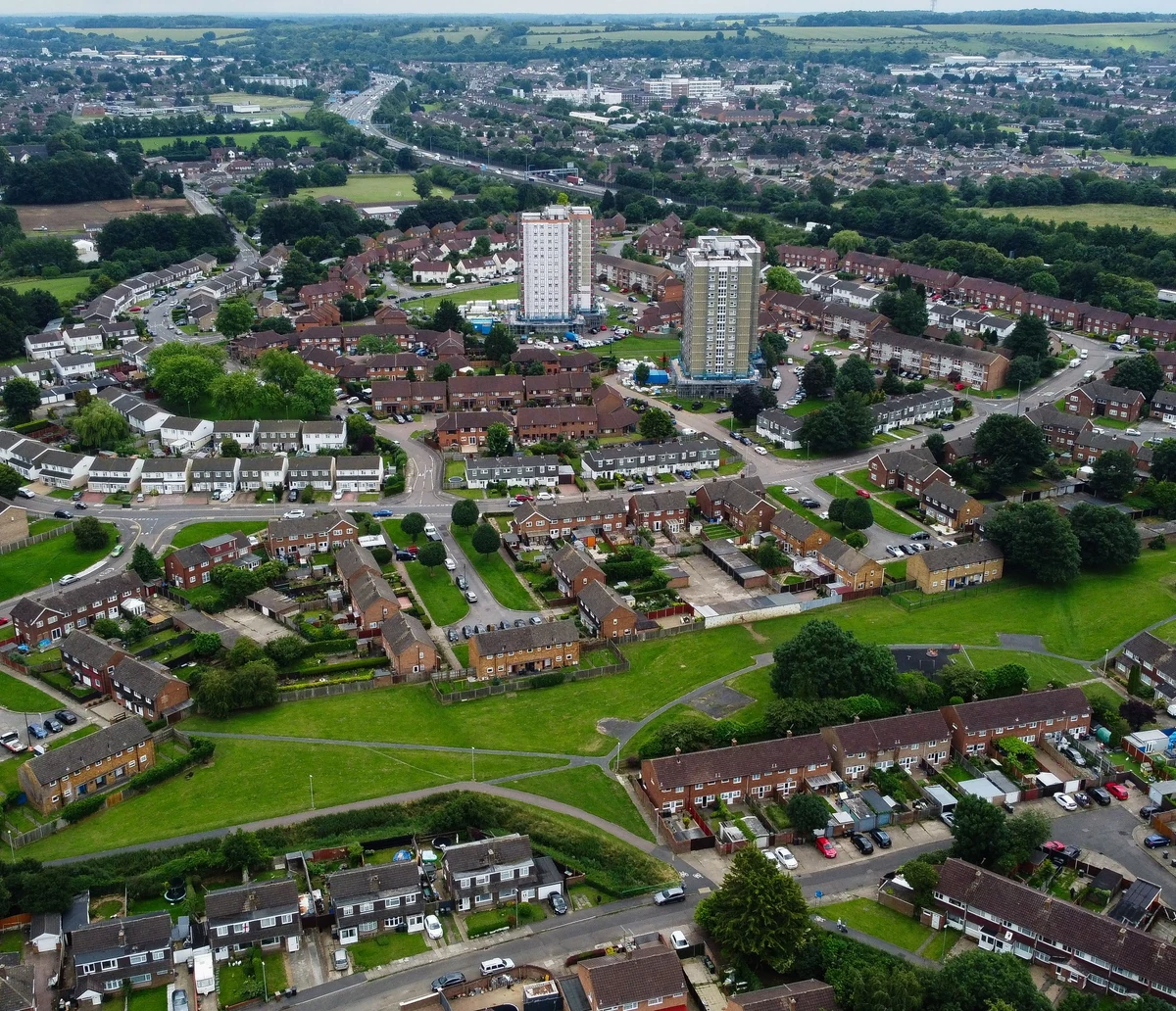

Professional gifted testing in Basildon – whether your child needs identification for school placement, enrichment programmes, or you're an adult seeking Mensa admission, we connect you with HCPC-registered psychologists who specialize in gifted assessment.
Last Updated: October 2026
Child Gifted Testing
WISC-V & Stanford-Binet 5 for ages 6–16. Gifted identification, school placement.
Adult Gifted Testing
WAIS assessment options vary by provider. Comprehensive assessments for adults seeking Mensa or career guidance.
WISC-V Test
Wechsler Intelligence Scale for Children® Fifth Edition – the gold standard for child gifted identification.
Stanford-Binet 5
Stanford-Binet Intelligence Scales Fifth Edition – comprehensive cognitive assessment for all ages, often used for gifted identification.
Mensa Testing
Mensa admission testing and preparation for the high-IQ society. Accepts WAIS-IV, WAIS-5, and Stanford-Binet 5 scores.
School Placement Testing
Testing for independent school admission and advanced-learning provision eligibility using WISC-V or Stanford-Binet 5.
Gifted Testing in Basildon: city context
Basildon covers approximately 42.5 square miles of land. The population figure supplied for this location is 196,141, with a growth figure of 0.65%. Local statistics and service references on this page are tailored to the Basildon Borough boundary rather than to a loosely defined surrounding region.
Current child and family demographic context is relevant to fair assessment because language exposure, migration history, schooling and access to services can shape the testing situation. Demographic percentages must never be used to predict an individual person’s IQ.
IQ by gender & ethnicity (child population)
Sex profile: published Census-based local figures are approximately 51.4% female and 48.6% male. Modern Wechsler and Stanford–Binet interpretation uses age-referenced norms; there is no valid Basildon-specific male-versus-female correction and no local demographic statistic should be converted into an expected cognitive score.
Relevant broad ethnic-group context includes:
- White residents: about 87.5%
- Asian residents: about 4.3%
- Black residents: about 4.8%
- Mixed ethnic groups: about 2.6%
- Other ethnic groups: about 0.9%
- Interpretation context: Language background, school history and mobility within Essex can all affect the context in which scores are interpreted.
A psychologist should integrate the score profile with education, health, disability, sensory or motor factors, neurodevelopmental history, fatigue, emotional state, test language and the reason for referral. This is more informative than comparing the person with a local demographic average.
Gifted children in Basildon: who are they?
High-attaining children in Basildon are not a single group. Some show broadly advanced attainment, while others have exceptional strengths in mathematics, language, music, design, sport strategy or creative problem-solving alongside ordinary or weaker areas.
Education for high-attaining children in Basildon
Essex County Council is the education authority for maintained-school and SEND functions, while Basildon also has academies, sixth-form options and South Essex College provision. Schools may respond through curriculum depth, subject acceleration, enrichment, competitions, mentoring and personalised targets.
Potential advantages of appropriately matched advanced learning
- Engagement: appropriately difficult work can reduce boredom without creating unnecessary pressure.
- Depth: extended projects can build persistence, research habits and tolerance of complex problems.
- Peer connection: clubs and subject communities can help children find others who share intense interests.
Hobbies and interests of high-attaining children
Useful enrichment can include coding, mathematics, chess, languages, reading, music, engineering, debate, visual arts, science projects and sport analysis. The best choice follows the child’s interests rather than an IQ label.
What is giftedness?
Giftedness is a complex and multifaceted construct that goes beyond a single IQ score. In the field of psychology, giftedness is typically defined as an IQ score of 130 or above (the 98th percentile), but it also encompasses exceptional creativity, leadership ability, or talent in specific academic or artistic domains.
However, in Basildon and across the UK, the definition of giftedness is evolving. Many psychologists and educators now recognize that giftedness manifests in diverse ways, including:
- Intellectual giftedness: Exceptional reasoning, problem-solving, and abstract thinking.
- Creative giftedness: Unusual originality, imagination, and ability to generate novel ideas.
- Leadership giftedness: Exceptional interpersonal skills, empathy, and ability to inspire others.
- Artistic giftedness: Superior talent in visual arts, music, drama, or dance.
- Twice-exceptional (2E): Gifted individuals who also have a learning disability or neurodivergence such as ADHD or dyslexia.
In Basildon, where diversity and inclusion are highly valued, there is a growing movement to identify and support gifted students from all backgrounds, including those who may be underserved by traditional testing methods.
Basildon Gifted Identification Statistics
No defensible local statistic can tell a family how many children in Basildon Borough are ‘gifted’ without first defining the criterion, age range and test. National norm tables estimate rarity for a particular score, whereas school performance reflects curriculum, opportunity, teaching and many non-cognitive influences. For that reason, a local psychologist should report confidence intervals and the full index pattern rather than presenting one number as a fixed label.
There is no authoritative Basildon register showing the percentage of children who are “gifted” by one universal IQ rule. A theoretical top-2% threshold would describe a norm-referenced score range, not a count of locally identified pupils.
- School evidence: high attainment in curriculum subjects can be identified without clinical IQ testing.
- Uneven profiles: gifted pupils can also have dyslexia, ADHD, autism, language differences or other support needs, making a single global score insufficient.
- Population caution: local demographic proportions should never be converted into expected giftedness rates for sex or ethnic groups.
Basildon Gifted Testing Timeline
Timing should be chosen around the decision that actually needs to be made. A family considering school provision across Basildon town centre, Laindon, Pitsea and the borough’s outer residential areas may need results before an admissions or support deadline, while a child already thriving may benefit more from waiting until there is a clear educational question. Travel via c2c rail services together with the A127 and A13 corridors should be planned so the child arrives rested; avoid placing a demanding assessment immediately after a long school day, major exam or disrupted journey where possible.
- Week 0: clarify the exact reason for testing and ask the school or organisation what evidence it will accept.
- Before the session: collect school reports, developmental information and relevant health or prior-assessment records.
- Test day: schedule the child when rested; a standard cognitive battery often takes around 60–120 minutes depending on age and needs.
- After testing: scoring and report preparation commonly take additional professional time; agree the likely report date before the appointment.
- School discussion: recommendations should be translated into concrete curriculum challenge, pacing, enrichment or support rather than used only as a label.
Basildon High-Ability Provision by Age Group
- Early years: developmental observation and rich learning opportunities are usually more appropriate than pursuing a stable IQ label in very young children.
- Primary age: curriculum extension, deeper problem-solving, reading breadth and subject-specific enrichment can respond to high attainment.
- Secondary age: advanced subject pathways, clubs, competitions, mentoring and independent projects often provide more useful challenge than grade acceleration alone.
- Post-16: South Essex College – Basildon campus and regional sixth-form or college options can support specialist academic and vocational development.
Unique challenges and nuances of giftedness
High reasoning ability can coexist with dyslexia, ADHD, autism, anxiety, motor difficulties or uneven academic attainment. In Basildon Borough, the useful question is therefore not simply whether a score exceeds a threshold, but whether the profile explains the child’s day-to-day learning experience and supports proportionate action. Appropriate responses can include curriculum extension, greater depth, subject acceleration, enrichment or targeted support for a relative weakness, depending on evidence from both testing and school performance.
Giftedness is not always a straightforward advantage. Many gifted individuals face unique challenges that can impact their well-being and success:
- Asynchronous development: Gifted children often have intellectual abilities that outpace their social and emotional maturity. This can lead to frustration, social isolation, and difficulty relating to peers.
- Perfectionism: Many gifted individuals set unrealistically high standards for themselves, leading to anxiety, burnout, and avoidance of challenges.
- Underachievement: Gifted students may underperform in school if they are not adequately challenged or if their learning needs are not met.
- Social isolation: Gifted individuals may struggle to find peers who share their interests and intellectual intensity, leading to loneliness and depression.
- Planning for complex gifted profiles: When a learner shows advanced reasoning alongside ADHD, dyslexia, autism or another learning need, support should preserve appropriate challenge while directly addressing the barriers that interfere with classroom or daily functioning.
- Cultural and ethnic disparities: Giftedness is often under-identified in minority and low-income populations due to cultural biases in testing and limited access to enrichment programmes. Basildon is actively working to address these disparities through inclusive identification practices.
Gifted testing can help identify these challenges and provide a roadmap for support. A comprehensive evaluation can reveal not only strengths but also areas where intervention is needed.
Mensa and high-IQ societies
- British Mensa membership is based on scoring within the top 2% of the general population on an accepted, properly administered test. A raw IQ number by itself is not enough because different instruments and editions use different scales and qualifying thresholds.
- Prior evidence: British Mensa can consider qualifying evidence from accepted tests when documentation and administration requirements are met.
- Mensa testing: British Mensa also offers its own supervised or secure proctored testing routes; current procedures can change, so applicants should verify the current membership instructions directly before paying for a separate assessment.
- Clinical reports: ask in advance whether the exact test, edition, score type, examiner credentials and report format will be accepted.
- Children: age limits and accepted evidence can differ from adult routes; families should confirm current rules rather than assuming a school IQ score automatically qualifies.
Areas we serve
We support all areas of Basildon.
Frequently Asked Questions
A focused cognitive battery often requires roughly 60–120 minutes of direct testing, while a broader evaluation can take several sessions. The psychologist should give an estimate based on age, referral question and breaks.
Private psychologists may accept self-referrals, while council and NHS services usually have defined referral pathways. Contact Essex County Council Educational Psychology Service – South area to confirm the referral route, eligibility and age range before relying on that service.
Possibly, but only if the exact test, edition, qualifying score, administration and documentation meet British Mensa’s current rules. Confirm those requirements before testing.
Some interviews and feedback can be remote, but many standardised cognitive tests have controlled-administration requirements. Use only a format permitted by the test publisher and accepted by the organisation receiving the report.
Prioritise normal sleep, food, prescribed medication as directed, glasses or hearing aids if used, and an unhurried arrival. Coaching on test items can undermine validity.
A good feedback session explains the score profile, limitations and practical implications. If a written report is needed, agree its intended audience and delivery date before the assessment.
Both are excellent tests. WISC-V is more commonly used for school-age children, while Stanford-Binet 5 can be used for ages 2–85. The appropriate instrument depends on the child’s age, referral question, communication needs and the requirements of any school or organisation receiving the report.
Direct cognitive testing often takes around 60–90 minutes, but consultation, additional measures, feedback and report preparation vary by referral question and clinician. Ask for the expected report turnaround before booking.
Potentially. Acceptance depends on the exact test, edition, qualifying score, administration date, examiner credentials, and current Mensa documentation rules. Confirm before testing.
Some UK private medical-insurance policies may cover psychological or neuropsychological assessment when there is a clinical indication. Check the policy, referral rules and pre-authorisation requirements with the insurer.