
IQ Testing in San Francisco
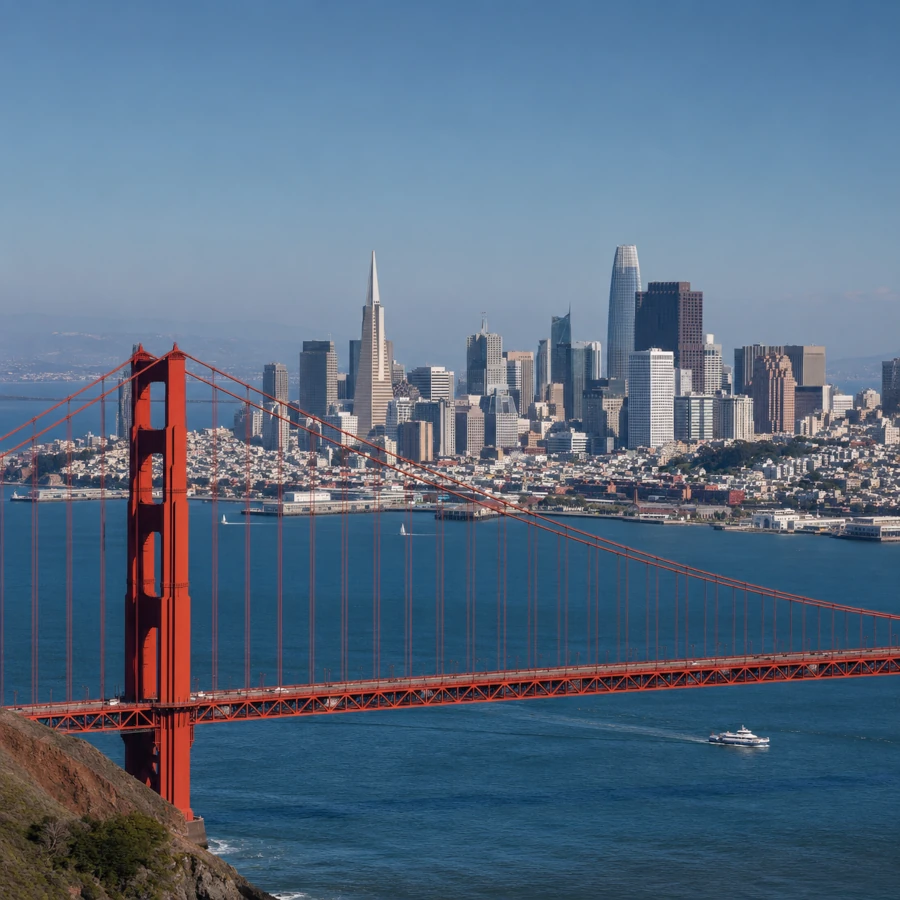
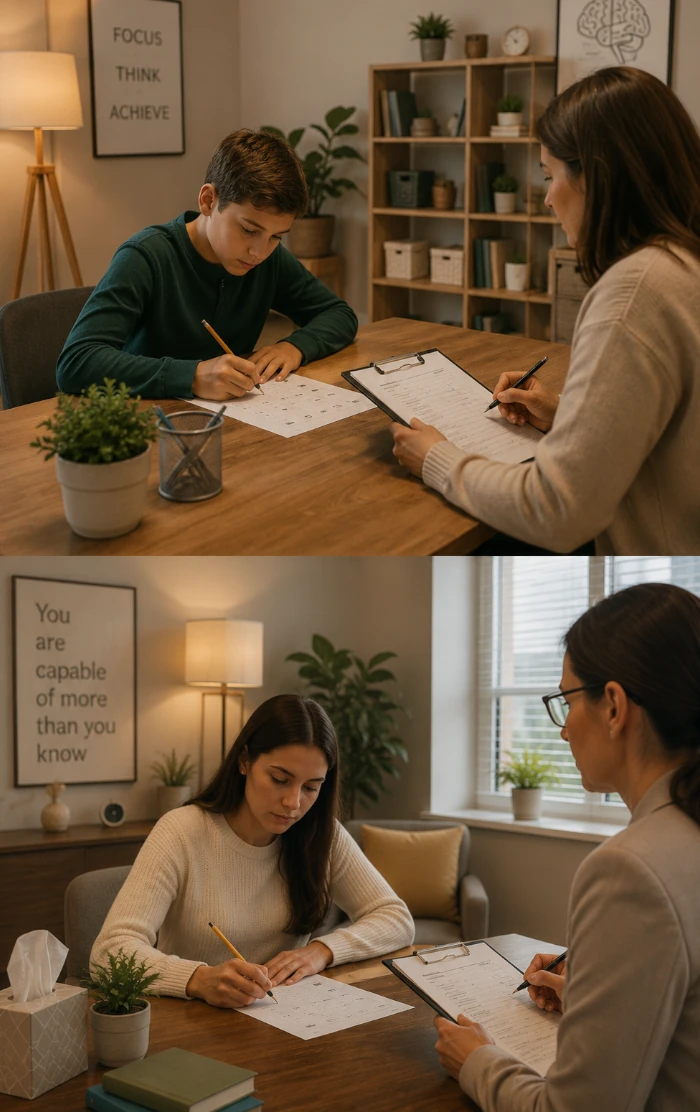
Professional IQ testing in San Francisco – whether you need an assessment for school, employment, gifted program eligibility, or personal insight, we connect you with licensed psychologists in the San Francisco area.
Last Updated: October 2026
Child IQ Testing
WISC-V & Stanford-Binet for ages 6–16. Gifted identification, learning profiles.
Adult IQ Testing
WAIS-IV & WAIS-5 available. Comprehensive adult cognitive assessments. Clinical & occupational.
WISC-V Test
Wechsler Intelligence Scale for Children® Fifth Edition – the gold standard for child IQ testing.
WAIS-IV & WAIS-5 Tests
Wechsler Adult Intelligence Scale® – Fourth Edition (WAIS-IV) and Fifth Edition (WAIS-5) available for adult IQ testing.
Gifted Testing
Identify giftedness for school placement, enrichment, and talent programs using WISC-V or Stanford-Binet.
Stanford-Binet 5
Stanford-Binet Intelligence Scales Fifth Edition – comprehensive cognitive assessment for all ages.
Mensa Testing
Mensa admission testing and preparation for the high-IQ society. Accepts WAIS-IV, WAIS-5, and Stanford-Binet 5 scores.
Full Evaluation
Combined assessment with detailed report and recommendations. Includes WISC-V, WAIS-IV, WAIS-5, or Stanford-Binet 5 as appropriate.
IQ Testing in San Francisco: city context
San Francisco is a vibrant, innovative, and intellectually rich city in California. With a population of approximately 873,000 (2024 estimate) and a land area of about 121 km² (47 sq mi), it is the fourth most populous city in California and the economic and cultural hub of the Bay Area. The greater San Francisco metropolitan area is home to over 4.5 million people.
San Francisco is renowned for its concentration of world-class universities, including the University of California, San Francisco (UCSF), San Francisco State University (SFSU), and the University of San Francisco (USF), as well as leading research institutions and hospitals. The average IQ in San Francisco is estimated to be around 105.2, above the national average of 100, reflecting the city's highly educated workforce and knowledge-based economy.
IQ by gender & ethnicity
While IQ distributions are generally similar across genders, some studies suggest slight variations in specific cognitive domains. In San Francisco, as in the broader U.S., the average IQ for men is approximately 104.8 and for women 103.5, differences that are not statistically significant.
Ethnic diversity in San Francisco (2020 Census):
- White (non-Hispanic): ~39% – average IQ ~106.7
- Asian: ~35% – average IQ ~107.2 (reflecting high educational attainment)
- Hispanic or Latino: ~15% – average IQ ~101.5
- Black or African American: ~5% – average IQ ~100.8
- Two or more races: ~6% – average IQ ~104.0
Researchers emphasize that IQ-score gaps largely reflect socioeconomic, educational, and systemic inequalities rather than fixed innate differences, because IQ tests measure specific cognitive skills often tied to formal education. These figures are aggregate estimates and should not be used to infer individual abilities.
What is professional IQ testing?
Intelligence quotient (IQ) testing is a standardized method to measure human cognitive abilities and intellectual potential. Professional IQ tests are administered by licensed psychologists in a controlled environment to ensure accuracy and reliability. Unlike online quizzes, clinical assessments provide a full-scale IQ score along with detailed breakdowns of verbal comprehension, perceptual reasoning, working memory, and processing speed.
In San Francisco, IQ testing is commonly used for gifted program admission, learning disability identification, career guidance, neuropsychological evaluation, and personal development. The results are presented in a comprehensive report that includes normative comparisons, strengths and weaknesses, and actionable recommendations.
Who should get tested?
IQ testing can benefit children, adolescents, and adults in various situations:
- Children: Parents often seek testing for school readiness, gifted placement, or to understand learning challenges.
- Adults: Many adults take IQ tests for career advancement, graduate school applications, or personal curiosity.
- Mensa candidates: High-IQ societies require official test scores for membership.
- Clinical referrals: Psychologists may recommend testing as part of a broader neuropsychological evaluation.
Types of IQ tests
We offer the most recognized and scientifically validated intelligence tests in the field:
For San Francisco residents who want an informal introduction to reasoning questions, an online IQ test can be a useful starting point, while a licensed psychologist is necessary when formal documentation or diagnosis is required.
- WISC-V (Wechsler Intelligence Scale for Children® – Fifth Edition): The gold standard for children aged 6:0–16:11. It provides a Full-Scale IQ and five primary index scores.
- WAIS-IV (Wechsler Adult Intelligence Scale® – Fourth Edition): The most widely used adult IQ test for ages 16–90. It measures cognitive functioning across four domains.
- Stanford-Binet Intelligence Scales – Fifth Edition: A comprehensive assessment for ages 2–85, often used for gifted identification and clinical evaluations.
- Gifted Testing: Often includes the WISC-V or Stanford-Binet, plus additional creativity and achievement measures.
- Mensa Testing: We provide official Mensa admission testing and preparation materials.
How the testing process works
- Initial consultation: Brief phone or video call to discuss your needs and match you with the right psychologist.
- Testing session: In-person or remote testing (depending on the test) with a licensed psychologist. Most sessions last 1–2 hours.
- Scoring and interpretation: The psychologist scores the test and interprets the results in the context of your background and goals.
- Feedback session: A detailed review of your results, including strengths, weaknesses, and practical recommendations.
- Comprehensive report: You receive a written report with all scores, normative comparisons, and actionable next steps.
How much does IQ testing cost in San Francisco?
The cost of IQ testing in San Francisco varies depending on the type of test, the psychologist's experience, and whether a comprehensive report is required. Typical fees range from $250 to $1,500 for a full assessment. Gifted testing and Mensa admission testing are often at the lower end, while neuropsychological evaluations may be higher.
Some insurance plans cover IQ testing when it's deemed medically necessary. We recommend checking with your provider for details. We also offer affordable payment plans and sliding-scale options for qualifying individuals.
San Francisco's Intellectual History & Legacy
University of California, San Francisco (UCSF), is a world-renowned medical center and research university, leading in healthcare and life sciences. San Francisco State University (SFSU) is a prestigious public university known for its liberal arts and professional programs. The University of San Francisco (USF), a private Jesuit university, is known for its business, law, and nursing programs.
The UCSF Medical Center, located in San Francisco, is one of the top hospitals in the country, conducting extensive research on cognitive assessment, neuropsychology, and brain function. The city is also home to the Gladstone Institutes, a world-renowned research organization focused on neuroscience and cognitive health.
Top Employers in San Francisco Requiring Cognitive Testing
- UCSF Health: One of the largest employers in San Francisco, frequently uses cognitive assessments for medical residents, researchers, and clinical staff. UCSF Health employs over 25,000 people in the San Francisco area.
- Salesforce: A global cloud computing company headquartered in San Francisco, uses cognitive testing for technology roles, research positions, and leadership development. Salesforce employs over 10,000 people locally.
- Dignity Health: A major healthcare system with a significant presence in San Francisco, uses cognitive assessments for clinical and research roles.
- Gap Inc.: Uses cognitive testing for executive, design, and technology positions at its San Francisco headquarters.
- Airbnb: A technology and hospitality company headquartered in San Francisco, uses cognitive assessments for technology roles and leadership development.
- Wells Fargo: Has a major presence in San Francisco, uses cognitive assessments for finance, technology, and leadership roles.
San Francisco IQ Testing by Neighborhood
- Pacific Heights: Highest concentration of residents with advanced degrees (~70% with bachelor's or higher). Average IQ in Pacific Heights is estimated at 110-115.
- Noe Valley: High educational attainment with a strong community of professionals and creatives. Average IQ in Noe Valley is estimated at 107-112.
- Marina District: Affluent neighborhood with excellent schools and strong intellectual community. Average IQ in the Marina is estimated at 106-111.
- Sunset District: Diverse, family-oriented neighborhood with strong professional community and excellent school systems. Average IQ in the Sunset is estimated at 104-108.
- Hayes Valley: Arts and cultural district attracting creative professionals and intellectuals. Average IQ in Hayes Valley is estimated at 105-110.
- Mission District: Diverse and culturally rich neighborhood with strong arts and tech communities. Average IQ in the Mission is estimated at 103-107.
San Francisco Universities and Research Institutions
- University of California, San Francisco (UCSF): 5,000+ students, world-class medical and research programs. UCSF is a premier health sciences university.
- San Francisco State University (SFSU): 30,000+ students, liberal arts and professional programs. SFSU offers programs in psychology, education, healthcare, and business.
- University of San Francisco (USF): 10,000+ students, private Jesuit university with strong business, nursing, and law programs.
- Gladstone Institutes: World-renowned research organization focused on neuroscience, cardiovascular, and stem cell biology.
- UCSF Medical Center: One of the top hospitals in the country, conducts extensive research on cognitive assessment and neuropsychology.
- California Institute of Integral Studies (CIIS): A private university focused on psychology, counseling, and integrative health.
San Francisco Economic Context
- GDP: ~$250 billion (2024 estimate), making San Francisco one of the largest economies in the U.S.
- Top Industries: Technology, healthcare, life sciences, finance, education, tourism, and professional services.
- Knowledge-based economy: 45% of workforce in professional and technical roles, one of the highest percentages in the U.S.
- Fortune 500 companies: Over 5 headquartered in San Francisco (Salesforce, Gap, Wells Fargo, etc.) with many others having major operations in the city.
- Unemployment rate: 3.8% (2024 estimate), below the national average.
- Average household income: $125,000, well above the national average.
- Homeownership rate: 37%, one of the lowest in the U.S. due to high housing costs.
San Francisco School District Data
- San Francisco Unified School District (SFUSD): 50,000+ students, 100+ schools, serving the largest school district in San Francisco.
- Gifted enrollment: ~5,000 students (approximately 10% of student population) identified as gifted.
- Suburban districts with strong gifted programs:
- Piedmont City Unified School District
- San Ramon Valley Unified School District
- Fremont Unified School District
- Private schools: 50+ independent schools requiring cognitive testing for admission.
- School choice: 15,000+ students attend charter schools in San Francisco.
- College readiness: 70% of SFUSD graduates enroll in college, with higher rates in suburban districts.
Local Testing Centers and Psychologists
- California Psychological Association: Based in Sacramento, provides referrals to licensed psychologists throughout California, including San Francisco.
- San Francisco Psychological Association: Local professional organization with over 200 members.
- UCSF Department of Psychology: Academic research and clinical services. UCSF provides cognitive assessments through its psychology clinic and research programs.
- UCSF Medical Center Cognitive Assessment Centers: Multiple locations throughout San Francisco, including UCSF Medical Center and UCSF Benioff Children's Hospital.
- Gladstone Institutes: Cognitive research and assessment opportunities.
- San Francisco Health Network: Cognitive assessment services through the San Francisco General Hospital.
- Dignity Health: Cognitive assessment and neuropsychological testing services.
San Francisco Events and Conferences
- Bay Area Cognitive Science Conference: Annual conference on cognitive science and intelligence research, hosted at UCSF.
- Gifted Education Symposium: Annual event for educators, parents, and professionals serving gifted students. Held at SFSU.
- UCSF Psychology Research Conference: Regular academic events featuring research on intelligence, cognition, and educational assessment.
- Brain Awareness Week: Annual educational events at the California Academy of Sciences and UCSF.
- California Psychological Association Annual Conference: Held annually in San Francisco. Features continuing education, research presentations, and networking opportunities.
Transportation and Accessibility
- Major roads: I-80, US-101, CA-1, I-280.
- Public transit: Muni, BART, and Caltrain serve San Francisco and the surrounding areas.
- Airport: San Francisco International Airport (SFO) serves the region with flights to major cities worldwide.
- Distance to other cities: 30 minutes to Oakland, 1 hour to San Jose, 1.5 hours to Sacramento.
- Walkability: Downtown San Francisco, Mission District, Hayes Valley, and North Beach are highly walkable neighborhoods.
- Bike infrastructure: San Francisco has over 100 miles of bike lanes and trails, including the San Francisco Bay Trail.
San Francisco Weather and Seasonal Considerations
- Mediterranean climate: San Francisco experiences mild, wet winters and dry, cool summers.
- Average temperatures: Summer 55-65°F, Winter 45-55°F.
- Average IQ by season: Studies suggest cognitive performance may remain stable year-round due to mild climate.
- Climate-controlled testing: All testing centers in San Francisco maintain climate-controlled environments for year-round comfort and optimal cognitive performance.
- Peak testing seasons:
- September-October: School placement testing (peak)
- January-March: Graduate school applications
- April-June: End-of-year assessments
- July-August: Summer testing (lowest volume)
Areas we serve
We provide IQ testing services throughout the San Francisco metropolitan area, including Downtown San Francisco, Pacific Heights, Noe Valley, Marina District, Sunset District, Hayes Valley, Mission District, and surrounding communities. Our psychologists also offer virtual testing options for California residents who cannot attend in person.
Frequently Asked Questions
WISC-V is for children aged 6–16, while WAIS-IV is for adults aged 16–90. Each is normed for its specific age group.
Most IQ tests take between 60 and 90 minutes, plus a feedback session. Allow 2–3 hours total.
No, you can book directly with our psychologists. We serve both self-referred and professionally referred individuals.
Yes, we provide official documentation that is accepted by Mensa and other high-IQ societies.
Some plans cover cognitive assessments when there is a clinical indication. Check with your provider.
Get a good night's sleep, eat a healthy meal, and arrive relaxed. No specific preparation is needed.
You'll receive a comprehensive report with your scores and tailored recommendations.
Yes, many tests are available via secure telehealth platforms. Contact us for details.